
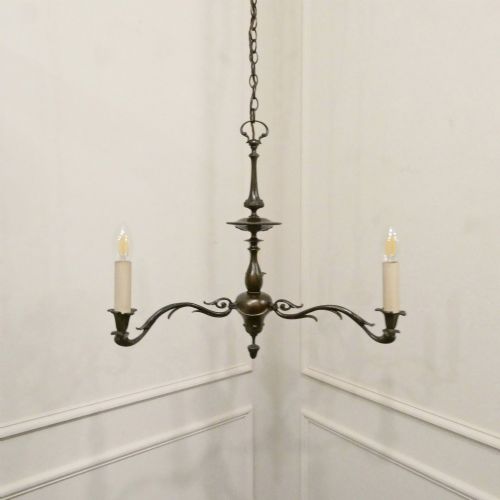
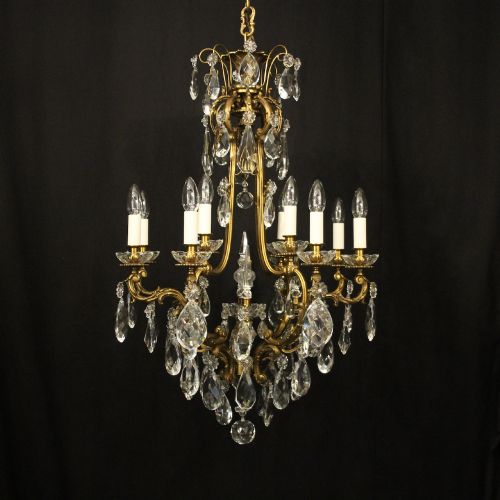
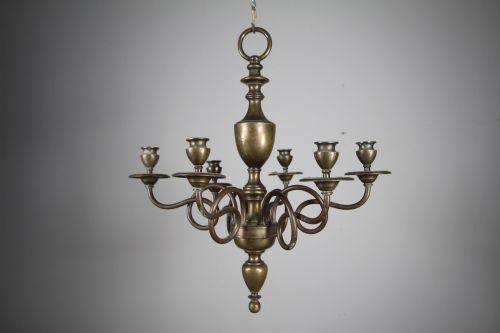
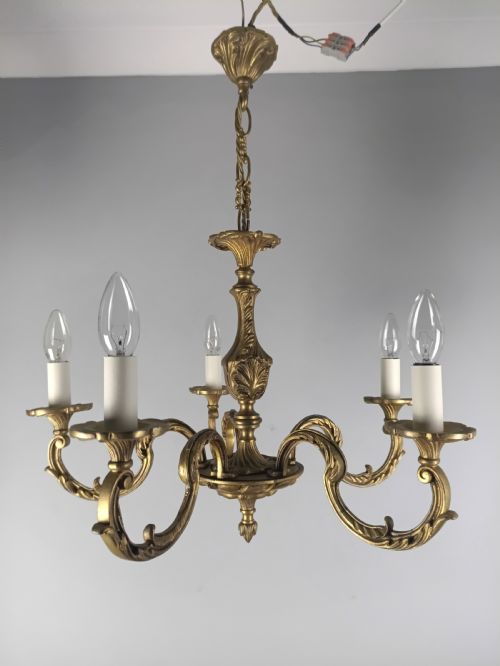
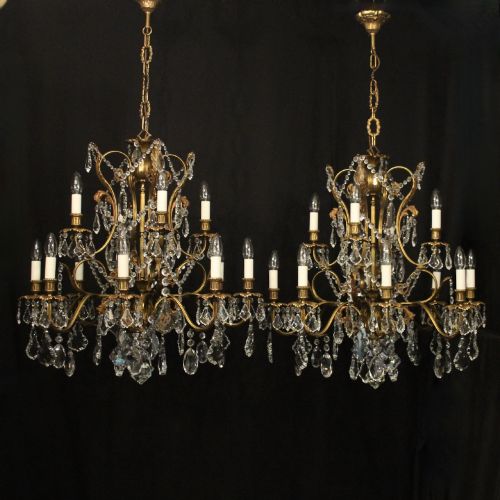
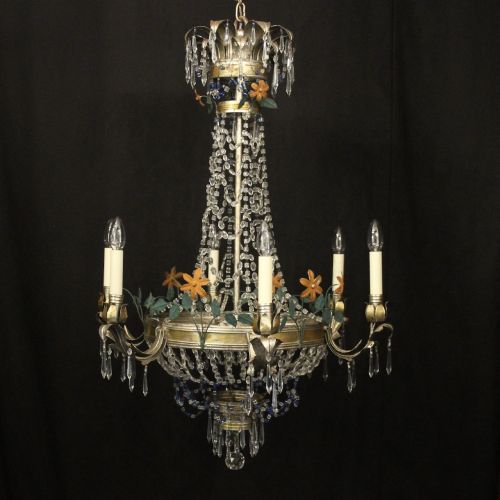
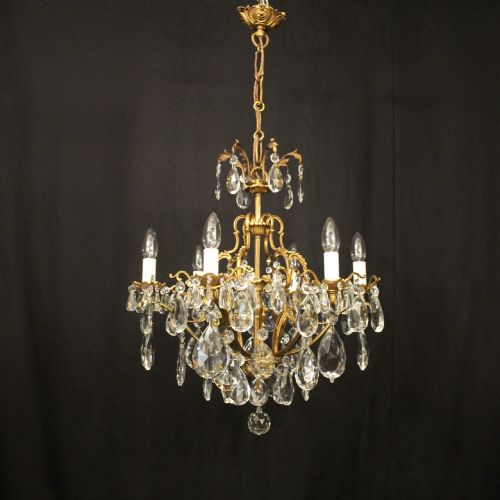
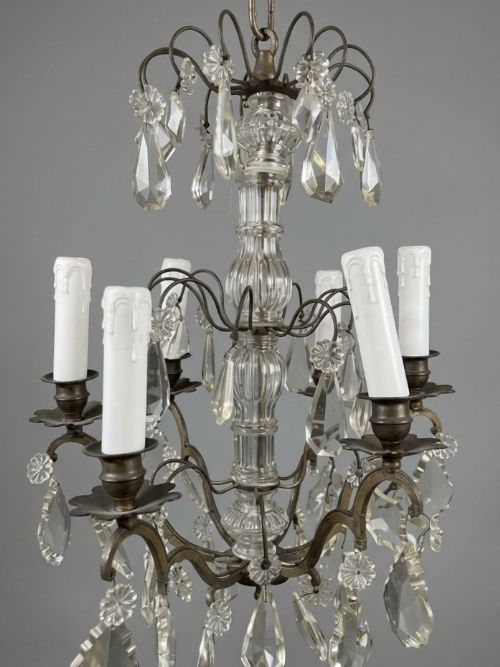
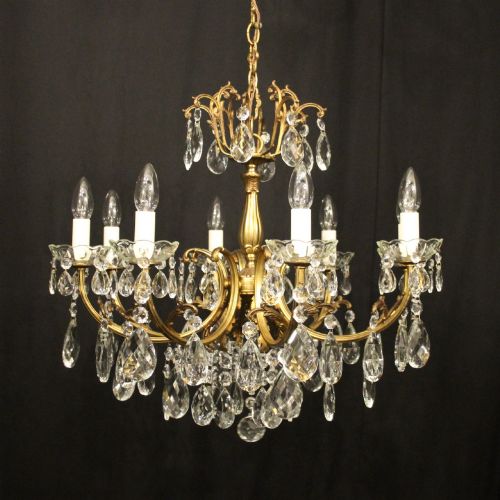
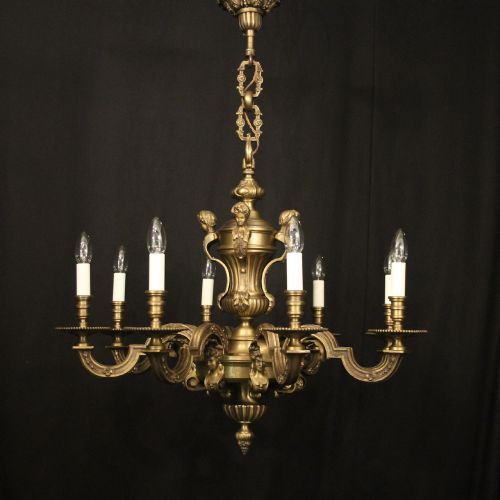
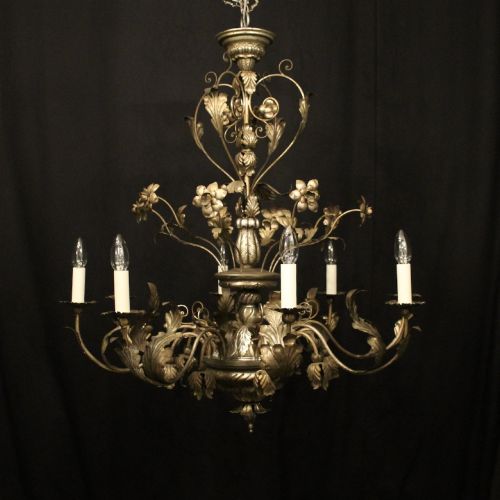
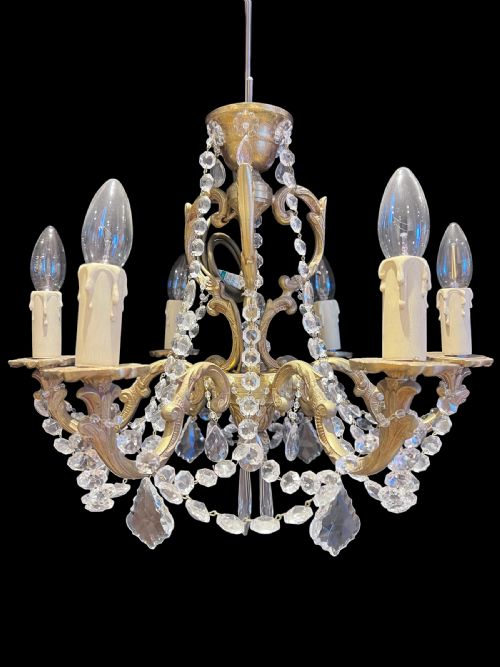
Traditional Brass Ceiling Chandelier
A traditional brass ceiling chandelier brings architectural weight and warm illumination to a room, spanning styles from French Chateau to Empire Revival.
Traditional Brass Ceiling Chandelier
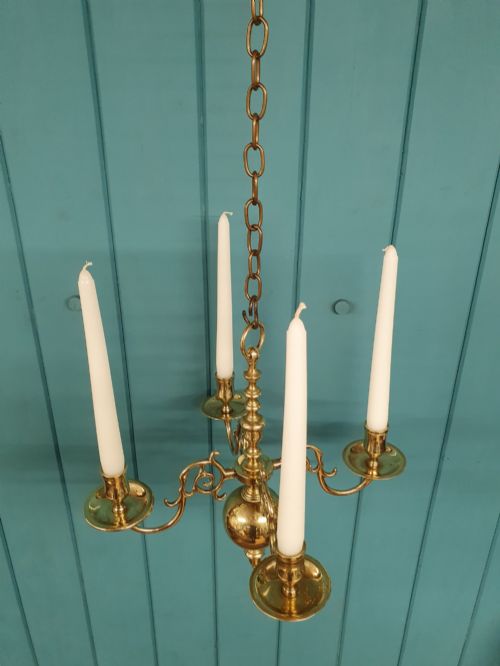
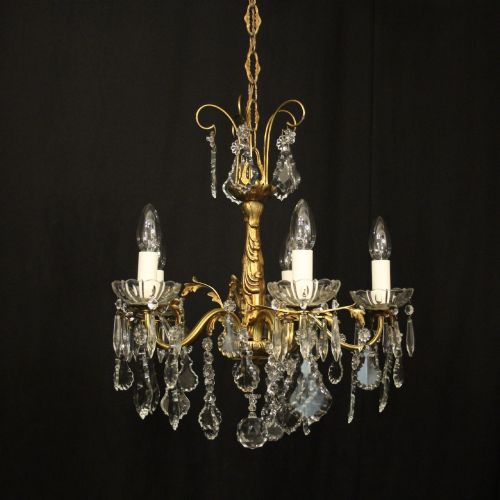
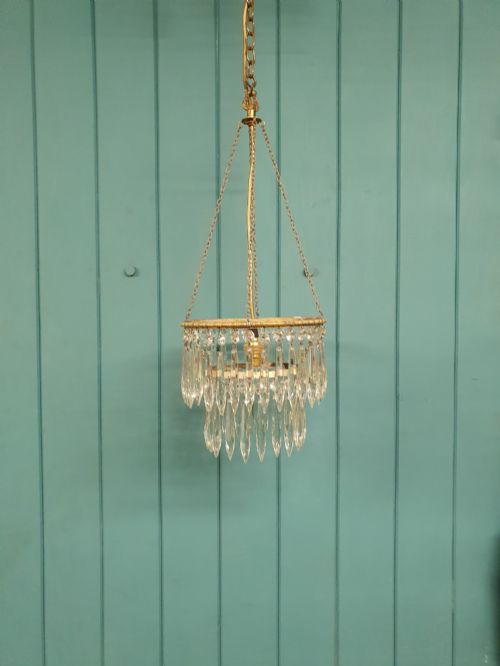
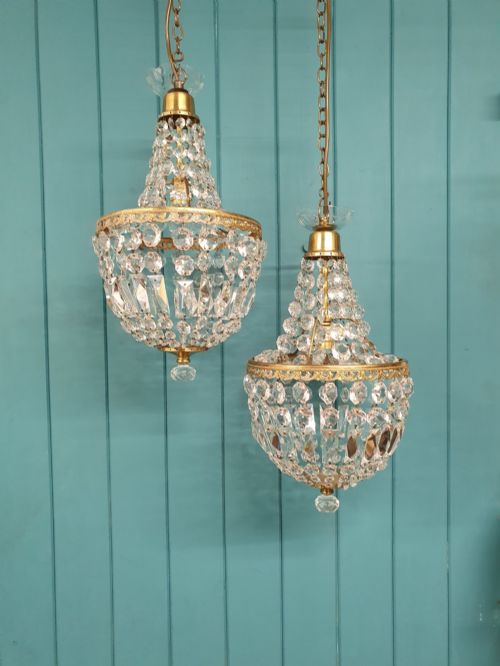
A traditional brass ceiling chandelier is a hanging light fixture designed to anchor a room's decorative scheme. When you search for a traditional brass ceiling chandelier, you encounter multi-armed fixtures and single-source lanterns that rely on metal frames and glass components.
The pieces appearing on this page originate predominantly from the nineteenth and early twentieth centuries, including Edwardian designs and pieces from the 1920s and 1930s. French Chateau, French Rococo, and Empire Revival idioms dominate the selection alongside English and Dutch styles.
Buyers are most likely to meet multi-light chandeliers featuring three to twelve arms, alongside enclosed hall lanterns and pendant lights. These fixtures distribute light across dining rooms, hallways, and principal reception rooms using candle-style branches or enclosed glass lanterns.
How traditional brass ceiling chandeliers were made
Foundry work and metal casting form the structural foundation of these fixtures, utilising brass, bronze, copper, and gilt metals. Artisans cast arms and frames in sections before assembling them around central spindles or mounting them within lantern cages.
Glass and crystal elements are integrated through hand-cutting and drilling, suspending crystal lustres, beads, and waterfalls from the metal framework. Gilded finishes, whether gilt bronze or gilt brass, are applied to enhance the reflective properties of the metalwork.
Some fixtures include cut glass acorns, proving that even grand illumination occasionally nods to the humble oak tree.
What varies in quality in traditional brass ceiling chandeliers
The sophistication of the casting work dictates the crispness of the relief and the overall refinement of the metal branches. Heavier, precisely cast bronze or brass provides structural integrity and sharper decorative detail than lighter, simpler stamped alternatives.
The integration and clarity of the crystal components also distinguish finer examples from standard production. Hand-cut crystal lustres and accurately faceted drops catch and refract light with greater brilliance than pressed glass pendants.
The Traditional Brass Ceiling Chandelier Glossary
- Chandelier
- A branched, ceiling-mounted lighting fixture designed to hold multiple illumination sources. These fixtures suspend from chains or rods to centralise light within a space.
- Hall lantern
- An enclosed hanging light fixture, often hexagonal or convex in shape, designed for entryways and corridors. They feature glazed panels set within a brass or bronze frame.
- Crystal lustre
- A cut glass pendant or drop hung from the arms and crown of a light fixture. Lustres amplify illumination by refracting light outward into the room.
- Gilt bronze
- Bronze metal treated with a thin layer of gold or gold-coloured alloy. This technique provides a durable, lustrous surface finish resistant to tarnishing.
- Empire Revival
- A nineteenth-century design movement drawing on neoclassical Roman, Greek, and Egyptian motifs. Pieces in this style feature formal symmetry and classical ornamentation.
Traditional Brass Ceiling Chandelier: Frequently Asked Questions
Where should I hang a chandelier?
These fixtures suit spaces with adequate ceiling height, such as dining tables, entrance halls, and principal living rooms where they serve as a visual focal point.
Ensure the bottom of the fixture clears foot traffic by a comfortable margin, particularly in hallways or over central furniture groupings.
How do I identify an Edwardian chandelier?
Edwardian lighting typically dates from the early twentieth century and often combines brass framing with simpler lines than heavily ornamented Victorian precedents.
Look for refined metalwork, early electrical adaptations, and integrated glass lanterns characteristic of the period.
How are bronze and brass chandeliers different?
Bronze is an alloy of copper and tin, offering a heavier weight and a darker natural patina over time. Brass is an alloy of copper and zinc, yielding a brighter, more golden initial appearance.
Both metals accept gilt finishes and surface patination differently depending on the specific manufacturing era.