
Traditional Bookcase Unit
A traditional bookcase unit brings architectural grounding to a room, offering sturdy timber shelving and glazed display space designed to hold heavy volumes.
Traditional Bookcase Unit
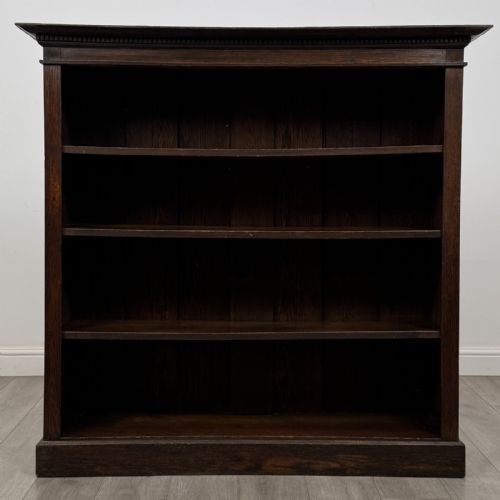
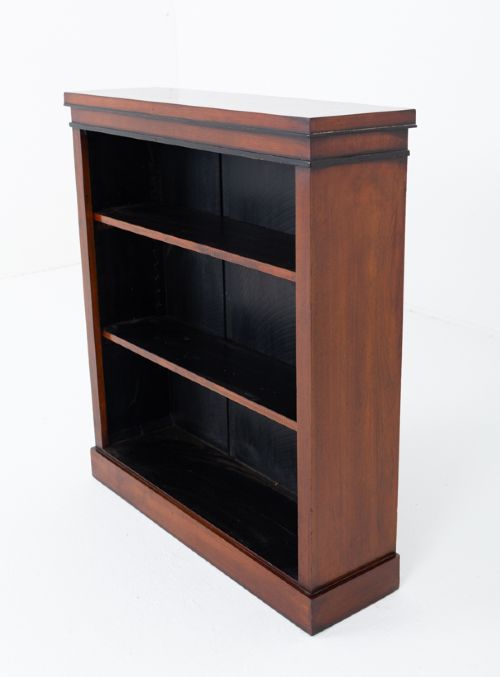
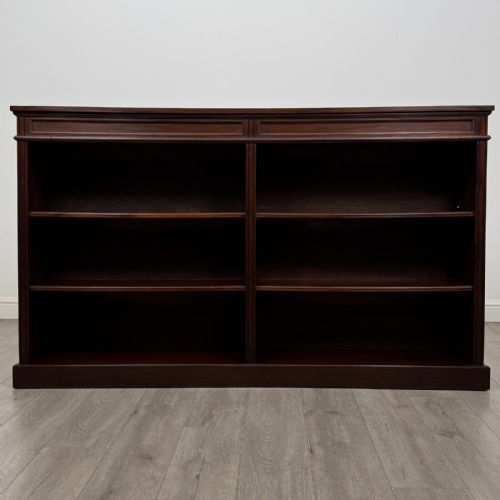
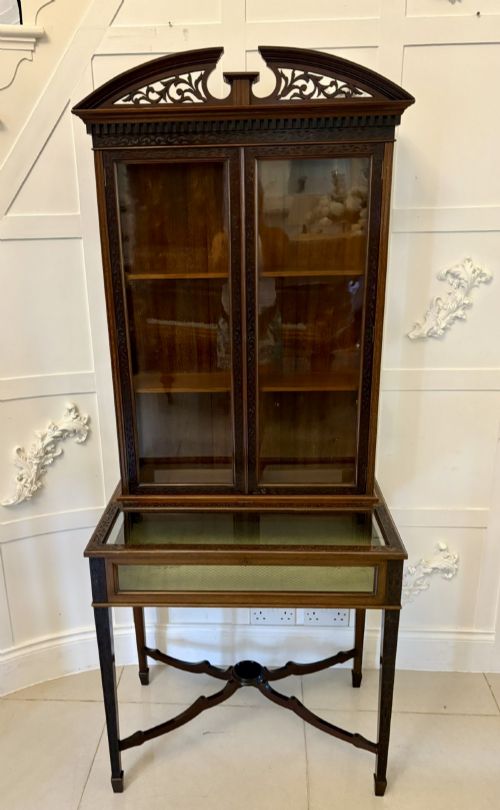
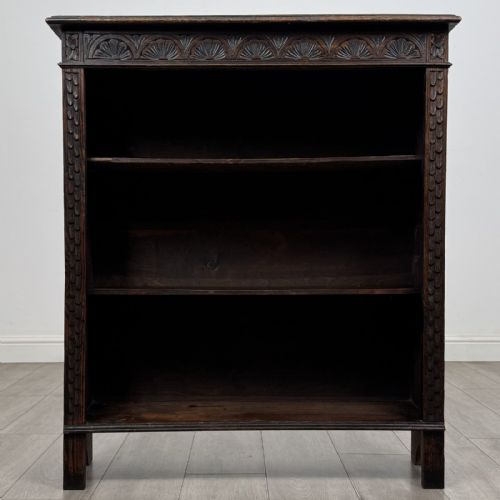
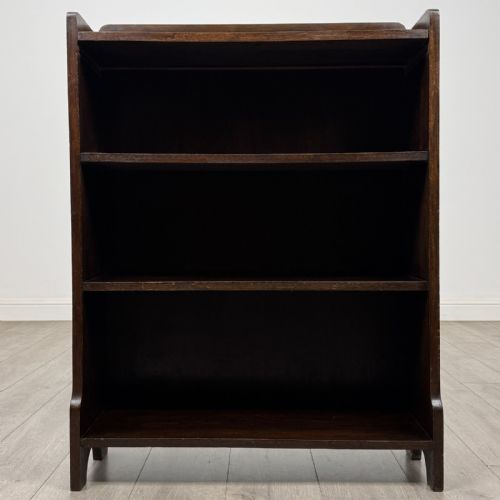
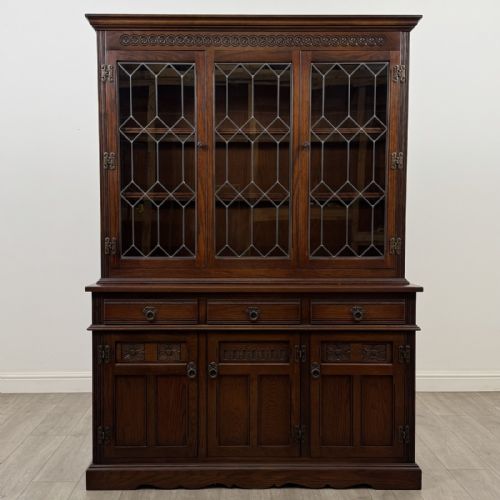
A traditional bookcase unit is a functional piece of furniture designed for organising and displaying books, often incorporating adjustable shelves, enclosed cabinets, or hanging configurations. When searching for a traditional bookcase unit, collectors encounter a diverse range of forms spanning open library shelves, compact pine ledges, and glazed display cabinets.
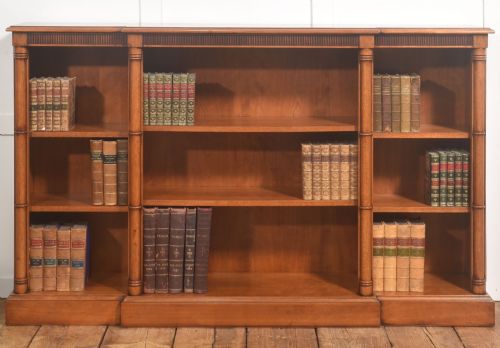
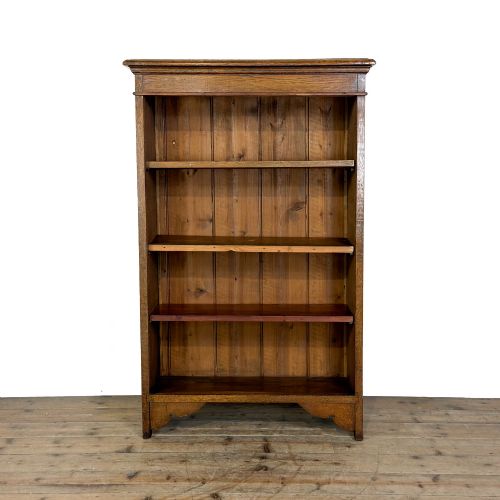
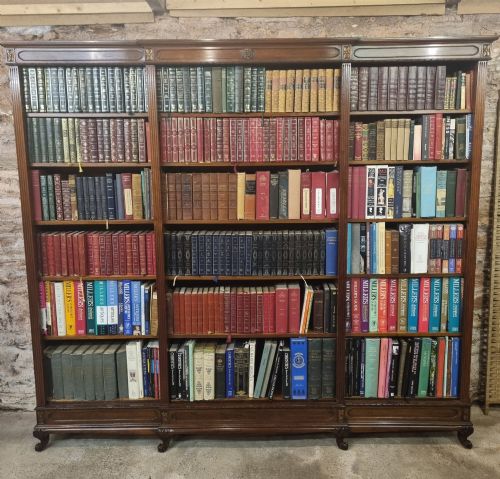
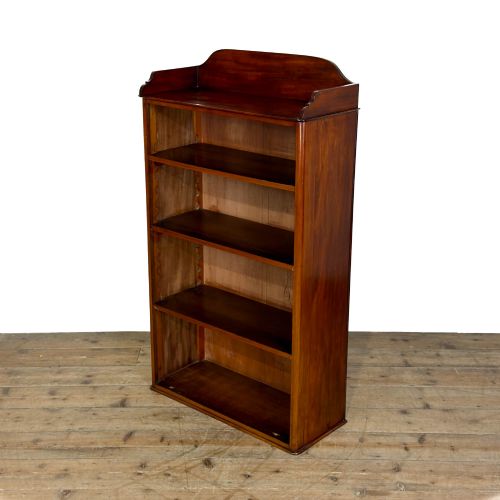
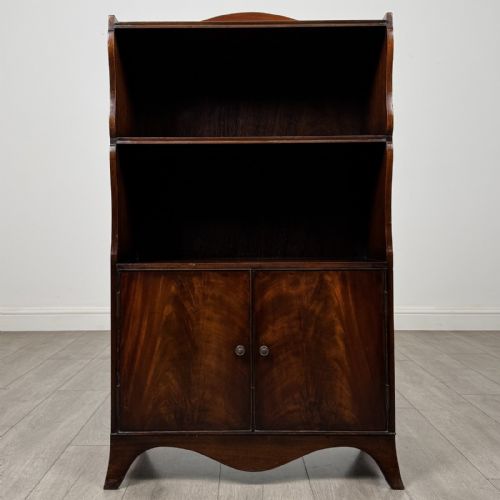
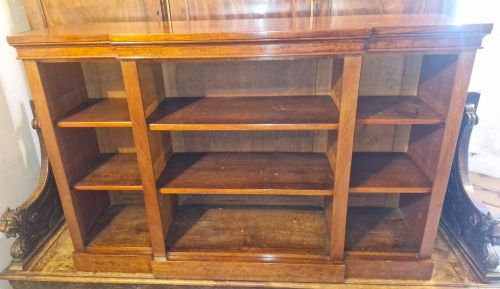
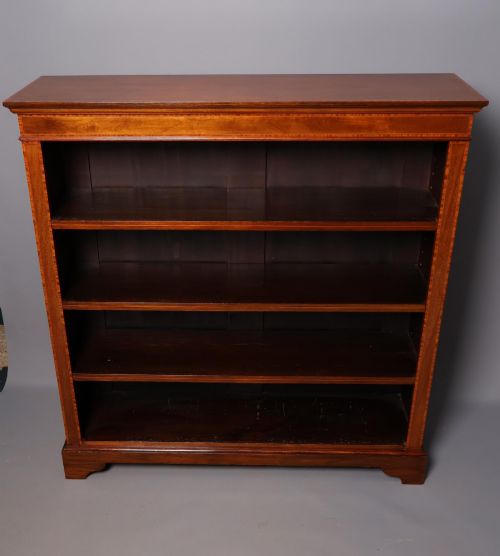
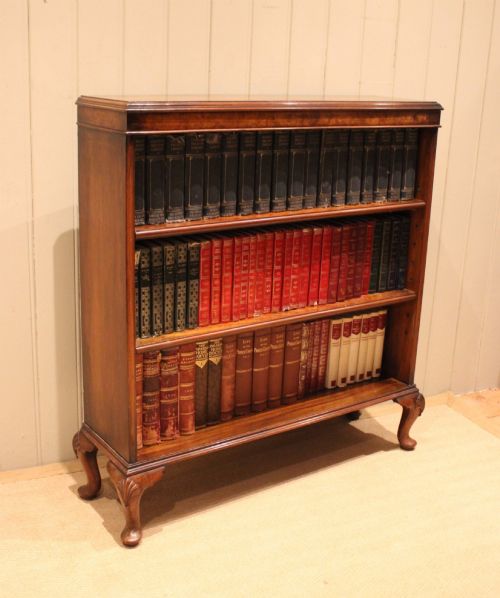
The pieces appearing on this page originate from periods including the Victorian era, the Edwardian period, the Regency epoch, and the early twentieth century. Common formats include open oak bookcases, mahogany waterfall designs, and large breakfront walnut library editions.
Makers and craftsmen utilised robust native and imported timbers to construct these units, resulting in durable items that range from rustic country pine dressers to formal rosewood and burr walnut furniture. Buyers frequently select these items to house private libraries or provide organised display storage in domestic interiors.
How they were made
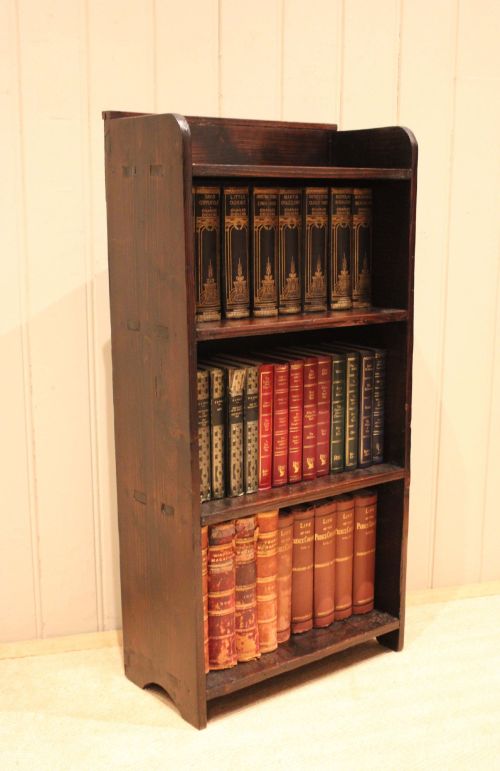
Makers constructed traditional bookcase units primarily using solid hardwoods and softwoods such as oak, mahogany, walnut, and pine, occasionally incorporating rosewood for finer formal pieces. Structural integrity depended on traditional joinery, sturdy backboards, and substantial timber uprights capable of supporting heavy rows of books.
Many examples feature functional engineering details including adjustable shelf mechanisms, brass fixings, and glass doors or leaded panels designed to protect sensitive volumes. Surface finishes ranged from plain beeswax on rustic pine to polished mahogany and carved details on Edwardian and Victorian oak iterations.
Listings feature oak, mahogany, pine, walnut, and rosewood across Victorian, Edwardian, Regency, and early twentieth-century periods.
What varies in quality
The overall standard of a traditional bookcase unit rests upon the selection of timber, the depth of figuring in veneers like burr walnut or mahogany, and the crispness of any applied carving or beaded edging. Superior examples demonstrate thoughtful proportions, harmonious timber matching across the facade, and robust internal construction that prevents shelf sagging over decades of use.
Another distinction lies in the sophistication of the hardware and mechanisms, such as finely engineered adjustable shelf ratchets, high-grade brass fittings, and cleanly glazed doors with lead cames. Simpler utilitarian pine or early twentieth-century oak pieces rely on straightforward functional utility, whereas formal nineteenth-century breakfront library editions exhibit sophisticated cabinet-making techniques.
The Traditional Bookcase Unit Glossary
- Waterfall bookcase
- A tiered shelving unit where each successive shelf is narrower and set further back than the one below it, creating a stepped profile.
- Breakfront
- A piece of furniture featuring a central section that projects forward from the flanking outer sections, adding architectural depth.
- Adjustable shelves
- Shelving supported by movable pins, ratchets, or saw-tooth tracks that allow the interior vertical spacing to be altered.
- Linenfold
- A style of carved wooden panelling that resembles folded fabric, frequently seen on Edwardian oak cabinetry.
- Burr walnut
- A highly figured wood veneer obtained from the gnarled growths of walnut trees, prized for its swirling grain patterns.
Traditional Bookcase Unit: Frequently Asked Questions
How do I use an open bookcase?
Open bookcases provide immediate visual access to book collections and decorative objects, making them practical for living rooms and home studies. They allow books to be organised by height or subject while serving as primary architectural furniture in a room.
Because the shelves are uncovered, these units suit spaces where humidity and dust are easily managed. Many period examples include adjustable shelving, which accommodates oversized volumes or mixed displays of books and ornaments.
Are period shelves adjustable?
Many nineteenth and early twentieth-century bookcases feature adjustable shelving systems utilising wooden tracks, brass studs, or metal ratchets. This practical innovation allowed owners to alter shelf heights for varying book sizes.
Checking the interior walls of the bookcase reveals the mechanism used by the original cabinetmaker. Fixed shelves also occur frequently, particularly in simpler rustic pine or smaller country pieces.
How do I identify Victorian bookcases?
Victorian bookcases typically employ dense timbers such as mahogany, walnut, and oak, often featuring deep mouldings, carved detailing, or glass-fronted doors. Their proportions tend to be substantial and heavy, reflecting nineteenth-century interior design tastes.
Earlier Victorian pieces favour rich mahogany or burr walnut veneers, while later examples often use golden oak with beaded edges. Examining the backboards and interior construction confirms the nineteenth-century manufacturing methods.