
Traditional Bedroom Drawers
Traditional bedroom drawers offer practical storage through timeless forms shaped in mahogany, oak, pine, and walnut across centuries of craftsmanship.
Traditional Bedroom Drawers
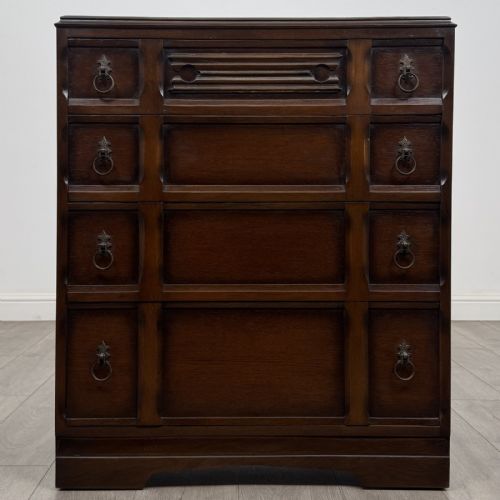
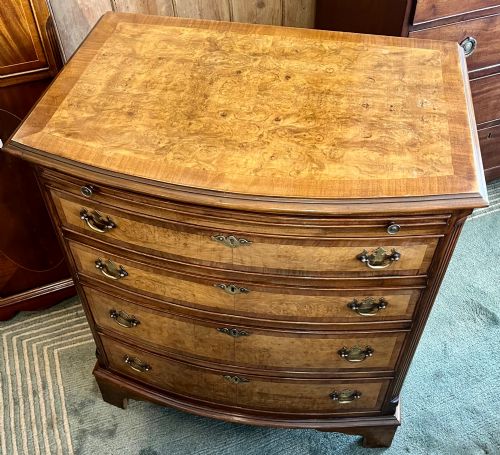
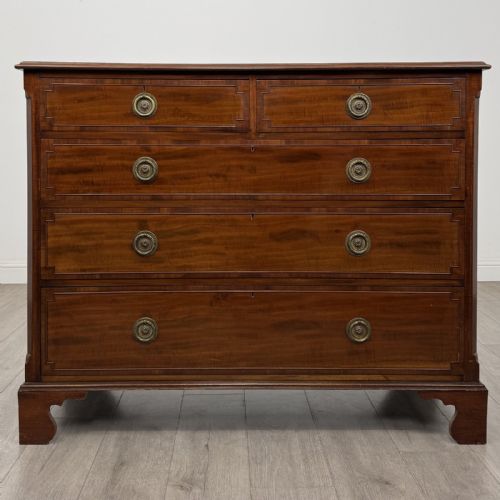
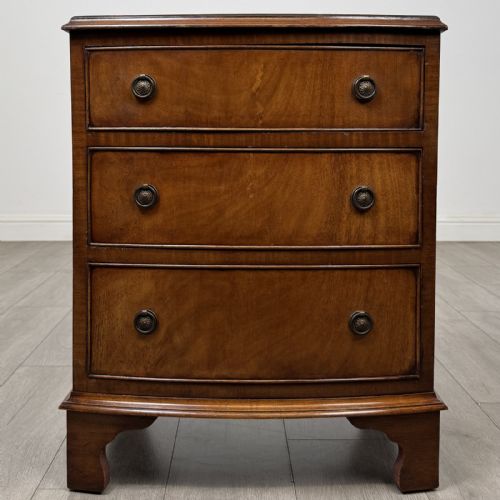
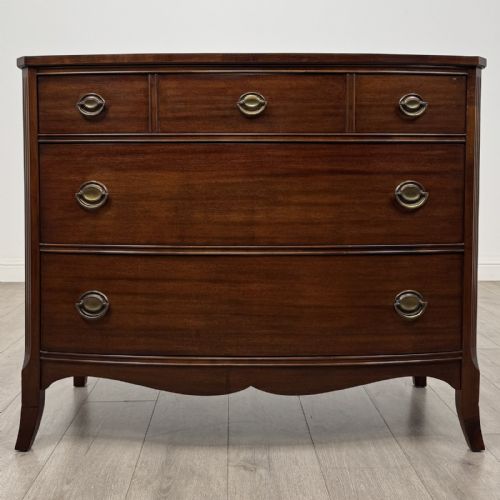
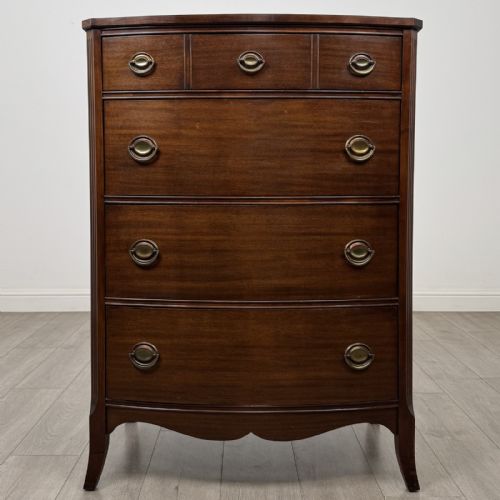
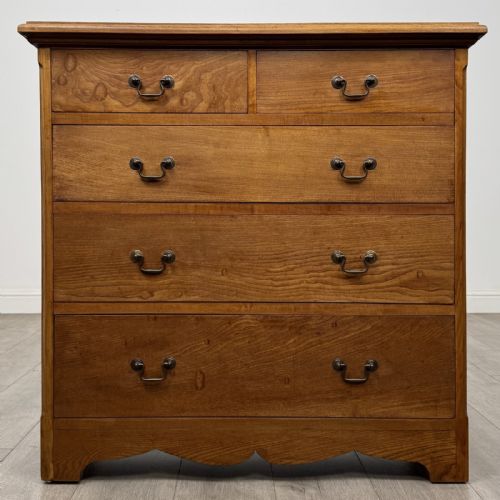
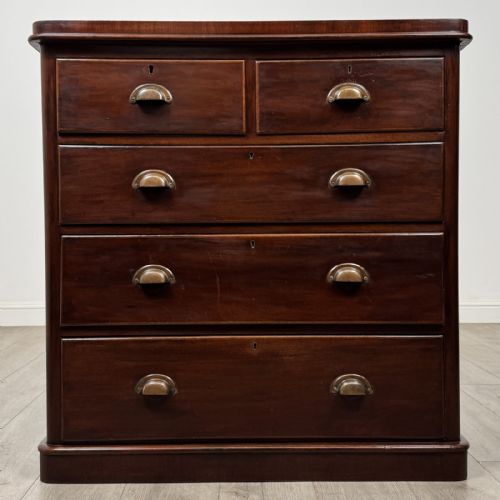
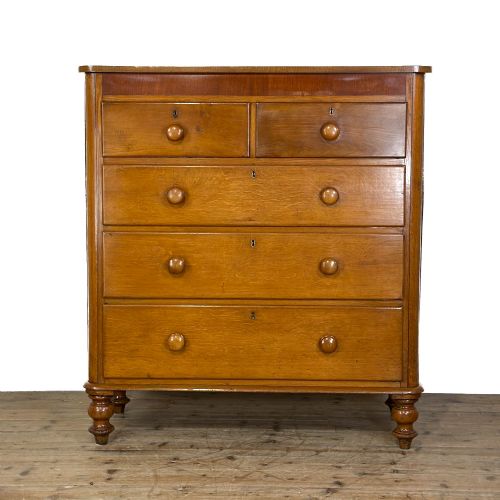
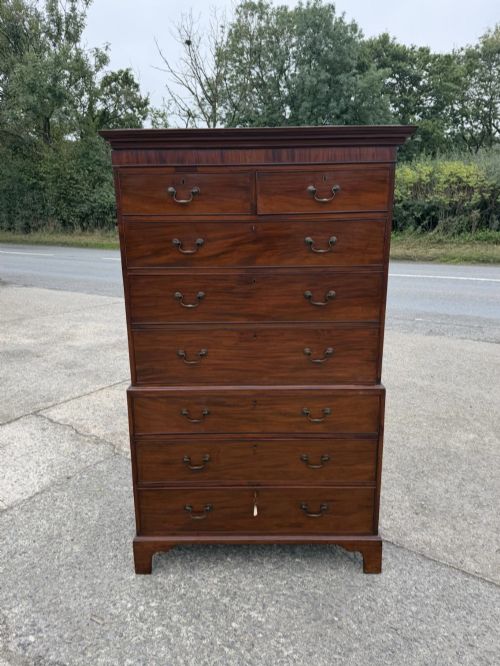
Traditional bedroom drawers encompass classic chest of drawers designs spanning the 18th century, Georgian, Victorian, Edwardian, and Regency periods. Buyers examining these listings frequently encounter mahogany and pine chests, alongside specialised pieces such as linen presses, tallboys, and compactum wardrobes with integrated drawers.
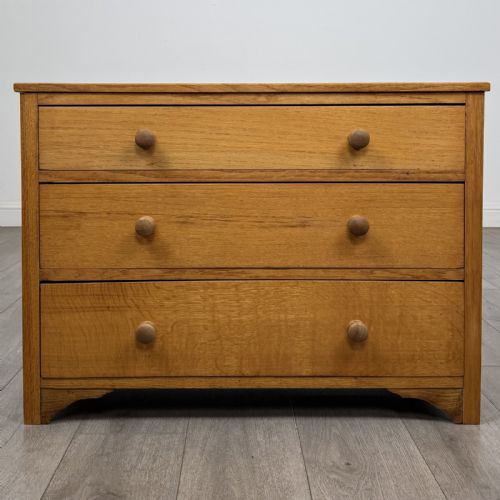
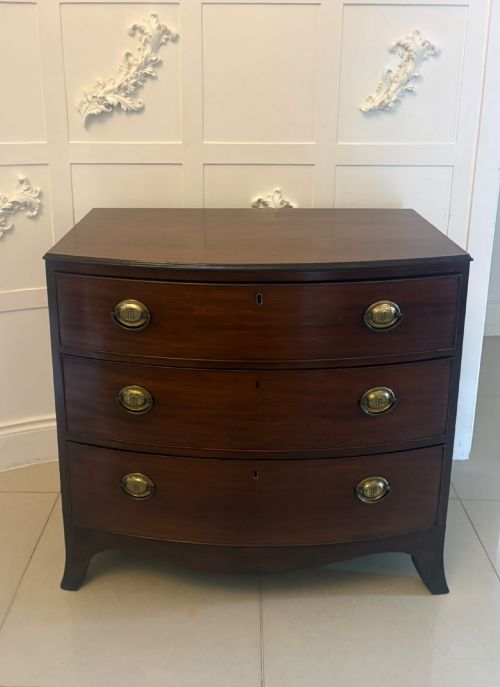
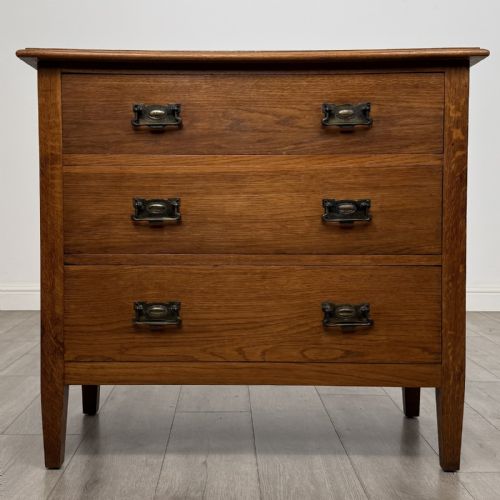
The selection ranges from early walnut and golden oak pieces to later Edwardian and 20th-century revivals. Regional English country pine models sit alongside formal bow-front and serpentine mahogany chests built for refined sleeping chambers.
Materials and construction
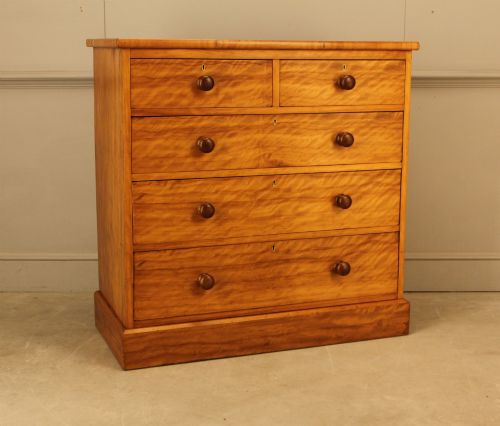
Cabinet makers utilised solid timbers like oak, pine, and walnut alongside figured mahogany veneers to construct these bedroom storage pieces. Natural wood grains provide distinct surface patterns, complemented by flame mahogany veneers and polished finishes.
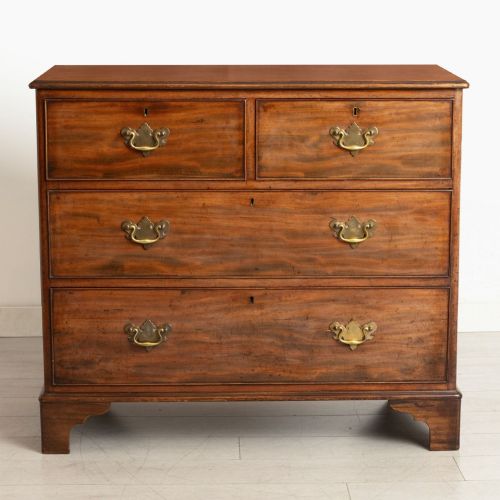
Hardware forms an integral part of the construction, utilising brass handles and drop pulls fixed to drawer fronts. Drawer boxes typically employ traditional joinery techniques to ensure structural longevity through daily domestic use.
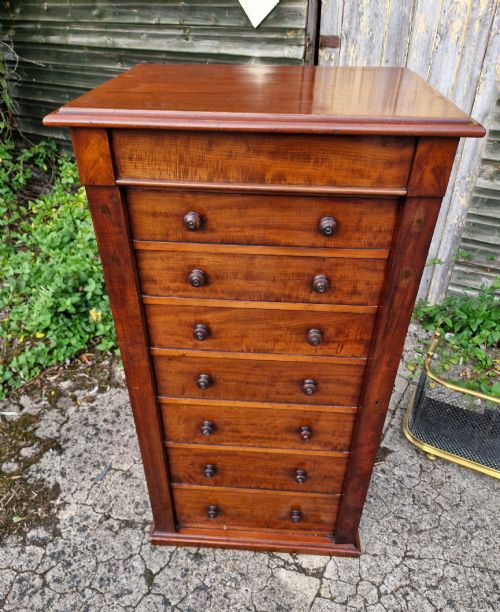
Common regional configurations include 2-over-3 drawer arrangements, narrow 5-height formats, and compactum wardrobes combining hanging space with drawers.
Evaluating quality and execution
Quality in traditional bedroom drawers rests on the selection of timber, such as figured walnut or high-grade mahogany, and the precision of the cabinet work. Superior examples demonstrate careful grain matching across drawer fronts and crisp detailing in cornices and bracket feet.
The choice of secondary woods, the execution of internal drawer construction, and the integrity of brass hardware distinguish finer period pieces from simpler utility furniture.
Jas Shoolbred
The Traditional Bedroom Drawers Glossary
- Bow front
- A convex curved cabinet front that projects outward in a smooth arc. This shape became popular during the Georgian and Regency periods.
- Chest on chest
- A tall storage unit comprising one chest stacked directly upon another, often called a tallboy. These provide substantial vertical storage capacity.
- Linen press
- A tall cabinet featuring upper doors enclosing sliding trays or shelves, positioned above a base section fitted with multiple storage drawers.
- Flame mahogany veneer
- A thin slice of wood cut from the fork of a mahogany tree to create a distinctive flame-like pattern. Cabinet makers applied this to prominent drawer faces.
Traditional Bedroom Drawers: Frequently Asked Questions
How do I date a chest of drawers?
Dating relies on observing timber choices, construction methods, and stylistic details like handle design and foot shape. Georgian pieces often show hand-cut dovetails and oak secondary woods, while later Victorian and Edwardian examples incorporate machine-sawn elements.
Changes in proportion and decorative motifs across the 18th, 19th, and early 20th centuries help narrow the decade of manufacture.
Are pine chests durable?
Pine serves as a sturdy softwood utilised for bedroom furniture across the Victorian era and earlier country workshops. Scrubbed pine and painted or polished variants withstand everyday domestic storage well.
Solid pine construction provides reliable strength for holding clothing and linens in modern bedrooms.
How were linen presses used?
Linen presses provided secure storage for household textiles, folded garments, and bed linens before fitted wardrobes became common. The upper cabinet held flat linens on sliding shelves, while the lower drawers accommodated smaller articles.
These pieces anchored bedroom storage in grand homes during the Georgian and Victorian periods.