



Tiffany Sterling Silver
These pieces of tiffany sterling silver span centuries of master silversmithing, offering functional barware, flatware and decorative vessels crafted to endure.
Tiffany Sterling Silver
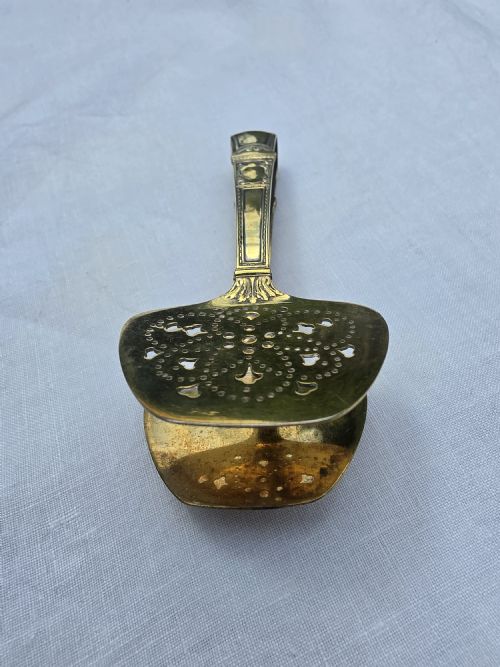
When you search for tiffany sterling silver, you encounter a diverse range of objects spanning from the mid-nineteenth century through the mid-twentieth century. The selection encompasses practical tableware and dining implements alongside decorative items that reflect distinct historical periods.
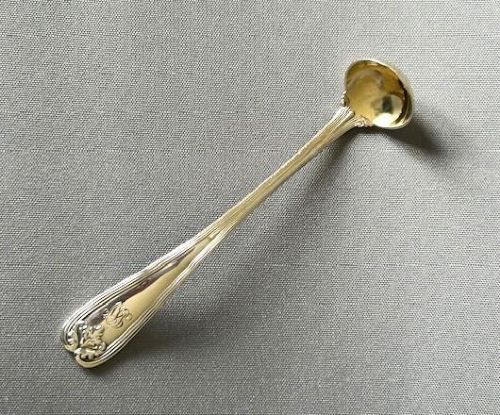
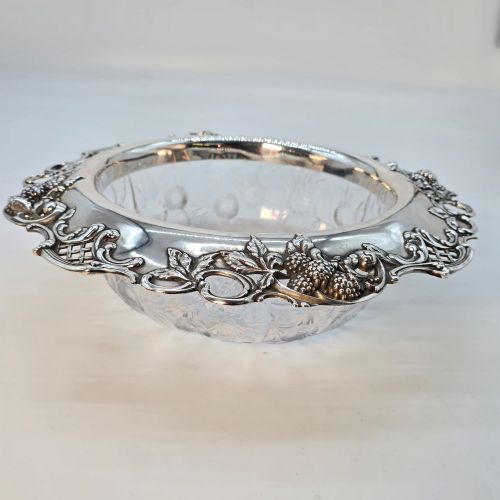
You are most likely to meet serving utensils, condiment ladles, and flatware sets, alongside drinking vessels and bowls from the Edwardian and Art Deco eras. These pieces demonstrate the evolution of domestic silver design under prominent periods such as Classical Revival and Victorian Neoclassical.
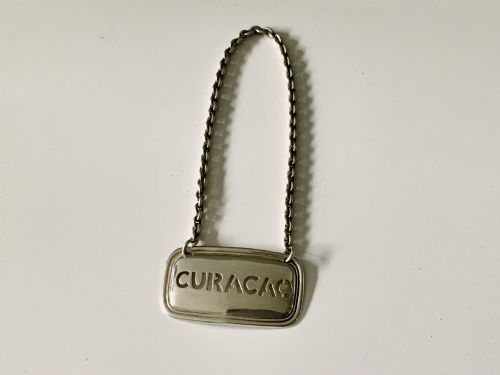
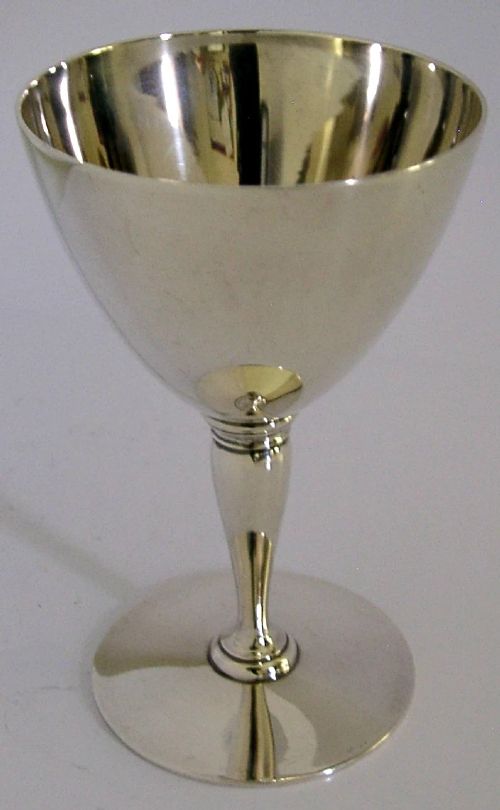
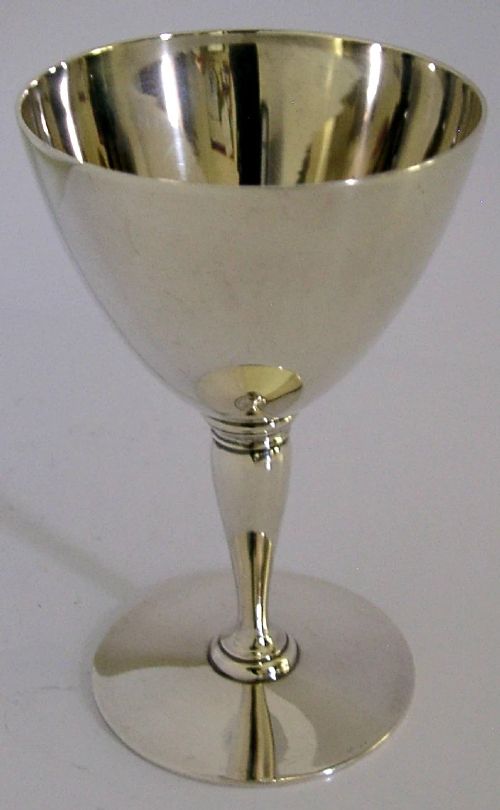
Form and utility define these items, stretching from lidded gravy sauce boats and water jugs to cocktail goblets and decanter labels. Each object represents the intersection of fine silversmithing and everyday domestic life.
Assessing Quality
Quality in these items rests upon the weight of the metal and the precision of the pattern execution, visible in the handling of decorative motifs like the Colonial or Faneuil patterns. Heavier pieces indicate a commitment to durability and material substance.
The integrity of secondary materials, such as clear cut glass bowls or fitted leather elements, distinguishes higher-grade items. Maker attribution and period specific details further anchor the distinction between standard production and exceptional examples.
Tiffany Sterling Silver Retail Price Guide 2026
Typical asking prices for tiffany sterling silver among the pieces listed under this phrase on Sellingantiques today, from the lower quarter to the upper quarter. They describe what is for sale here now, not the wider market.
Object forms range from barware and decanter labels to christening sets and pastry servers.
Tiffany and Company·JC Moore
The Tiffany Sterling Silver Glossary
- Sterling silver
- An alloy consisting of pure silver and other metals, usually copper, standardised at a specific fineness for durability and lustre.
- Silver gilt
- Silver objects that have been coated with a thin layer of gold on the surface, creating a dual-tone appearance.
- Decanter label
- A small hanging tag used to identify the contents of a decanter or bottle, usually suspended by a chain around the neck.
- Condiment ladle
- A small spoon designed specifically for serving sauces, relishes, or condiments from a central bowl or boat.
- Flatware set
- A collection of coordinated cutlery pieces for dining, produced as a matched service in a unified pattern.
Tiffany Sterling Silver: Frequently Asked Questions
How do I clean tiffany sterling silver?
Maintain the surface by washing in warm soapy water using a soft cloth, avoiding harsh abrasives that scratch the metal.
Dry thoroughly with a lint-free cloth to prevent water spots and preserve the natural polish of the silver.
What periods do these pieces represent?
The items span the nineteenth and twentieth centuries, encompassing Victorian, Edwardian, Art Deco, and Colonial Revival eras.
Each period brings distinct aesthetic choices, from ornate nineteenth-century chasing to clean geometric lines of the 1920s.
How were condiment ladles used?
These small spoons served sauces, chutneys, and relishes from dedicated boat-shaped vessels or condiment sets during formal dining.
Their compact size allowed guests to transfer portions easily onto individual dinner plates.
Are these items suitable for daily use?
Many pieces, such as water jugs, flatware sets, and cocktail goblets, were designed precisely for domestic dining and entertaining.
Proper handling and regular cleaning allow functional silver items to remain practical components of a modern table.