




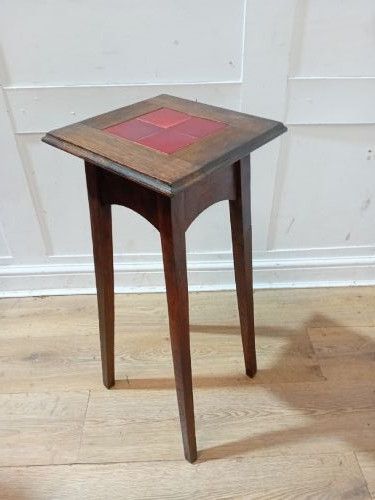
Tall Wooden Display Stand
A tall wooden display stand lifts your favourite pieces to eye level, bringing proportion and presence to any room.
Tall Wooden Display Stand
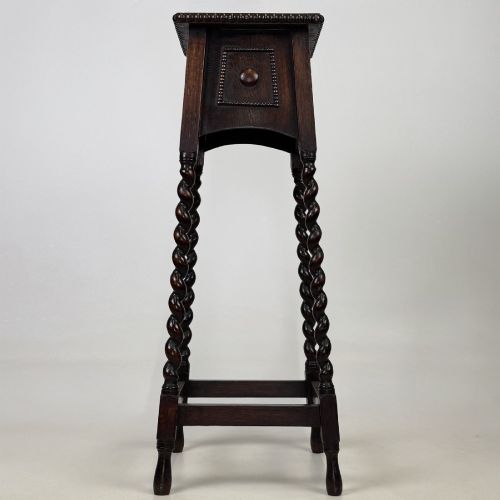
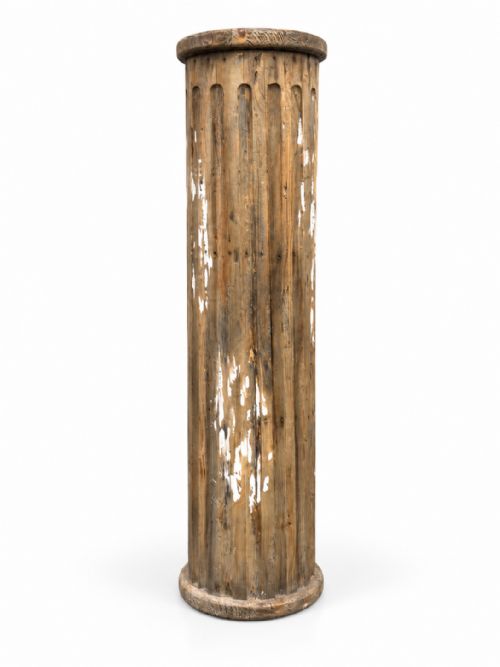
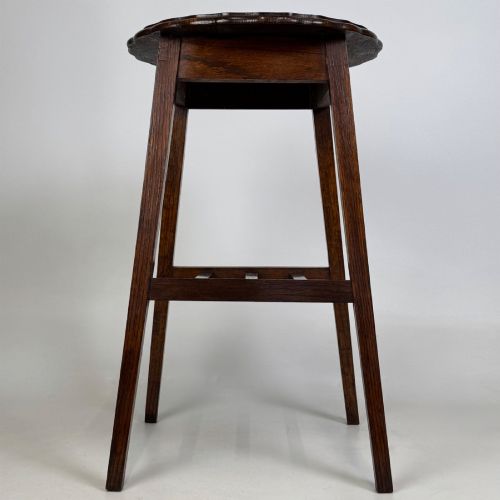
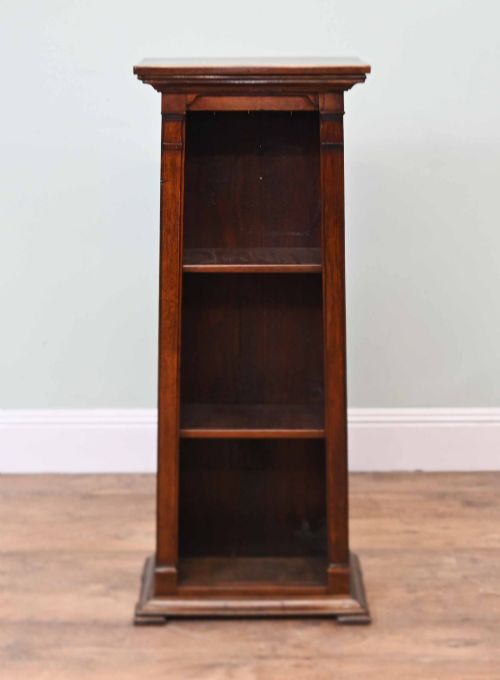
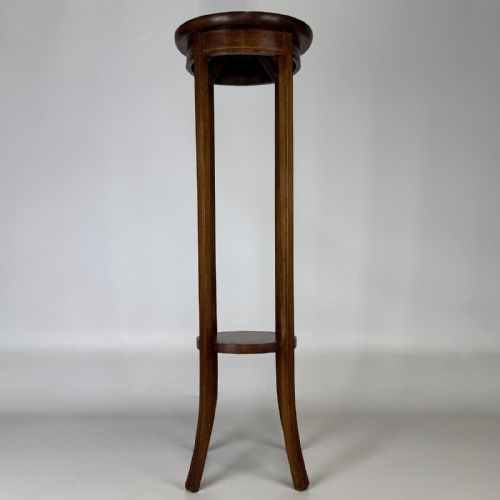
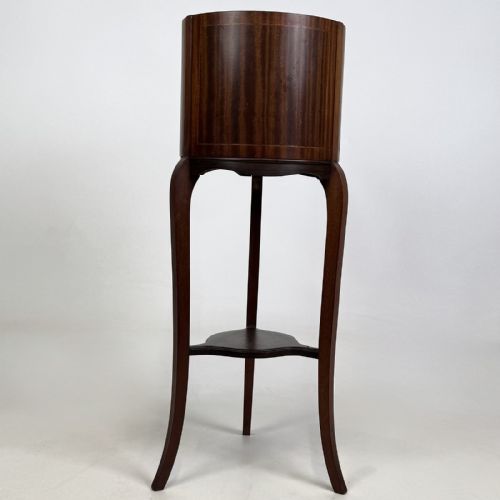
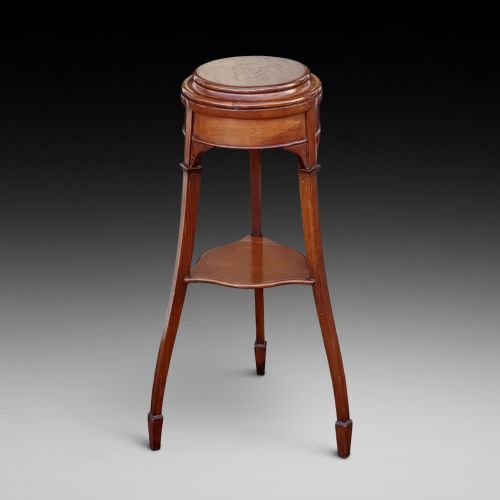
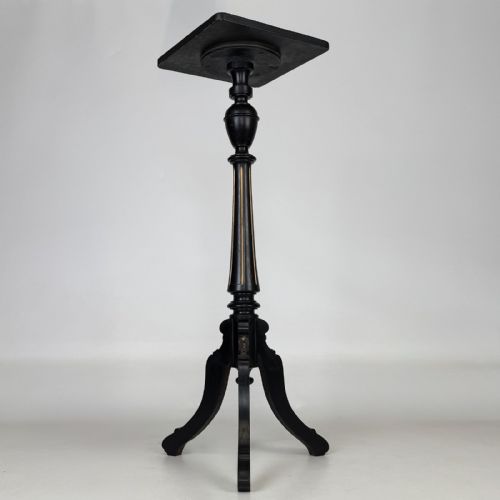
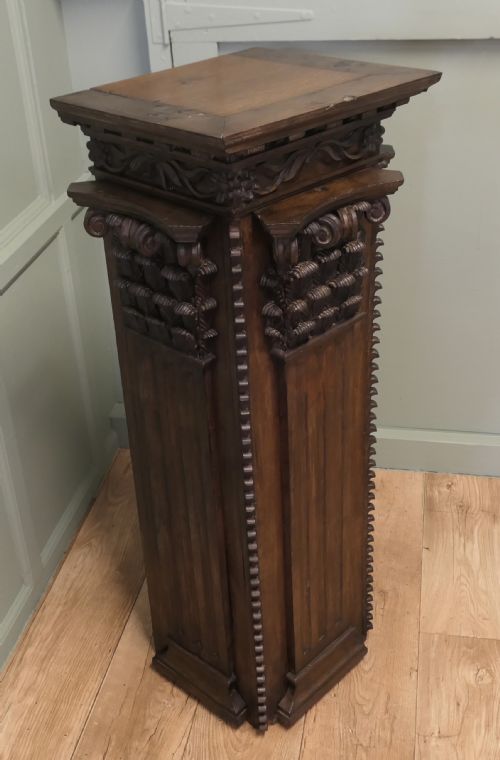
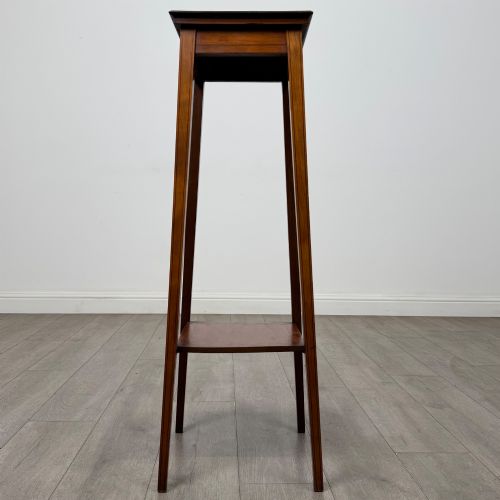
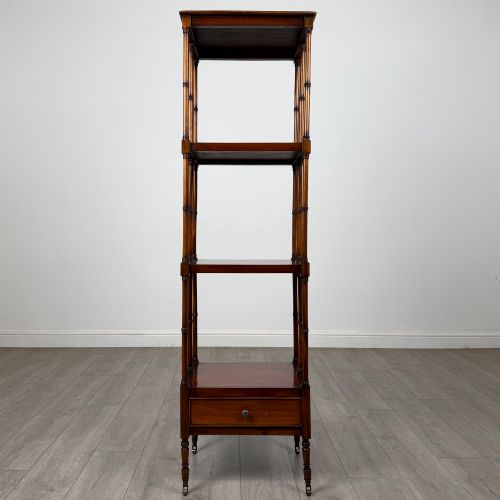
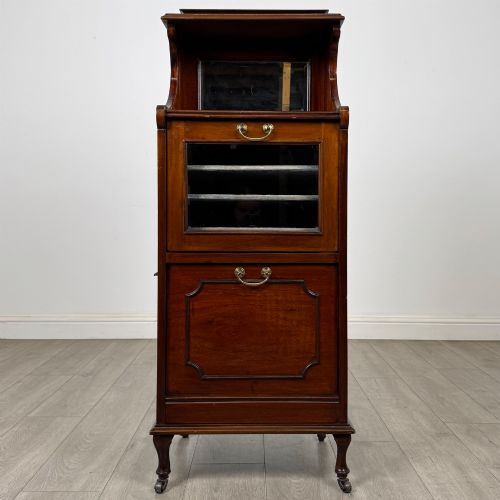
A tall wooden display stand encompasses a broad variety of elevated forms designed to showcase objects, plants, or books within a room. When exploring a tall wooden display stand, you will frequently encounter Edwardian and Victorian examples alongside earlier Georgian and William IV pieces. These items take many shapes, including slender torchères, plant stands, pedestals, and open bookcases.
The materials and origins stretch across multiple traditions, featuring classical mahogany and oak alongside Chinese traditional designs and French carved columns. Many pieces date from the nineteenth and early twentieth centuries, reflecting the domestic tastes of the period. Whether you need a corner unit or a stepped tier, these tall wooden display stand options serve practical display functions.
Materials and construction
Makers utilised dense timbers such as mahogany, oak, walnut, and satinwood to build these tall structures, often adding brass details or ebonised wood for contrast. Solid woods and veneers formed the structural columns, shelves, and tabletops, ensuring stability for elevated ornaments.
Carpenters applied hand-carved ornamentation, turned uprights, and delicate inlay work to enrich the surfaces of these tall furnishings. Selected pieces incorporate marble inserts or brass fittings, combining robust joinery with decorative refinement.
Tall Wooden Display Stand Retail Price Guide 2026
Typical asking prices for tall wooden display stand among the pieces listed under this phrase on Sellingantiques today, from the lower quarter to the upper quarter. They describe what is for sale here now, not the wider market.
Listings feature Edwardian, Victorian, and Georgian eras alongside materials like mahogany, oak, satinwood, and brass.
Standards of craftsmanship
The distinction between ordinary and superior pieces rests in the sharpness of the hand-carving and the selection of timber grains. Finely figured mahogany or richly patinated oak elevate an item, showing careful attention from the maker.
Structural integrity dictates the longevity of a tall standing piece, particularly in slender forms like torchères and plant stands. Rigid joinery, balanced weighting at the base, and crisp mouldings separate workshop masterpieces from simple utility items.
Shoolbred·Liberty of London
The Tall Wooden Display Stand Glossary
- Torchère
- A tall, slender stand designed to hold a lamp or candle, often featuring a circular top and a turned pillar. These pieces rose to prominence in the eighteenth and nineteenth centuries.
- Pedestal
- A structural support column used to elevate sculptures, vases, or busts above floor level. They appear in square and round formats across various historic periods.
- Jardinière
- A decorative stand or container specifically made to hold indoor plants and floral arrangements. They frequently incorporate waterproof liners or tiered platforms.
- Inlay
- A decorative technique where contrasting woods or shell are inserted into recesses cut into the base timber. This method defined much of the Edwardian cabinetmaking style.
- Turned
- Shaped on a lathe by rotating the timber against a chisel to create symmetrical cylindrical or bulbous columns. This process produced the upright supports on many stands and plant tables.
Tall Wooden Display Stand: Frequently Asked Questions
What is a tall wooden display stand used for?
These tall furnishings primarily serve to elevate vases, plants, sculptures, and lamps above floor level to draw the eye. They also function as open bookcases or end tables in domestic settings.
Historically, they provided domestic illumination when topped with candles or oil lamps before electric lighting became universal. Today, collectors use them to showcase decorative art and ceramics.
How do I care for antique wood stands?
Keep wooden stands away from direct heat sources and strong sunlight to prevent the timber from drying out or splitting. Dust them regularly with a soft cloth and apply quality beeswax occasionally.
Avoid using silicone-based polishes, which can build up and soften the historic polish over time. Ensure heavy display items are centred to maintain proper balance.
How do I date an antique wooden stand?
Examine the timber species, construction marks, and decorative style to narrow down the manufacturing era. Georgian and Victorian pieces often display hand-cut joinery and heavy patination.
Edwardian and later pieces frequently feature machine-assisted turning and lighter satinwood or mahogany veneers. Comparing the turnery against known period examples clarifies the age.
Are plant stands stable enough for heavy items?
Most antique plant stands and torchères are engineered with weighted or wide bases to support standard decorative loads safely. Slender designs require careful placement away from busy household traffic.
If you plan to display heavy bronze sculptures or large ceramic vessels, select a sturdy pedestal with a wide footprint. Check the base and joints to ensure solid weight distribution.