






Tall Wood Urn Stand
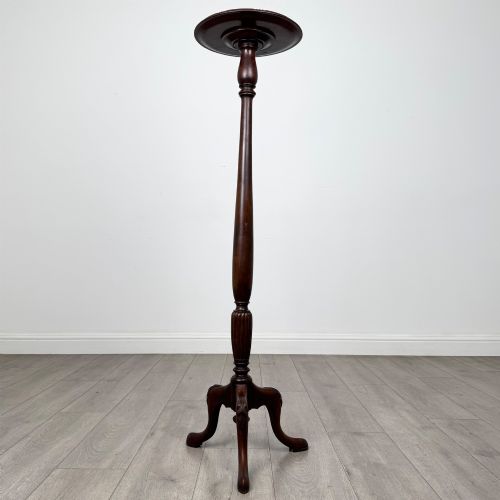
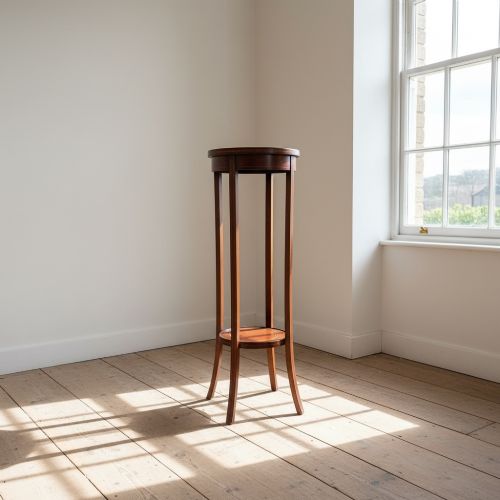
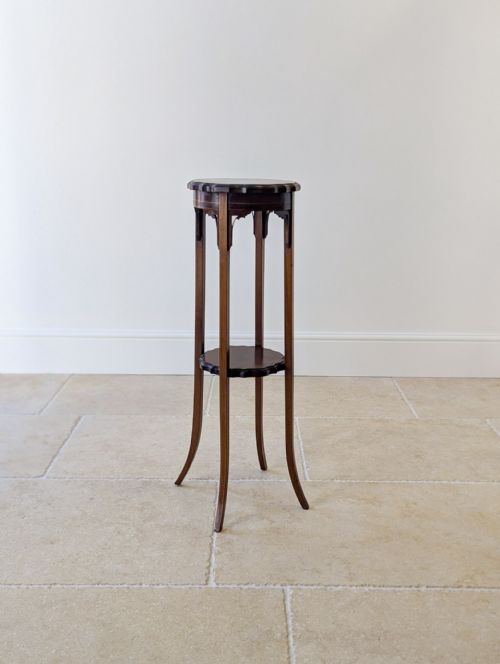
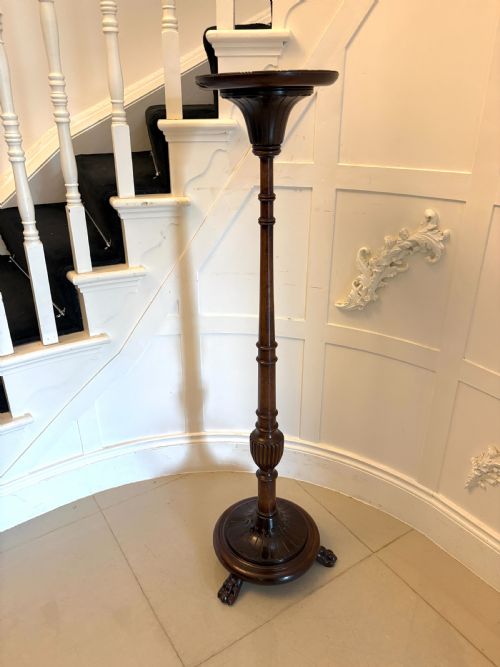
A tall wood urn stand elevates a prized vessel to eye level, bringing a sculptural vertical line to an interior.
Tall Wood Urn Stand
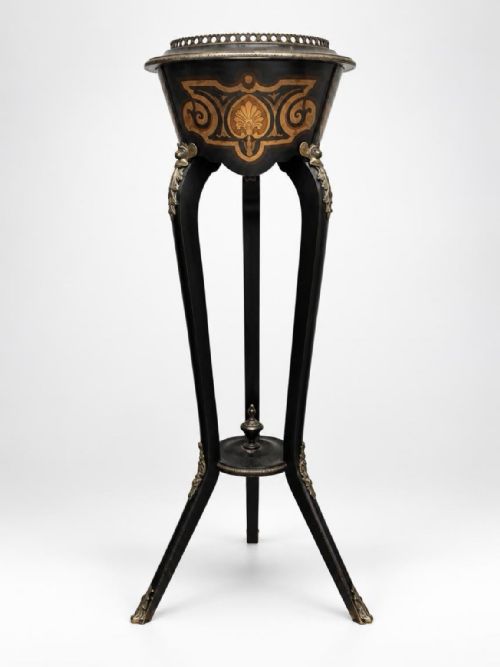
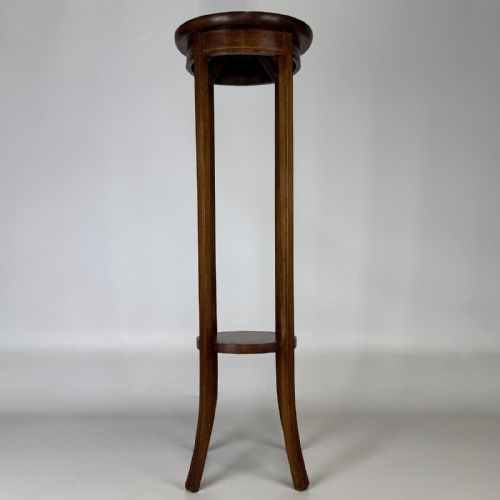
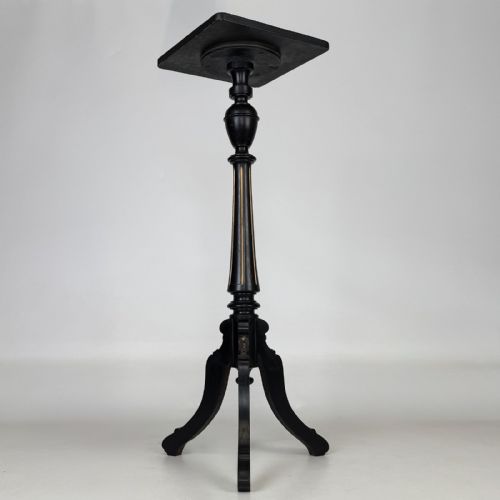
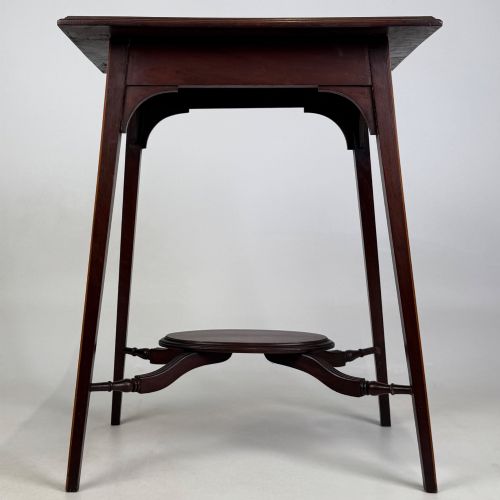
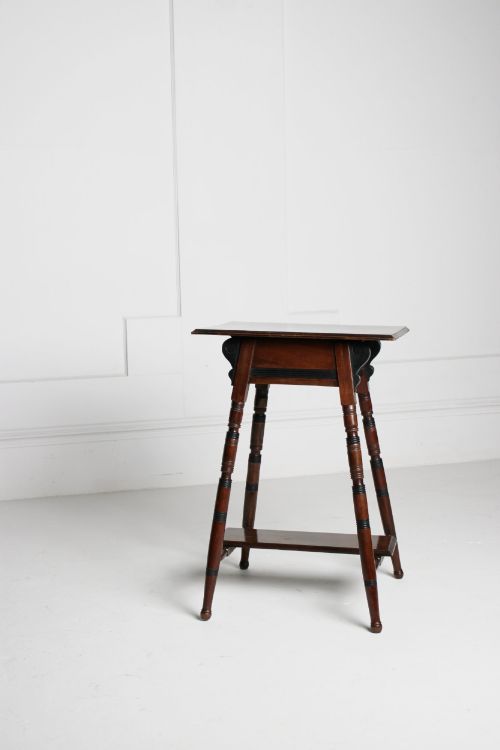
A tall wood urn stand serves to display heavy vessels, jardinières and lamps on sturdy columns or slender shafts. The items gathered under this heading span the nineteenth and early twentieth centuries, encompassing domestic English furniture alongside imported Oriental items.
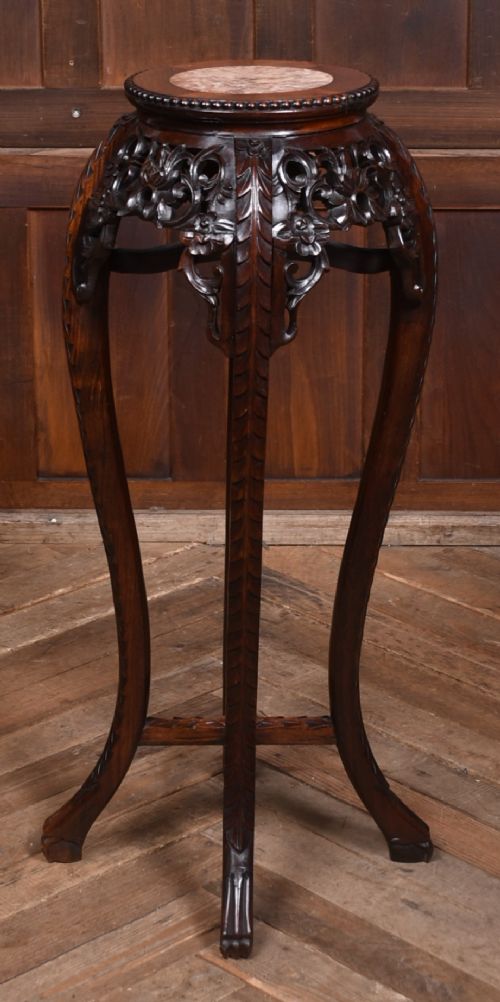
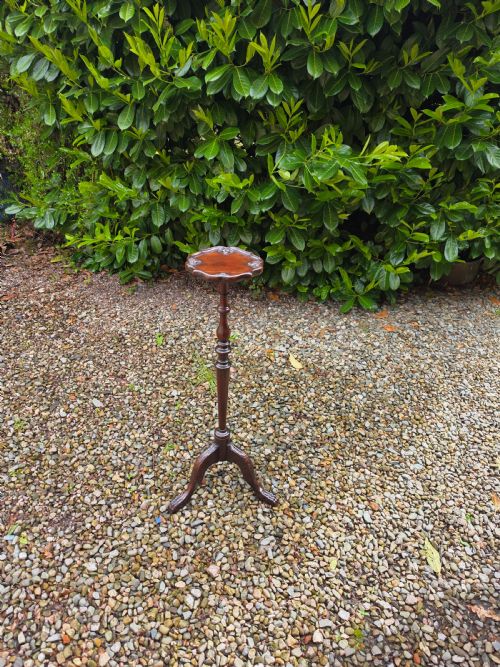
Buyers will most frequently encounter slender Edwardian mahogany torchères, heavier Victorian carved pedestals and low-slung Chinese hardwood vase stands featuring inset marble panels. These pieces cross paths with occasional tables, lamp tables and plant stands due to shared heights and surface dimensions.
English examples favour mahogany, walnut and ebonised woods, while Chinese export pieces utilise dense hardwoods such as huali. Many incorporate lower shelves or tripod bases to secure the tall profile against the weight of a heavy ceramic urn.
How they were made
Cabinetmakers constructed these supports primarily from solid mahogany, walnut and oriental hardwoods, often turning shafts on a lathe or carving columns by hand. Selected pieces integrate contrasting boxwood and satinwood inlay or brass fittings to accent the dark timber.
Stone inserts form a central part of construction for oriental examples, where heavy marble slabs drop directly into a recessed wooden frame to support damp ceramic planter bases. Joinery relies on tight tenons and stable tripod or plinth bases to prevent the tall structures from tipping.
Tall Wood Urn Stand Retail Price Guide 2026
Typical asking prices for tall wood urn stand among the pieces listed under this phrase on Sellingantiques today, from the lower quarter to the upper quarter. They describe what is for sale here now, not the wider market.
Listings feature woods including mahogany, walnut, oak, yew, ebonised timber and dense oriental hardwoods alongside inset marble.
What varies in quality
The distinction between standard utility items and finer examples rests upon the depth and crispness of carved detail on the knees and columns. Heavy Victorian pedestals and Chinese Qing Dynasty stands demonstrate superior workmanship through undercut carving and carefully selected timbers.
Structural integrity dictates everyday utility, as tall columns require precise balancing so that a heavy urn sits level without wobble. The quality of the timber grain and the precision of inlaid satinwood stringing further separate basic workshop items from bespoke London commissions.
Druce & Co London
The Tall Wood Urn Stand Glossary
- Torchère
- A tall, slender stand designed to hold a lamp, vase or urn. These pieces utilise elevated platforms to draw the eye upward in a room.
- Jardinière
- A decorative pot or stand intended for holding plants and floral arrangements. Many nineteenth-century stands bear this designation due to their primary function.
- Plinth
- A heavy rectangular or square base supporting a column or pedestal. This architectural element provides essential stability to tall furniture.
- Inlay
- A technique where contrasting woods or materials are set into the surface of a piece to create decorative patterns. Edwardian examples frequently display satinwood lines.
- Huali
- A fragrant, dense Chinese hardwood utilised for fine carved vase stands and furniture during the Qing Dynasty. The timber exhibits rich natural grain.
Tall Wood Urn Stand: Frequently Asked Questions
What fits on a tall wood urn stand?
These elevated surfaces accommodate heavy ceramic urns, bronze vessels, table lamps and trailing indoor plants. Their primary role is to lift decorative objects above standard table height to create focal points.
Buyers should measure the top platform diameter carefully to ensure the base of the intended urn sits securely within the perimeter without overhang.
How do I distinguish Edwardian from Victorian stands?
Victorian examples tend to feature heavier proportions, dense carved ornamentation and darker ebonised or mahogany finishes. Edwardian pieces often display lighter frames with satinwood inlay and more restrained decoration.
Examination of the timber and secondary woods underneath usually clarifies the period of manufacture.
Are Chinese stands compatible with English interiors?
Nineteenth-century Chinese hardwood stands integrate readily into diverse interiors by offering contrasting textures and architectural forms. The combination of dark wood and marble tops creates a neutral platform that complements antique and modern rooms alike.
Their sturdy construction ensures they support heavy decorative items securely in busy living spaces.
How do I keep a tall stand stable?
Placing the stand on an even floor surface prevents the slight wobble inherent in tall, narrow furniture. Heavier items should be centered precisely on the platform to maintain equilibrium across tripod or plinth bases.
Avoid positioning tall stands in high-traffic pathways where they might be accidentally knocked.