

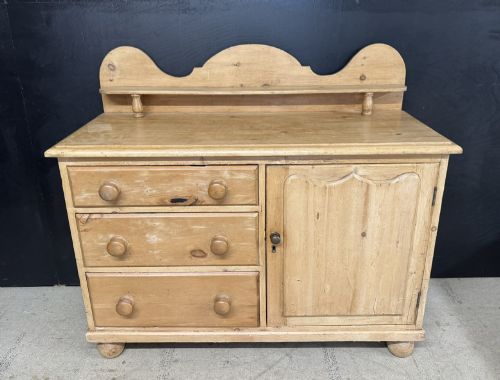
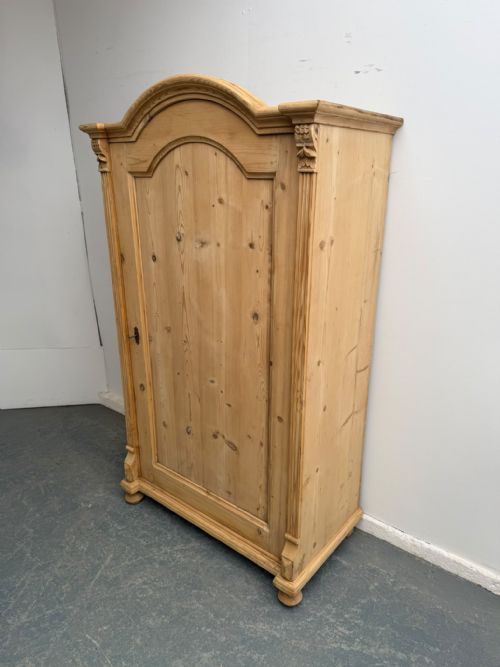
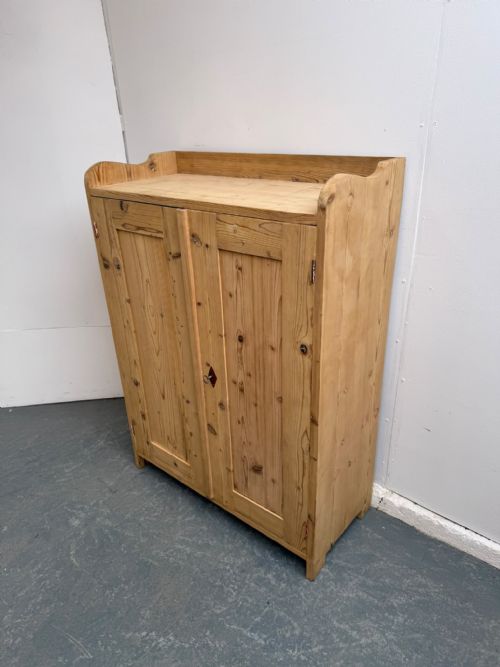
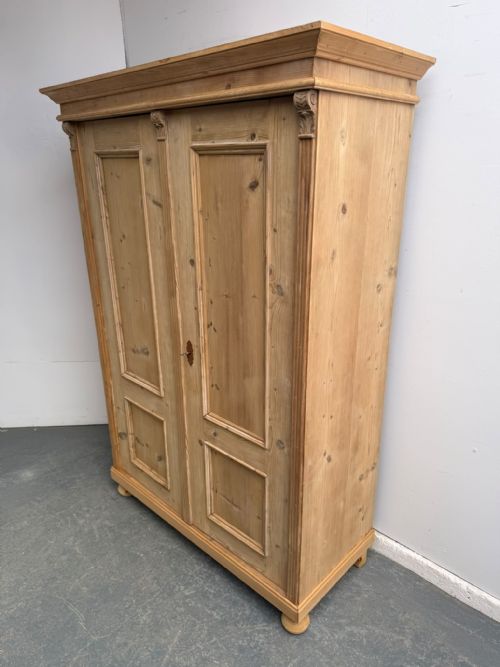

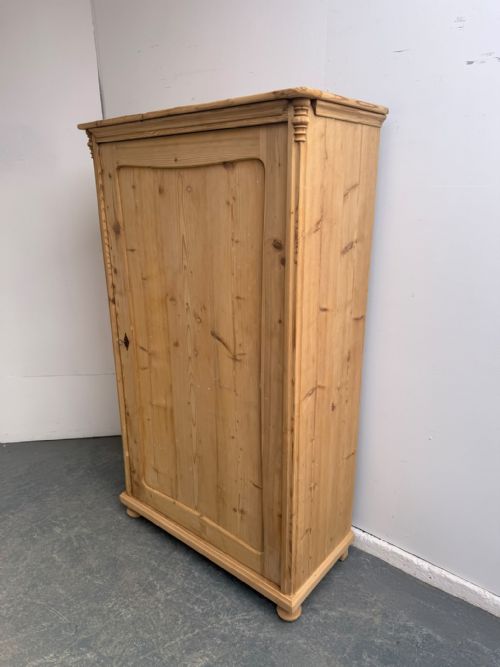
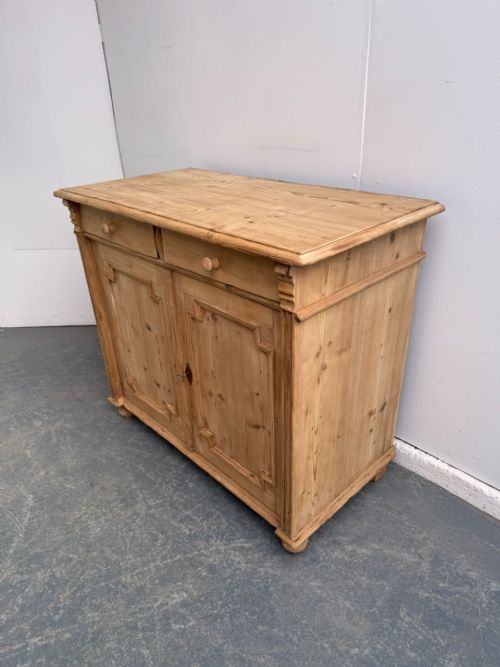
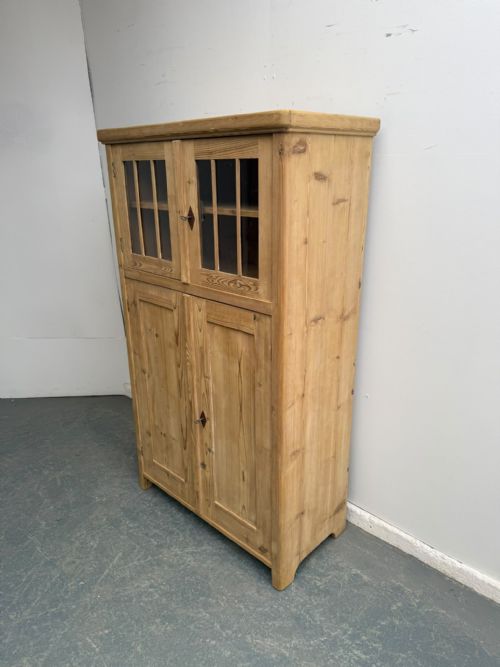
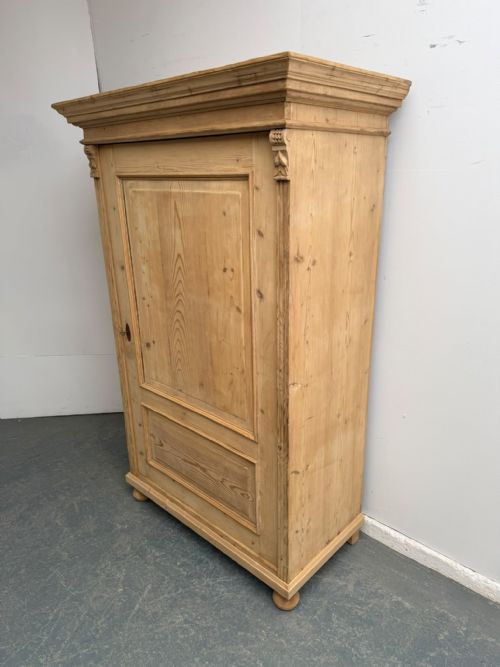


Stripped Pine Unit
These stripped pine unit examples bring robust utility and honest charm to a room, offering versatile storage shaped by decades of everyday use.
Stripped Pine Unit
A stripped pine unit spans various practical forms built for domestic storage, ranging from compact corner cabinets and chests of drawers to tall cupboards and kitchen dresser bases. When searching for a stripped pine unit, buyers frequently encounter Victorian examples that showcase straightforward construction and functional design.
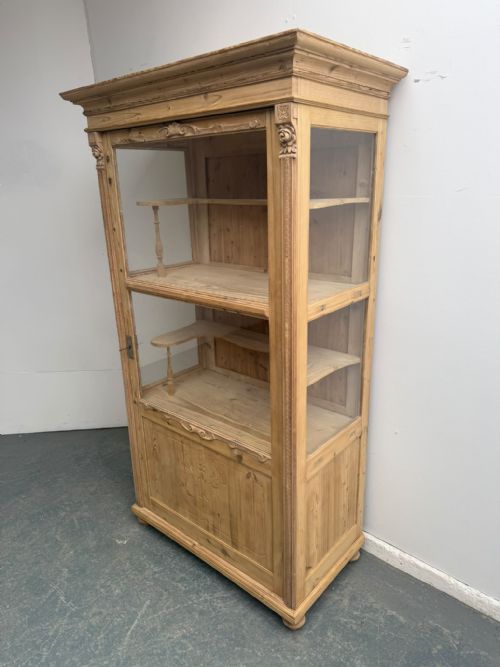
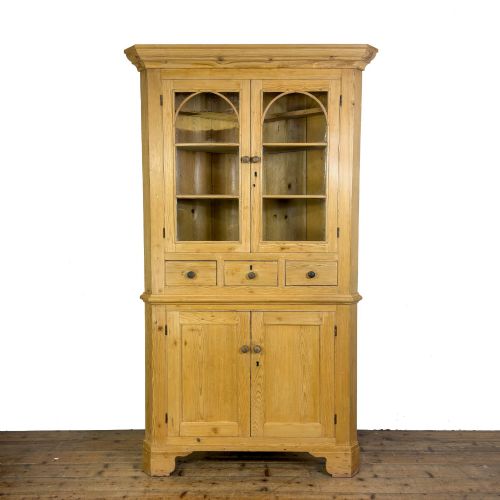
The selection includes pieces originating from the Georgian period up through the 1920s, reflecting utilitarian domestic needs over generations. Forms like glazed display cabinets and multi-door storage cupboards demonstrate how these items served utilitarian roles in past households.
Makers designed these items primarily for utility rather than display, utilising durable timber suited to heavy use in country and town homes alike. The resulting variety provides flexible storage solutions that fit seamlessly into modern interiors.
How they were made
Construction relies heavily on solid pine timbers, paired with functional hardware in iron and brass for hinges, pulls, and structural reinforcement. Many storage cupboards and dressers feature fielded panels and beaded details that add subtle definition to plain wooden surfaces.
Joinery methods prioritize sturdiness, utilising drawers and cabinet frames built to endure rigorous daily service. Glazed cabinets incorporate glass panes within wooden doors, while other units remain open to finishing with wax or paint.
Stripped Pine Unit Retail Price Guide 2026
Typical asking prices for stripped pine unit among the pieces listed under this phrase on Sellingantiques today, from the lower quarter to the upper quarter. They describe what is for sale here now, not the wider market.
At least one clever Victorian storage cupboard comes with drawers and actually partially dismantles.
What varies in quality
Quality differences emerge in the selection of the timber and the precision of the joinery, distinguishing straightforward utilitarian boxes from more carefully proportioned pieces. Superior examples display balanced proportions, clean drawer operation, and well-fitted doors that hang true.
The integrity of the original hardware and the condition of the pine surface also influence the overall character of a piece. Finer items retain structural soundness and thoughtful detailing, such as arched top sections or well-executed paneling.
The Stripped Pine Unit Glossary
- Fielded panel
- A raised wooden panel set within a frame, adding depth and structural stability to cabinet doors.
- Dresser base
- The lower section of a kitchen dresser featuring cupboards and drawers, commonly used as a sideboard.
- Glazed cabinet
- A storage unit featuring glass-fronted doors designed for displaying crockery or collections.
- Corner cabinet
- A specialised storage piece engineered to fit snugly into the corner of a room to maximise space.
Stripped Pine Unit: Frequently Asked Questions
How do I care for a pine surface?
Keep the timber nourished by applying a traditional beeswax finish periodically to maintain the lustre and protect the wood.
Avoid placing the furniture in direct sunlight or near excessive heat sources to prevent timber movement and splitting.
Can these cupboards be painted?
Many examples are suited to waxing or painting depending on your interior design preferences and personal taste.
Preparation involves cleaning the pine thoroughly and applying a suitable primer if switching from a waxed surface to modern paint.
Are these units suitable for small rooms?
Corner cabinets and smaller cupboards provide ample storage without dominating floor space in compact areas.
Measuring the intended room carefully ensures the selected furniture fits comfortably alongside existing layouts.
What period do most pieces date from?
The majority of items originate from the Victorian era, alongside examples from the Georgian period and the 1920s.
Construction details and hardware styles typically indicate the specific era of manufacture.