
Sterling Silver Vanity
Sterling silver vanity pieces encompass dressing table accessories and boxes forged from precious metal across Victorian, Edwardian and Art Deco eras.
Sterling Silver Vanity
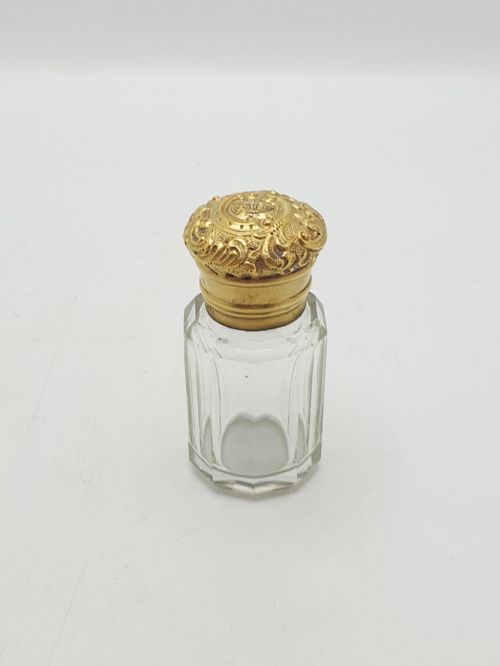
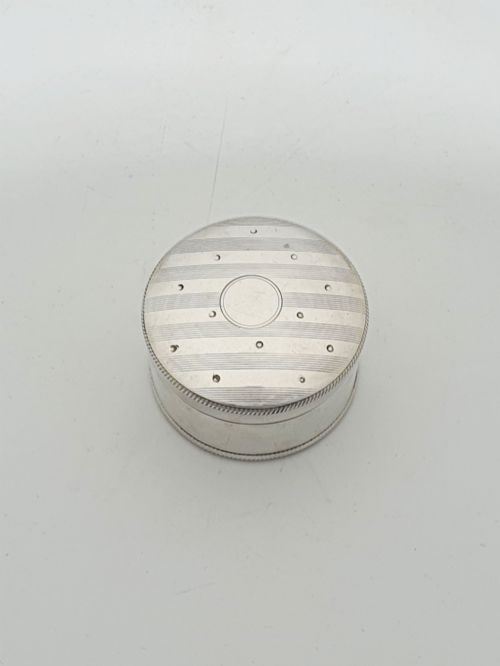
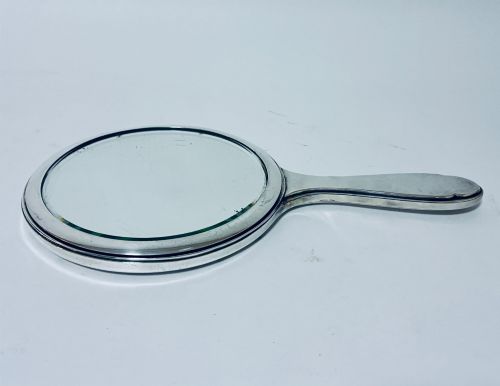
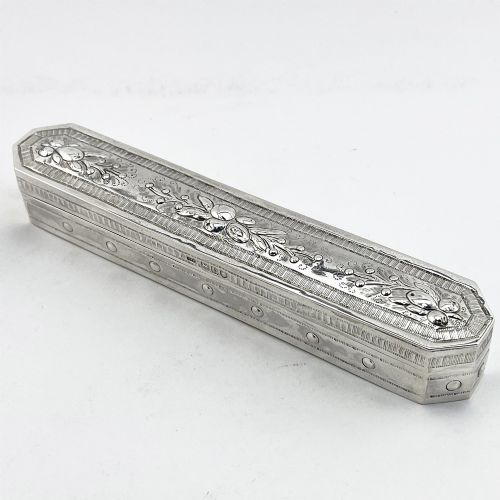
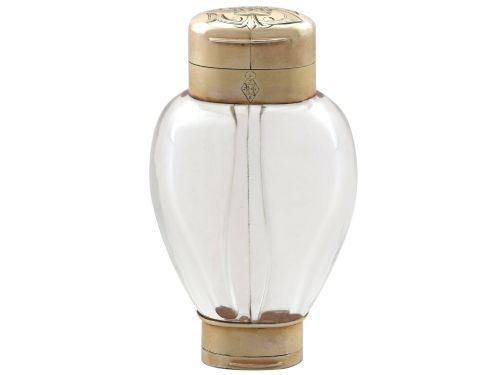
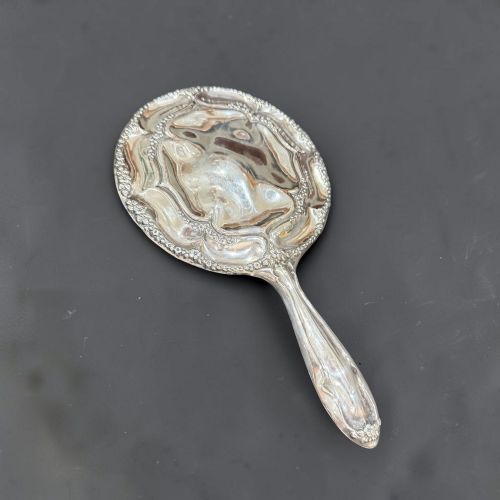
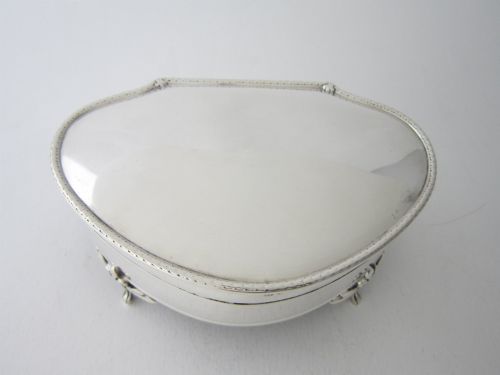
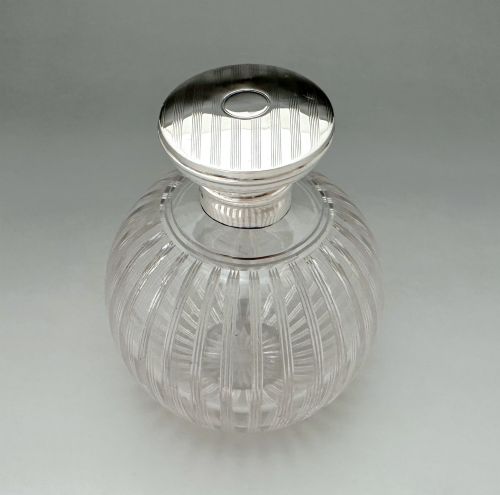
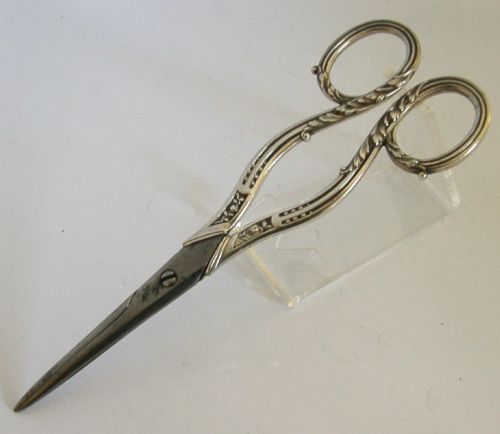
Sterling silver vanity items comprise dressing table essentials designed for personal grooming and the safekeeping of trinkets. The category includes scent bottles, powder jars, hand mirrors, button hooks and pill boxes.
Pieces span the Victorian and Edwardian periods through to the Art Deco era, alongside later twentieth-century studio glass creations. Makers ranged from prominent retailers like Asprey and Mappin and Webb to specialised silversmiths.
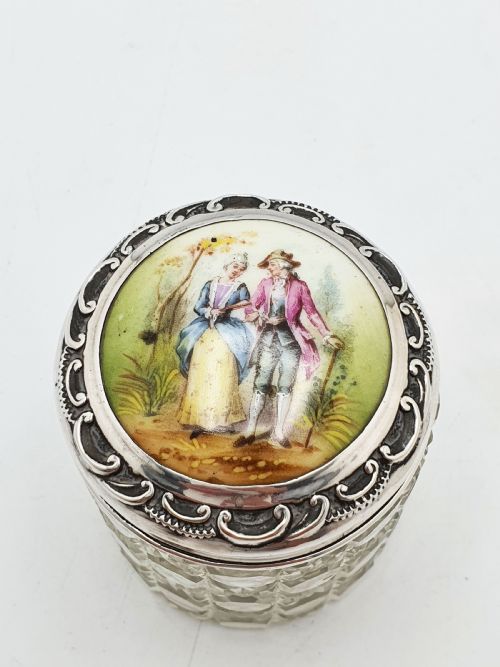
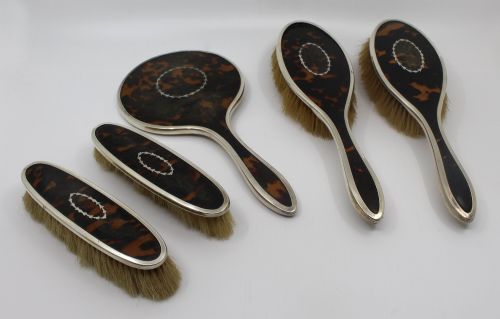
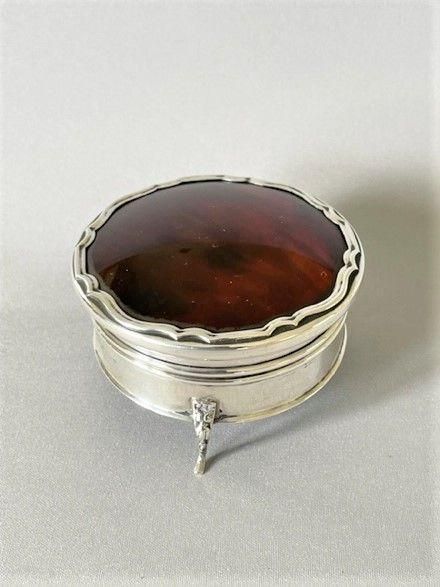
Trinket boxes and vanity jars dominate the selection, frequently paired with glass, enamel or tortoiseshell components. These objects reflect the elaborate dressing routines of past generations.
How They Were Made
Silversmiths shaped sterling silver mounts, lids and frames using techniques such as repousse decoration, piercing and hand engraving. Metal components were frequently hallmarked to designate assay office, purity and date.
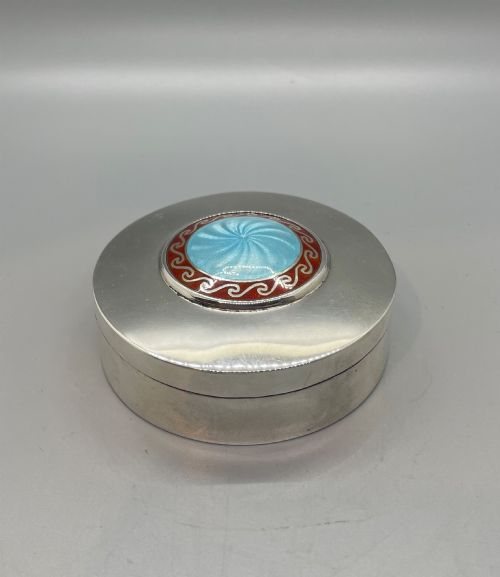
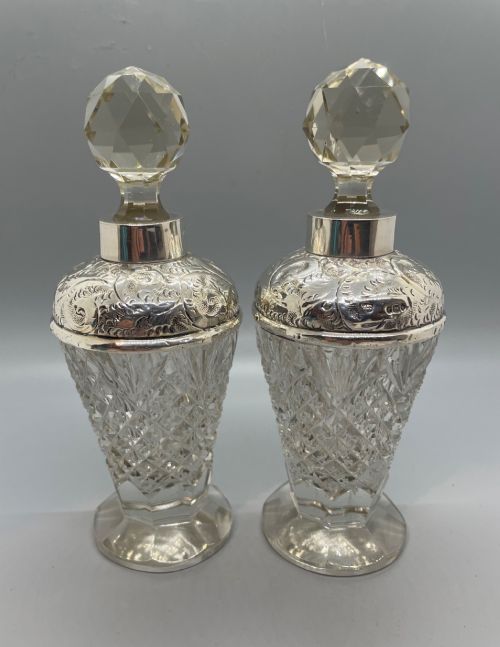
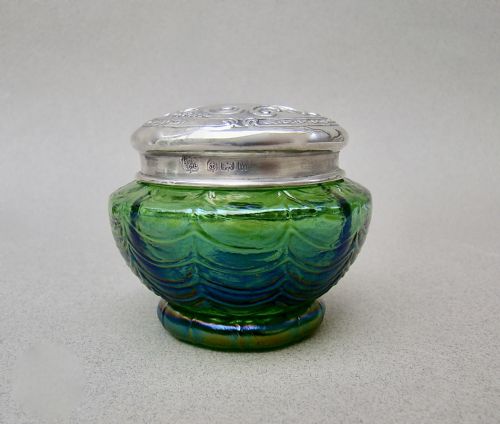
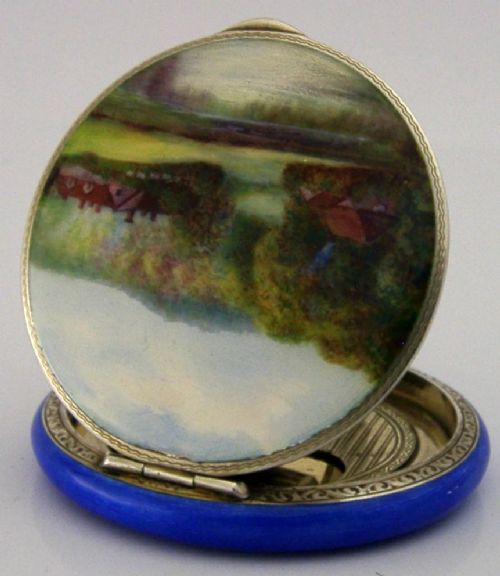
Glass bodies were blown, cut or moulded, then fitted with matching silver collars and lids. Enamel work, particularly guilloche, was applied to metal surfaces to add colour and patterned texture.
Look closely for the unexpected teddy bear button hook waiting among the dressing table mirrors and scent bottles.
What Varies in Quality
Quality rests upon the crispness of repousse relief work, the weight of the silver and the precision of the hinge and lid closure. Finer examples retain intact enamel without chipping and possess clear, unrubbed hallmarks.
The integration of materials dictates distinction, visible in the clarity of cut glass, the depth of tortoiseshell piqué work, and the hand-painted execution of enamel scenes or floral motifs.
A. J. Pepper & Co·Horton & Allday·Henry Clifford Davis·Goldsmiths and Silversmiths Company·A. Bromet & Co·Mappin & Webb·Gorham·Henry Williamson·Asprey & Co·Thomas Johnson·Walker & Hall
The Sterling Silver Vanity Glossary
- Guilloche
- An intricate decorative technique where a precise, repetitive pattern or design is mechanically etched into an underlying metal surface. Translucent enamel is often layered over this engraving.
- Repousse
- A metalworking method in which the smith hammers the silver from the reverse side to form a raised design in relief. Detail is then refined from the front.
- Hallmark
- An official stamp applied by an assay office to indicate the metal's standard of purity, the maker and the year of manufacture.
- Hair Tidy
- A small container used on dressing tables to hold loose hair collected from brushes. These typically feature a sterling silver lid atop a glass or ceramic body.
Sterling Silver Vanity: Frequently Asked Questions
What is a sterling silver vanity jar?
A vanity jar is a small container designed to sit on a dressing table to hold powders, creams or pins. They typically feature a glass or ceramic base fitted with a hallmarked sterling silver lid.
These vessels date predominantly from the Victorian, Edwardian and Art Deco periods. Their lids frequently display decorative techniques including enamel, repousse work or inlaid tortoiseshell.
Were these items used daily?
Dressing table sets were staple items for personal grooming throughout the nineteenth and early twentieth centuries. They formed part of an organised suite of matching accessories used for daily hair care, cosmetics and jewellery storage.
Wealthier households accumulated extensive matching services housed in fitted leather cases. Today, these objects transition easily into modern interiors for contemporary storage and display.
What materials accompany the silver?
Sterling silver vanity pieces frequently incorporate cut glass, pressed glass or coloured glass bodies. Lids and mounts were often embellished with enamel, mother of pearl or faux and natural tortoiseshell.
Interior linings commonly utilised velvet, satin or silk to protect delicate contents such as jewellery and trinkets. Each combination reflects the prevailing design preferences of its manufacturing era.