





Spanish Fine Art
These spanish fine art pieces capture centuries of Iberian portraiture, religious devotion and sunlit landscape tradition.
Spanish Fine Art
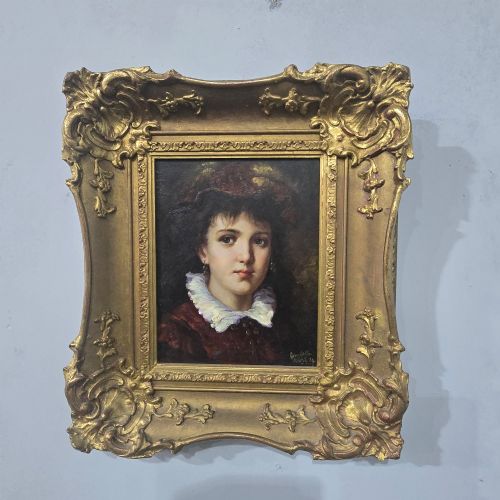
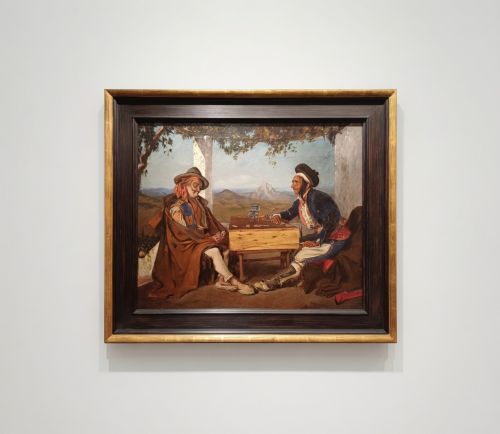
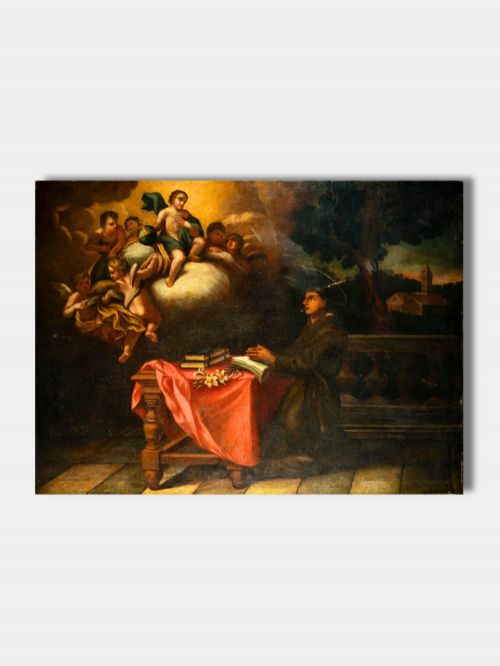
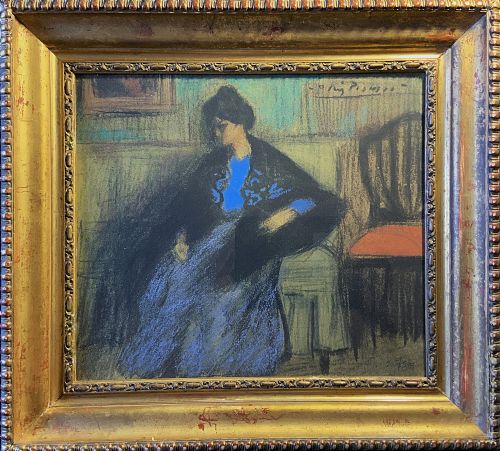
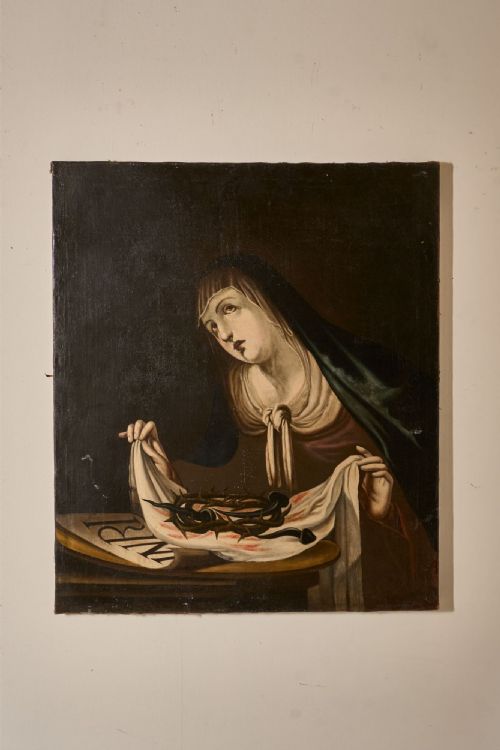
When searching for spanish fine art, buyers encounter oil paintings, watercolours and framed artwork spanning from the eighteenth century through to modernism. The primary forms include religious subjects, genre portraits and garden landscapes associated with the Spanish School.
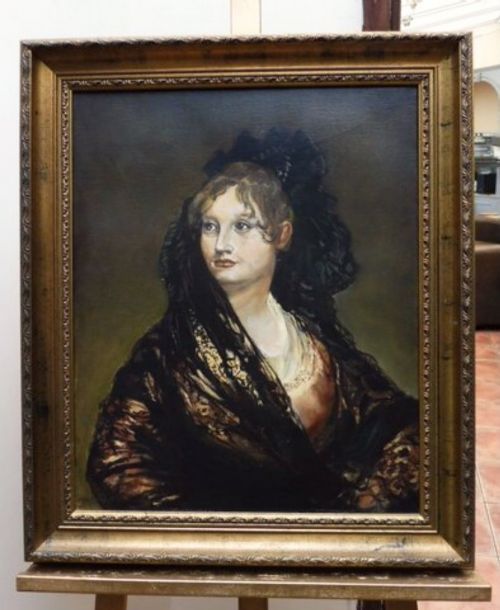
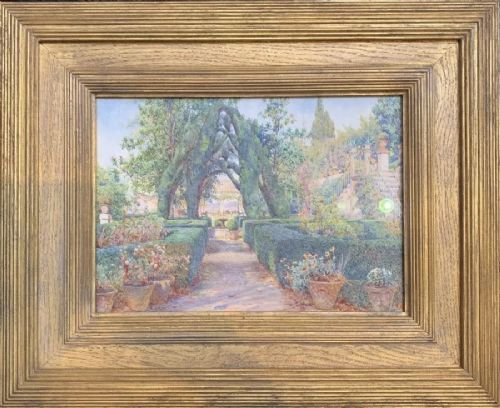
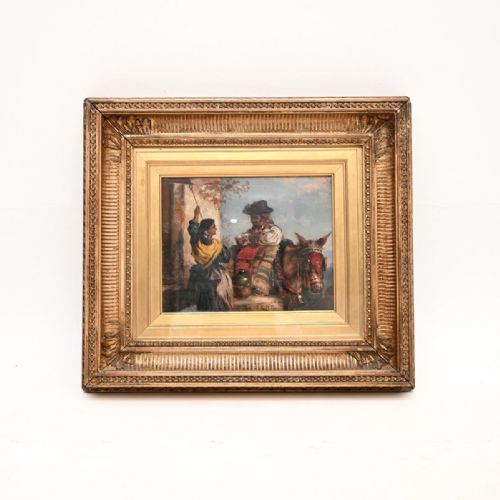
Origin points stretch from Andalucian scenes and Granada gardens to depictions created in broader European art centres. Buyers frequently meet portraits of ladies and riders that reflect historical regional attire and local character.
Materials and Technique
Painters relied upon canvas, wood and paper as the foundational supports for oil and watercolour compositions. Canvases received layers of oil pigment to build depth in portraits and narrative scenes.
Giltwood and gold leaf frequently frame these works, providing ornate borders that complement the traditional subjects. Watercolours on paper capture lighter landscape studies with transparent washes.
Techniques span from careful academic portraiture after classical masters to expressive modernism and lithographic printmaking. Artists employed mixed brushwork to render fabrics, foliage and facial expressions distinctly.
Spanish Fine Art Retail Price Guide 2026
Typical asking prices for spanish fine art among the pieces listed under this phrase on Sellingantiques today, from the lower quarter to the upper quarter. They describe what is for sale here now, not the wider market.
The listings feature oil, watercolour and lithograph works across Spanish Baroque, Romanticism, and Modernism styles.
Quality Variations
The distinction between standard decorative works and superior pieces rests in the handling of light, anatomy and psychological depth. Masterful brushwork achieves natural textures in skin and fabric that lesser works miss.
Original framing and period materials elevate the historical integrity of a canvas or watercolour. Condition of the painted surface, including stability of the pigment and canvas tension, determines the longevity of the artwork.
Francisco Jose de Goya y Lucientes·Jonny Gaston·Ernest Arthur Rowe·Thomas Kent Pelham·August Heinrich Riedell·Bartolome Murillo·Ettore Ascenzi·Antonio Ribas Y Oliver
The Spanish Fine Art Glossary
- Oil on Canvas
- Pigments bound in a drying oil applied to stretched woven fabric. This medium allows for rich colour blending and textured impasto work.
- Giltwood
- Wood carved and then coated with a thin layer of gold leaf or metallic powder. It provides traditional ornamentation for antique frames.
- Lithograph
- A print made from a flat stone or metal plate treated to retain ink in designated image areas. It enables multiple impressions of an artist's linear work.
- Pochoir
- A stencil-based printing method used to apply vibrant hand-coloured details to prints. It produces crisp edges and flat planes of saturated colour.
- Spanish School
- A classification for artists trained in Spain or working within established Iberian aesthetic traditions. It encompasses distinct regional techniques across successive centuries.
Spanish Fine Art: Frequently Asked Questions
What subjects appear in spanish fine art?
The works encompass religious iconography, genre portraits of local figures and sunlit Andalucian landscapes. Religious canvases often depict saints and biblical narratives.
Secular pieces focus on riders, botanical gardens and traditional female portraits reflecting regional dress.
How do I care for antique oil paintings?
Keep canvases away from direct sunlight and dramatic fluctuations in indoor temperature and humidity. Stable conditions prevent the paint layer from cracking.
Dust the surface gently with a soft dry brush and avoid chemical cleaning agents on the pigment.
What periods are represented here?
The listings span from mid-seventeenth century compositions through Victorian and Edwardian periods up to mid-twentieth century modernism. Eighteenth and nineteenth-century works form a significant portion of the painted selections.
Later pieces include twentieth-century prints and mid-century oil studies.
Are these works original or reproductions?
The selection includes original period oils, watercolours and authenticated twentieth-century lithographs. Some pieces are noted as period studies after earlier masters like Goya and Murillo.
Each listing specifies the primary medium and the approximate era of execution.