




Solid Wood Stool
These solid wood stool selections bring honest construction and timber grain into a room, offering functional seating or surfaces rooted in period craftsmanship.
Solid Wood Stool
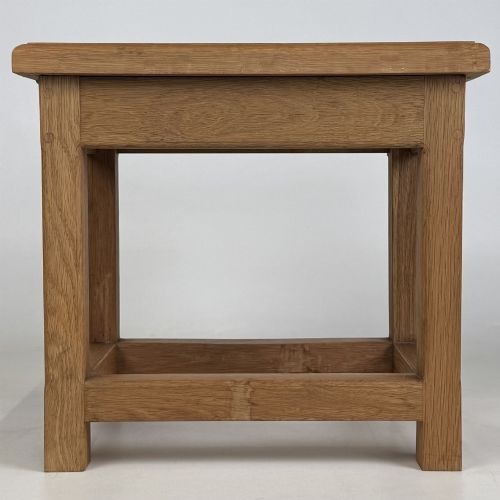
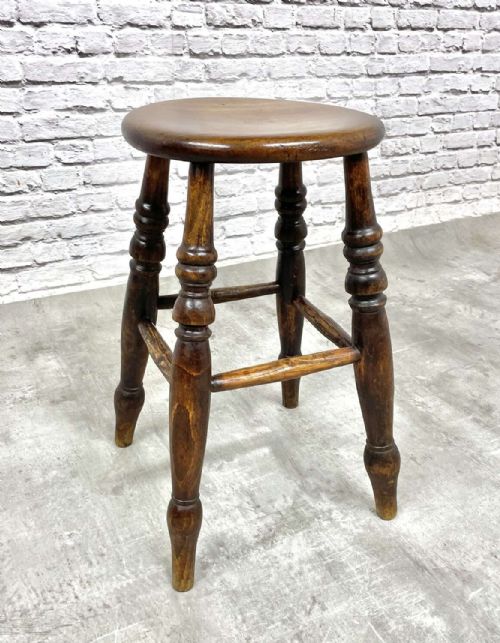
A solid wood stool serves as a seating option or small surface, appearing across forms such as joint stools, Windsor stools, and live edge designs. These pieces span the nineteenth century through the early twentieth century, encompassing styles from English Country and Arts and Crafts to Rustic Folk Art.
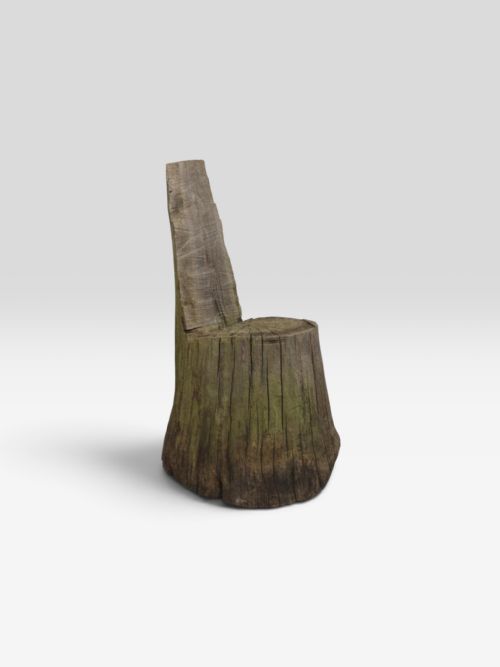
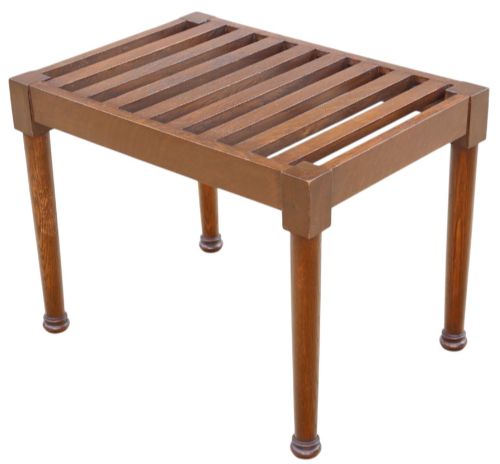
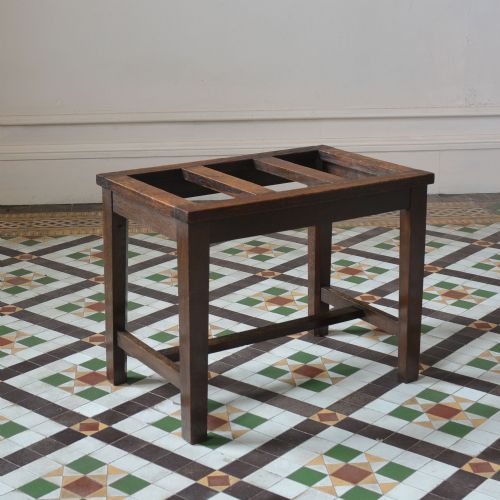
The most common versions met on this page are oak joint stools and nineteenth-century Windsor stools, alongside rustic elm and yewtree variants. Makers utilised timbers like mahogany and hardwood to shape varied objects, including side tables and luggage racks that share the solid timber construction.
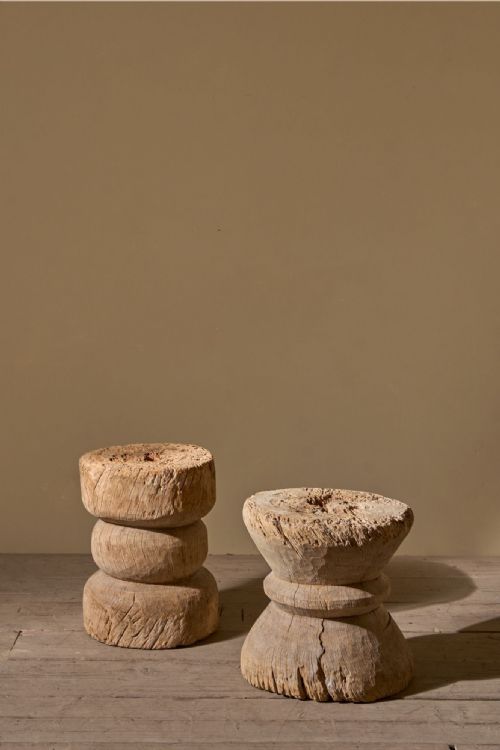
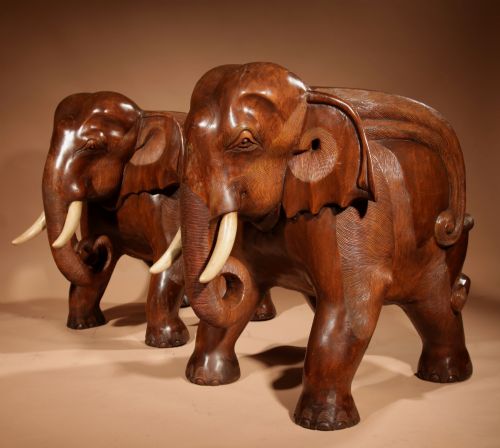
The origins stretch from British vernacular pieces to French blocks and African tribal carvings, reflecting diverse regional woodworking traditions. Each object demonstrates how solid timber was shaped for daily utility, whether through turned legs, carved seats, or straightforward jointed frames.
Materials and construction methods
Construction relies heavily on native hardwoods such as oak, elm, yewtree, and mahogany, chosen for their density and grain pattern. Joinery methods connect solid timber and planks without relying on complex machinery, utilising traditional techniques suitable for heavy use.
Makers shaped live edge slices and tree trunks directly into rustic seating, while others turned legs on a lathe for Windsor and joint stool formats. Occasional details incorporate contrasting materials like bone to add decoration to the structural wood.
One listed French game block starts as a solid slice of an oak tree trunk, bringing the forest directly indoors.
Distinctions in craftsmanship
Quality separates pieces through the selection of timber, where tightly grained oak or figured elm commands attention over plain utility wood. The integrity of the joinery and the balance of the frame determine whether a piece remains solid through generations of use.
The distinction also lies in the execution of stylistic details, such as hand-carved elements in Arts and Crafts pieces or the careful proportioning of turned legs on a Windsor stool. Pieces that retain their original timber surface and structure without inappropriate timber replacement sit at the higher end of the range.
The Solid Wood Stool Glossary
- Joint stool
- A traditional low seat constructed with mortise and tenon joints pegged together with wooden pins. These sturdy oak pieces date back centuries and served various household tasks.
- Windsor stool
- A seat featuring turned legs and spindles socketed directly into a solid sculpted wooden seat. This construction method provides notable strength and ergonomic comfort.
- Live edge
- A furniture design style that incorporates the natural outer edge of the tree into the finished piece. It preserves the organic contours of the timber slice.
- Yewtree
- A dense, highly figured wood prized by traditional makers for its rich colour and durability. It frequently appears in quality country-made vernacular furniture.
- Luggage stand
- A low rack designed for holding travel bags, built with folding or fixed wooden frames often matching the construction of period stools.
Solid Wood Stool: Frequently Asked Questions
What is a joint stool?
A joint stool is an early form of wooden seating constructed using pegged mortise and tenon joinery rather than glued joints.
These sturdy pieces were built to withstand heavy daily use in domestic settings and often doubled as small tables.
How do I care for solid timber?
Solid wood furniture requires minimal maintenance, typically benefiting from occasional application of natural wax to nourish the grain.
Keep these pieces away from direct heat sources and sudden humidity changes to prevent the timber from splitting.
What defines Arts and Crafts style?
The Arts and Crafts movement emphasised visible hand craftsmanship, honest construction methods, and the natural beauty of materials.
Pieces from this style avoid excessive ornamentation in favour of simple, functional forms that highlight the quality of the oak or hardwood.
Are rustic stools comfortable?
Many rustic stools feature seats sculpted into a concave shape to fit the body despite lacking upholstery.
Their primary design was utilitarian, yet the ergonomic shaping of woods like elm provides a surprisingly supportive seat.