

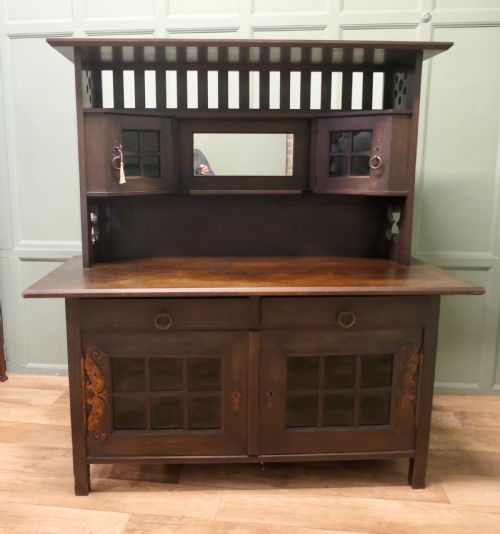
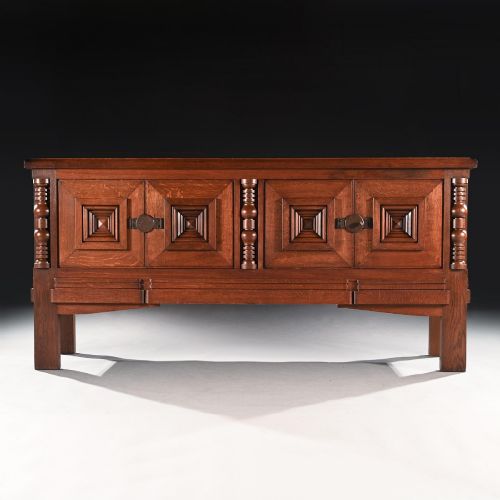


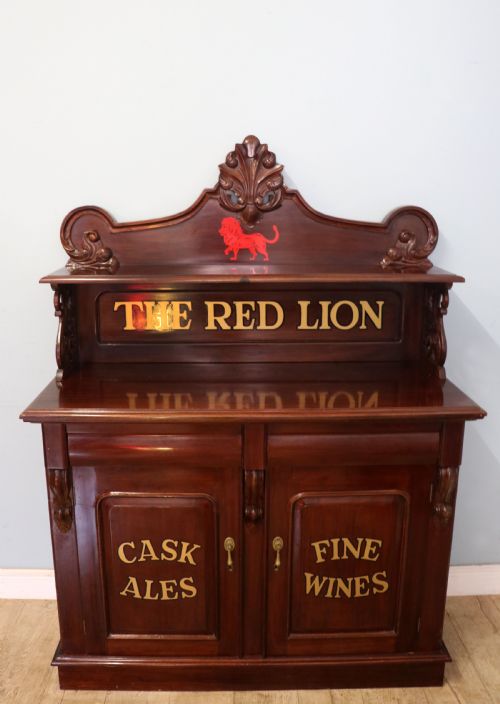

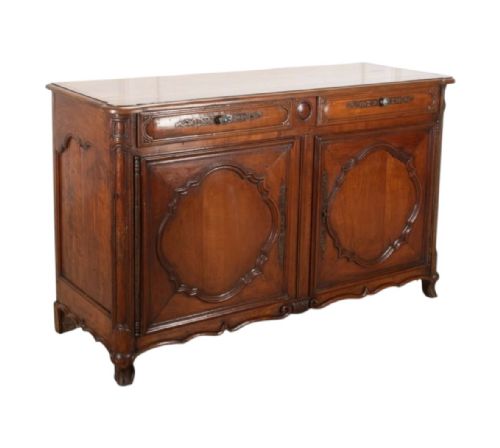
Solid Wood Credenza
These solid wood credenza pieces are heavy timber storage items built to last generations, offering practical room organisation with genuine period character.
Solid Wood Credenza
When you search for a solid wood credenza, you encounter sturdy timber sideboards, side cabinets, buffets, dressers, and chiffoniers originating from various historic periods. The selection on this page leans heavily towards substantial oak examples from the late nineteenth century and the early twentieth century.
The assortment reflects diverse stylistic revivals, ranging from Jacobean and French Renaissance to Arts and Crafts movements. Each form brings a specific regional cabinetry tradition into the modern interior, utilising robust construction methods suited to daily domestic service.
How they were made
The construction relies heavily on solid oak, solid cherry wood, and solid mahogany, providing a dense and heavy structural carcass. Cabinetmakers joined these thick timbers using traditional joinery methods that accommodated natural wood movement over decades of use.
Decoration was achieved through deep hand carving, including motifs such as the green man, panel moulding, and applied architectural details. Metalwork fixtures in brass and iron added functional strength and visual contrast to the dark timber surfaces.
Solid Wood Credenza Retail Price Guide 2026
Typical asking prices for solid wood credenza among the pieces listed under this phrase on Sellingantiques today, from the lower quarter to the upper quarter. They describe what is for sale here now, not the wider market.
French provincial workshops and English Arts and Crafts studios represent the primary geographic origins found across the current inventory.
What varies in quality
Quality rests in the selection of the timber and the depth of the cabinetmaker's skill evident in the carving and joinery. Superior pieces display thoughtful grain matching and well-executed decorative details that integrate seamlessly into the overall structure.
The integrity of the original hardware, such as brass hinges and iron handles, distinguishes standard utility pieces from finer designated workshop commissions. Proportion and scale also dictate quality, with smaller or particularly balanced sideboard proportions commanding greater attention.
Leonard Wyburd·Liberty and Co·Charles Dudouyt
The Solid Wood Credenza Glossary
- Credenza
- A sideboard or buffet cabinet traditionally used for storing and serving food. This form evolved from a simple side table into an enclosed cabinet with doors and drawers.
- Chiffonier
- A compact sideboard or low cabinet featuring cupboards and drawers, popular during the Victorian era. It often includes a raised superstructure with small shelves.
- Buffet
- A dining room piece designed for holding dishes and food during meals. These items typically feature deep lower cupboards and a broad top surface.
- Arts and Crafts
- A design movement emphasising handcraftsmanship, simple forms, and traditional medieval construction. Pieces from this style frequently highlight the natural grain of the oak timber.
- Jacobean Revival
- A nineteenth and early twentieth century style copying seventeenth century English furniture. These heavy oak items are characterised by geometric moulding, carved panels, and barley twist supports.
Solid Wood Credenza: Frequently Asked Questions
Where did people use these sideboards?
These heavy timber cabinets served primarily in dining rooms and large hallways to store heavy ceramics, silver, and table linen. They functioned as preparation and serving stations during large household meals.
Over time, owners adapted them for general domestic storage in living spaces and studies, utilising their deep cupboards and wide top surfaces for everyday organisation.
How do I identify Arts and Crafts pieces?
Arts and Crafts pieces display honest construction methods with visible joinery and minimal surface decoration. They rely on the natural grain of solid oak and heavy brass hardware.
Designers of this movement rejected mass production, resulting in sturdy items that celebrate the physical labour of the individual cabinetmaker.
What is the difference between cherry and oak?
Oak is a heavy, open grained timber that takes dark stains well and provides exceptional structural rigidity. It dominates English vernacular and revival furniture.
Cherry wood offers a smoother, finer grain with warm reddish tones that darken gently over centuries. French cabinetmakers favored cherry for provincial buffets and cabinets.
How do I care for solid wood furniture?
Solid timber pieces require stable indoor humidity levels to prevent the natural wood from splitting or warping. Regular dusting and occasional waxing help preserve the historic finish of the oak or cherry.
Keep these heavy items away from direct heat sources and strong sunlight to protect the colour and integrity of the timber surfaces.