


Solid Wood Chest
A solid wood chest offers utilitarian storage built from enduring timbers, bringing historic craftsmanship and practical depth into daily domestic life.

Solid Wood Chest
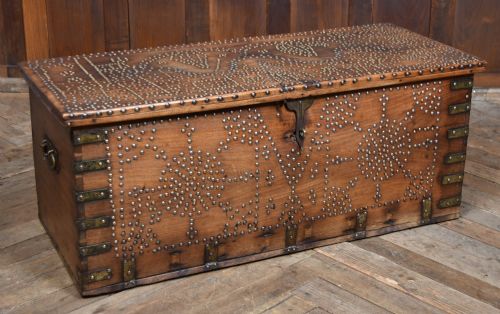
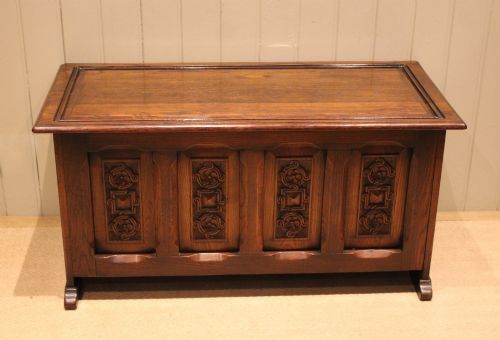
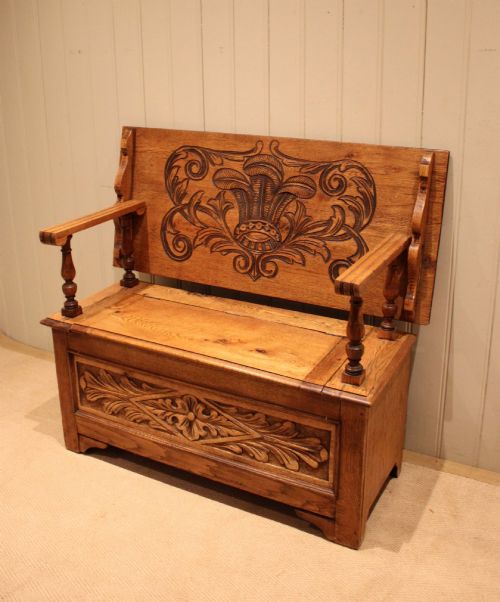
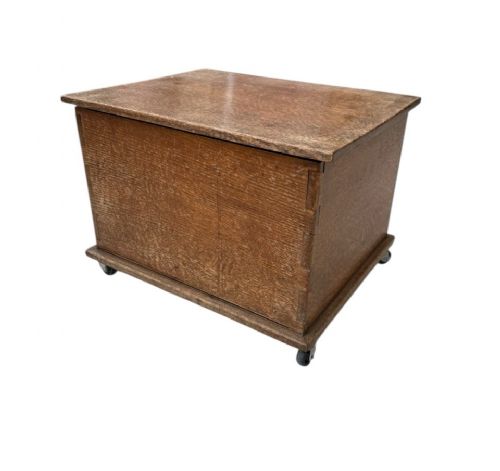
A solid wood chest represents a diverse group of storage furniture spanning centuries of domestic and utilitarian use, ranging from simple blanket boxes to complex campaign furniture. Buyers exploring this page will encounter pieces built for travel, trade, and household storage, with oak and camphor wood appearing frequently across various forms.
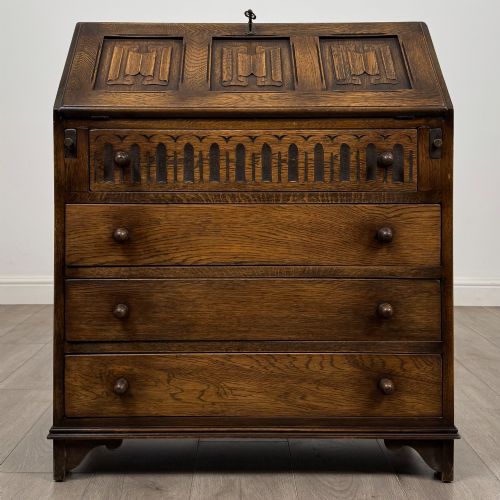
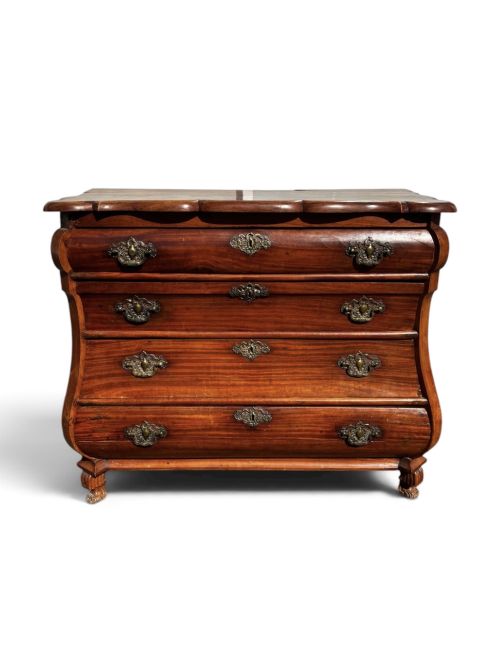
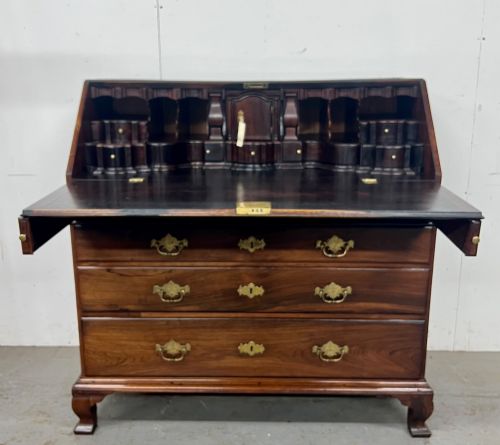
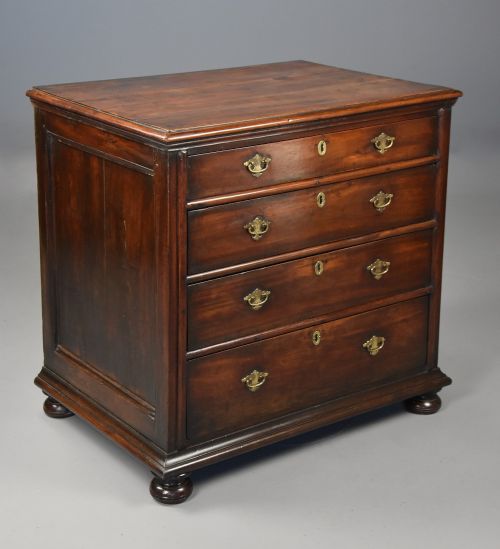
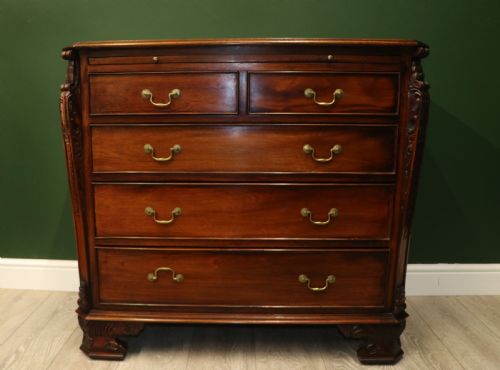
The selection extends from early seventeenth-century oak coffers to nineteenth-century campaign chests and twentieth-century utilitarian trunks. Drawer chests, blanket boxes, andbureaux demonstrate the range of functional forms available within this category.
Origins vary widely across the inventory, including English, Dutch Colonial, Anglo-Chinese, and Portuguese pieces. This international reach brings diverse regional timbers and construction methods together under the single heading of solid wood chest.
Materials and Construction
Makers utilised a variety of dense hardwoods and local timbers, selecting oak, mahogany, camphor wood, satinwood, and fruitwood for their structural resilience and distinct grain patterns. Iron and brass hardware frequently reinforced corners and provided lifting handles on travel pieces.
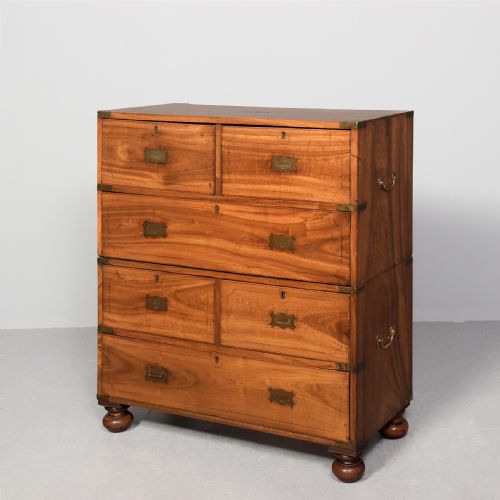
Joinery methods adapted to the intended function of the piece, employing panelled construction for coffers and dovetailed joints for drawers. Campaign trunks incorporated brass binding and sectional design to withstand frequent transport.
Listings feature oak, camphor wood, satinwood, and mahogany across centuries ranging from the seventeenth to the twentieth.
Factors of Quality
Quality rests upon the selection of timber and the precision of the underlying joinery, where tightly fitted dovetails and well-chosen grain figure distinguish superior examples. The retention of original brass hardware and working locks contributes significantly to a piece's integrity.
The depth of colour and the condition of the surface finish dictate visual success, particularly on timbers like fruitwood and oak that develop a rich patina over centuries. Structural stability and the absence of inappropriate timber replacements separate well-preserved examples from heavily altered pieces.
Brady of Edmonton·Edward Barnsley
The Solid Wood Chest Glossary
- Campaign chest
- A portable set of drawers or a trunk made in sections with inset brass handles, designed for military officers on the move. These pieces separate into distinct parts for ease of transport.
- Coffer
- A heavy wooden box with a lid, traditionally used for storing valuables or household goods before fitted wardrobes became common. Early examples often display carved panels on the front.
- Baton
- A strip of wood fixed across a panel or lid to prevent warping. This reinforcement method appears frequently on large timber surfaces.
- Bombe
- A piece of furniture featuring convex, bulging curves on the front and sides. This form requires skilled shaping of solid timber.
- Mule chest
- A traditional storage chest featuring one or more drawers at the base beneath the main compartment. It bridges the design gap between the simple coffer and the chest of drawers.
Solid Wood Chest: Frequently Asked Questions
How do I date a solid wood chest?
Dating relies upon examining the construction techniques, tool marks, and hardware associated with specific periods. Hand-cut dovetails, timber species, and original locks offer reliable clues to the era of manufacture.
Stylistic motifs such as linenfold carving or Arts and Crafts paneling further help narrow the decade or century of origin when compared against documented examples.
What is a campaign chest?
A campaign chest is a portable piece of furniture built in two or more stackable sections with recessed brass handles and corner brackets. Officers in the British military used these trunks during nineteenth-century campaigns.
The sturdy design protected the timber edges during transport and allowed easy handling on long journeys across colonies.
How do I care for camphor wood?
Camphor wood requires minimal maintenance, benefiting from occasional dusting with a dry cloth and protection from direct sunlight. The natural oils in the timber help repel insects and maintain the wood's condition.
Avoid placing these chests near heat sources, which can cause the dense wood to dry out and split over time.
Where were colonial chests made?
Colonial chests were produced in regions influenced by European trade and settlement, including Dutch and British outposts in Asia and South America. Local craftsmen utilised regional timbers such as padouk, satinwood, and camphor wood.
These pieces combined European furniture forms with exotic woods and specialised brass hardware suited for maritime transport.