



Solid Brass Lighting
Solid brass lighting brings weight and lasting metalwork to a room, offering functional illumination through centuries of traditional forms.
Solid Brass Lighting
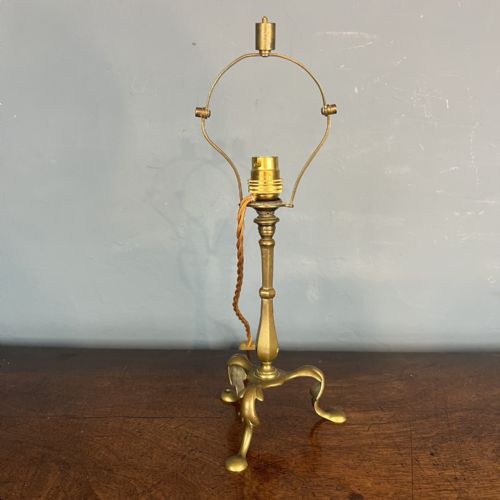
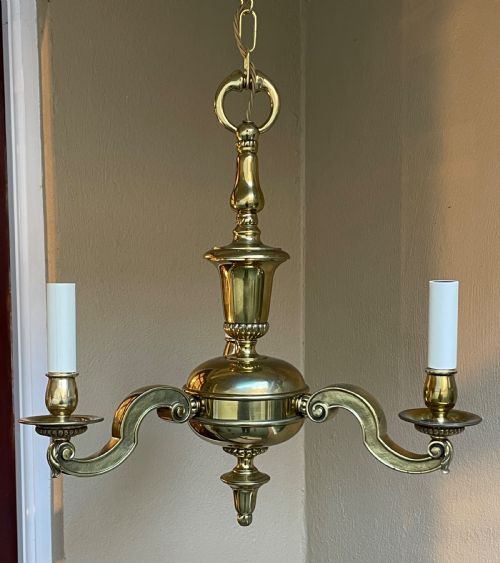
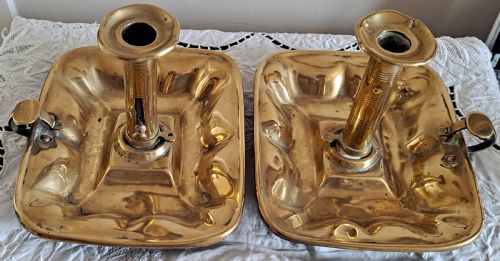
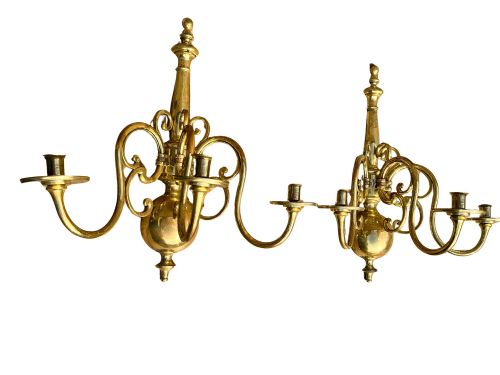
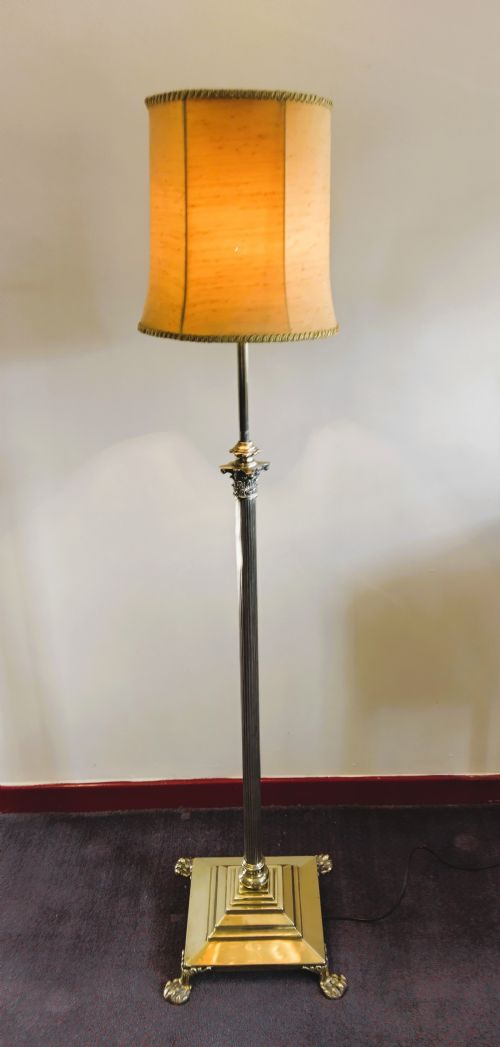
Solid brass lighting spans multiple practical forms designed for domestic use, ranging from simple chambersticks and tall floor lamps to multi-branch chandeliers. Buyers searching for solid brass lighting will frequently encounter table lamps, wall brackets, and upright candlesticks dating from the Victorian and Edwardian eras.
The selection includes specific architectural pieces such as Corinthian and ionic column lamps, alongside utilitarian items like Pullman lamps and adjustable desk lamps. These objects originate from British, Dutch, and Flemish workshops spanning the eighteenth, nineteenth, and early twentieth centuries.
Materials and Technique
The objects are constructed predominantly from cast and solid brass, occasionally supplemented by solid bronze, bell brass, and combinations with oak or fabric elements. Metal components are cast in moulds and finished with hand-turned details, whilst structural joints rely on threaded fittings or secure fixings.
Surface finishes result from traditional polishing and patination processes applied to the raw metal. Electrical components found in later table and floor lamps represent subsequent adaptations fitted to older metal bodies.
Solid Brass Lighting Retail Price Guide 2026
Typical asking prices for solid brass lighting among the pieces listed under this phrase on Sellingantiques today, from the lower quarter to the upper quarter. They describe what is for sale here now, not the wider market.
Listings feature items from the Victorian, Edwardian, and Georgian periods, constructed predominantly in brass, oak, and glass.
Judging the Workmanship
Quality in these pieces is determined by the heft of the metal and the crispness of the cast details, such as fluting on column shafts or ornamentation on bases. Heavier castings and precise machining separate substantial floor and table lamps from lighter, mass-produced items.
The integrity of the construction depends on the solidity of joints and the retention of original components without excessive replacement parts. Finer examples display balanced proportions and careful finishing visible in decorative mouldings and shaped columns.
Faraday & Sons·Whytock & Reid
The Solid Brass Lighting Glossary
- Cast Brass
- Metal shaped by pouring molten alloy into a mould. This technique allows for intricate ornamentation and three-dimensional detail on lamp bases and chandeliers.
- Chamberstick
- A short candlestick fitted with a saucer base and a handle. It was traditionally carried by hand to light the way through dark rooms or corridors.
- Ionic Column
- An architectural support column characterised by scroll-shaped capitals. Table lamps frequently adopt this classical form for their upright standards.
- Pullman Lamp
- A compact, articulated lighting fixture designed for tight spaces. These were originally utilised in railway carriages or maritime settings.
- Bell Brass
- An alloy containing a higher proportion of copper and tin. This composition produces a resonant quality and a distinct golden tone.
Solid Brass Lighting: Frequently Asked Questions
How do I wire an antique lamp?
Older lamps require modern flexible wiring and certified lamp holders to meet current safety standards. A qualified electrician can thread modern cable through the central column without damaging the original metal structure.
Many pieces have already been rewired for contemporary domestic use while retaining their period outer components and switches.
How should I clean brass lighting?
Dust the surface regularly with a soft, dry cloth to prevent the accumulation of grime in crevices and cast details. Avoid harsh chemical polishes that strip away the historical patina developed over decades.
Gentle cleaning with mild soap and warm water is sufficient for maintaining the metal surface. Dry the piece thoroughly afterward to prevent water spotting.
What is a Corinthian column lamp?
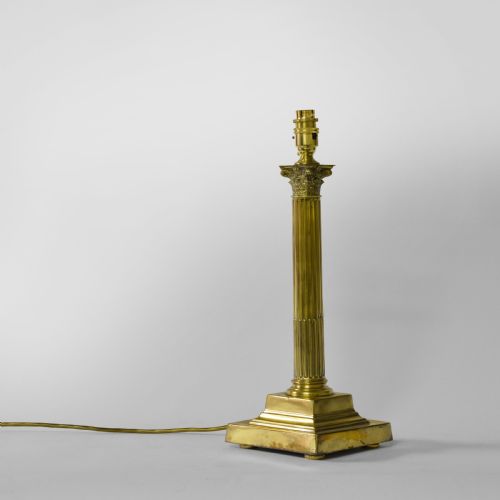
This lighting form mimics the ornate capital design of classical Greek architecture, featuring carved acanthus leaves and scrolls at the top of the shaft. Victorian makers favoured this style for heavy desk and table lamps.
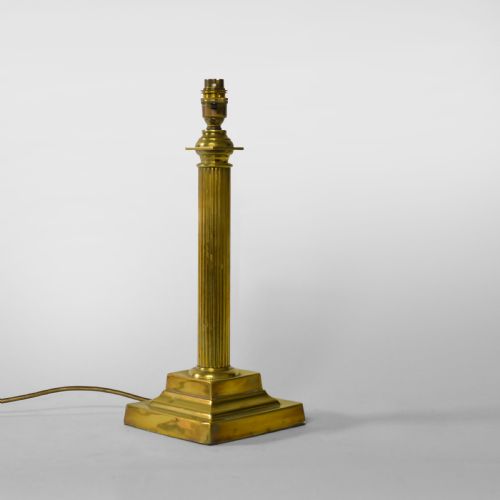
The stepped square bases and fluted brass columns provide both stability and visual authority in a room.
Are these lamps heavy?
Solid metal construction and thick casting walls give these pieces a substantial physical weight that distinguishes them from hollow plated alternatives. Standard lamps and large chandeliers require secure mounting or stable placement.
This heft ensures the fixtures remain balanced when fitted with shades or extended to taller heights.