
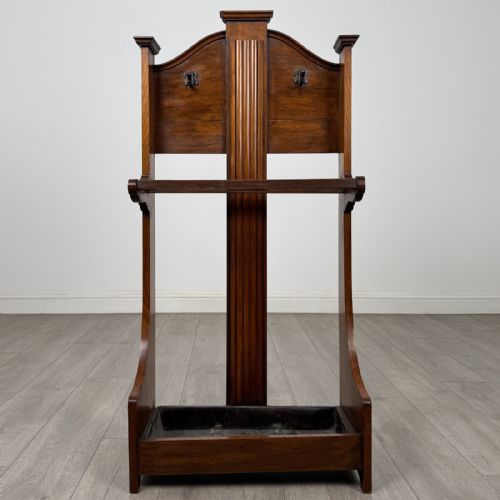
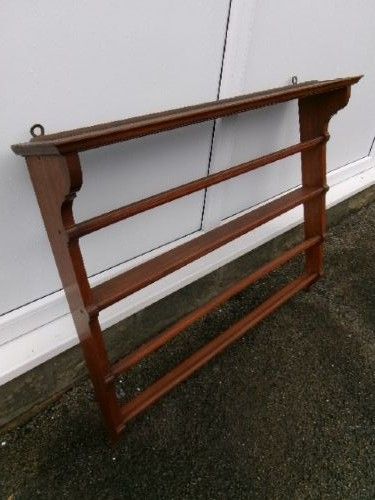
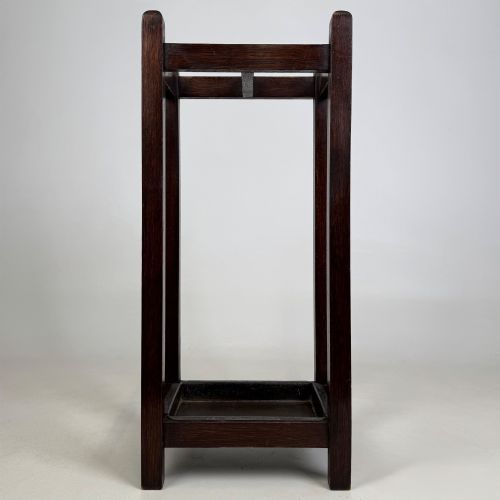
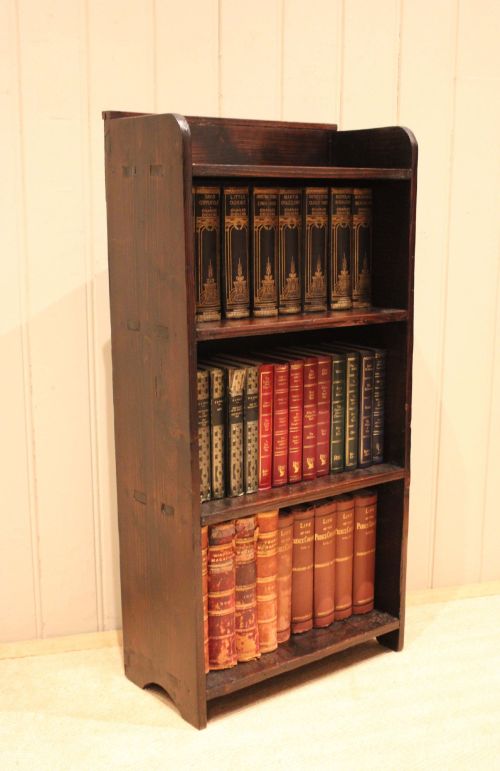
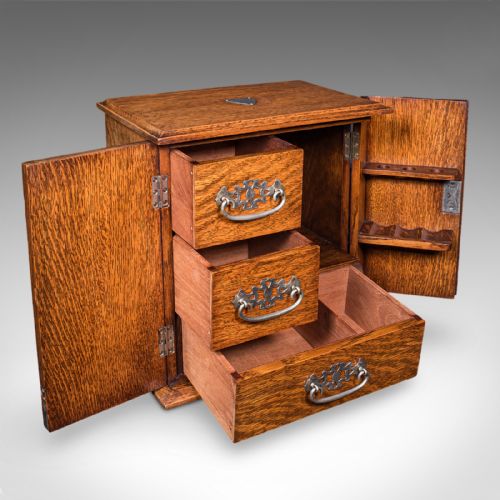


Small Wooden Rack
These small wooden rack designs span centuries of clever domestic storage, offering compact shelving and stands built for daily utility.
Small Wooden Rack
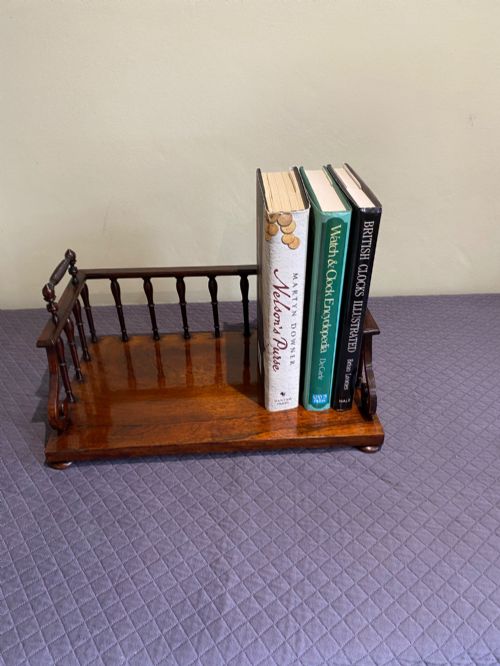
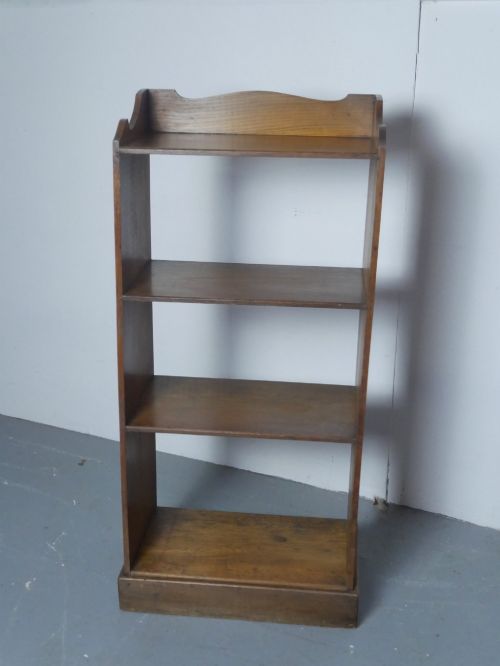
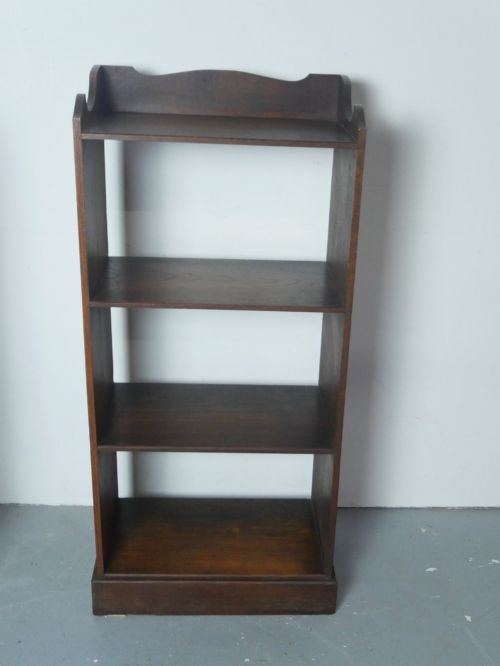
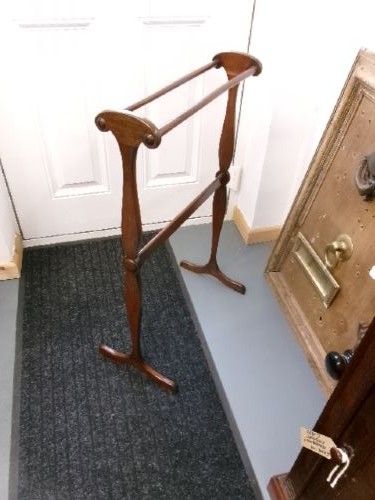
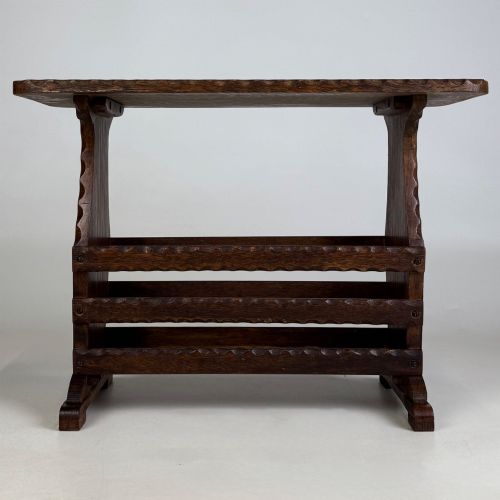
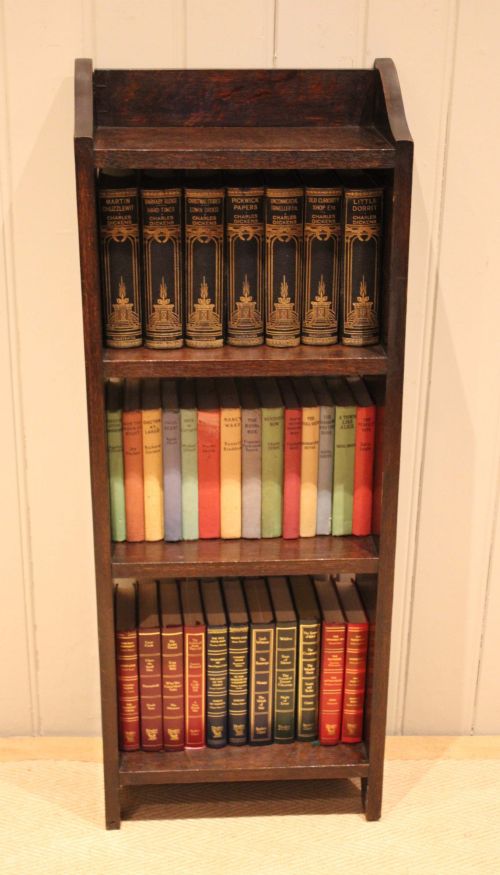
A small wooden rack fulfils modest storage needs across domestic spaces, appearing in forms such as wall hanging shelves, desk tidies, and floor-standing book troughs. When you search for a small wooden rack, you encounter functional pieces designed to hold books, plates, pipes, or umbrellas without dominating a room.
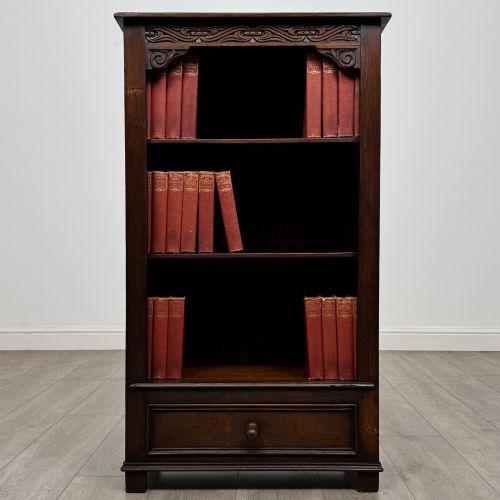
The pieces on this page originate from periods ranging from the eighteenth century through the Edwardian era and the Regency style, utilising timbers like oak, mahogany, rosewood, and pine. Wall shelves and open bookcases dominate the selection, alongside specialised items like revolving book stands and smoking cabinets.
Domestic life demanded compact furniture for specific rooms, leading to makers crafting hanging wall shelves for small volumes and low bookcases for parlour corners. These utilitarian objects bridge the gap between heavy storage and portable convenience, relying on solid timber construction to survive heavy daily handling.
Materials and construction methods
Carpenters constructed these pieces predominantly from hardwoods like oak and mahogany, often incorporating secondary pine or walnut for internal elements. Timber selection dictated the strength of slender shelf supports and the durability of joints subjected to constant weight.
Joinery techniques varied from simple pegged construction in country workshops to refined dovetailing and boxwood inlay in urban cabinet shops. Metal brass fittings and glass panels appear as supplementary materials on cabinets and wall-hanging units, providing functional hinges and protective doors.
Carving and turning marked the decorative output, yielding square or turned legs on umbrella stands and carved detail on Edwardian oak bookcases. Surface finishes ranged from polished French polish on mahogany to waxed treatments on rustic pine and limewood.
Listings feature woods including oak, mahogany, rosewood, pine, limewood, and satin birch across periods from the 18th century to the Edwardian era.
Factors of quality
The distinction between ordinary utility items and superior examples lies in the selection of timber grain and the precision of the joinery. Pieces featuring well-figured mahogany, rosewood, or finely carved oak demonstrate a higher grade of craftsmanship than plain pine iterations.
Proportion and structural integrity separate robust survivals from compromised items, particularly where wall-hanging brackets or standing shelf supports bear persistent loads. Subtle details such as boxwood stringing, inlay, or original brass hardware elevate the standing of a piece within its period.
The Small Wooden Rack Glossary
- Book trough
- A small V-shaped or open-sided wooden stand designed to hold a portable selection of books on a desk or table. These containers keep volumes upright and within arm's reach.
- Whatnot
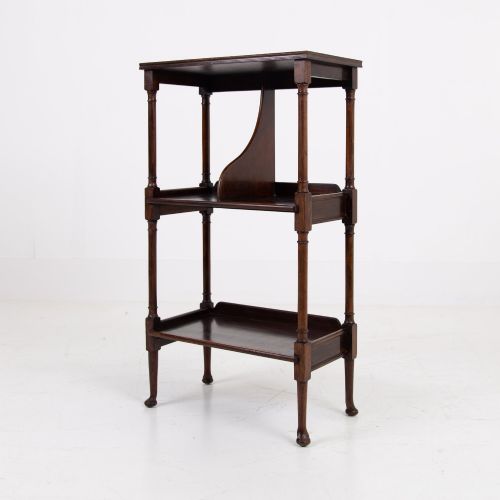
- A set of open shelves standing on legs, traditionally used for displaying ornaments or holding books. The multiple tiers maximise vertical storage in limited floor space.
- Stringing
- A narrow strip of contrasting wood inlaid into the surface of a panel or leg for decorative effect. It appears frequently on Edwardian mahogany pieces to define edges.
- Smoking cabinet
- A small enclosed wooden cabinet fitted with compartments for pipes, tobacco, and matches. They often feature glazed doors and small drawers.
- Wall hanging shelf
- A set of timber shelves fitted with brackets or eyelets for suspension directly onto a wall surface. This form keeps floor space clear in smaller rooms.
Small Wooden Rack: Frequently Asked Questions
Where were small wooden racks used?
These items found placement across studies, hallways, and parlours where space remained at a premium. Domestic routines required dedicated spots for holding daily reading material, pipes, or hats.
Wall-hung versions freed up surface areas in tight corridors, while desk tidies sat directly upon writing furniture to organise correspondence and small volumes.
How do I identify an Edwardian piece?
Edwardian items frequently display lighter mahogany or oak construction, often incorporating subtle inlay work or carved details characteristic of the early twentieth century. Their forms lean towards practical domestic accessories like revolving book stands and smoking cabinets.
Examining the secondary timbers and the style of the hardware helps distinguish these works from heavier Victorian or earlier Georgian precedents.
Can wall hanging shelves hold heavy books?
Most hanging shelves suit lighter volumes, decorative plates, or small collections rather than heavy reference sets. The wall fixings and the depth of the timber dictate the actual weight capacity.
Ensuring secure anchoring into wall studs remains essential for older wooden hanging shelves, as the antique timbers and joints bear limits.