
Small Wood Table
A small wood table brings compact utility and period character to a room, offering a surface that fits beside a chair or in a hallway.
Small Wood Table
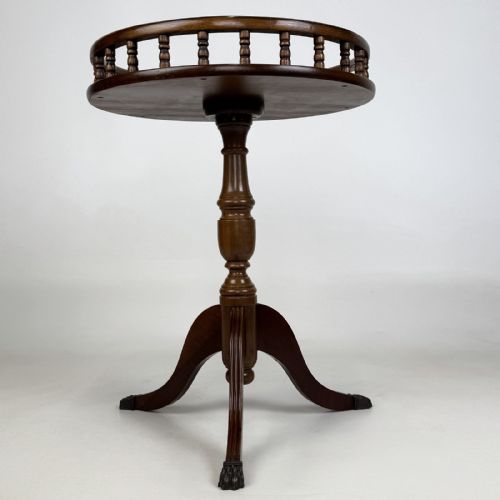
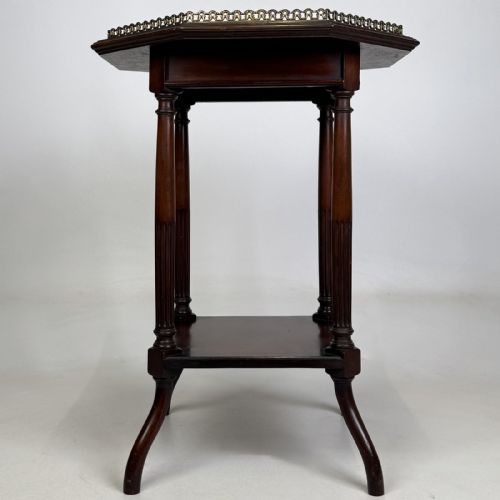
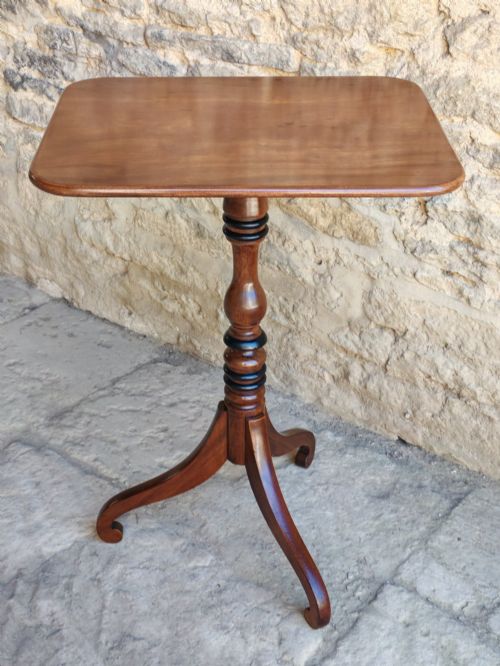
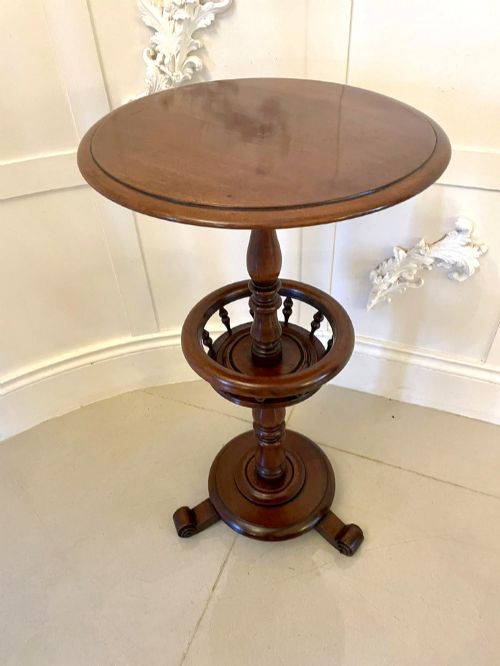
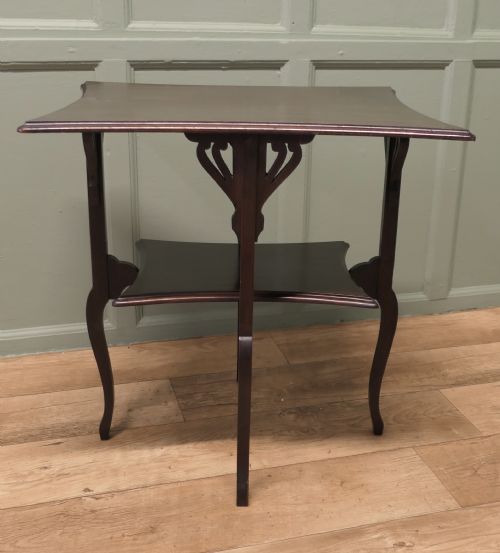
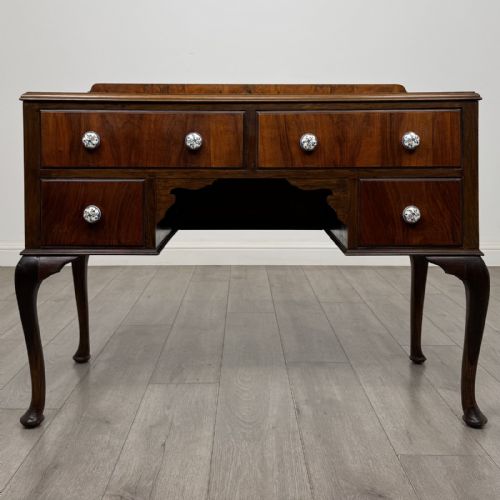
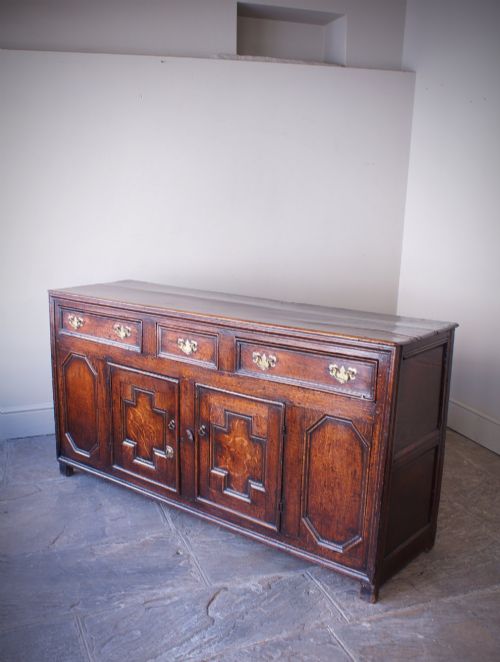
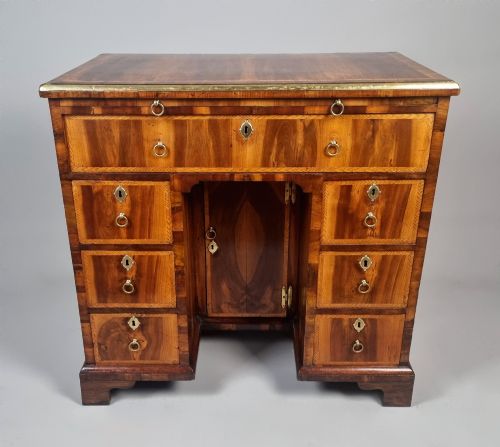
A small wood table spans forms such as side tables, occasional tables, wine tables, and bedside tables dating from the eighteenth century through to the Edwardian period and the 1930s. Mahogany and oak dominate these listings, alongside walnut, rosewood, and yew wood.
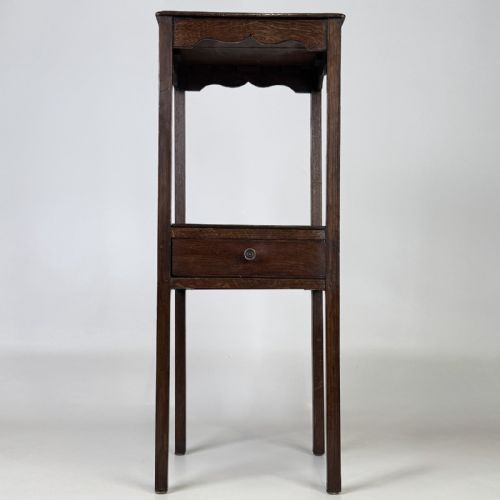
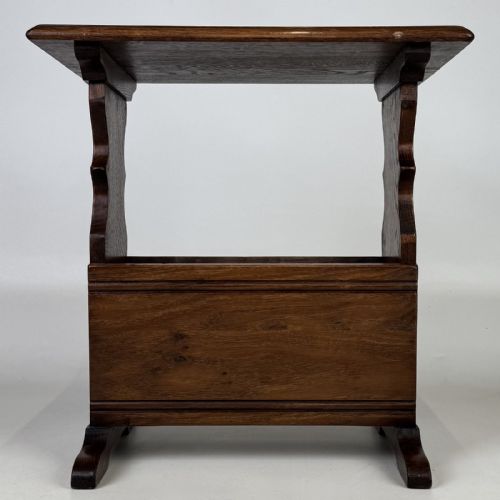
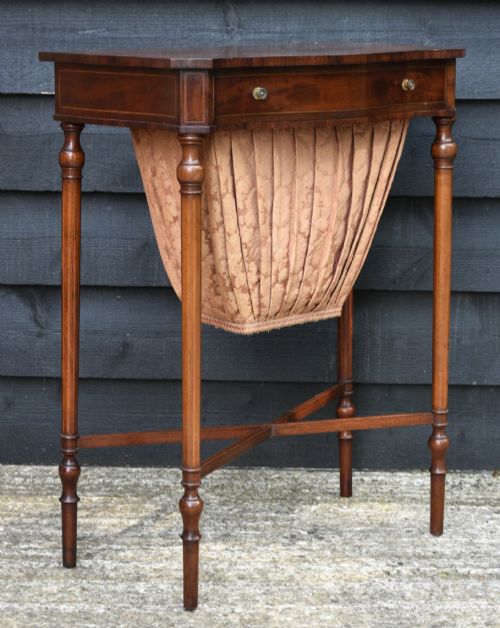
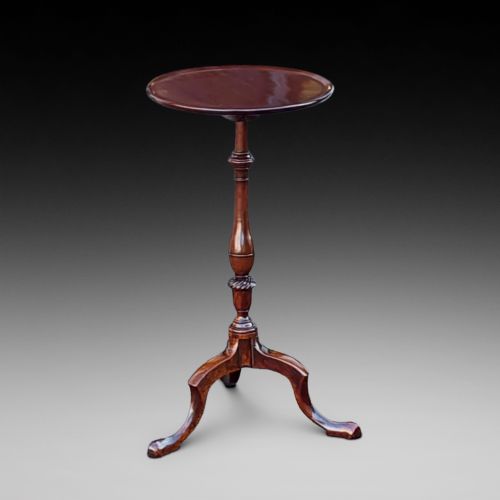
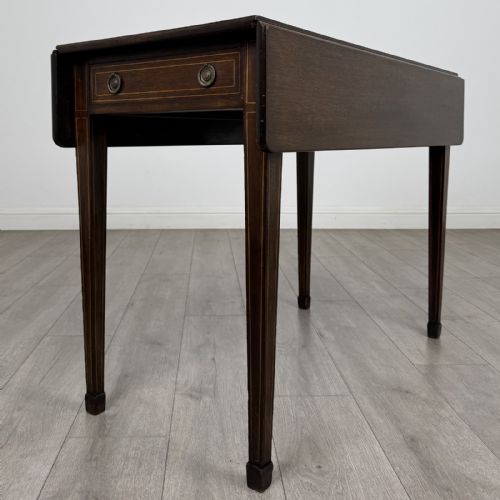
The buyer meets various formats on this page, ranging from George III tripod candle stands and Pembroke tables to Edwardian sewing tables and oak side tables fitted with single drawers or magazine compartments.
How they were made
Cabinet makers utilised solid timbers and veneers of mahogany, oak, walnut, and rosewood, often combining these woods with brass fittings, leather inserts, and marquetry details.
Construction methods include drop-leaf actions, tilt-top mechanisms, cabriole or bobbin-turned legs, and spade feet, resulting in sturdy freestanding items built for daily household use.
Magazine compartments tucked into Edwardian oak side tables prove that Victorians and their successors worried just as much about clutter on the rug.
What varies in quality
Quality rests in the choice of figured timber, the crispness of carved details such as serpentine edges or bobbin turning, and the integrity of original structural elements like pivot joints and drawer linings.
Pieces showing finer proportions, balanced grain patterns, and careful joinery distinguish themselves from simpler utility items made with plain timber or replacement components.
Bulstrode Cambridge·Druce and Co
The Small Wood Table Glossary
- Tripod table
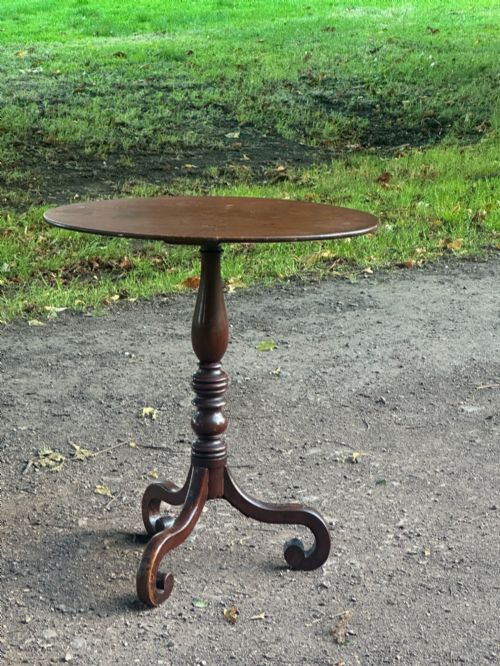
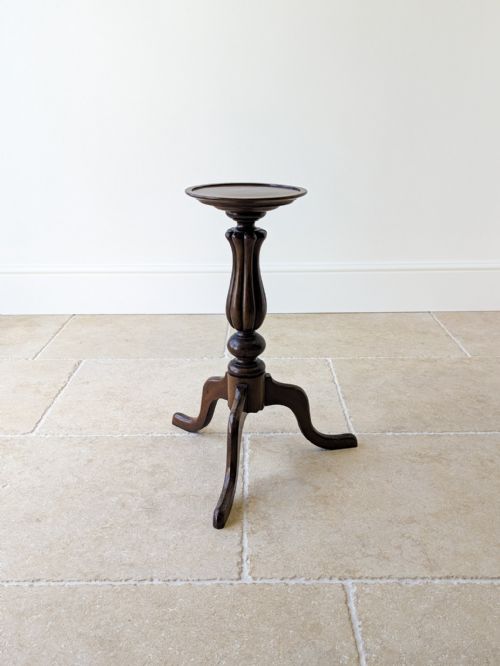
- A small freestanding table supported by a pillar on three legs, common in the Georgian and Victorian eras. Many examples incorporate a tilt-top mechanism for storage.
- Sutherland table
- A narrow drop-leaf table where the leaves comprise a large proportion of the top, supported by gatelegs that swing out. This design folds flat when not in use.
- Wine table
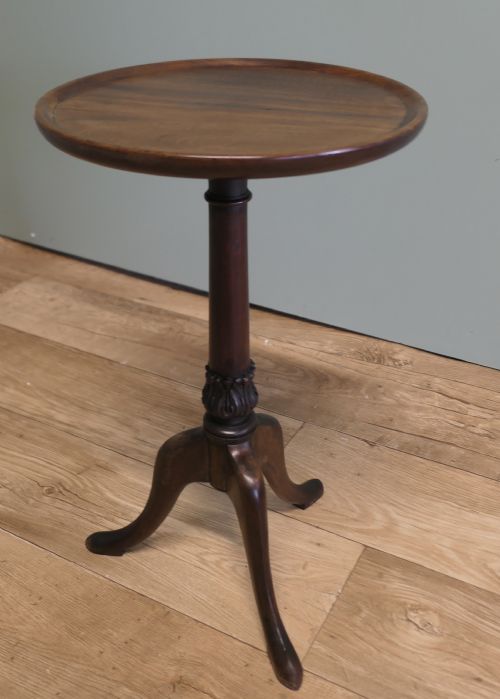
- A small occasional table designed to hold a glass or bottle, often standing on a central pedestal with tripod feet. They date widely from the eighteenth and nineteenth centuries.
- Cabriole leg
- A furniture leg that curves out at the knee and tapers inward to an ankle, mimicking an animal's limb. It appears frequently on eighteenth-century and Edwardian pieces.
Small Wood Table: Frequently Asked Questions
What is a wine table used for?
A wine table serves as a portable surface for drinks, books, or lamps beside a seating area. Their compact footprint allows them to fit into corners and tight spaces.
Historically, these pieces stood near entertaining spaces for easy access to refreshments during social gatherings.
How do I identify a Georgian table?
Georgian tables display characteristic timber choices such as rich mahogany and walnut, alongside specific structural details like hand-cut dovetails and tapering legs. Styles range from plain country pieces to formal carved designs.
Examination of the underside and drawer construction often reveals the hand tools and joinery methods of the eighteenth century.
Where should I place an occasional table?
An occasional table sits comfortably beside a sofa, armchair, or bed to provide a convenient surface for everyday items. Their modest scale means they move easily between rooms as needed.
Selecting a piece that matches the surrounding period or wood tone helps integrate the item into an existing room layout.
What is the difference between a side table and a console table?
Side tables stand independently on four legs or a pedestal, designed to sit anywhere against a wall or beside furniture. Console tables specifically anchor against a wall, sometimes relying on that support for stability.
Console tables often feature narrow proportions suited to hallways, while side tables offer more varied depths and storage options like drawers.