


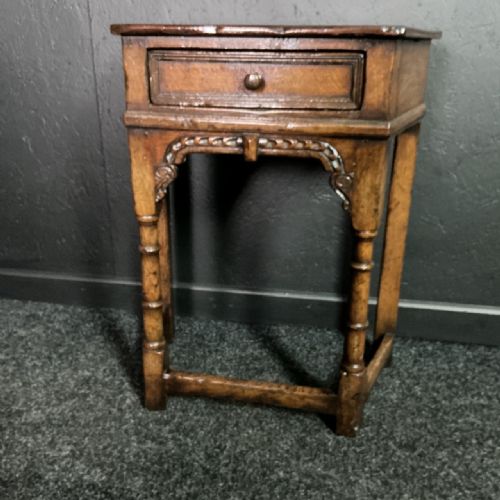
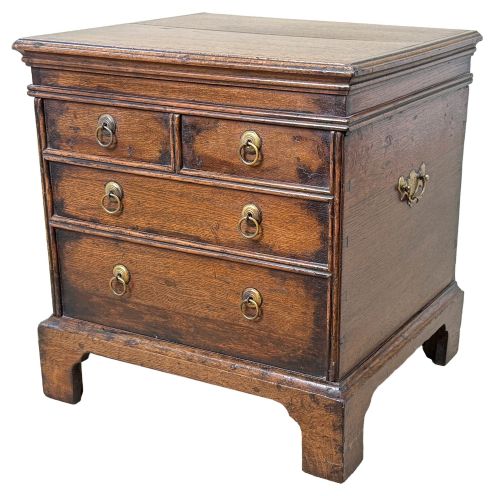


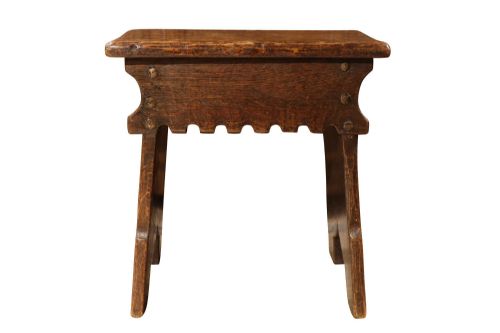
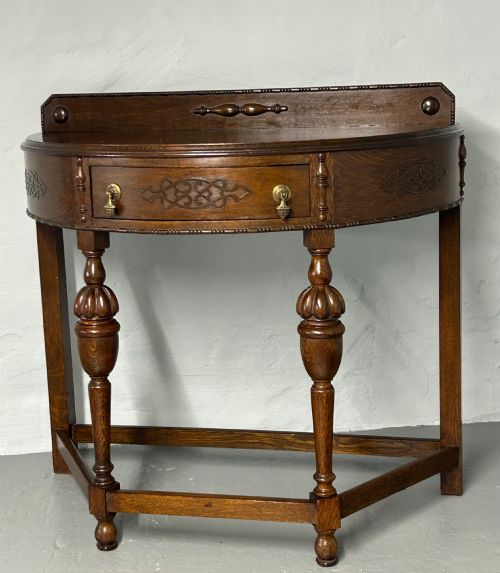


Small Oak Stool Table
These small oak stool tables combine the sturdy utility of early seating with the convenience of compact surfaces.
Small Oak Stool Table
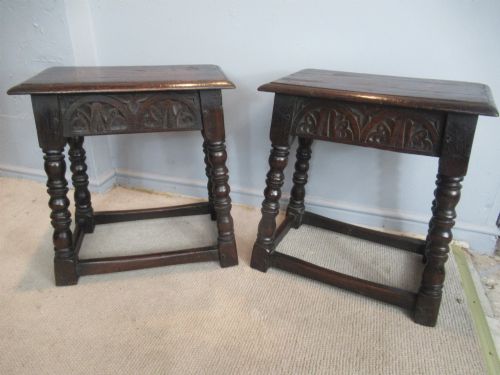
A small oak stool table brings together forms designed for sitting and surfaces meant for support, drawing from centuries of vernacular domestic woodwork. Buyers seeking this phrase encounter joint stools, close stools, box stools, and various occasional tables that blur the line between furniture categories.
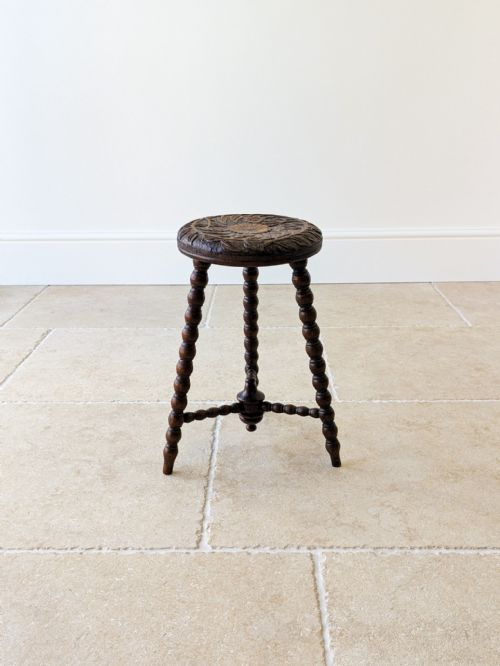
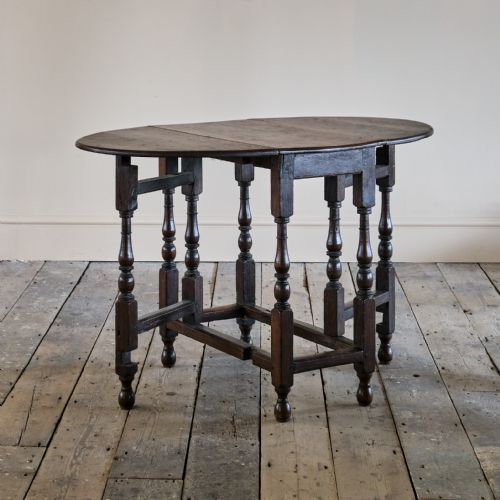
The pieces appearing on this page span several distinct periods, reaching from seventeenth-century origins through Georgian iterations and Victorian revivals up to twentieth-century interpretations. Forms range from low pegged joint stools and cricket tables to gateleg designs and miniature apprentice pieces.
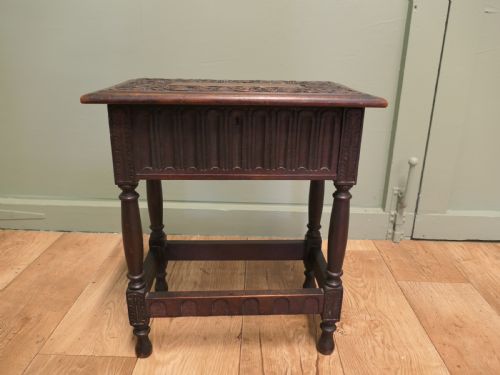
Makers historically adapted these compact wooden items for multiple household uses, whether serving as seats, bedside chests, sewing boxes, or plant stands. This functional versatility explains why collectors and interior designers continue to source them for smaller spaces.
What varies in quality
Construction methods dictate the primary tier of distinction, separating pieces built with pegged tenons from those assembled with later fasteners. The integrity of the original timber frame and the retention of honest surface patination hold significant weight.
Proportion and decorative restraint set finer examples apart from heavier revivals. Carved detailing executed with crisp depth indicates superior craftsmanship, whereas clumsy alterations or excessive modern intervention reduce historical authenticity.
Small Oak Stool Table Retail Price Guide 2026
Typical asking prices for small oak stool table among the pieces listed under this phrase on Sellingantiques today, from the lower quarter to the upper quarter. They describe what is for sale here now, not the wider market.
Apprentice pieces allowed young woodworkers to practice complex joinery on miniature tables before touching a full-sized client commission.
Liberty and Co
The Small Oak Stool Table Glossary
- Joint Stool
- A sturdy wooden seat constructed with mortise and tenon joints held together by wooden pegs. These pieces date back to the sixteenth and seventeenth centuries and often double as low tables.
- Close Stool
- An enclosed cabinet or box stool designed to house a chamber pot, often disguised as a bedside chest or miniature piece of furniture. Georgian examples frequently feature clever cabinetry work.
- Cricket Table
- A small, lightweight occasional table typically supported by three splayed legs. This design provided stability on uneven seventeenth and eighteenth-century floors.
- Gateleg Table
- A table with hinged leaves supported by swing-out legs that pivot like a gate. This mechanism allows a compact surface to expand when needed.
- Apprentice Piece
- A small-scale model or miniature item created by a young craftsman to demonstrate skill to a guild. These items display the exact techniques used on full-sized furniture.
- Pegged Construction
- A method of joining timber where wooden dowels pass through mortise and tenon joints. This technique avoids metal nails and allows the wood to expand and contract naturally.
Small Oak Stool Table: Frequently Asked Questions
What is a small oak stool table?
A small oak stool table is a versatile wooden item that bridges the gap between a low seat and a compact surface. These pieces range from authentic seventeenth-century joint stools to Victorian miniature tables and twentieth-century occasional furniture.
Buyers often select them because their modest footprint fits easily into hallways, bedrooms, and tight corners while adding historical character to a room.
How were close stools used?
Close stools served a private sanitary function in domestic life before modern plumbing became standard. Cabinet makers built them as enclosed boxes or miniature chests containing a concealed chamber pot.
Over time, many of these pieces lost their original interior fittings and transitioned into decorative bedside tables or occasional stands.
How do I date a small oak table?
Dating requires looking closely at construction methods, timber selection, and tool marks left on the wood. Pieces featuring pegged joinery, hand-riven oak planks, and simple turned legs usually point to earlier centuries.
Later Victorian revivals and twentieth-century interpretations often display machine-sawn timber, standardised hardware, and stylistic nods to Jacobean or Elizabethan designs.
Can I use an antique stool as a table?
Many antique stools have served dual purposes as small tables for centuries due to their flat tops and sturdy frames. Joint stools and low box stools provide an ideal surface for books, lamps, or small plants.
Placing everyday objects on these sturdy wooden surfaces allows you to incorporate historical craftsmanship into modern daily life without harming the timber.