



Small Library Shelves
Small library shelves solve the perennial problem of housing compact collections in modest rooms through clever tiering and open access.
Small Library Shelves
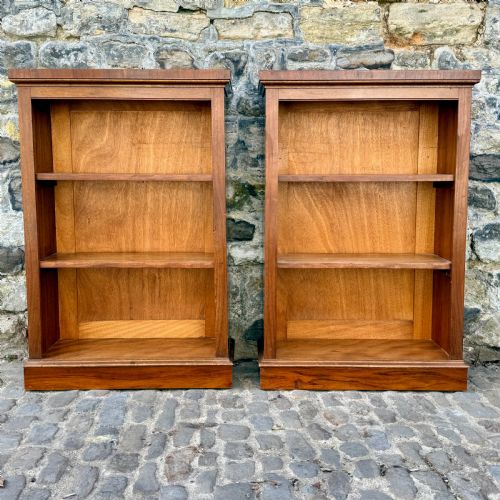
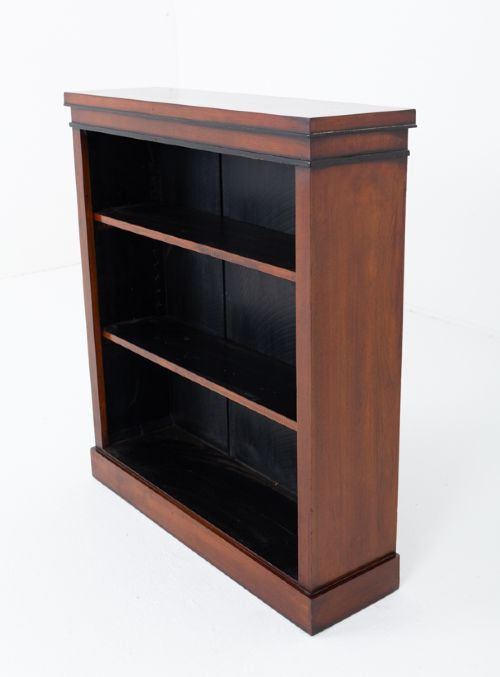
Small library shelves offer practical book storage in compact footprints, spanning open bookcases, revolving tiers, and tiered etageres. You will most frequently encounter open bookcases and cascading designs dating from the Victorian and Edwardian eras.
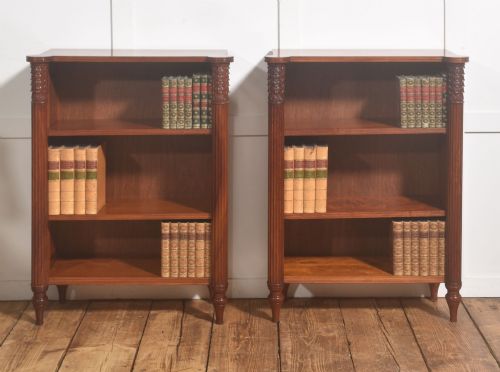
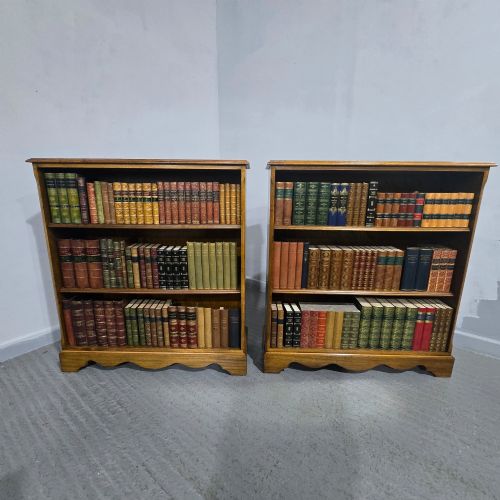
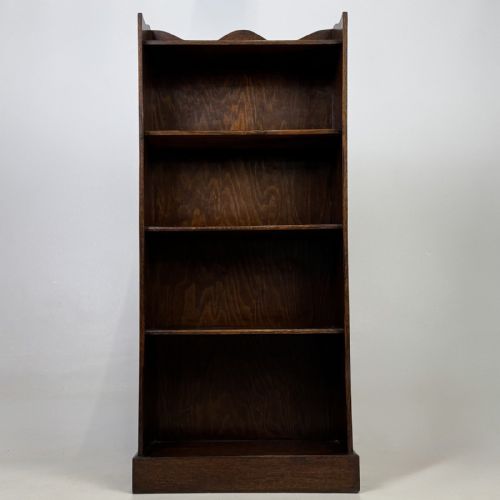
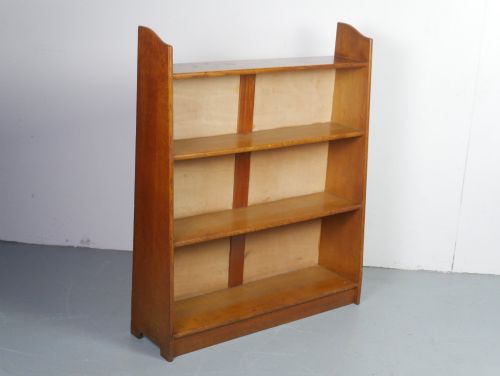
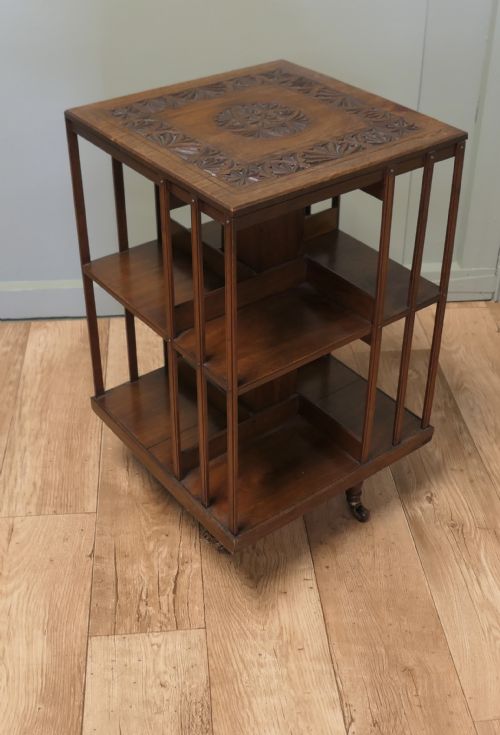
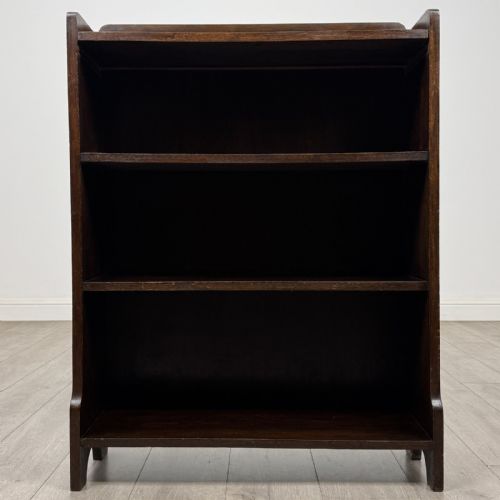
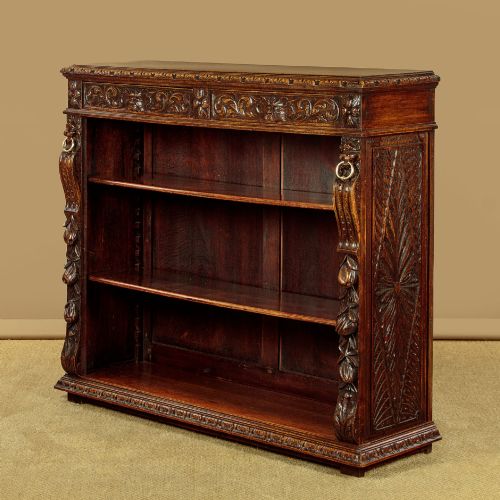
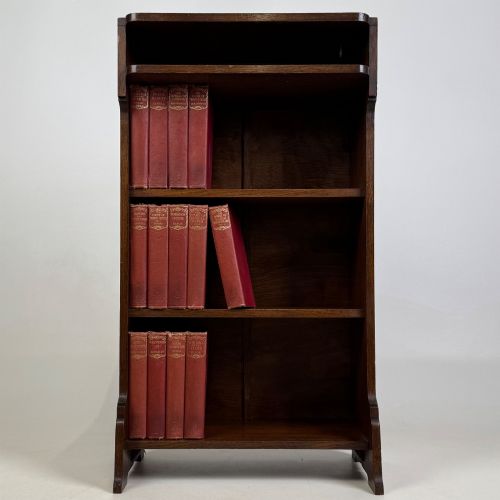
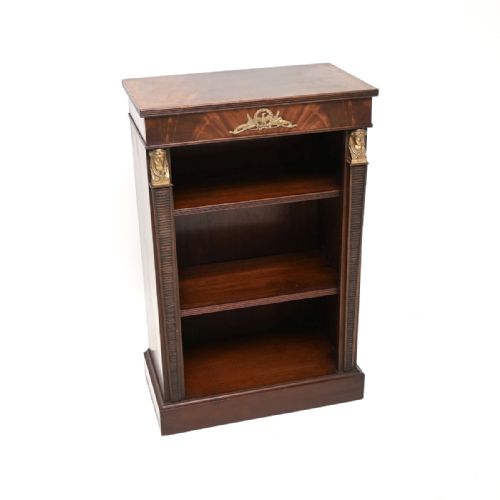
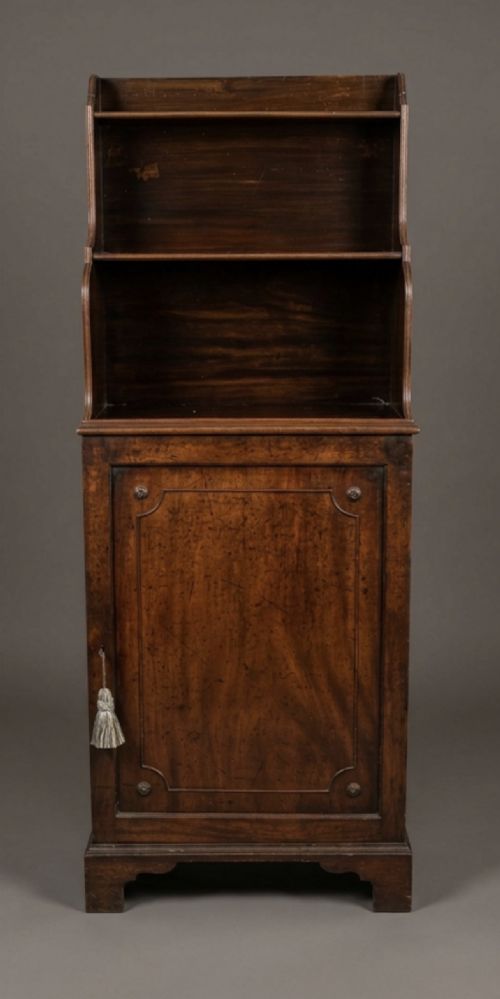
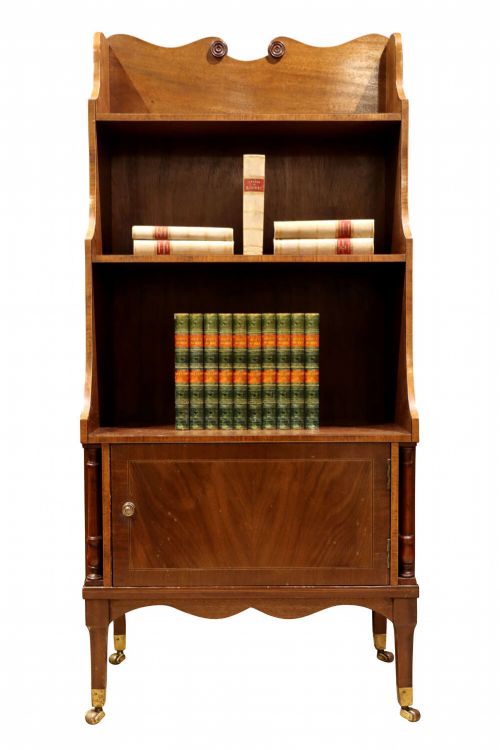
These pieces arrive in various configurations, from simple low open shelves with raised galleries to revolving oak bookcases and diminutive breakfront cabinets. The selection leans heavily toward timber constructions designed for domestic studies and sitting rooms rather than institutional halls.
Origins stretch from the Georgian period through the nineteenth century and into the early twentieth century, incorporating revival aesthetics alongside standard period forms. The scale remains diminutive throughout, suited to apartments and rooms with limited floor space.
How they were made
Timbers dominate the construction, with mahogany, oak, and walnut forming the structural core of nearly every piece. Craftsmen frequently utilised veneers like flame mahogany and burr walnut on visible surfaces to create visual depth.
Detailing often includes carved edges, raised galleries, inlaid marquetry, and brass castors for mobility on larger or more elaborate examples. Iron and glass appear selectively, particularly in associated items such as clock movements and cabinet doors.
Joinery methods reflect traditional cabinet-making standards of the nineteenth and early twentieth centuries, ensuring structural rigidity across multi-tiered revolving stands and stationary open shelves.
Small Library Shelves Retail Price Guide 2026
Typical asking prices for small library shelves among the pieces listed under this phrase on Sellingantiques today, from the lower quarter to the upper quarter. They describe what is for sale here now, not the wider market.
Some diminutive revolving bookcases spin so smoothly they double as reluctant study companions for restless readers.
What varies in quality
The selection of timber grain and veneer figure dictates much of the visual hierarchy, with book-matched flame mahogany or burr walnut marking out superior examples. Plain native timbers like standard oak sit at the more utilitarian end of the scale.
The sophistication of decorative carving and applied details differentiates standard production from finer cabinet work. Pieces featuring crisp mouldings, brass castors, and deliberate inlay demonstrate greater investment of workshop time.
Proportion and scale also define excellence, particularly in diminutive or breakfront formats where maintaining balance across a small footprint requires precise architectural planning.
The Small Library Shelves Glossary
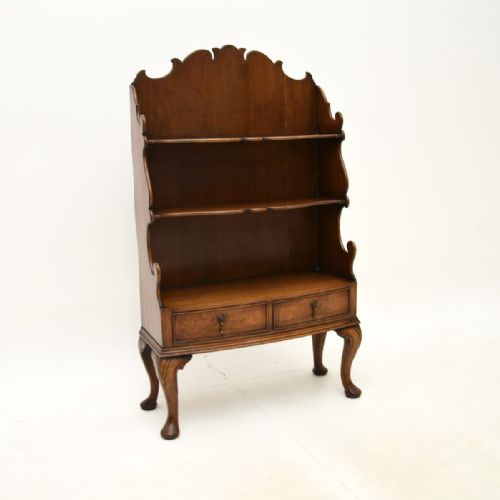
- Waterfall bookcase
- A tiered shelving unit where each upper shelf is narrower than the one below, creating a cascading profile. This form maximises vertical storage while maintaining a small footprint.
- Raised gallery
- A low decorative upstand or railing running along the top edge of a piece. It prevents items from sliding off the surface.
- Etagere
- An open piece of furniture consisting of a series of shelves for displaying small objects or books. They often appear in diminutive scales.
- Revolving bookcase
- A freestanding set of shelves mounted on a concealed rotating base. This allows easy access to books from multiple angles in a tight space.
- Breakfront
- A cabinet or bookcase whose central section projects forward from the flanking wings. This architectural arrangement adds depth and visual interest to the facade.
Small Library Shelves: Frequently Asked Questions
Where do I put small library shelves?
These compact pieces fit easily into alcoves, beside armchairs, or against short stretches of wall where full-height bookcases will not fit. Their reduced scale makes them suitable for smaller bedrooms and studies.
Freestanding revolving models also work well beside desks or in room corners, allowing books to remain within arm's reach without dominating the floor plan.
How do I care for timber shelves?
Keep wooden surfaces away from direct heat sources and strong sunlight to prevent the timber and veneers from drying out or fading. Regular dusting with a soft, dry cloth maintains the finish.
Occasional application of appropriate wax polish helps nourish older hardwoods like mahogany and oak without building up heavy residues.
Are revolving shelves stable?
Period revolving bookcases utilise internal wooden or iron spider mechanisms designed to distribute weight evenly across a central pedestal base. When loaded sensibly with books, they turn smoothly and maintain balance.
Avoid overloading the top tiers with heavy folios to ensure the mechanism operates correctly and the piece remains secure on the floor.