






Small Display Shelves
Small display shelves bring compact character to tight corners, holding treasured volumes and ornaments with quiet grace.
Small Display Shelves
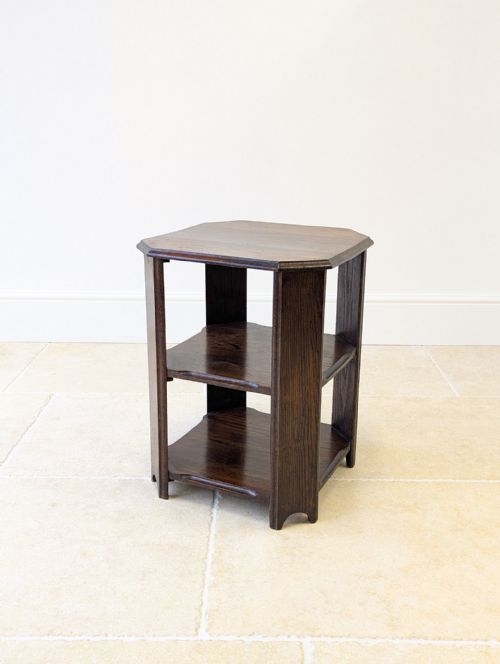
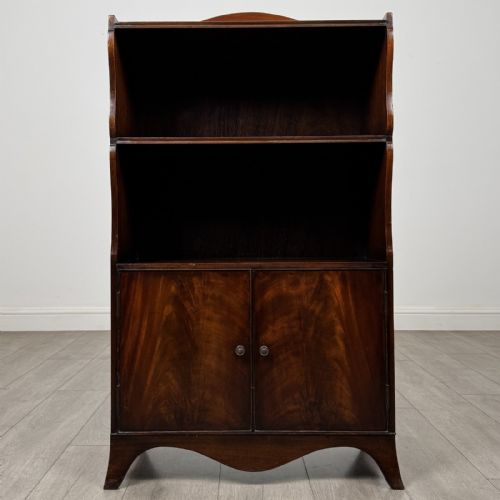
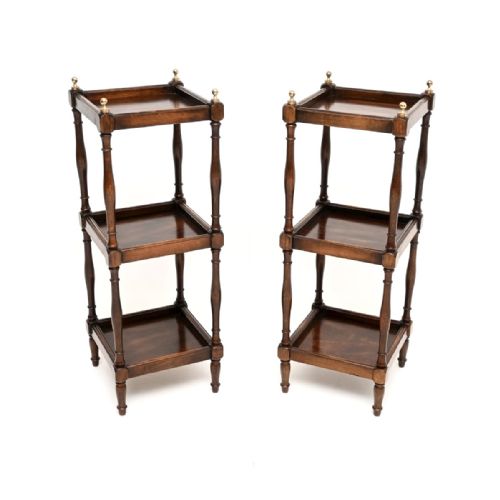
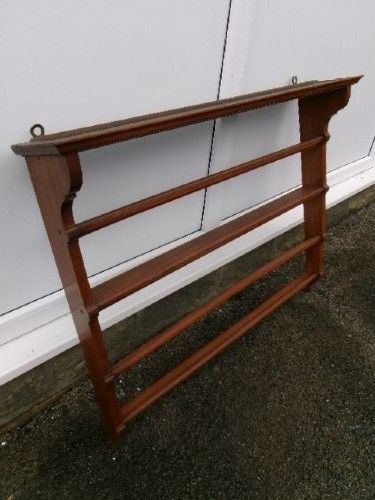
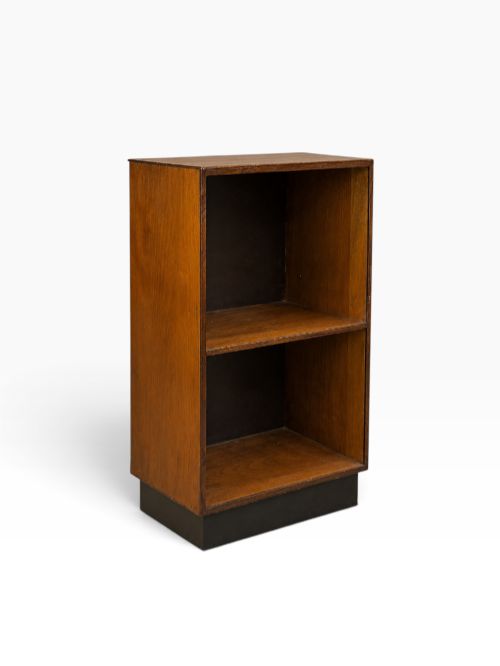
Small display shelves serve as versatile compact furniture for holding books, ornaments, and curiosities in limited spaces. When searching for small display shelves, a buyer encounters a diverse selection of open bookcases, wall racks, étagères, and tiered side tables spanning the nineteenth and early twentieth centuries.
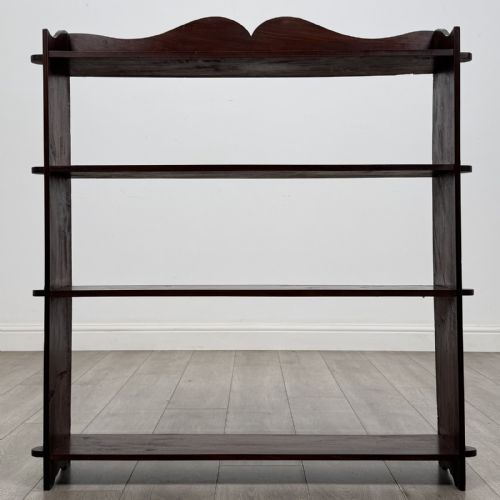
The pieces appearing most frequently range from solid oak open bookcases of the Edwardian era to mahogany wall-hanging racks and rosewood whatnots from the Victorian period. These items bridge utilitarian storage and decorative presentation, suiting hallways, alcoves, and intimate sitting rooms.
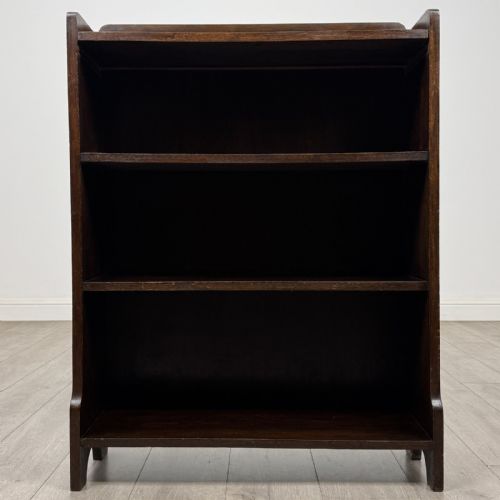
Examples stretch from functional Arts and Crafts oak designs with raised galleries to refined Regency style mahogany pieces resting on brass castors. Each form reflects the domestic requirements of its original period, prioritising vertical storage over heavy floor footprints.
Materials and construction methods
Cabinet makers relied heavily on timber selection, utilising durable oak for sturdy Arts and Crafts structures and rich mahogany, rosewood, or burr walnut for more formal Victorian and Edwardian items. Grain direction and timber figures determined how panels and shelves were faced.
Construction techniques combined traditional joinery such as housing joints for fixed shelving with decorative flourishes like carved edges, raised galleries, and inlaid banding. Wall-hanging racks employed secure mounting brackets, while floor-standing tables and bookcases utilised bracket feet or rested on brass castors for mobility.
Small Display Shelves Retail Price Guide 2026
Typical asking prices for small display shelves among the pieces listed under this phrase on Sellingantiques today, from the lower quarter to the upper quarter. They describe what is for sale here now, not the wider market.
Listings feature oak, mahogany, and rosewood pieces spanning the Victorian, Edwardian, and Arts and Crafts periods.
Assessing quality in construction and design
Superior examples distinguish themselves through thoughtful timber selection, ensuring consistent grain across visible surfaces and robust structural joints that withstand daily use without sagging. Cabinet makers who invested time in hand-carved details, neat dovetailing, and matched burr veneers produced pieces that endure.
The Small Display Shelves Glossary
- Étagère
- A piece of furniture consisting of a set of open shelves for displaying small ornaments. This French form gained popularity during the nineteenth century.
- Whatnot
- A multi-tiered shelving unit designed for displaying curiosities and books. It sits on small feet or castors for easy repositioning.
- Waterfall bookcase
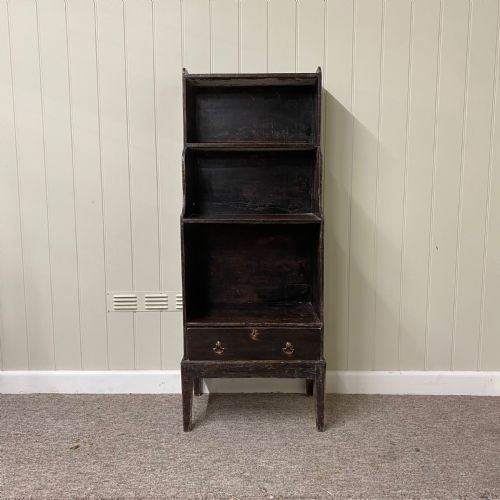
- A set of open shelves where each tier steps back progressively from bottom to top. This creates a cascading silhouette favoured in Victorian and Georgian designs.
- Raised gallery
- A low decorative railing or rim around the top surface of a shelf or table. It prevents small items from sliding off the edge.
Small Display Shelves: Frequently Asked Questions
Where should I place a small display shelf?
These compact pieces fit naturally into narrow hallways, beside armchairs, or within bedroom alcoves where floor space is limited. Their open structure keeps rooms feeling light while providing functional storage.
Position them away from direct sunlight and strong heat sources to protect historic timbers and polished finishes from drying out over time.
How do I distinguish Edwardian pieces from Victorian ones?
Victorian furniture generally employs heavier timbers like rosewood and dense mahogany with darker finishes and ornate carved details. Edwardian examples often favour lighter oak or inlaid mahogany with simpler geometric lines.
Construction marks, hardware styles, and timber treatments help confirm the manufacturing era of individual pieces.
What is the difference between a whatnot and a bookcase?
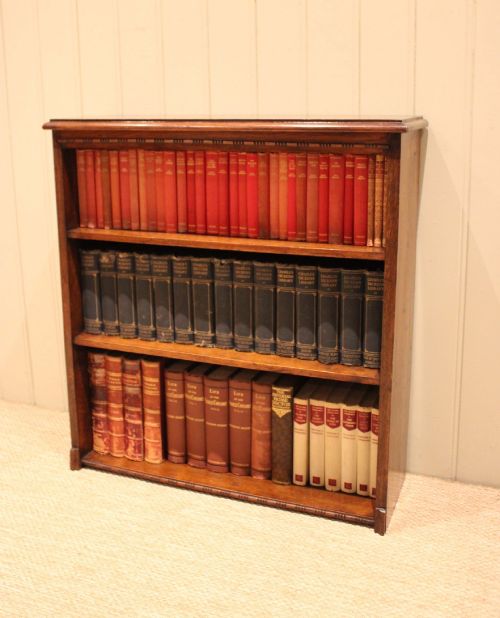
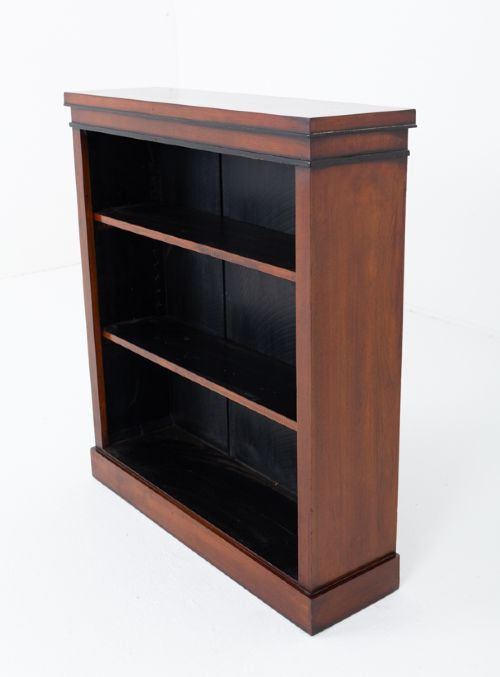
A bookcase focuses primarily on storing reading material across fixed or adjustable horizontal timber tiers. A whatnot is generally lighter, featuring multiple open tiers specifically designed for displaying ornaments and curiosities from all angles.
Many pieces blur these boundaries, functioning effectively for books and decorative objects alike.