

Small Crystal Fixture
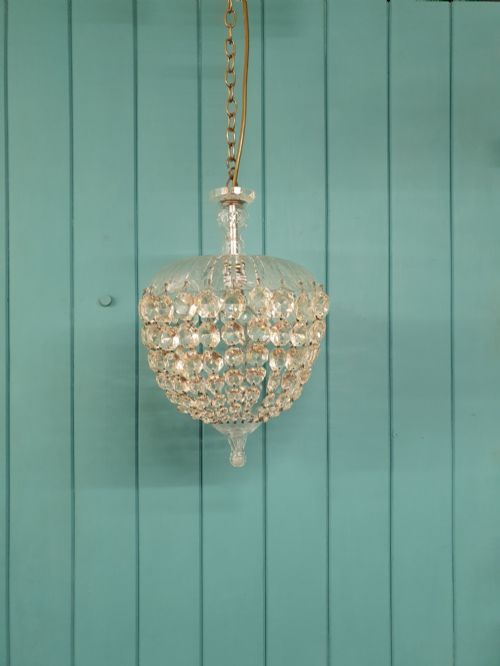
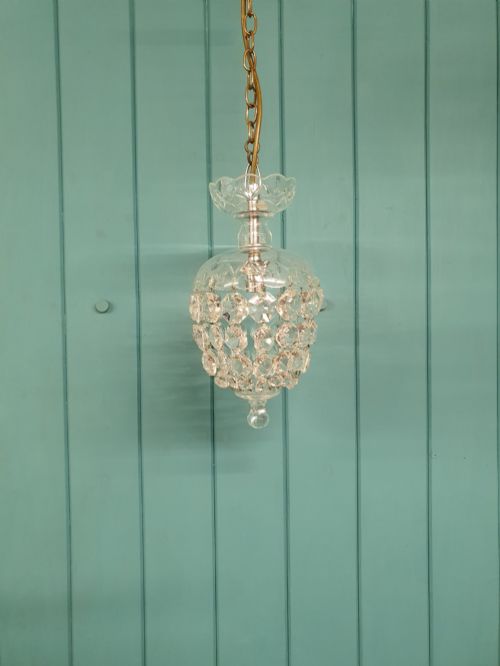
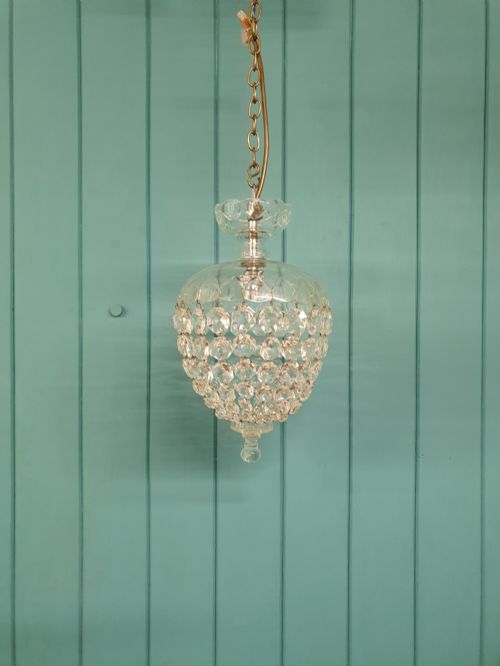
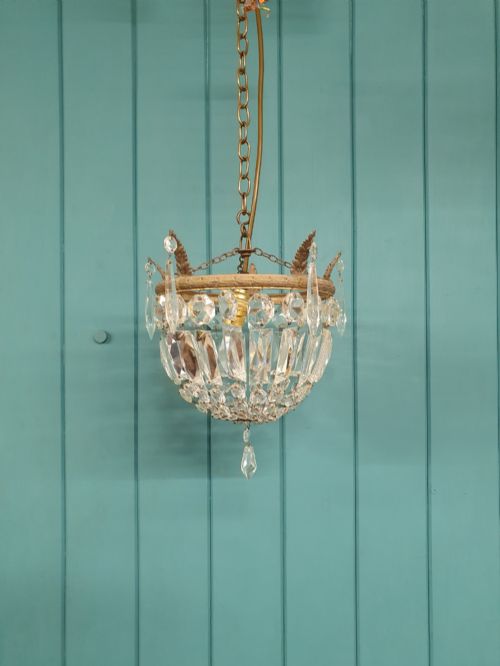
These small crystal fixture examples bring concentrated light and sparkle to compact rooms through clever historic design.
Small Crystal Fixture
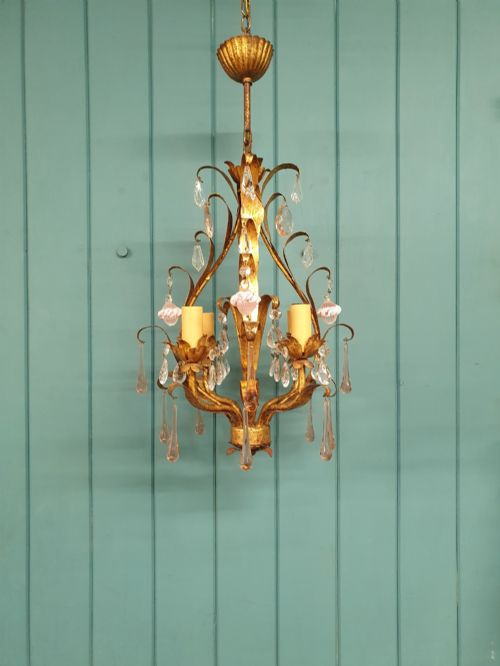
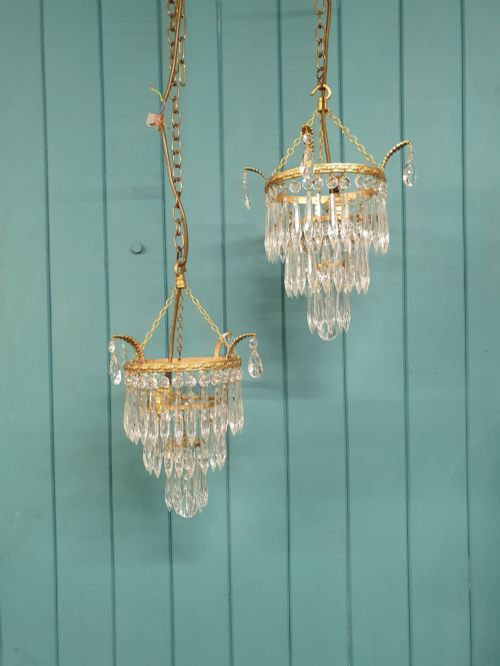
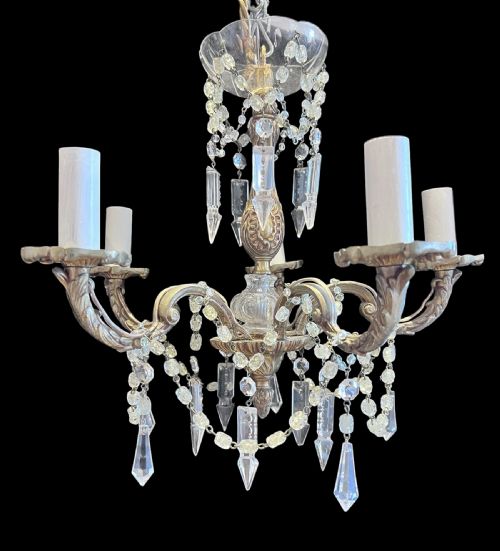
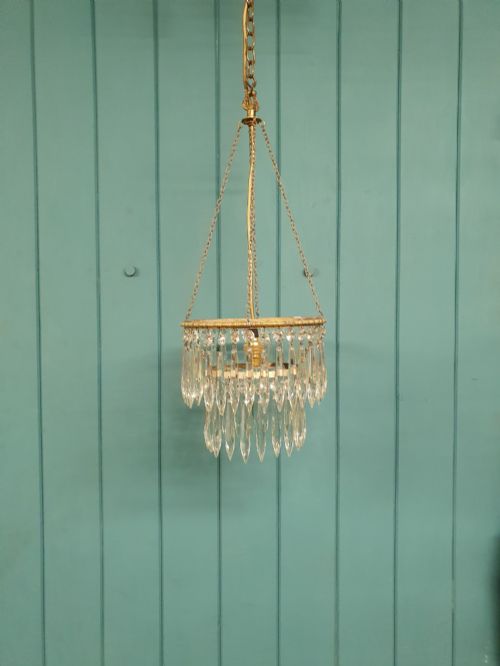
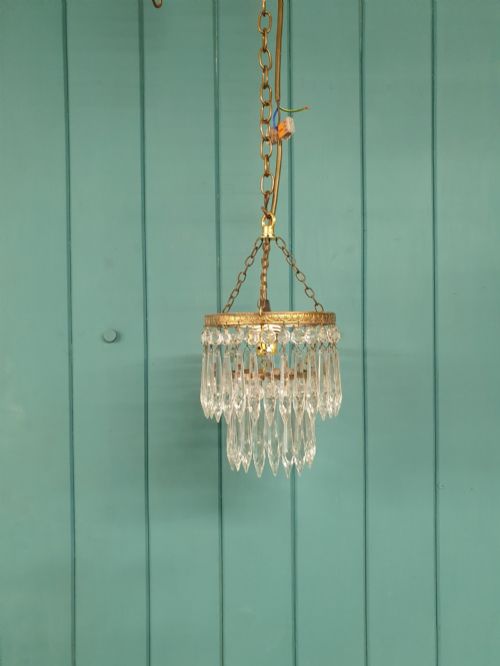
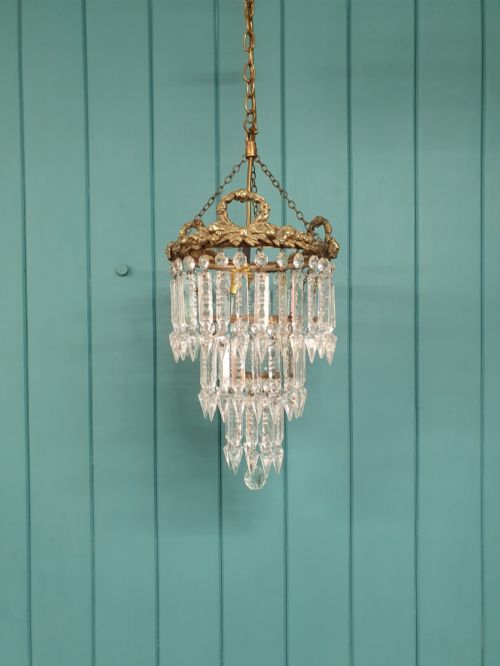
A small crystal fixture encompasses chandeliers, ceiling lights, and pendant lights designed to illuminate modest spaces without overwhelming the ceiling height. When seeking a small crystal fixture, buyers generally encounter compact forms measuring from six to fifteen inches, often featuring multi-tiered drops or singular focal points.
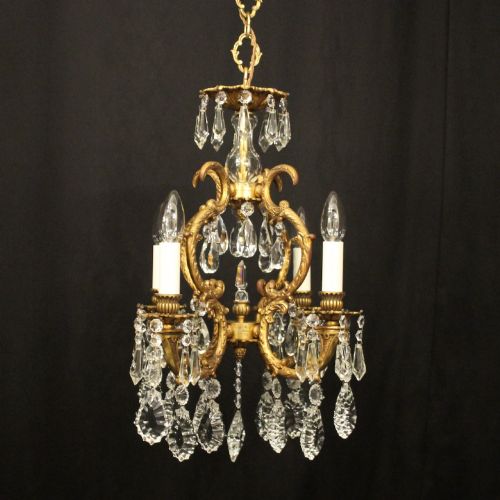
The pieces seen here span the Edwardian period, 1900, 1910, 1920, and 1930, capturing an era of decorative ceiling lighting. French Chateau, French Rococo, French Empire, French Regency, French Rococo Revival, Italian Classic, and Italian Rococo styles dominate the selection.
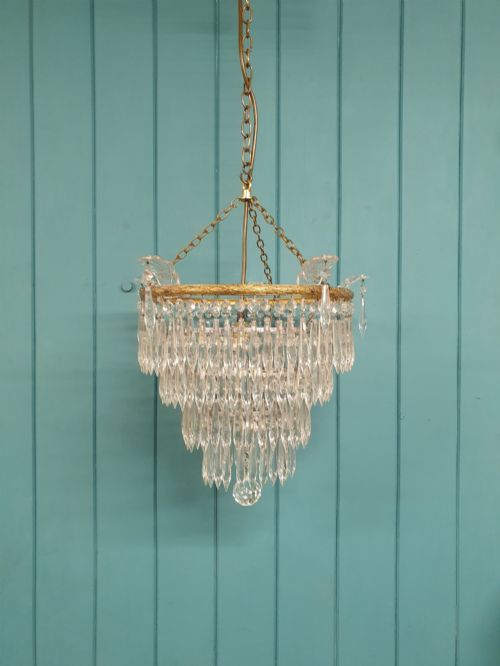
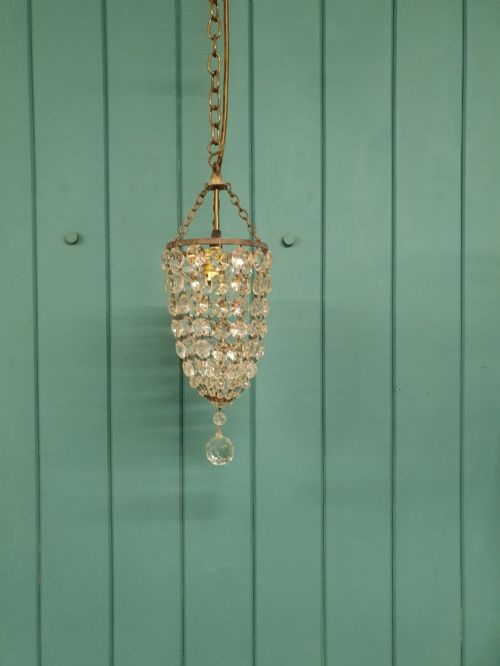
Most frequent among these are spike chandeliers, bag chandeliers, dome top chandeliers, and lustre chandeliers. These compact designs often incorporate single or multiple lights arranged to maximise illumination from a limited frame.
Materials and construction
Makers constructed these fixtures using brass, gilt brass, and gilded bronze as the primary structural frameworks to support the hanging glass elements. These metal mounts provide stability while complementing the reflective qualities of the glass components.
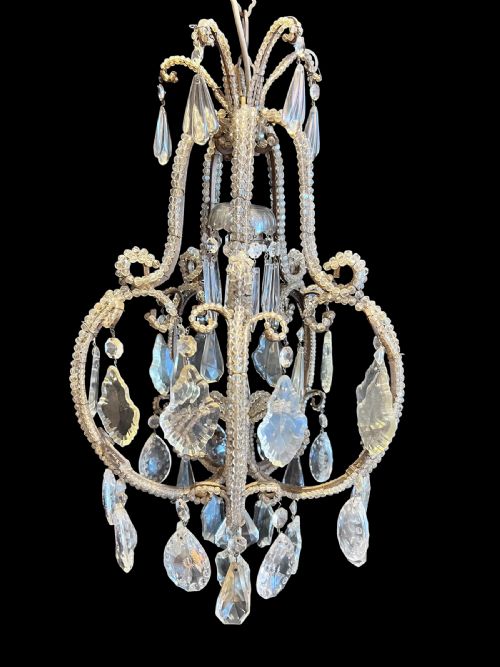
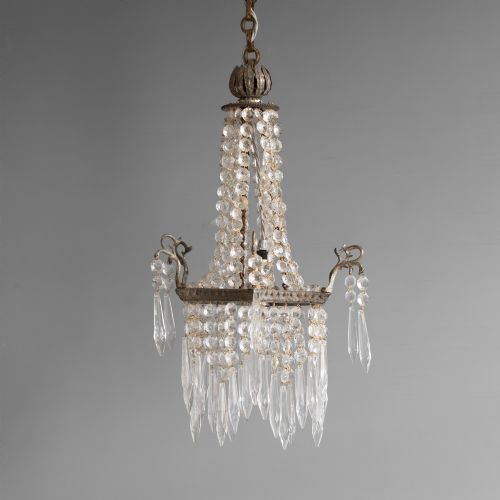
The ornamentation relies on crystal, glass, cut glass, cut crystal, lead crystal, and crystal glass shaped into specific forms like coffin prisms and beads. Craftsmen suspended these elements to create tent and bag configurations or intricate spike designs.
Small Crystal Fixture Retail Price Guide 2026
Typical asking prices for small crystal fixture among the pieces listed under this phrase on Sellingantiques today, from the lower quarter to the upper quarter. They describe what is for sale here now, not the wider market.
Listings for a small crystal fixture span the Edwardian era through 1930, utilising brass, gilt brass, and cut crystal.
Distinctions in craftsmanship
Quality in these lighting pieces depends upon the precision of the cut glass and lead crystal components, where sharper facets yield superior light refraction. The integration between the brass or gilt bronze mounts and the glass drops dictates the overall structural harmony.
Finer examples display meticulous assembly of beaded strands and well-balanced tiers, whereas simpler pieces rely on basic lustre arrangements. The choice of gilded bronze or heavy brass framing over lighter metals separates standard production from superior output.
The Small Crystal Fixture Glossary
- Spike chandelier
- A compact lighting fixture featuring radiating glass spikes arranged around a central core. This form creates a distinct silhouette characteristic of early twentieth-century production.
- Bag chandelier
- A lighting design where numerous crystal drops hang in a tapered bag or basket shape beneath the mount. It directs the eye downward in a concentrated display of glass.
- Coffin prism
- A long, flat-backed glass pendant with a pointed tip, commonly hung from the rim of a chandelier. These prisms catch and disperse ambient light effectively.
- Tent and bag
- A combination style featuring an upper canopy of strings forming a tent shape above a lower basket of crystals. This configuration adds architectural depth to small ceiling fixtures.
- Lustre chandelier
- A fixture decorated with hanging glass pendants known as lustres that amplify the output of the internal bulb. They reflect light across walls and ceilings.
Small Crystal Fixture: Frequently Asked Questions
Where should I hang a small crystal fixture?
These compact fixtures suit hallways, cloakrooms, dressing rooms, and smaller bedrooms where ceiling height restricts larger chandeliers. Their modest dimensions allow them to fit comfortably without dominating the room.
Position them centrally in modest spaces or above specific furniture pieces to draw the eye upward and provide targeted illumination.
How do I clean an antique crystal fixture?
Maintenance involves gentle dusting with a soft cloth or specialised brush to preserve the glass and metal surfaces. For thorough cleaning, remove individual crystals where possible and wash them in warm soapy water before drying thoroughly.
Avoid harsh chemical cleaners that might strip the gilt finish from the brass mounts or damage the older glass components.
How do French and Italian styles differ?
French designs in this category often lean toward gilded bronze frames, Empire baskets, and structured symmetry. They emphasise formal elegance through disciplined brass mounts and orderly crystal arrangements.
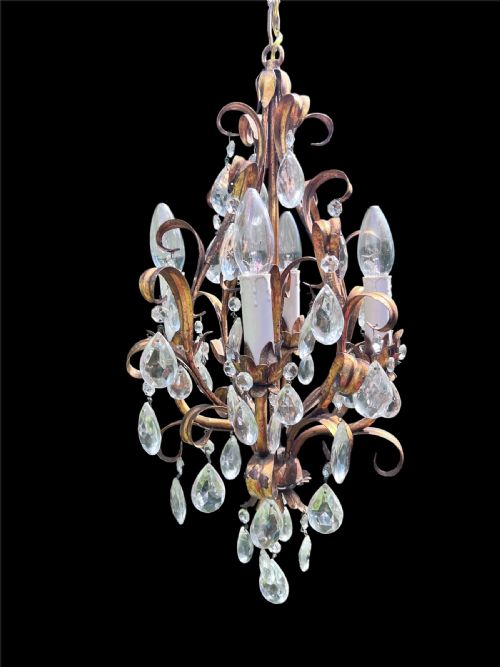
Italian examples frequently incorporate leafy motifs, floral elements, and lighter brass structures that reflect regional rococo and classic traditions. Both traditions prioritize compact brilliance suited for lower ceilings.
What wiring considerations apply to these antiques?
Historic fixtures often require rewiring to meet modern electrical safety standards before installation. Qualified electricians can adapt the internal sockets while preserving the exterior brass and crystal components.
Ensure the chosen bulb wattage aligns with the historic capacity of the fixture to prevent excess heat near vintage glass.