


Small Country Cupboard
A small country cupboard brings utilitarian warmth to a room, offering practical storage through timber boards and forged iron latches.
Small Country Cupboard
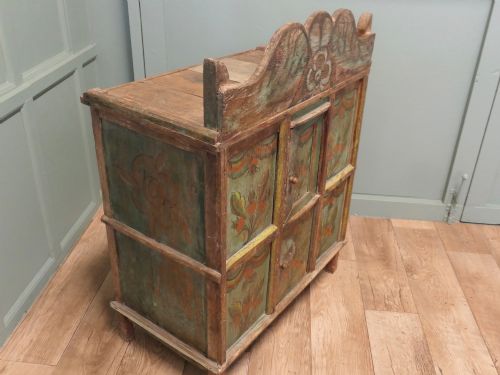
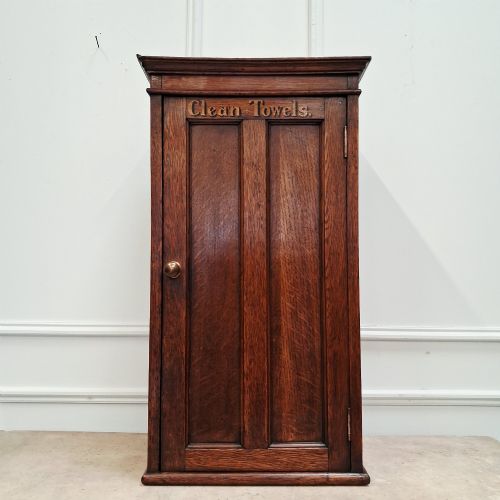
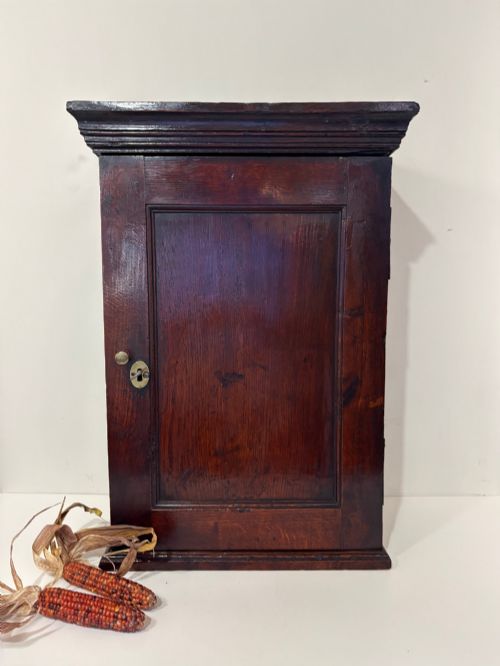
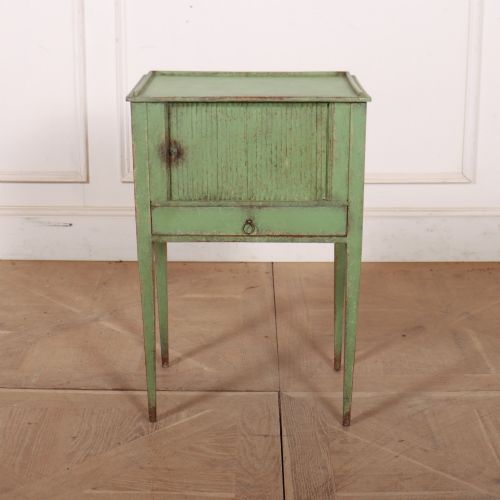
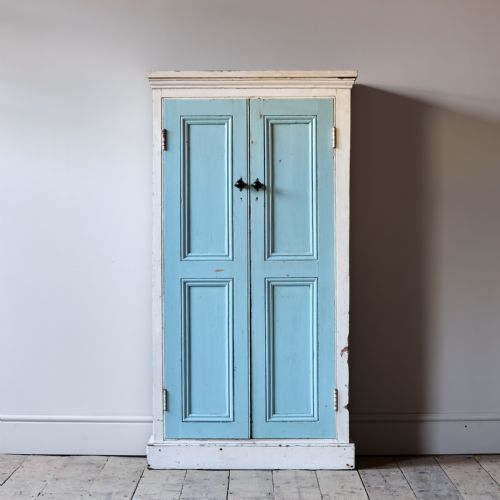
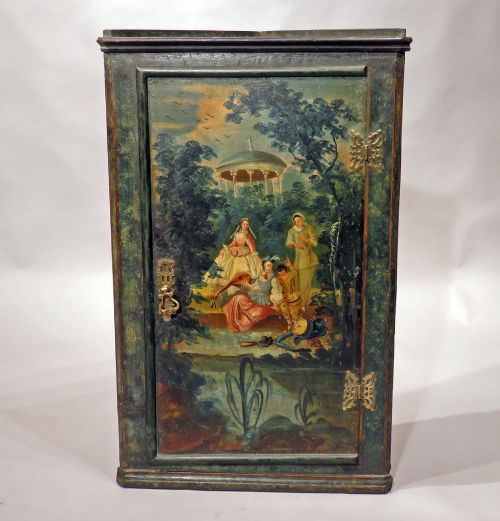
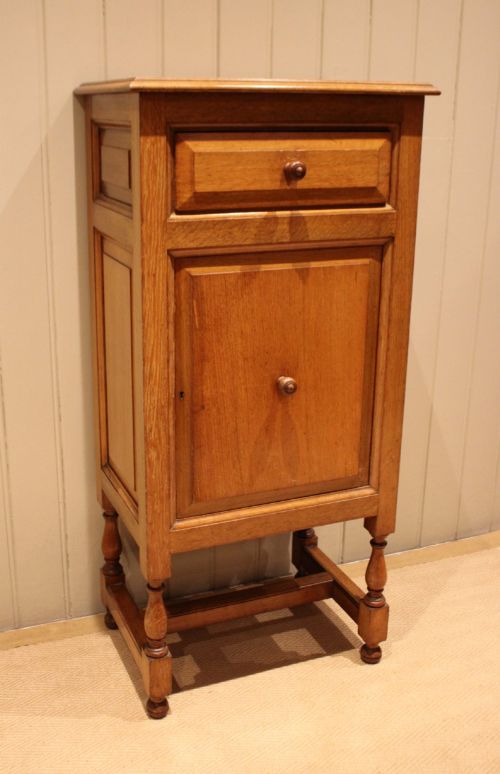
A small country cupboard encompasses practical domestic storage pieces originating from rural homes, farmhouses, and provincial dwellings across Britain and continental Europe. These utilitarian items include hanging wall cabinets, bedside tables, linen presses, and compact dressers.
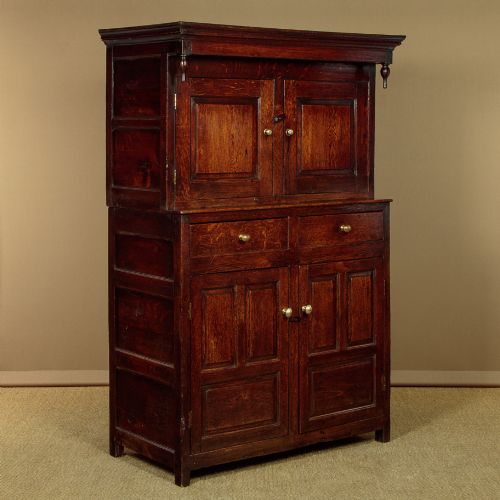
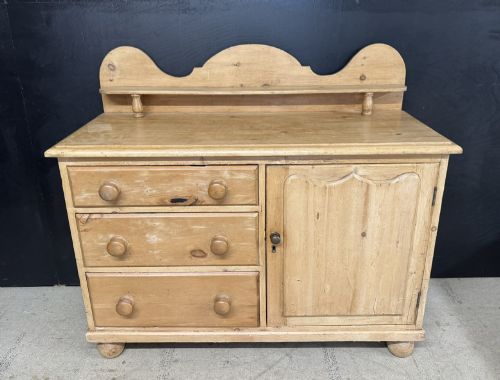
The pieces on this page span several centuries, with 18th-century oak examples and 19th-century pine versions appearing most frequently. Regional variations such as Welsh vernacular furniture and French provincial confituriers dominate the selection.
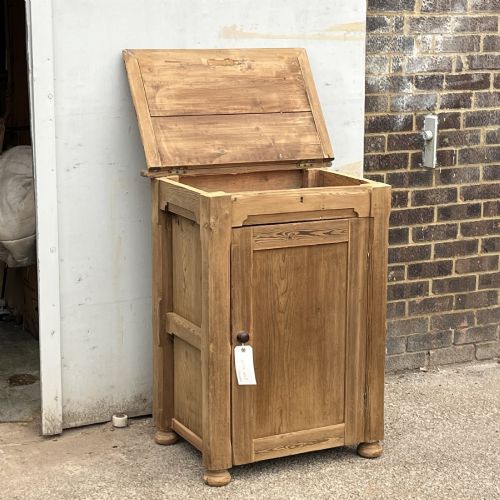
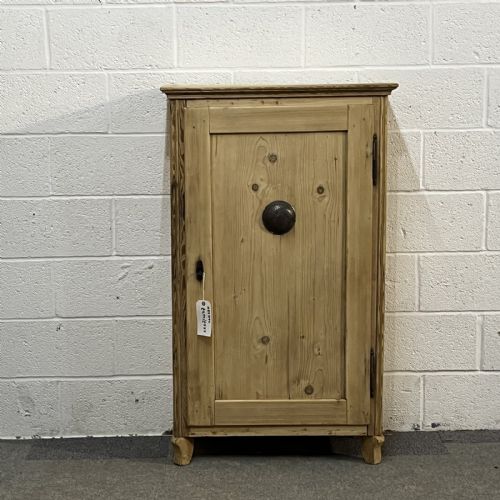
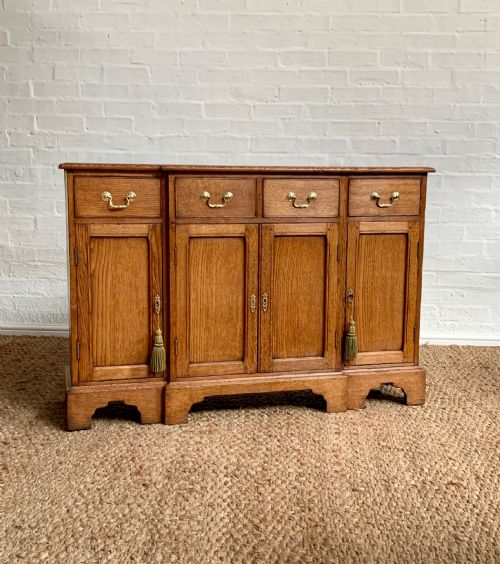
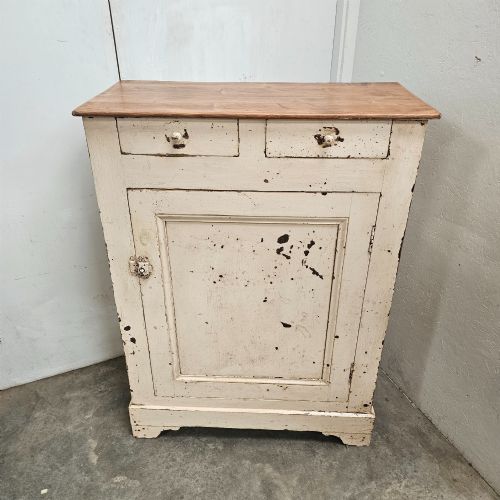
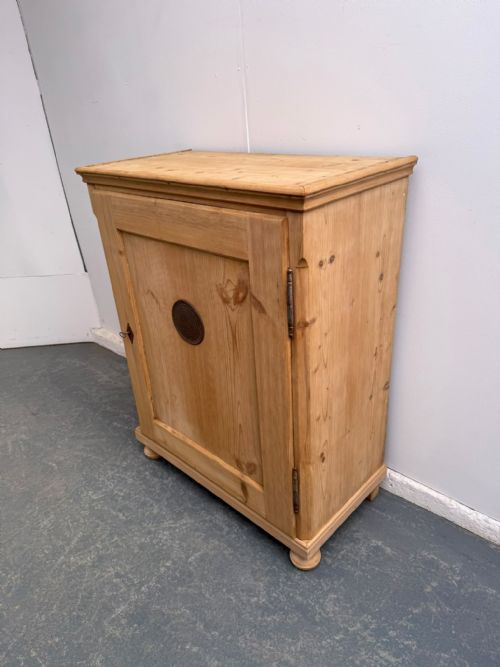
Buyers encounter diverse configurations, from single-door wall units to low bedside cabinets and multi-tiered cupboards. Oak and painted pine represent the predominant timbers employed in these domestic containers.
Materials and Construction
Local timbers such as solid oak, pine, fruitwood, and cherry form the primary structure of these provincial pieces. Carpenters utilised traditional joinery methods, fixing panels and frames with peg joints and simple hinges.
Surfaces often display plain waxed finishes, layered old paint, or stripped timber surfaces that reveal the grain. Iron hinges, brass escutcheons, and wooden latches complete the functional hardware of the cabinets.
Small Country Cupboard Retail Price Guide 2026
Typical asking prices for small country cupboard among the pieces listed under this phrase on Sellingantiques today, from the lower quarter to the upper quarter. They describe what is for sale here now, not the wider market.
Listings feature regional vernacular furniture spanning the seventeenth to the twentieth century, constructed from oak, pine, cherry, and fruitwood.
Evaluating the Pieces
Integrity of timber and originality of surface finish distinguish superior examples from heavily altered items. Retained backboards, original brass or iron fittings, and untouched patination elevate a piece's standing.
Proportion and scale dictate the visual success of smaller country furniture. Refined mouldings and balanced door panels separate utilitarian workshop output from finer vernacular cabinet-making.
The Small Country Cupboard Glossary
- Cwpwrdd Deuddarn
- A traditional Welsh two-piece cupboard featuring enclosed upper and lower sections. These regional forms often incorporate panelled doors and internal shelving.
- Confiturier
- A French jam cupboard designed to store preserves and provisions in provincial kitchens. These small cabinets typically stand on slender legs with a single door and drawer.
- Panetiere
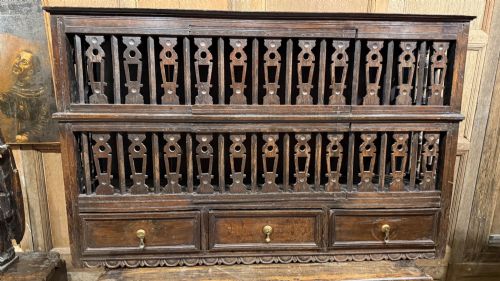
- A French ventilated bread safe constructed with turned spindles or pierced panels to circulate air. Bakers utilised these wall-mounted or freestanding units to keep loaves fresh.
- Hutch
- An early form of enclosed storage cabinet raised on legs or solid board ends. These rustic pieces provide basic enclosed space behind hinged wooden doors.
- Housekeeper's Cupboard
- A large storage press traditionally used for linen and dry goods in country houses. Smaller versions of these functional chests appear frequently in domestic settings.
Small Country Cupboard: Frequently Asked Questions
What is a small country cupboard used for?
These compact cabinets serve as practical storage units for tableware, linens, and provisions in modern living spaces. Their modest proportions allow them to fit easily into hallways, bedrooms, and kitchens.
Historically, rural households relied on these cupboards to secure food, utensils, and textiles away from damp walls and pests. Today, they function equally well as bedside tables or accent storage in smaller rooms.
How do I date an antique pine cupboard?
Dating relies on examining construction techniques, tool marks, and hardware types visible on the timber frame. Hand-sawn boards and pegged joints usually indicate earlier manufacturing periods.
Later Victorian and Edwardian pieces often display machine-cut timber and standardised iron hinges. Paint layers and surface wear also offer clues regarding the age and history of the cabinet.
Are these cupboards made of solid oak?
Many of the earlier pieces utilise solid local oak throughout the frame, panels, and internal shelving. This dense hardwood provides sturdy and enduring construction for domestic utility.
Later items frequently employ solid pine or fruitwood, particularly in regional provincial workshops. Backboards and secondary elements in pine are common across various periods.
How should I care for a waxed pine finish?
Maintain waxed surfaces by applying a traditional beeswax polish periodically to nourish the dry timber. Avoid placing these wooden items near direct heat sources or damp environments.
Gentle dusting with a soft cloth preserves the natural patina built up over centuries of use. Harsh chemical cleaners will strip the historic wax and alter the appearance of the wood.