
Small Brown Chest
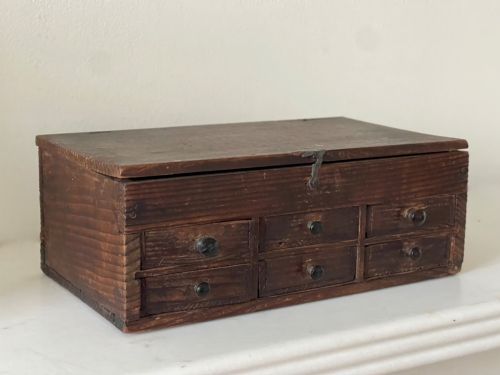
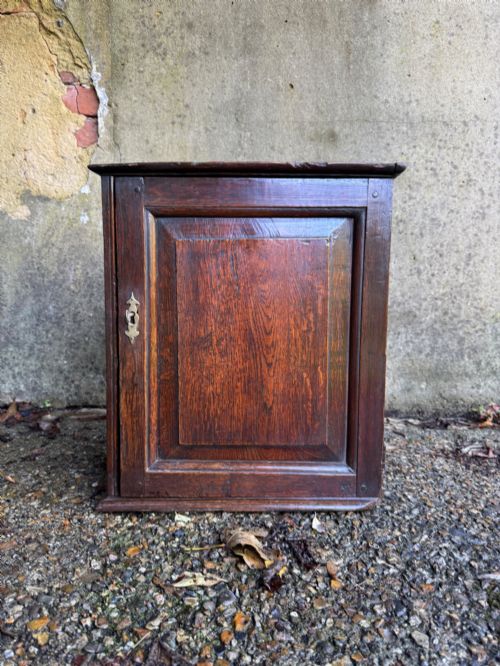
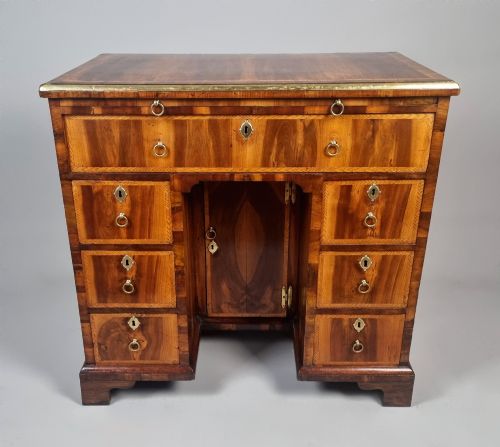
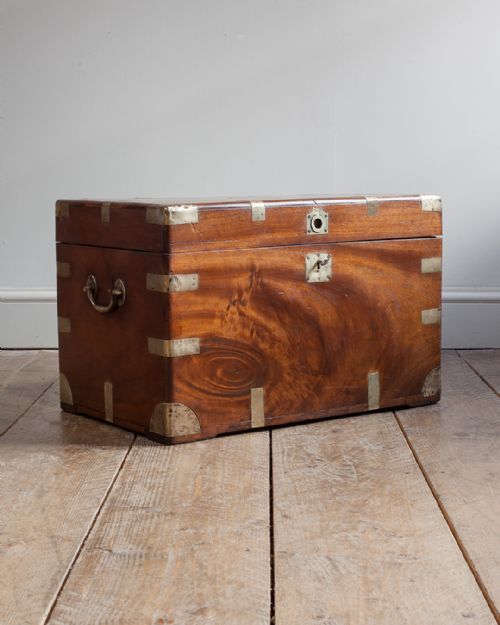
A small brown chest brings compact storage and rich timber warmth into a room without dominating the floor space.
Small Brown Chest
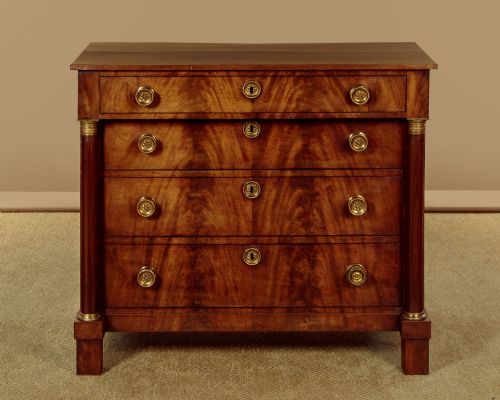
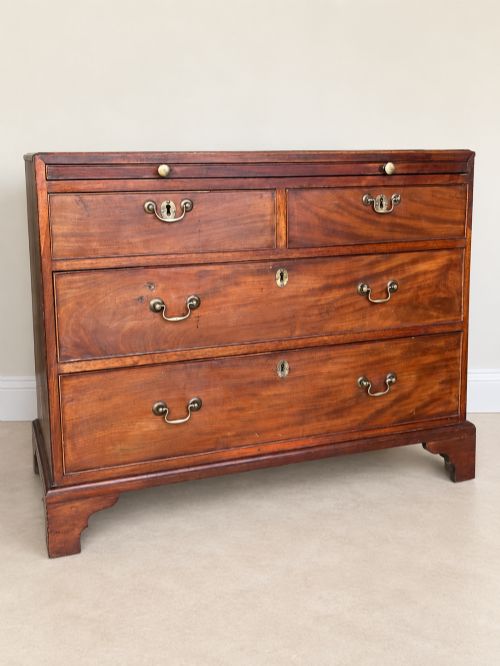
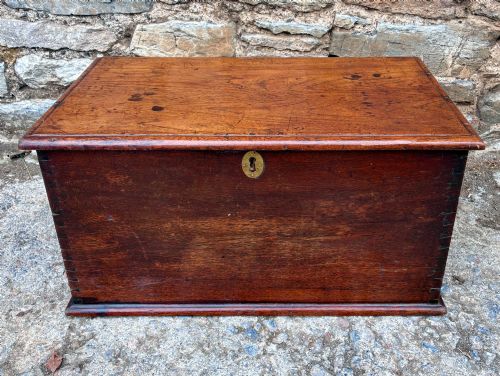
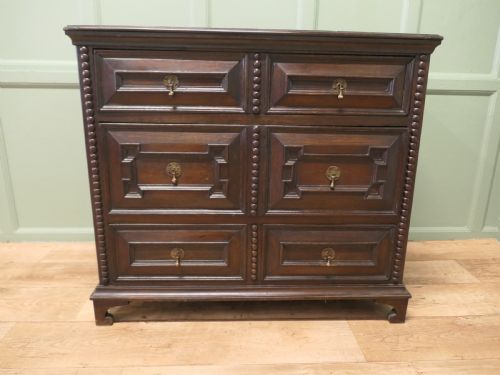
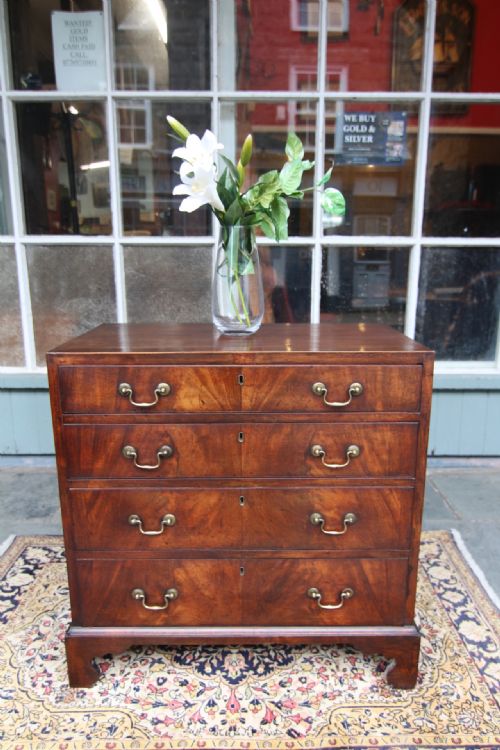
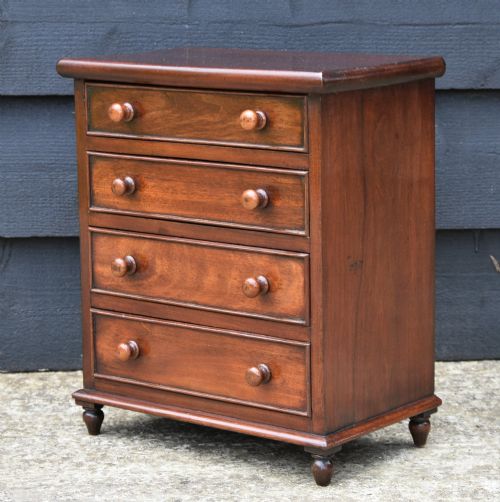
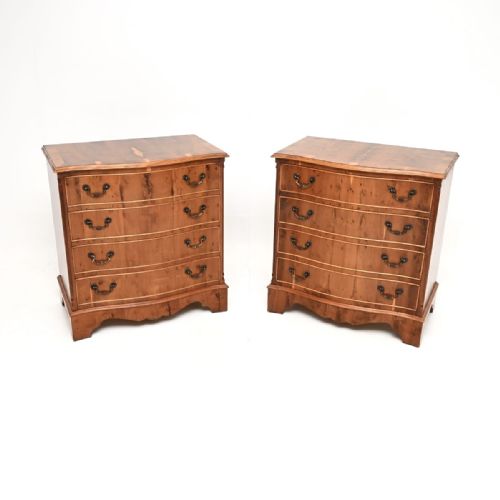
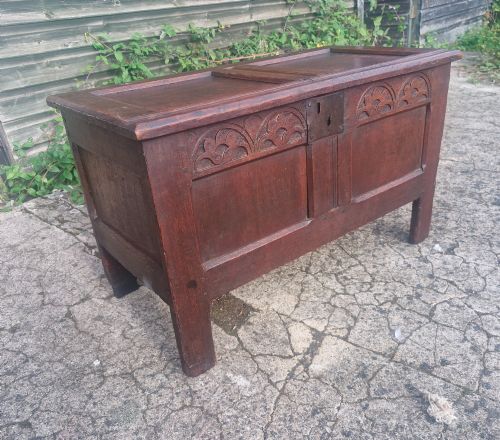
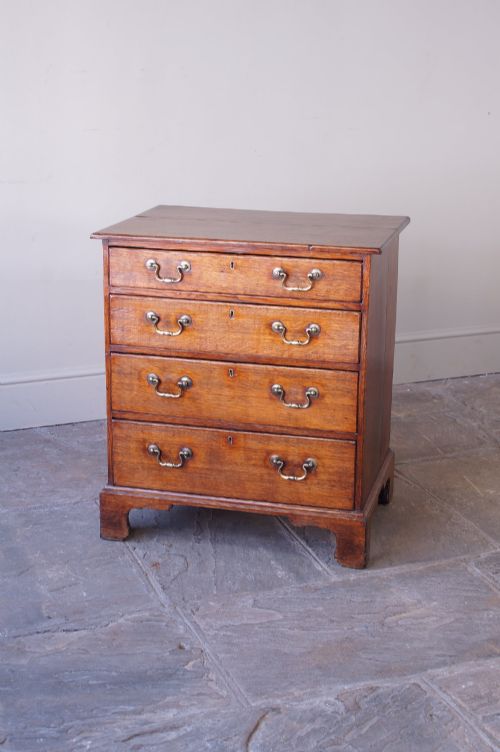
A small brown chest encompasses a diverse group of compact storage furniture spanning from the seventeenth century through the Edwardian era. When searching for a small brown chest, buyers encounter practical domestic pieces including miniature chests of drawers, bedside cabinets, coffer chests, and bachelors chests.
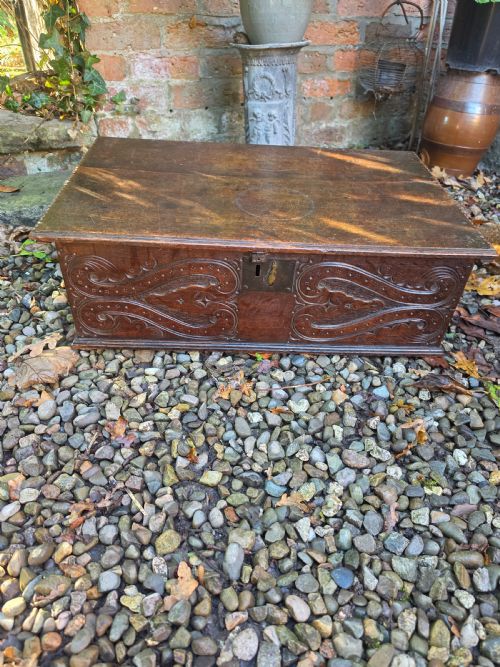
The selection ranges from early oak bible boxes and spice cupboards to refined Georgian mahogany designs and Victorian apprentice pieces. Many examples utilise traditional timber forms with graduated drawers or hinged lids suited for confined spaces.
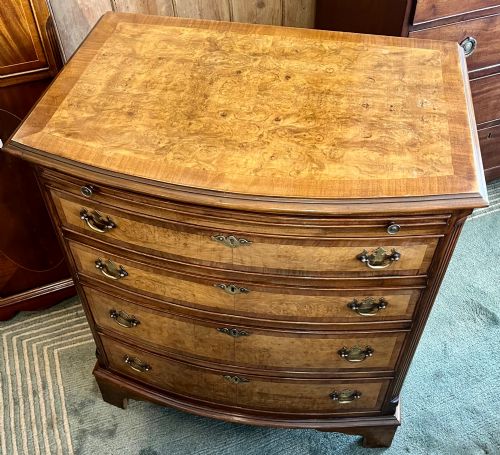
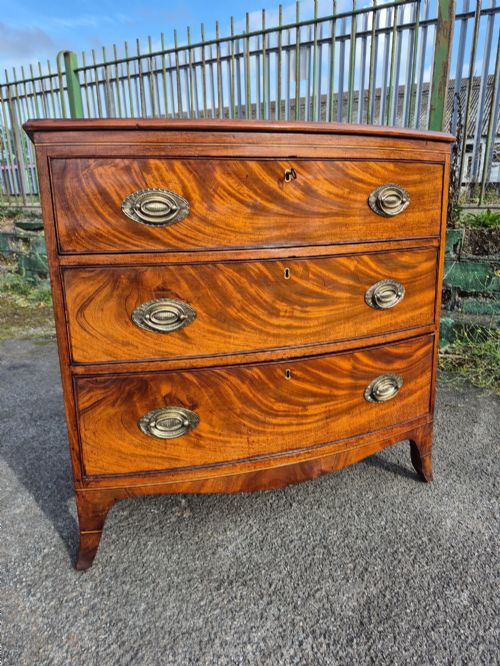
Origins stretch across multiple stylistic periods, featuring Georgian proportions, Regency bow fronts, and later Edwardian interpretations. These compact pieces serve as functional storage units or display surfaces while maintaining historical character.
Materials and Construction
Cabinet makers constructed these pieces primarily from sturdy timbers such as oak, mahogany, walnut, and teak, often applying burr walnut or wood veneers to enhance the visual grain. Solid wood panels provide the structural integrity required for daily use across centuries.
Detailing frequently incorporates brass drawer pulls, escutcheons, and hinges that contrast against the dark wood tones. Joinery techniques range from early hand-cut dovetails on eighteenth-century drawers to panelled construction on seventeenth-century coffers.
Listings feature timbers including oak, mahogany, walnut, teak, and camphor wood across periods from the seventeenth century to the 1930s.
Assessing Craftsmanship
Quality reveals itself in the selection of figured timbers and the precision of the cabinet work, particularly around drawer linings and dovetail joints. Superior examples display careful book-matching on veneers and balanced proportions across the facade.
The retention of original brass hardware and untouched surface patination separates finer vernacular and formal pieces from heavily restored alternatives. Subtle details such as secondary wood choices inside drawer boxes indicate the origin and period of manufacture.
The Small Brown Chest Glossary
- Bachelors chest
- A small folding-top chest designed for personal use in domestic chambers. These compact units often include a brushing slide above the primary drawers.
- Apprentice piece
- A miniature furniture item created by a skilled learner to demonstrate proficiency to a guild. These items mirror full-scale chests in every structural detail.
- Brushing slide
- A pull-out shelf mounted above the top drawer of a chest used for writing or grooming. It slides flush into the cabinet frame when not in use.
- Bow front
- A convex curved cabinet facade popular during the Georgian and Regency periods. This curvature softens the rectangular profile of the furniture.
- Coffer
- A heavy wooden storage box with a hinged lid used for household goods before fitted closets became common. Early versions feature hand-carved panels.
Small Brown Chest: Frequently Asked Questions
What is a bachelors chest?
A bachelors chest is a compact drawer unit equipped with a sliding shelf just beneath the top surface. It served gentlemen requiring a writing or dressing ledge in smaller bedchambers.
These pieces combine the storage capacity of a standard chest with the multi-functional utility of a small desk.
How do I date a wooden chest?
Dating relies on examining construction methods, wood types, and hardware styles across different eras. Seventeenth and eighteenth-century examples display hand-sawn timbers and pegged joints, whereas later pieces show machine-cut precision.
Secondary woods inside drawers and the presence of original brasses also point to specific manufacturing decades.
Where should I place a small chest?
These compact chests fit easily into hallways, alcoves, or bedside areas where standard furniture proves too bulky. Their limited footprint provides functional storage while acting as a display surface for lamps or decorative objects.
Placing them away from direct heat sources protects the antique wood veneers and polish.