



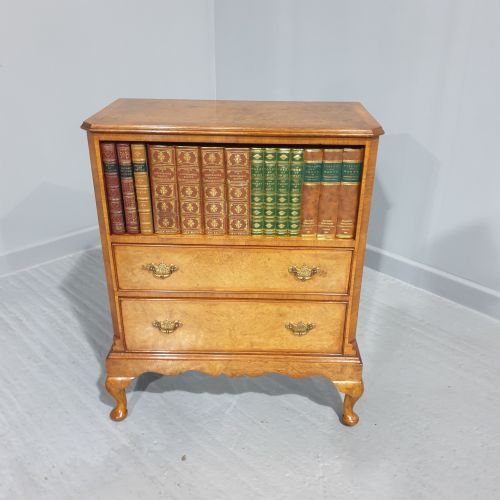
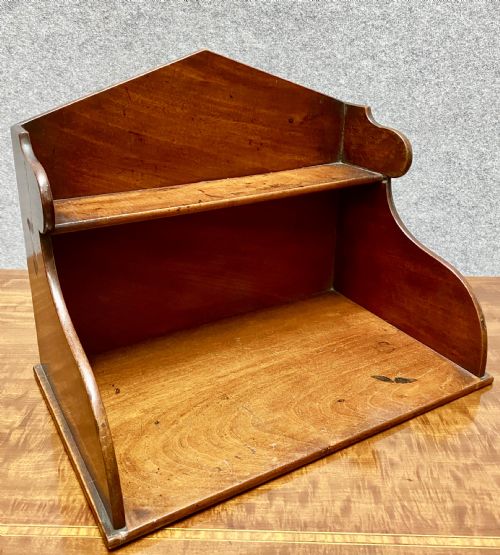

Small Book Storage
Small book storage offers a practical way to house volumes in compact spaces, spanning open bookcases, tabletop cabinets and side tables from the nineteenth and twentieth centuries.
Small Book Storage
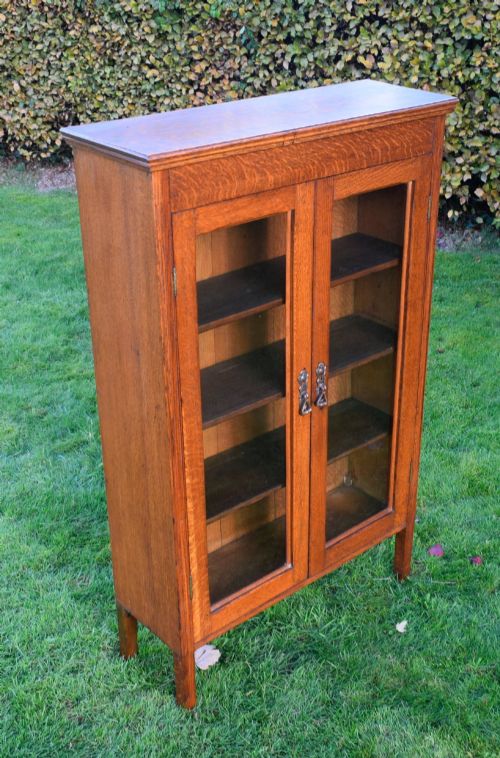
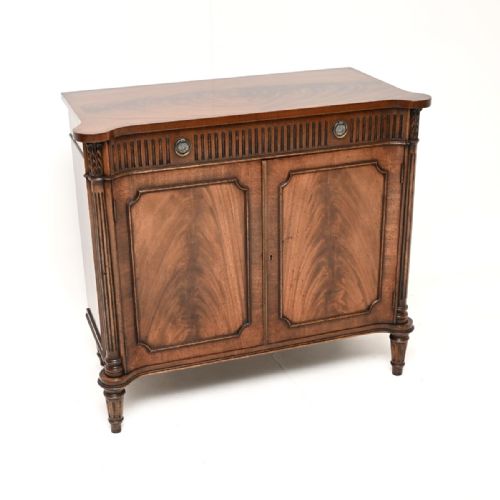
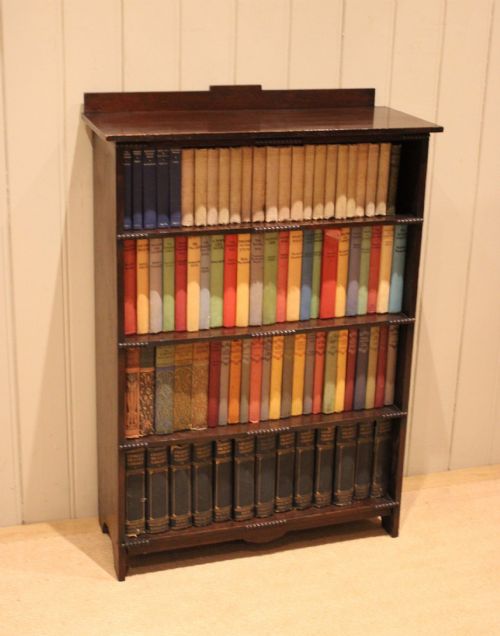
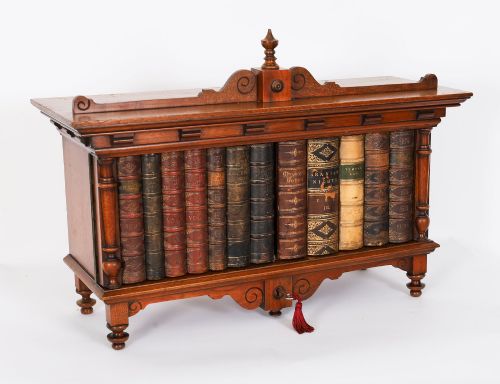
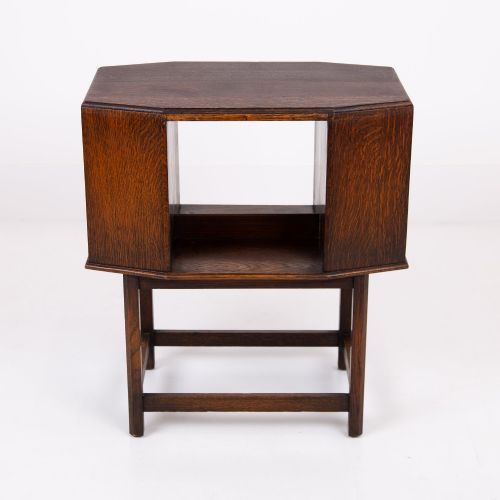
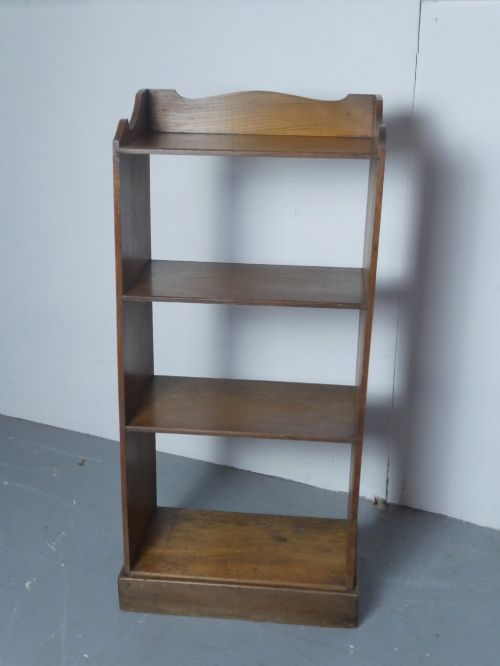
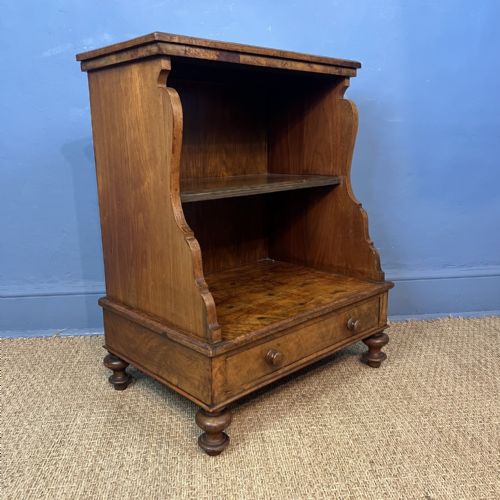
Small book storage encompasses compact furniture designed to hold books, including open bookcases, side tables with storage, chiffoniers, and tabletop cabinets. These pieces range from Edwardian carved oak open bookcases to Victorian walnut collectors cabinets and Art Deco side tables.
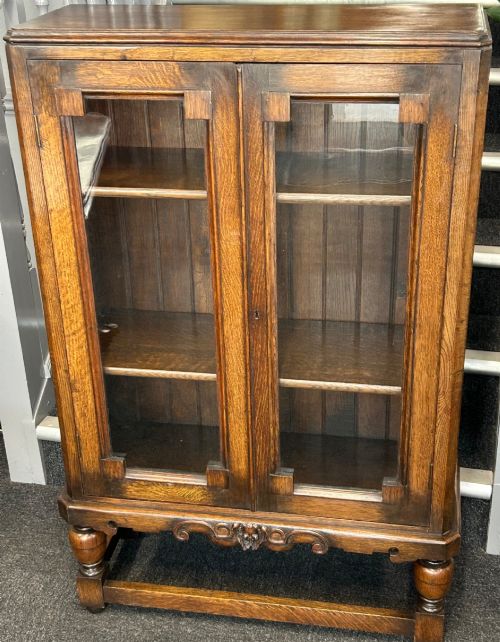
You are most likely to meet oak and mahogany pieces from the Edwardian period and the 1920s on this page. Formats vary from simple open beaded edge shelves to two-door glazed cabinets and desk tidy bookshelves.
Originating largely from English workshops across the nineteenth and early twentieth centuries, these items adapt easily to modern rooms. They serve function and display simultaneously without demanding floor space.
How they were made
Joinery relies heavily on solid oak, mahogany, and walnut, often enhanced with burr walnut veneers or inlaid and ebonised details. Brass fittings appear frequently for handles, hinges, and decorative mounts on cabinets and drawers.
Small Book Storage Retail Price Guide 2026
Typical asking prices for small book storage among the pieces listed under this phrase on Sellingantiques today, from the lower quarter to the upper quarter. They describe what is for sale here now, not the wider market.
Listings span periods from Georgian and Victorian to Edwardian, 1870, 1900, 1920, and 1930.
What varies in quality
Material selection divides the range, distinguishing simple utility pieces in dark oak from finely figured burr walnut and rich mahogany. The choice of timber grain and veneer symmetry sets finer examples apart from standard production.
Execution of decorative elements such as carved doors, inlaid stringing, and ebonised highlights determines the refinement of a piece. Structural integration, including the quality of glass and brass hardware, signals the original maker's intent.
The Small Book Storage Glossary
- Open bookcase
- A piece of furniture consisting of horizontal shelves supported by vertical uprights without doors, designed for accessible book storage.
- Chiffonier
- A low sideboard or cabinet, sometimes fitted with open book shelves above the enclosed storage space.
- Burr walnut
- Timber taken from a walnut tree growth, prized for its swirling, highly figured grain patterns used in fine cabinet making.
- Desk tidy
- A small tabletop accessory or bookshelf designed to organise stationery, letters, and small volumes.
- Jacobean Revival
- A nineteenth and twentieth century design style drawing heavily on seventeenth century English ornamentation, featuring heavy carved motifs and dark oak.
Small Book Storage: Frequently Asked Questions
What is small book storage?
Small book storage comprises compact furniture forms built to hold volumes in limited spaces. These include open bookcases, tabletop cabinets, and side tables.
Items date from the Georgian era through the Edwardian period into the 1930s. They utilise woods like oak, mahogany, and walnut.
How were these cabinets used?
These pieces sat in studies, bedrooms, and parlours to keep daily reading materials close at hand. Tabletop cabinets held reference books and papers on desks.
Open shelves displayed treasured volumes for easy browsing. Cupboard bases and lower drawers provided hidden storage for correspondence.
How do I style a small bookcase?
Place a compact bookcase beside a reading chair or use a side table with storage next to a sofa. Low open shelves fit well beneath windows or in hallways.
Combine books with small decorative objects or plants on top surfaces. Match the timber tone to existing room decor.
How do I date an oak bookcase?
Examine the construction methods, hardware, and stylistic revival influences visible in the piece. Edwardian and 1920s oak bookcases often show simple machine-assisted joinery.
Earlier nineteenth century examples display hand-cut joints and distinct period proportions. Art Deco pieces introduce geometric lines and modernist oak forms from the 1930s.