





Slatted Wood Seat
Slatted wood seat designs range from sturdy garden benches to rustic Windsor chairs, offering practical utility and enduring period charm.
Slatted Wood Seat
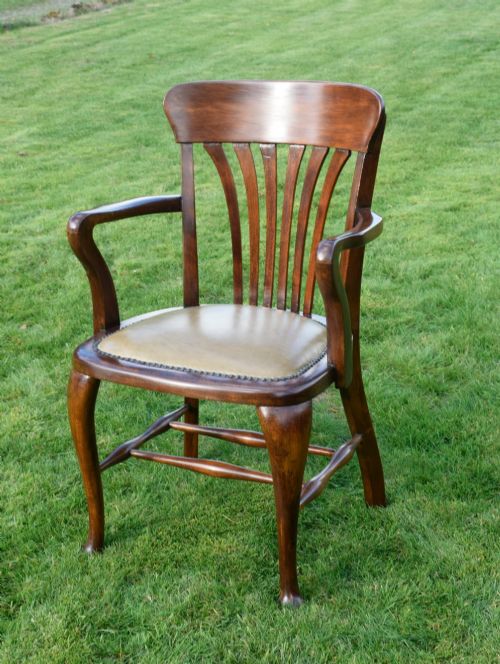
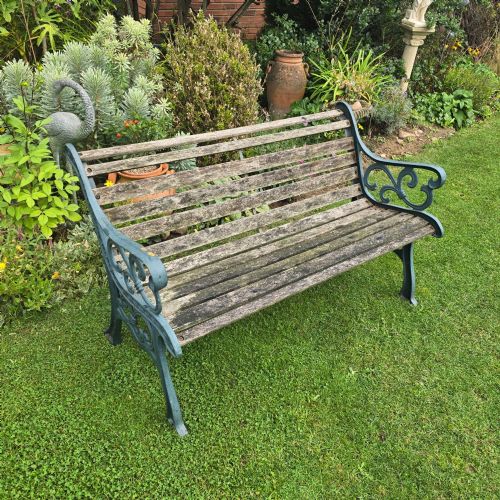
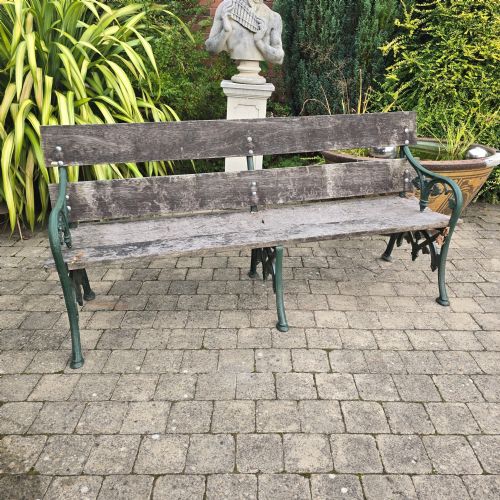
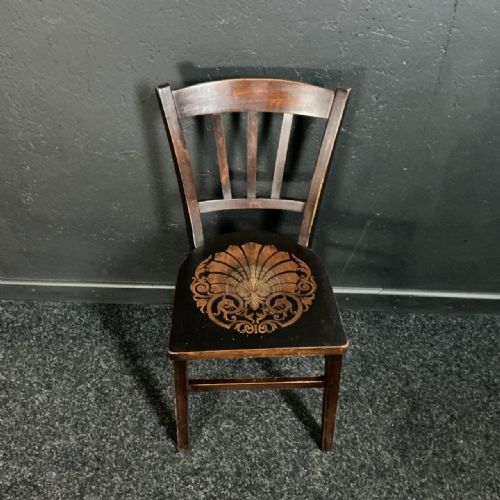
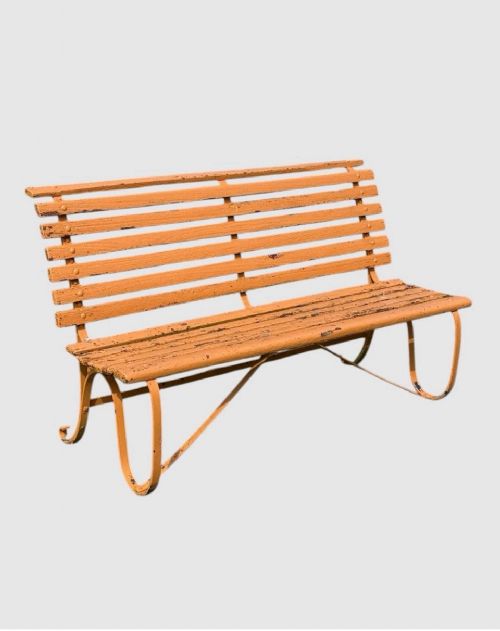
A slatted wood seat comprises forms such as garden benches, kitchen Windsor chairs, and armchair variations designed for both indoor and outdoor utility. These pieces span from the 17th century through to the early 20th century, encompassing styles from English Country and Rustic Farmhouse to Arts and Crafts and Victorian.
The most common versions met on this page include elm and oak farmhouse seating alongside cast iron and timber garden benches. Buyers encounter single country chairs, matching dining sets, and folding child variants across various periods.
Materials and construction
The construction relies heavily on native timbers such as elm, beech, oak, and mahogany, often paired with rush for woven seating surfaces. Structural support in outdoor examples frequently incorporates cast iron frames alongside wooden slats.
Joinery techniques reflect vernacular traditions, employing turned spindles, ladder backs, and bentwood methods to achieve durable frames. Surfaces range from well-weathered exterior timber to polished interior hardwoods.
Slatted Wood Seat Retail Price Guide 2026
Typical asking prices for slatted wood seat among the pieces listed under this phrase on Sellingantiques today, from the lower quarter to the upper quarter. They describe what is for sale here now, not the wider market.
Listings feature items spanning the 17th, 18th, 19th, and early 20th centuries, utilising elm, beech, oak, mahogany, rush, and cast iron.
Distinctions in quality
Quality differences stem from the selection of timber and the integrity of the original construction rather than surface wear alone. Solid hardwoods like oak and figured elm command attention for their structural longevity.
Refined joinery in formal dining chairs contrasts with the robust simplicity of country vernacular pieces. Original patination and untouched surfaces elevate individual examples above later restorations.
The Slatted Wood Seat Glossary
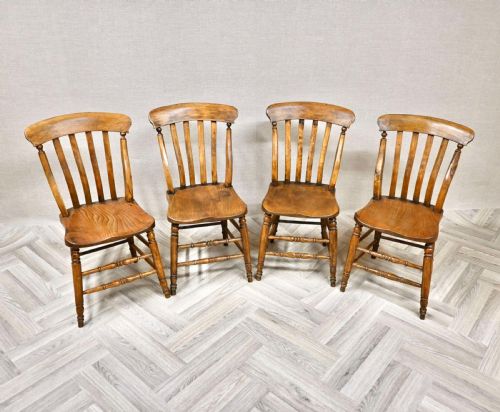
- Windsor chair
- A chair built with a solid wooden seat into which the legs and back spindles are round-tenoned directly. These vernacular pieces often feature bow backs and comfortable saddled seats.
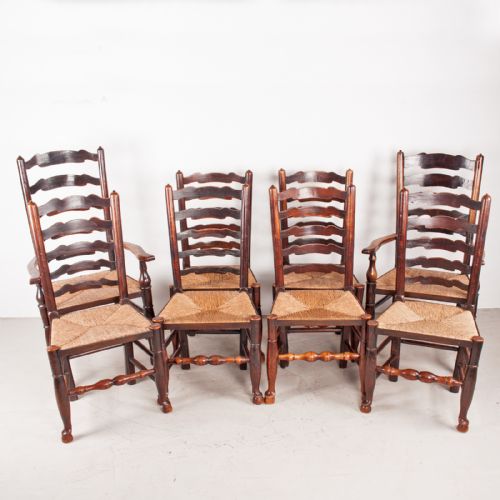
- Ladderback
- A chair style featuring horizontal slats or bars between the upright posts of the back. This traditional form appears frequently in country dining and kitchen settings.
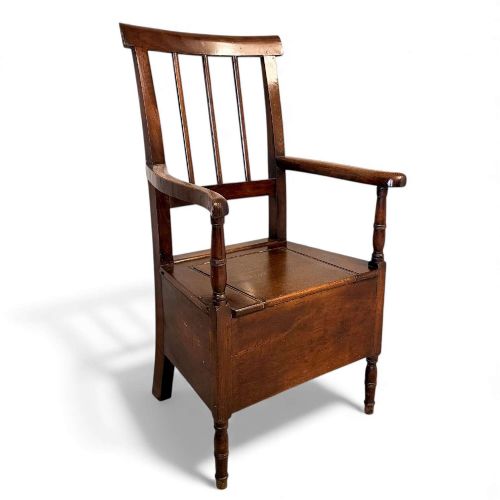
- Commode chair
- An enclosed chair designed to house a chamber pot beneath a lidded seat. Early examples often disguise this utilitarian function within standard cabinet or armchair forms.
- Commode chair
- An enclosed chair designed to house a chamber pot beneath a lidded seat. Early examples often disguise this utilitarian function within standard cabinet or armchair forms.
- Vernacular
- Objects made by local craftsmen for everyday use rather than following high-style academic designs. These pieces utilise regional materials and practical construction methods.
- Bentwood
- Wood rendered pliable via steam treatment and then bent into curved structural forms. This technique characterises specific 19th-century and Edwardian seating designs.
Slatted Wood Seat: Frequently Asked Questions
Where were slatted garden benches placed?
Garden benches were traditionally positioned along park pathways, on patio lawns, or encircling mature trees to provide restful viewpoints.
Their weather-resistant timber and cast iron construction allowed them to remain outdoors through changing seasons.
How do I identify a Windsor chair?
Windsor chairs are characterised by distinct spindles fitted directly into a thick, often saddled wooden seat base. They frequently include hoop or comb back structures.
Country iterations rely on native woods like elm and beech for their sturdy frames.
Can I use antique garden benches outside?
Many exterior forms utilise durable timber and cast iron specifically engineered to withstand outdoor environments. Well-weathered examples have developed protective silvered patinas over decades of exposure.
Covering or storing pieces during harsh winter months helps preserve their structural integrity.