

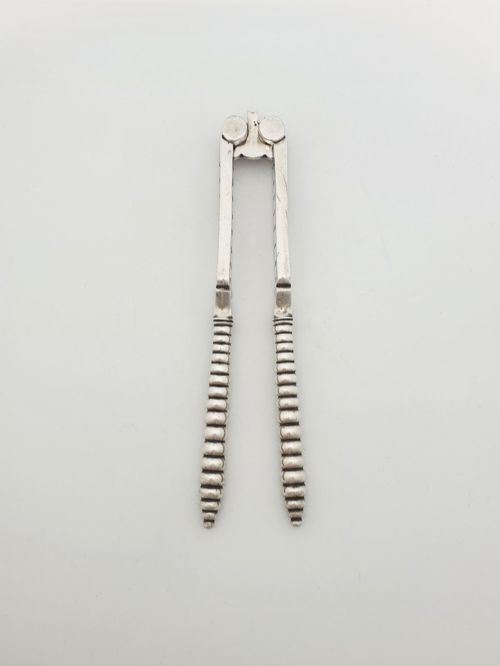


Silverplated Tableware
Silverplated tableware brings substance to the table, offering the bright gleam of silver without the heavier purse.
Silverplated Tableware
Silverplated tableware covers the functional and decorative pieces that filled dining rooms from the Victorian era through the Art Deco period. When you search for silverplated tableware, you encounter serving items designed to assist with specific courses, from breakfast toast to formal evening desserts.
The pieces listed on this page span the mid-nineteenth century up to the 1930s, featuring forms like toast racks, spoon warmers, seafood tools, tea sets, biscuit barrels, cruet sets, serving dishes, and dessert bowls. Victorian examples predominate, alongside Edwardian tea sets and Art Deco dessert dishes.
Makers such as William Hutton and Sons and Elkington appear among the English items, showing the standard manufacturing output of the period. Buyers find both simple domestic pieces and elaborate items featuring details like heraldic dragon finials.
Materials and construction
The foundation of these pieces relies on base metal coated with a layer of silver plate, providing a durable surface for everyday dining. Wood frequently appears as a supporting element or handle component, while cut crystal and cut glass form the bodies of items such as cruet sets and dessert bowls.
Techniques evolved across the nineteenth and early twentieth centuries, moving from heavy Victorian casting and ornamentation toward the clean geometric lines of the Art Deco period. Workshops applied silver plating over base metal using contemporary industrial methods, creating uniform finishes that survived decades of use.
Silverplated Tableware Retail Price Guide 2026
Typical asking prices for silverplated tableware among the pieces listed under this phrase on Sellingantiques today, from the lower quarter to the upper quarter. They describe what is for sale here now, not the wider market.
Listings show items spanning the Victorian era through the 1930s, utilising silver plate, base metal, wood, and cut glass.
Distinctions in quality
Quality rests on the crispness of the casting and the proportion of the metalwork, distinguishing standard domestic wares from high-workshop production. Maker attribution plays a significant part, with pieces bearing marks from established firms like Elkington carrying greater weight.
The preservation of the silver plate over the base metal determines the visual success of a piece, alongside the integrity of associated materials like cut glass inserts or wooden components. Heavier gauge metalwork and detailed ornamentation, such as heraldic finials, indicate a higher grade of manufacture.
William Hutton and Sons·Elkington
The Silverplated Tableware Glossary
- Silver Plate
- A thin layer of silver bonded to a base metal core. This technique allowed Victorian manufacturers to produce substantial domestic items at a fraction of the cost of solid silver.
- Toast Rack
- A tabletop frame fitted with vertical dividers to hold slices of toast upright. These pieces kept the toast crisp by preventing the slices from resting flat against one another.
- Spoon Warmer
- A vessel designed to hold hot water for warming silver spoons before serving soup or dessert. They often took whimsical forms, including shell shapes and sauce boat designs.
- Cruet Set
- A matched collection of glass bottles or jars mounted in a metal frame for holding condiments at the table. They typically contained oil, vinegar, mustard, and pepper.
- Biscuit Barrel
- A covered container used for serving dry biscuits in the drawing room or dining room. Victorian examples often featured elaborate finials and cut glass bodies.
Silverplated Tableware: Frequently Asked Questions
What is silverplated tableware?
Silverplated tableware consists of dining accessories and serving pieces made from a base metal coated in a layer of silver. The selection ranges from Victorian toast racks and spoon warmers to Edwardian tea sets and Art Deco dessert dishes.
These items brought polished presentation to the nineteenth and early twentieth-century dining table. They offer the appearance of solid silver alongside practical durability for daily meals.
How were spoon warmers used?
Spoon warmers were filled with hot water to warm table spoons prior to serving courses like soup or pudding. This prevented cold metal spoons from cooling down the food.
Victorian dining customs involved specific vessels for every stage of the meal. These warmers often sat on the sideboard in decorative shapes such as shells or sauce boats.
How do I date silverplated tableware?
Dating relies on stylistic clues, manufacturing techniques, and maker marks stamped into the base metal. Victorian pieces often display heavy ornamentation, while Edwardian items lean toward refined elegance and Art Deco pieces show geometric forms.
Makers like Elkington and William Hutton and Sons utilised specific stamps during the nineteenth century. Examining the form, such as a biscuit barrel with a heraldic finial versus a 1930s dessert dish, narrows the period.
How do I care for silver plate?
Silver plate requires gentle cleaning with specialised silver polishes to maintain the shine without wearing through the thin plating. Regular dusting and soft cloths prevent tarnish buildup on display pieces.
Items with wooden components or cut glass inserts need careful hand washing rather than immersion. Keeping pieces away from damp environments preserves both the metal surface and any internal glass.