



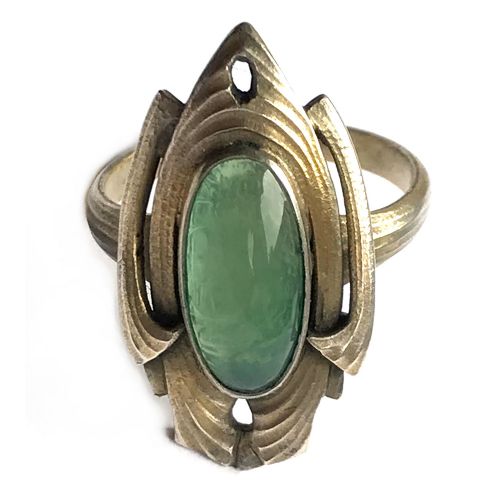
Silver Stone Ring
A silver stone ring brings together precious metals and colourful gems in wearable forms spanning Georgian times to the mid-Century.
Silver Stone Ring
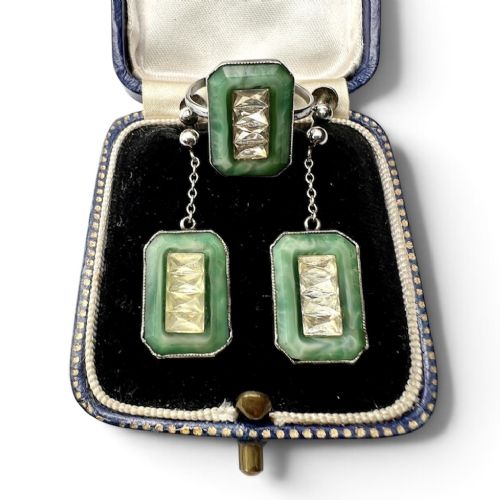
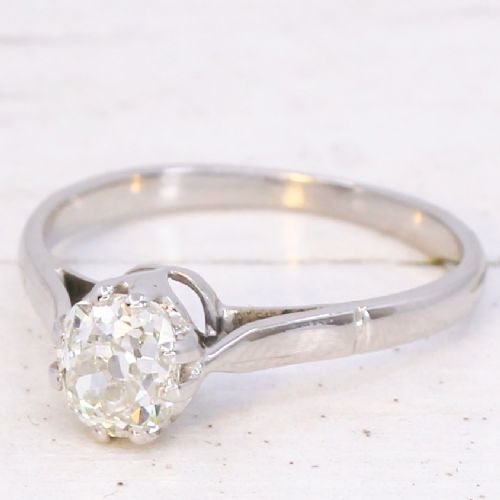
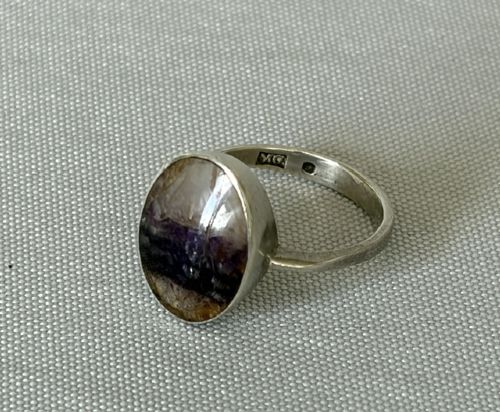
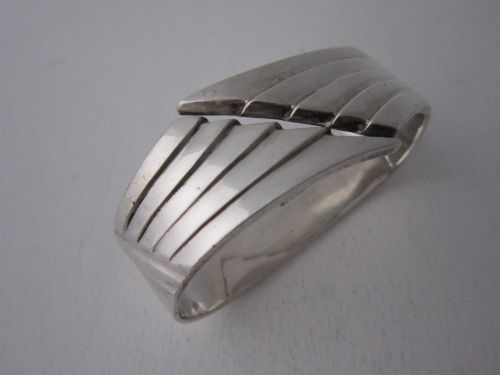
A silver stone ring encompasses various forms from Georgian paste clusters to mid-Century Blue John pieces and Art Deco diamond designs. When buyers search for a silver stone ring, they encounter items combining silver settings with gemstones or paste, alongside occasional napkin rings and jewellery sets. The selection includes pieces from the 19th Century, Georgian era, 1900, 1920, 1930, 1940, 1950, and later than 1960.
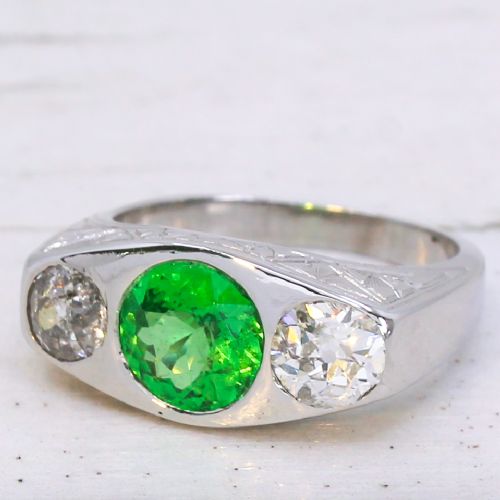
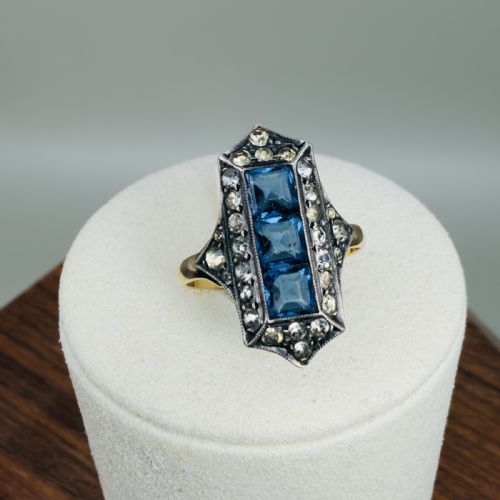
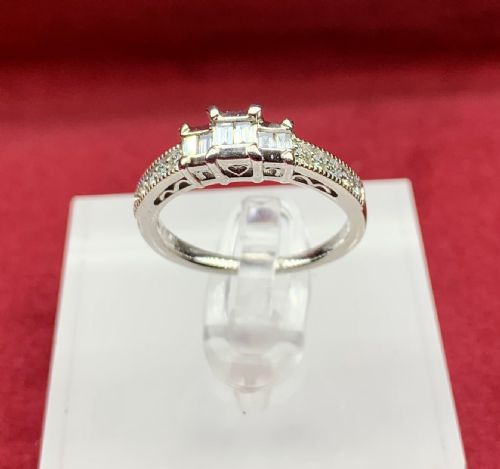
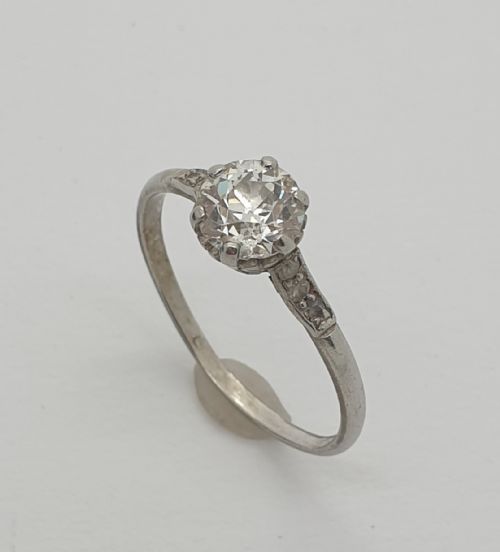
The most common examples on this page reflect Art Deco and mid-Century aesthetics, often pairing silver with gold accents or platinum. Styles range from vintage cocktail and Edwardian to Art Nouveau and Mid-Century Modern. These rings frequently feature central stones supported by smaller gems or paste accents in cluster, solitaire, and multi-stone arrangements.
Materials and construction
Makers utilised silver, gold including 9ct and 18ct variants, white gold, and platinum as foundational metals for these rings. Gemstones such as diamonds, sapphires, blue john fluorite, and chalcedony appear alongside green, white, and clear paste stones, plus corundum and spinel. Silver gilt surfaces also feature in specific Art Nouveau examples.
Techniques varied from early cluster settings combining gold and silver to later platinum solitaire mounts and sterling silver napkin ring construction. Stones received old cut, old mine cut, or brilliant faceting depending on the period, secured in claw, bezel, or clustered metalwork.
Silver Stone Ring Retail Price Guide 2026
Typical asking prices for silver stone ring among the pieces listed under this phrase on Sellingantiques today, from the lower quarter to the upper quarter. They describe what is for sale here now, not the wider market.
Listings feature periods from the Georgian era through the 1920s Art Deco movement up to mid-Century and later than 1960 designs.
Distinguishing quality
Quality in a silver stone ring depends on the precision of the metalwork and the integration of the stones within the setting. Superior examples demonstrate secure stone placement, balanced cluster proportions, and harmonious combinations of silver with gold or platinum elements. Lesser items show simpler construction or mismatched repairs.
The choice of materials further defines the tier, with natural diamonds and sapphires occupying a different category from historical paste stones or fluorite. Maker attribution, such as sterling silver pieces by R. E. Stone, adds distinct provenance and technical refinement to the hierarchy.
R. E. Stone
The Silver Stone Ring Glossary
- Paste
- Hand-cut glass used as a gemstone substitute in historical jewellery. Green, white, and clear paste stones appear frequently in Georgian and Art Deco pieces.
- Old cut
- A diamond cutting style prevalent before modern brilliant faceting standards developed. These stones feature smaller tables and larger culets that catch candlelight effectively.
- Silver gilt
- Silver coated with a thin layer of gold, known also as vermeil. This technique creates a warm surface tone seen on Art Nouveau designs.
Silver Stone Ring: Frequently Asked Questions
What is a silver stone ring?
A silver stone ring is a piece of jewellery featuring a silver band or setting combined with gemstones, paste, or decorative minerals. These items range from Georgian paste clusters to mid-Century fluorite designs.
Such rings span multiple eras, incorporating materials like diamond, platinum, and gold alongside silver to create varied aesthetic styles.
How do I date an antique silver ring?
Dating relies on stylistic clues like Art Deco geometric lines, Art Nouveau organic curves, or Georgian cluster configurations. Metal combinations, such as gold-backed silver settings, also point to specific historical periods.
Examining the stone cut provides further evidence, as old mine and old cut diamonds differ significantly from later modern facets.
How should I care for vintage silver jewellery?
Vintage silver requires gentle cleaning with appropriate cloths to preserve the metal surface and any delicate gilt layers. Avoid harsh chemical dips that can damage historical settings or softer stones like paste and fluorite.
Store pieces individually in soft pouches to prevent scratching between the silver, diamonds, and coloured gems.