





Silver Pin Holder
A silver pin holder is a charming dressing table accessory crafted to keep pins tidy, offering a delightful glimpse into historical craftsmanship.
Silver Pin Holder
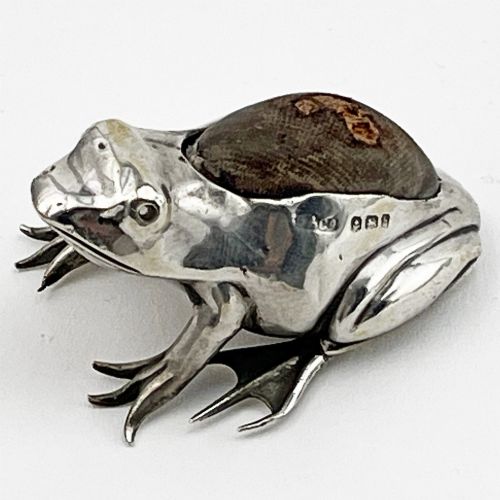
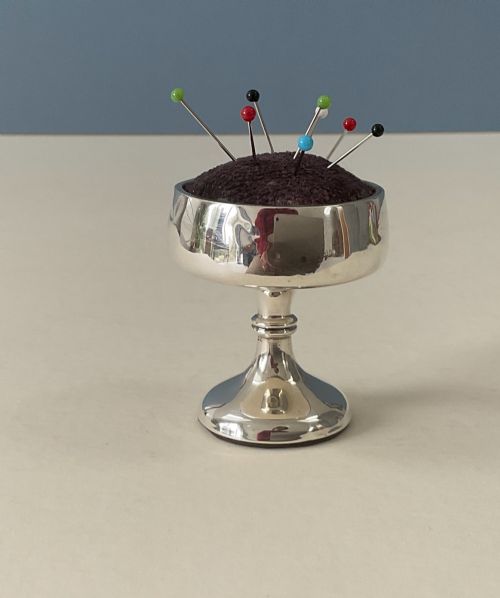
A silver pin holder encompasses both functional hatpin stands and decorative pin cushions shaped from precious metal. These items range from simple receptacles to whimsical novelty forms designed to sit upon a dressing table.
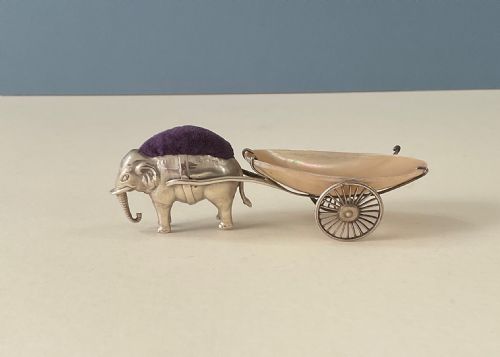
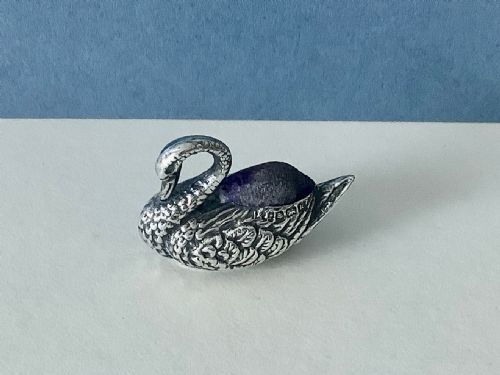
Buyers frequently encounter Edwardian and Victorian examples on this page, reflecting periods when meticulous personal grooming accessories held significant popularity. The selection spans standard cushions alongside elaborate novelty designs like animals and miniature objects.
Forms vary from upright hatpin stands to small figural cushions fashioned as teapots, goblets, and birds. Each piece combines practical utility with the ornamental charm typical of nineteenth and twentieth-century vanity items.
Materials and construction methods
Many examples integrate supplementary materials like velvet, fabric, glass, or shell to form the functional cushion or base. Textile elements provide the soft surface necessary for holding pins securely without damaging their points.
Victorian silversmiths occasionally transformed everyday items like teapots and policemen into tiny, pin-ready sculptures.
Factors of distinction
The preservation of original materials, such as the fitted fabric or velvet inserts, contributes significantly to a piece's integrity. Well-preserved hallmarks and balanced proportions further separate standard domestic items from superior examples of silversmithing.
Crisford & Norris·Artificer's Guild·George W Shiebler
The Silver Pin Holder Glossary
- Novelty pin cushion
- A small container or figure fashioned into an amusing or unusual shape, such as an animal or household object. These items were popular conversation pieces on dressing tables.
- Hatpin stand
- An upright receptacle designed to hold long hatpins securely in an upright position. They often feature weighted bases and supportive collars.
- Hallmark
- An official stamp or series of marks applied to precious metals to indicate purity, the maker, and the assay office. These markings help date and attribute items accurately.
- Dressing table accessories
- A collective category for small functional items used during personal grooming and toilet routines. They occupied prominent places on Victorian and Edwardian dressing tables.
Silver Pin Holder: Frequently Asked Questions
How were they used historically?
Victorian and Edwardian users placed these items on dressing tables or sewing desks to keep pins organised and easily accessible during dressing. Hatpin stands specifically accommodated the long, ornamental hatpins required by contemporary fashion.
The soft cushions protected delicate pin points while the heavy silver bases prevented the holders from tipping over during use.
How do I care for silver pin holders?
Maintaining these pieces involves gentle cleaning of the silver elements with appropriate polishing cloths to preserve hallmarks and delicate details. Fabric or velvet cushions require protection from moisture and dust to maintain their original condition.
Displaying them away from direct sunlight prevents fading in the integrated textile components.
How can I tell the period?
Dating relies heavily on legible hallmarks stamped into the silver, which identify the assay office and year of manufacture. Stylistic clues, such as the ornate flourishes of Victorian design or the cleaner lines associated with Edwardian and later periods, also indicate age.
Comparing the manufacturing techniques and material choices against known historical periods provides further chronological context.