
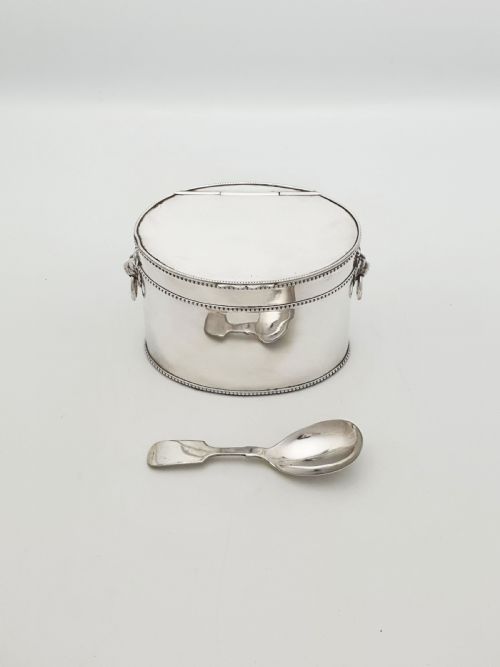
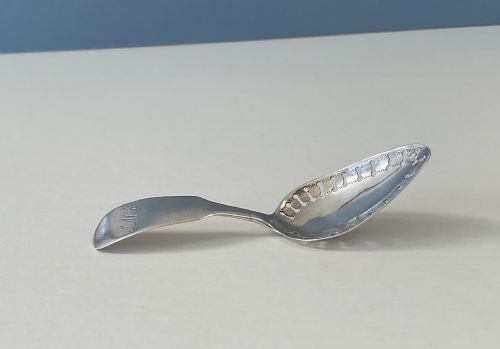


Silver Loose Tea Spoon
A silver loose tea spoon is a purposeful utensil designed for measuring leaf tea, prized by collectors for its compact form and diverse historical styles.
Silver Loose Tea Spoon
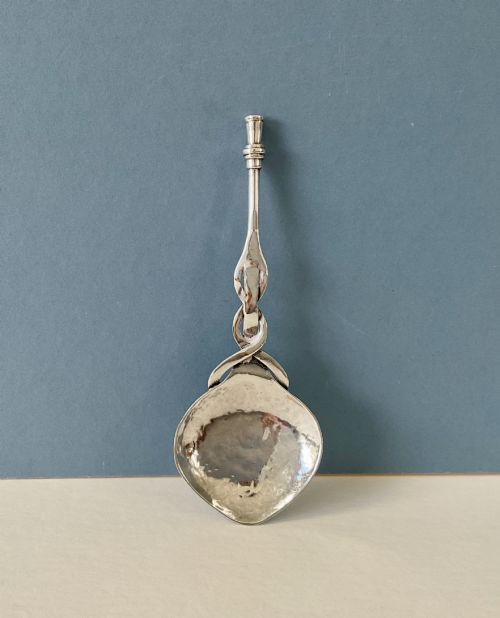
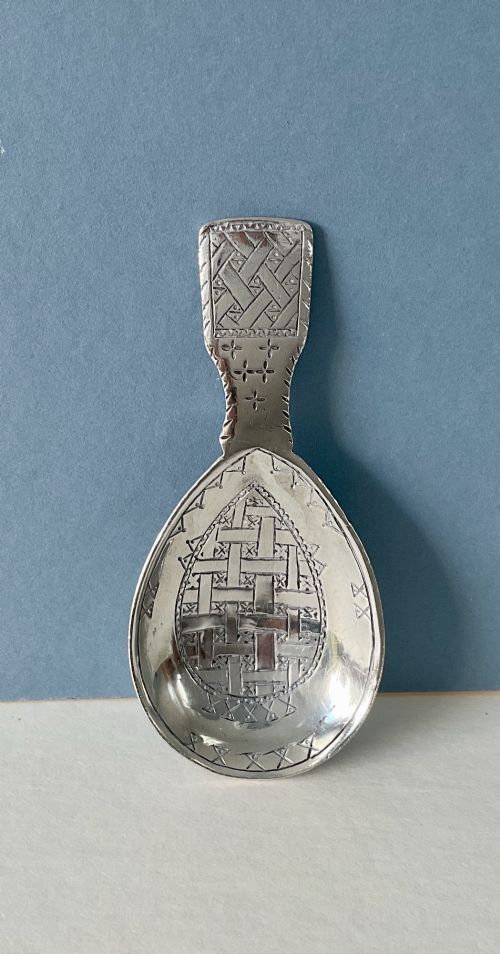
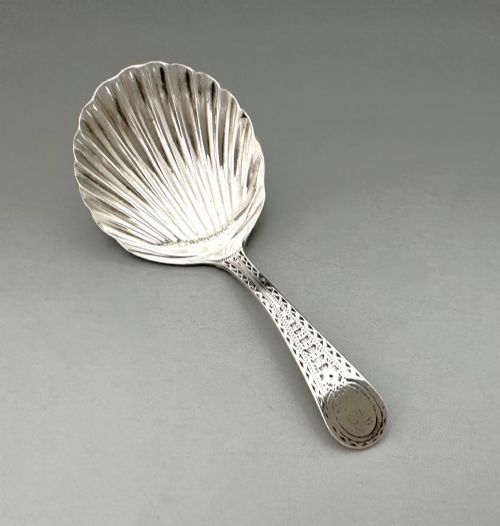
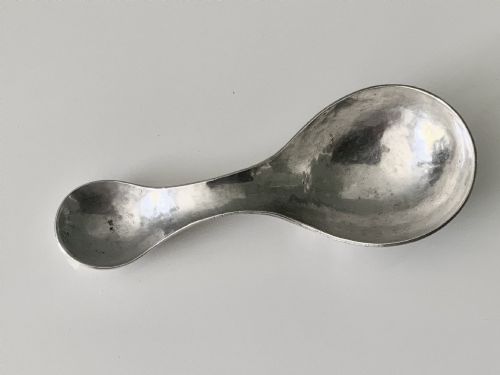
When you search for a silver loose tea spoon, you encounter small serving implements specifically fashioned for measuring leaf tea from a caddy into a pot. These items span multiple eras, appearing in forms associated with Georgian craftsmanship through to mid-century modern design.
The pieces represented here include examples from the eighteenth century alongside Edwardian, Arts and Crafts, Art Nouveau, and Danish modern creations. Such utensils often accompany tea caddies or survive as independent pocket-sized examples of domestic silver.
How they were made
Makers shaped these utensils predominantly from sterling silver using traditional smithing techniques, including hammering, casting, and piercing. Some pieces incorporate double-struck decoration or sculptural elements such as lion mask handles.
Workshop production ranged from Scottish provincial output and Sheffield assay office manufacturing to renowned Scandinavian silversmithing houses like Georg Jensen. Artisans applied stylistic motifs particular to their decades, moving from ornate Georgian patterns to streamlined Danish designs.
Some miniature spoons feature tiny lion mask handles, guarding the tea leaves with fierce determination.
What varies in quality
The distinction between standard examples and superior pieces rests upon the crispness of the initial striking, the weight of the silver, and the distinctiveness of the design. Workshops with notable artistic direction produced spoons with sharper relief and more considered proportions.
Provenance and stylistic attribution also influence standing within the field, particularly when associated with specific movements like Arts and Crafts or identifiable silversmiths. Simpler utilitarian items contrast with elaborately styled collector pieces intended for display alongside tea caddies.
Georg Jensen·Liberty
The Silver Loose Tea Spoon Glossary
- Caddy spoon
- A short-handled spoon designed specifically for measuring loose tea leaves from a canister. These implements developed diverse bowl shapes resembling shells, leaves, or plain round basins.
- Sterling silver
- An alloy containing a high proportion of pure silver combined with other metals to ensure durability. This material standard applies to the vast majority of antique domestic tea accessories.
- Assay office
- An official body responsible for testing the purity of precious metals and stamping items with hallmarks. Towns such as Sheffield and Glasgow maintained distinct offices for this purpose.
- Double struck
- A manufacturing method where the die strikes the silver blank twice to impart a deeper and more detailed relief. This technique enhances the decorative patterns on the handle or bowl.
Silver Loose Tea Spoon: Frequently Asked Questions
What is a silver loose tea spoon used for?
These implements served the specific purpose of transferring leaf tea from a storage caddy into a teapot. Their short handles and broad bowls were proportioned for navigating the narrow openings of traditional tea canisters.
Today, collectors appreciate them as cabinet pieces or continue to utilise them for measuring loose leaf infusions. Their compact size made them practical accessories in formal domestic tea rituals.
Are all tea spoons made of sterling silver?
While the majority of collectible examples utilise sterling silver or standard silver grades, variations exist depending on the period of manufacture and regional standards. Provincial items and later modern pieces adhere to specific purity regulations.
Examining the metal stamps helps confirm the material composition. Makers often marked their creations to guarantee the silver standard used in the workshop.
Why do bowl shapes vary so much?
Silversmiths experimented with imaginative bowl configurations, shaping them like scallop shells, leaves, jockey caps, or simple round basins. This creativity allowed makers to showcase their technical skill within a very small canvas.
The intended function remained consistent, but the aesthetic expression shifted according to the prevailing taste of the decade, from Georgian restraint to Art Nouveau organic curves.