





Silver Leaf Scoop
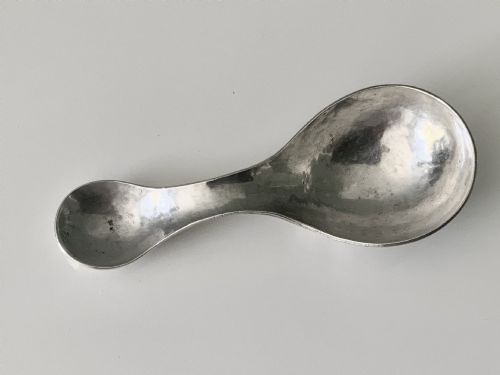
A silver leaf scoop is a distinctive tea caddy spoon designed to portion loose leaves, offering both utility and character for the table.
Silver Leaf Scoop
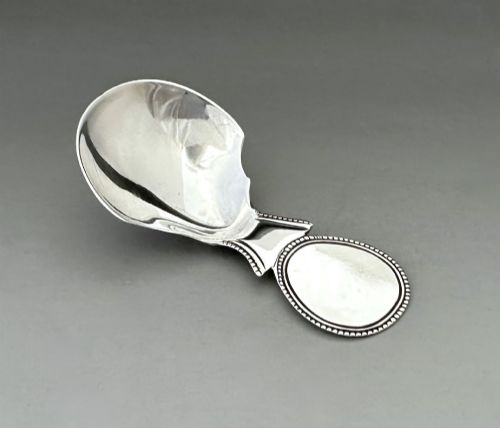
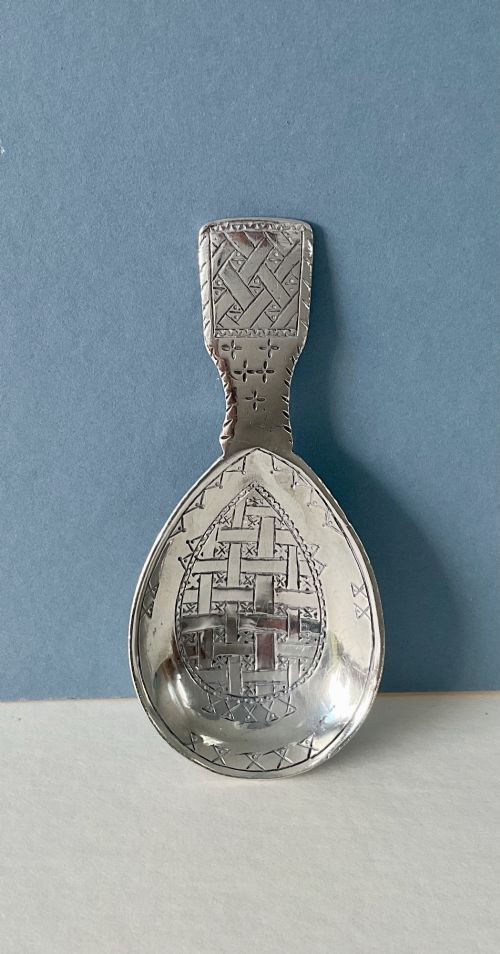
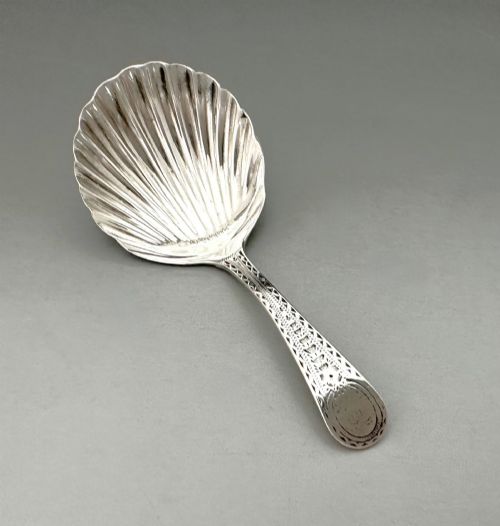
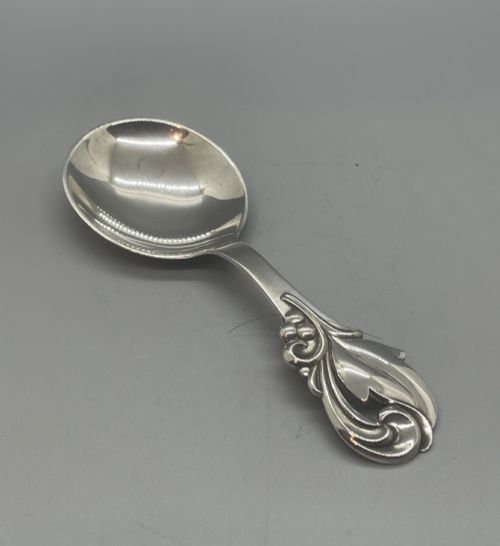
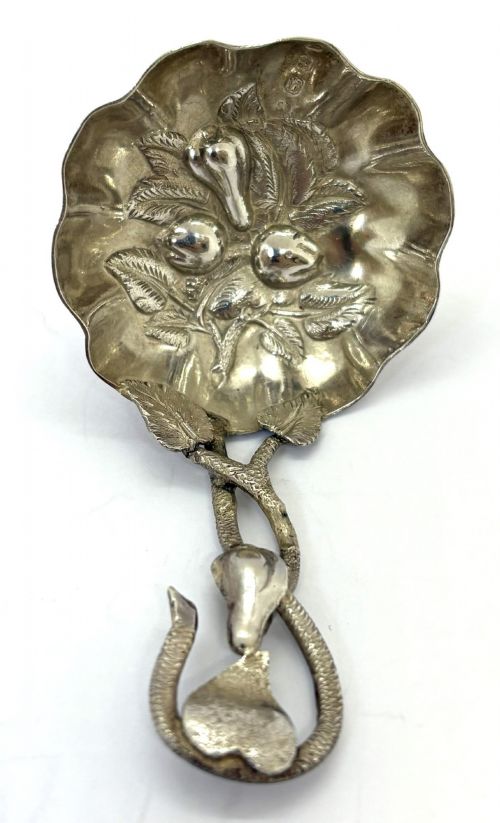
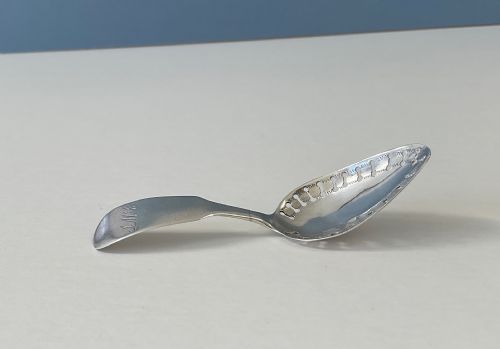
A silver leaf scoop is most frequently encountered on this page as a caddy spoon utilised for measuring dry tea leaves from a container into a pot. The pieces span periods from the eighteenth century through to the mid-twentieth century, encompassing Georgian, Victorian, Edwardian, and later twentieth-century examples. Forms range from simple traditional bowls to pieces influenced by Art Nouveau, Art Deco, Arts and Crafts, and Mid-Century Modern aesthetics.
Makers and origins recorded in the listings stretch from British provincial and London workshops to American and Danish silversmiths. Collectors will find items marked by specific makers such as George Unite and Georg Jensen, alongside provincial pieces from Glasgow and Copenhagen. The styles reflect the shifting tastes of their respective eras, from early foliate engraving to clean modern lines.
How they were made
These items are fashioned primarily from sterling silver and standard silver, shaped through traditional silversmithing techniques such as hammering, casting, and piercing. Many feature detailed surface work including foliate engraving upon the rectangular or leaf-shaped bowls.
Methods of construction vary from the double-struck handles of the Georgian period to the distinct soldered components seen in Victorian and Edwardian manufacturing. Scandinavian and American pieces from the early to mid-twentieth century demonstrate specialised casting methods, particularly in handles modelled with naturalistic motifs.
Silver Leaf Scoop Retail Price Guide 2026
Typical asking prices for silver leaf scoop among the pieces listed under this phrase on Sellingantiques today, from the lower quarter to the upper quarter. They describe what is for sale here now, not the wider market.
Materials across these listings include sterling silver and standard silver, shaped into caddy spoons across Georgian, Victorian, and mid-century periods.
What varies in quality
The standard of a silver leaf scoop depends heavily upon the crispness of its original decoration and the weight of the metal utilised in the bowl and stem. Pieces with deep, clear hallmarks and sharply defined engraving retain their visual integrity far better than worn examples.
Design execution separates standard domestic production from distinguished maker output. Workmanship from prominent silversmiths displays superior balance, refined finishing on edges, and thoughtful integration of decorative motifs such as the acorn pattern.
Liberty·George Unite·Georg Jensen
The Silver Leaf Scoop Glossary
- Caddy spoon
- A small spoon specifically designed for measuring loose tea leaves from a caddy into a teapot. These pieces often feature shallow bowls shaped like leaves, shells, or flowers.
- Hallmark
- An official stamp applied by an assay office to indicate the metal purity, year of manufacture, and place of origin. British silver typically bears multiple marks for the maker, standard, and date.
- Double struck
- A manufacturing technique where a die is pressed twice onto the metal to ensure a sharper, clearer pattern on both sides of the handle. This method adds weight and definition to the ornament.
- Foliate engraving
- Surface decoration consisting of stylised leaves, vines, and foliage cut into the silver using a graver. It is frequently found on Victorian and Georgian caddy spoon bowls.
Silver Leaf Scoop: Frequently Asked Questions
What is a silver leaf scoop used for?
These pieces were created to measure loose tea leaves from a caddy directly into a teapot during tea preparation.
Today they function as small decorative antiques or collectable silver items for display.
How do I identify the age of a silver caddy spoon?
Age is typically identified through the stamped hallmarks, which indicate the assay office, standard, and year letter.
Stylistic elements like Georgian bright-cut engraving or mid-century modern minimalism also point to specific periods of manufacture.
What materials are these spoons made from?
The listings consist entirely of silver and sterling silver objects produced by various international workshops.
Different nations employed slightly different standards of purity, which are often indicated by specific marks on the reverse.
Are these spoons safe to use for tea?
Silver is a stable metal that can be used for food and drink provided it is cleaned properly before use.
Many collectors prefer to keep them as display pieces rather than utilising them for daily service.