


Silver Leaf Scoop Spoon
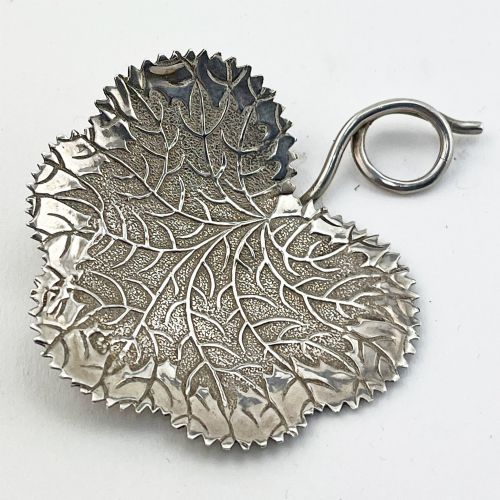
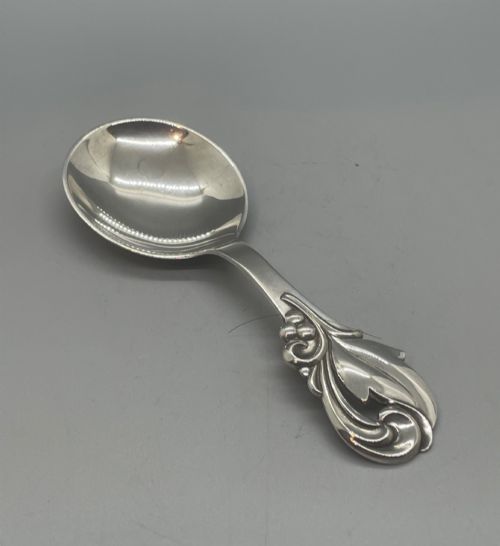
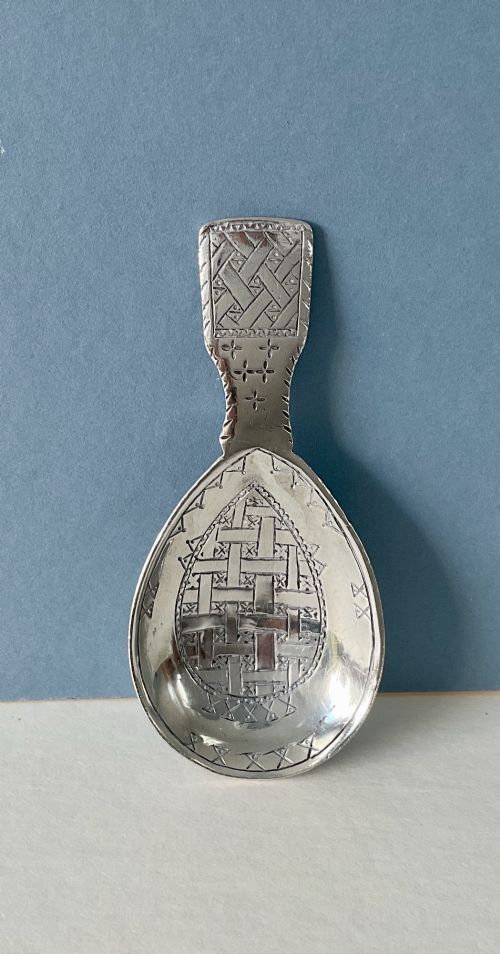
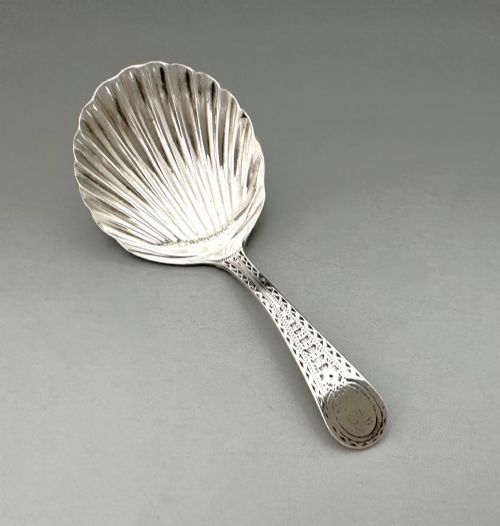
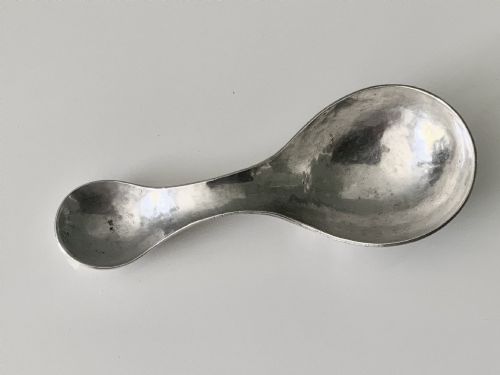
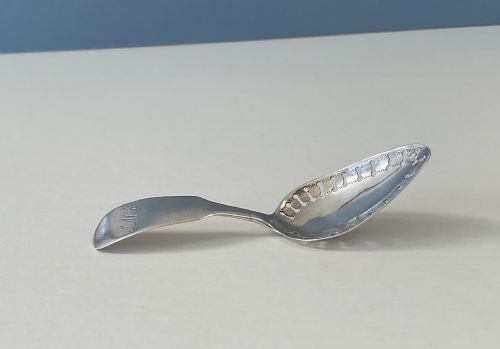
These silver leaf scoop spoon examples are charming tea caddy spoons designed to measure dry leaves.
Silver Leaf Scoop Spoon
A silver leaf scoop spoon serves as a specialised utensil for measuring loose tea leaves into a caddy or pot. These small functional pieces appear across the Georgian, Victorian, and later twentieth century periods.
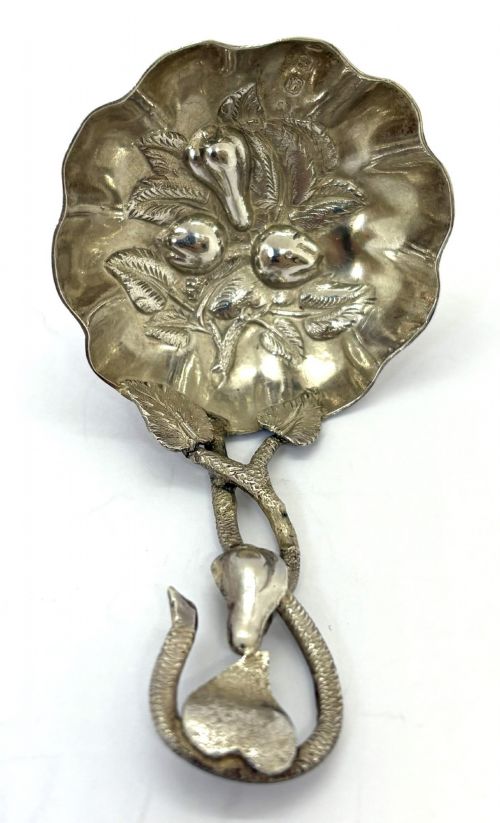
The objects frequently take the form of naturalistic foliage, including vine leaves and grapes, paired with short handles. Examples range from plain nineteenth century bowls to intricate Arts and Crafts and Art Nouveau designs.
Buyers encounter regional British pieces alongside Scandinavian and American silver creations. The form bridges utility and decorative miniature craft, maintaining popularity among collectors of silverware.
How they were made
Silversmiths shaped these pieces using sterling silver and silver, employing techniques such as hammering, stamping, and engraving. Foliate designs required careful hand-chasing to render the veins and contours of leaves realistically.
Makers added decorative elements like double striking for textured handles or applied grape clusters to the bowls. Regional assays and workshops stamped hallmarks directly onto the metal to verify the silver standard.
Some nineteenth century makers even included tiny silver caterpillars resting on the edges of the leaf bowls.
What varies in quality
Distinction in quality rests upon the crispness of the foliate engraving and the depth of the repoussé work on the bowl. Finer examples display sharp, well-defined veins and balanced proportions between the scoop and the handle.
The reputation of the maker and the clarity of the town and date hallmarks also influence the desirability of a piece. Superior casting and hand-finished details elevate standard utilitarian caddy spoons into notable works of miniature silver.
Joseph Willmore·Georg Jensen·George Unite
The Silver Leaf Scoop Spoon Glossary
- Caddy spoon
- A short-handled spoon specifically designed for measuring out dry tea leaves from a caddy. These small implements became particularly popular during the Georgian period.
- Sterling silver
- An alloy consisting of silver and other metals, usually copper, meeting a specific purity standard of parts per thousand. Most quality British spoons utilise this standard.
- Hallmark
- An official stamp applied by an assay office to indicate the silver standard, origin city, and date of manufacture. These marks help identify the period and maker.
- Repoussé
- A metalworking technique where the smith shapes the silver by hammering from the reverse side to form a raised design. Leaf motifs often utilise this method for realistic dimension.
Silver Leaf Scoop Spoon: Frequently Asked Questions
How do I identify the period?
Period identification relies on reading the hallmarks stamped into the silver and examining the stylistic traits of the handle. Georgian pieces differ significantly from later Arts and Crafts or Art Deco examples.
Consulting assay office records alongside stylistic evidence provides a reliable date of manufacture.
Were these spoons used for tea?
Yes, they were specifically created to scoop measured amounts of precious tea leaves from storage containers into a teapot. Their compact size suited the small dimensions of period tea caddies.
Over time, collectors began gathering them as decorative miniature silverware rather than for daily brewing.
How should I clean antique silver?
Antique silver requires gentle maintenance using a soft cloth and specialised silver cleaner only when necessary to remove tarnish. Aggressive scrubbing can wear away delicate engravings and historic hallmarks.
Storing pieces in dry, tarnish-resistant environments helps preserve the metal surface over the long term.