



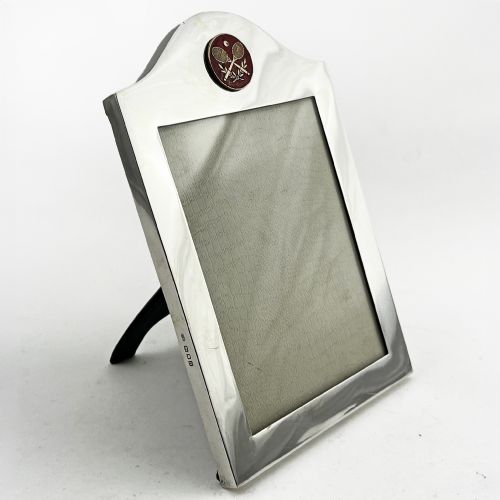


Silver Desktop Picture Frame
A silver desktop picture frame brings genuine character to a desk, holding cherished photographs within solid metal and tactile backing materials.
Silver Desktop Picture Frame
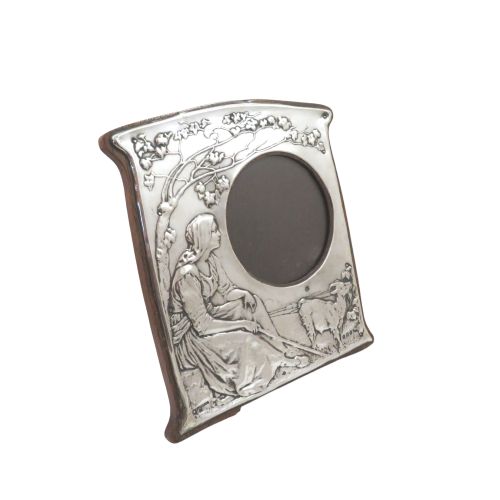
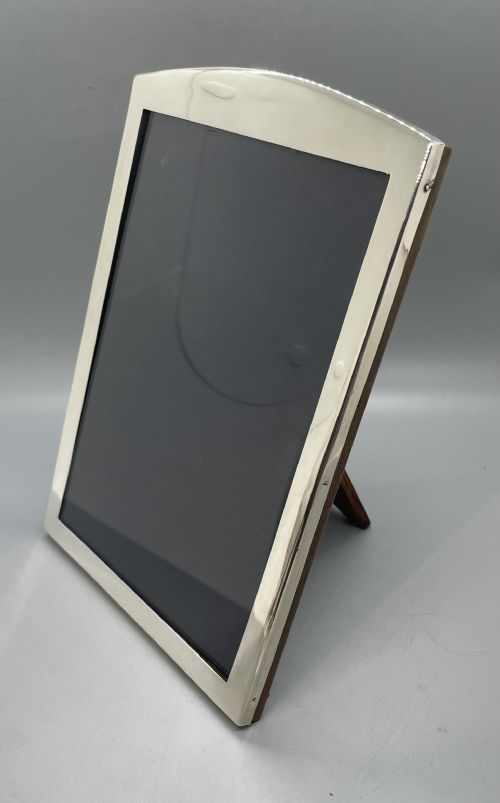
A silver desktop picture frame is designed to stand upright on a table or writing surface, framing a portrait or landscape photograph behind glass. When searching for a silver desktop picture frame, collectors encounter pieces spanning from the nineteenth century through the mid-twentieth century.
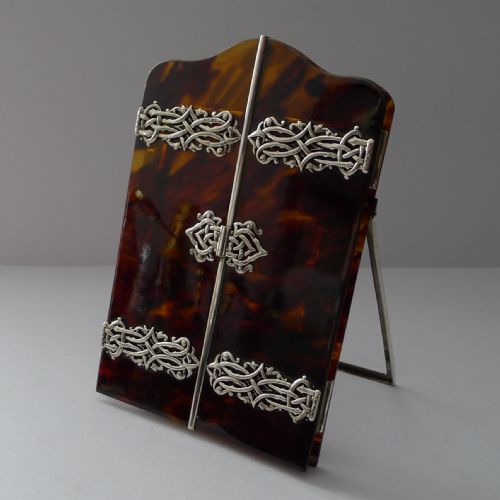
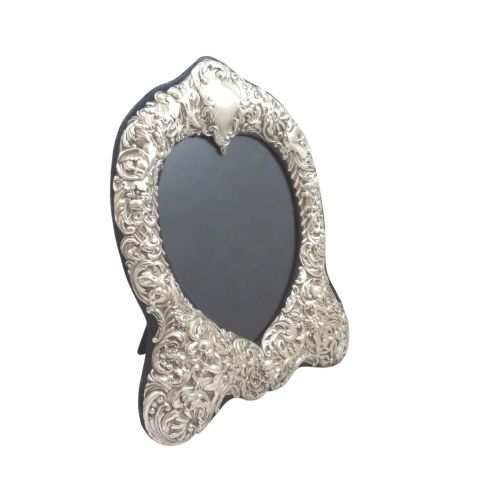
The selection here encompasses distinct aesthetic movements, featuring Victorian, Edwardian, Art Nouveau, and Art Deco designs. Common forms include rectangular formats, heart shapes, and double frames supported by folding struts on the reverse.
Materials extend beyond metal alone, frequently incorporating wooden backs, glass panels, and textile linings such as velvet. Pieces range from British sterling silver bearing city hallmarks to continental European items fashioned in lower grades of silver or chrome.
Materials and construction methods
Construction relies upon sterling silver or 800 silver sheets mounted securely over wooden or card foundations to provide structural rigidity. The precious metal is often embossed, chased, or pierced with decorative motifs characteristic of its period.
Backings typically utilise polished wood or sturdy cardboard covered in velvet or silk, secured by turn-buttons or sliding clips. Glass panes protect the photographic surface, held firmly within the metal rebate by small tabs.
Silver Desktop Picture Frame Retail Price Guide 2026
Typical asking prices for silver desktop picture frame among the pieces listed under this phrase on Sellingantiques today, from the lower quarter to the upper quarter. They describe what is for sale here now, not the wider market.
Listings feature sterling silver, tortoiseshell, velvet, and glass spanning from the Victorian era through the mid-twentieth century.
Distinguishing quality across examples
The weight and gauge of the silver front plate largely dictate the substance and durability of the piece. Thicker metal retains crispness in chased patterns and resists bending along the delicate outer edges.
The integrity of the backing assembly and support strut determines how steadily the item rests on a flat surface. Original wooden backs and functioning velvet linings indicate a well-preserved survival compared to later replacements.
Hardy Brothers·Pinci Roma
The Silver Desktop Picture Frame Glossary
- Sterling silver
- A silver alloy containing 92.5 percent pure silver by mass, frequently stamped with assay marks indicating the city of origin and year of manufacture.
- Tortoiseshell
- The mottled brown and amber shell of certain sea turtles, utilised as a polished decorative insert behind pierced silver mounts.
- Chasing
- A metalsmithing technique where designs are hammered into the front surface of the metal without removing material, creating raised relief patterns.
- Strut
- The hinged folding support attached to the reverse of the frame, allowing the object to stand upright on a desktop.
Silver Desktop Picture Frame: Frequently Asked Questions
How do I date a silver frame?
Dating relies primarily upon the hallmarks stamped into the metal, which record the assay office, standard mark, and a specific date letter. Stylistic indicators such as flowing floral motifs or geometric lines further help place an item within the Victorian, Edwardian, or Art Deco eras.
Secondary materials and backing construction also offer clues to the period of manufacture. Earlier pieces frequently feature pegged wooden backs and hand-cut glass, distinguishing them from mid-century productions.
Can these frames accommodate modern photographs?
Most antique and vintage frames accommodate modern photographic prints, provided the dimensions match the internal rebate of the glass panel. Standard photographic sizes have shifted over time, so some trimming of contemporary prints may be necessary to fit older apertures.
Care should be taken when opening the reverse of older pieces to avoid stressing fragile hinge mechanisms or brittle backing materials. Inserting the photograph carefully behind the original glass preserves the interior arrangement.
How should I clean silver frames?
Cleaning requires a soft cloth and a gentle silver polish formulated to remove tarnish without abrading the raised relief details. Care must be taken to keep liquid polishes away from velvet linings, wooden backs, and tortoiseshell inserts.
Frequent light dusting prevents heavy tarnish accumulation, reducing the need for rigorous cleaning sessions. Storing or displaying pieces away from direct sunlight and damp environments helps maintain the condition of both the metal and the backing materials.
What are the common backing materials?
Backings on period frames are frequently fashioned from polished mahogany or oak, often covered in rich silk velvet or moiré fabric. These materials provide a stable, weighted foundation that supports the glass and photograph securely.
Retaining the original backing contributes significantly to the integrity of the piece. Replacement backs are common, but surviving period textiles and woods remain preferred by collectors.