


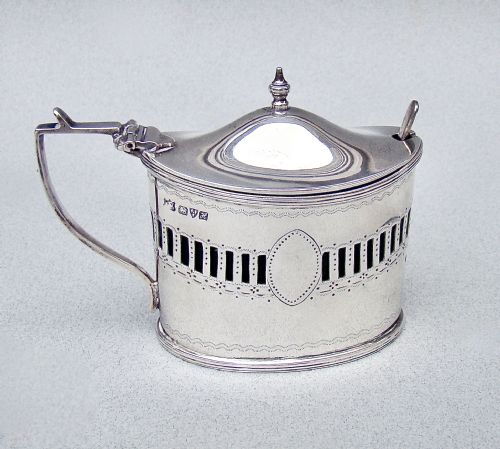
Silver Container
A silver container holds dry leaf, snuff or cards, uniting utility with decorative metalwork across Georgian, Victorian and Edwardian periods.
Silver Container
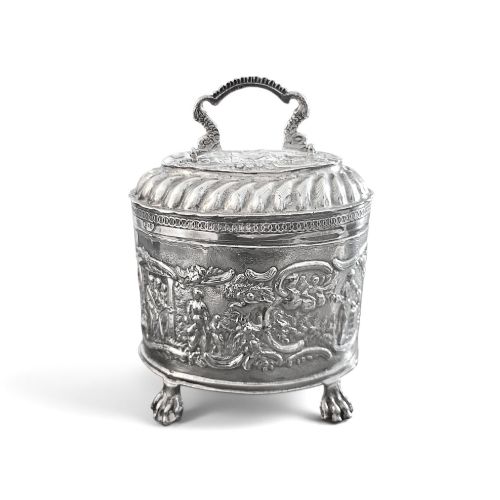
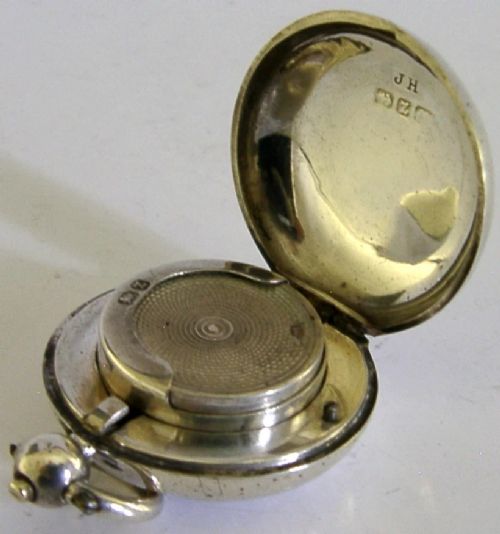
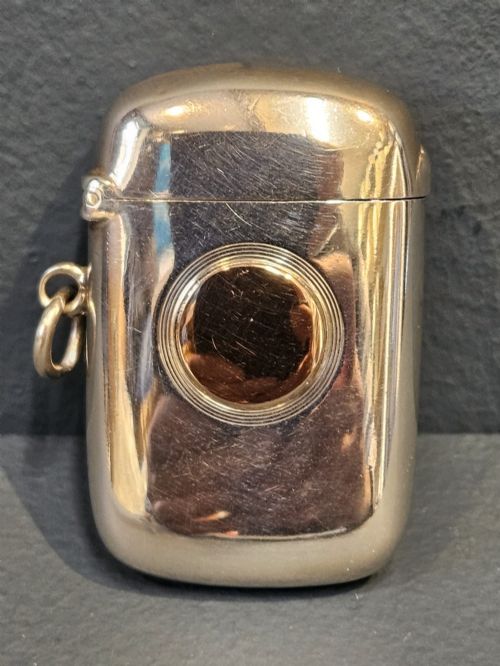
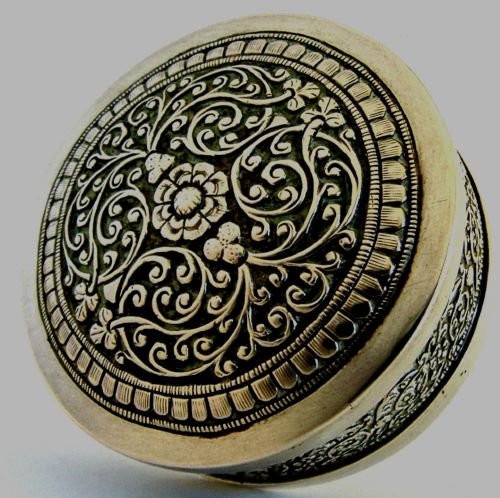
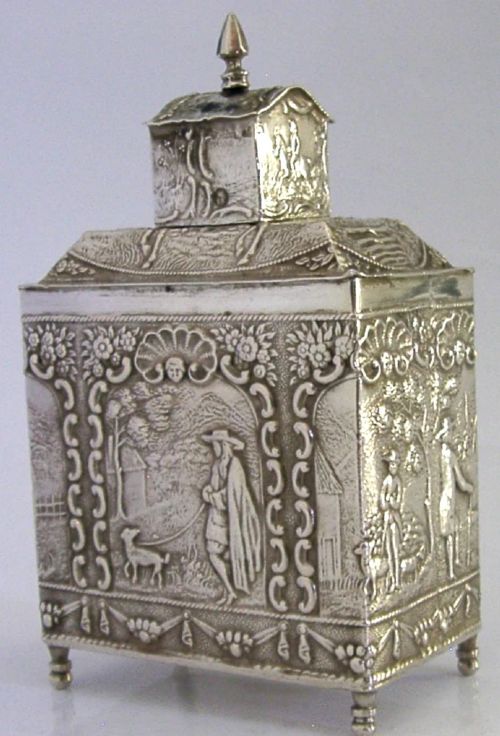
A silver container spans tea caddies, snuff boxes, vesta cases, trinket boxes and pyx boxes made during the Georgian, Victorian, Edwardian and mid-century periods. The buyer most frequently meets tea caddies, vesta cases and small trinket or pill boxes bearing hallmarks from British assay offices or continental import marks.
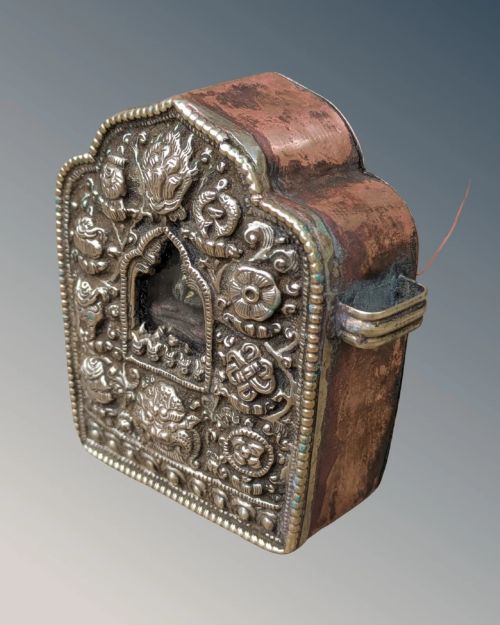
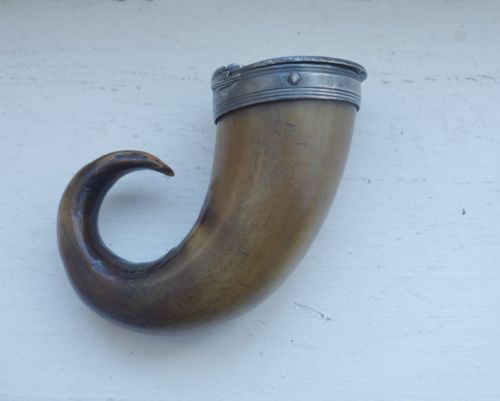
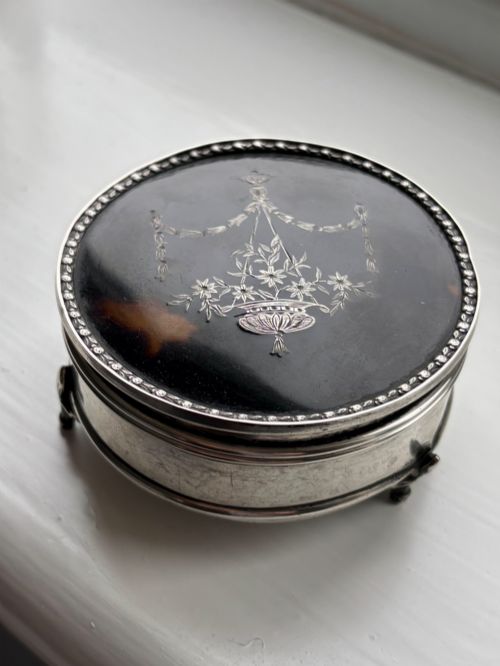
Forms follow function closely, ranging from cylindrical tea caddies and bombe shapes to heart-shaped trinket boxes and pocket-sized sovereign holders. Regional variations include Scottish horn snuff mulls, Anglo-Indian solid silver boxes and Buddhist travelling prayer shrines.
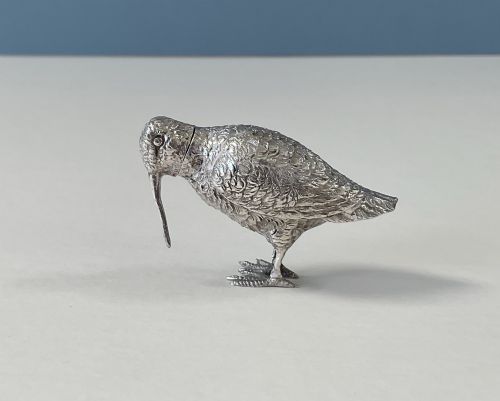
Domestic pieces from the nineteenth and early twentieth centuries dominate the selection, alongside ecclesiastical pyx boxes and novelty animal shapes such as snipe.
Materials and Technique
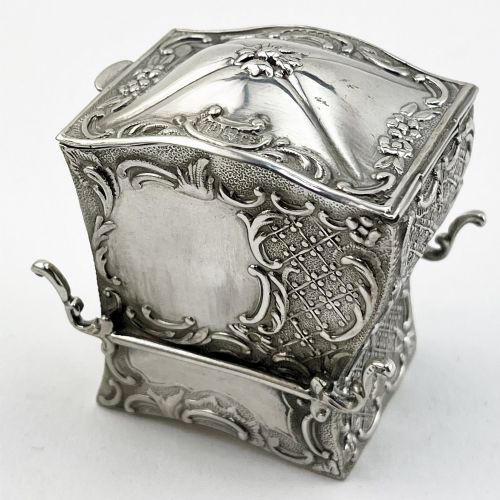
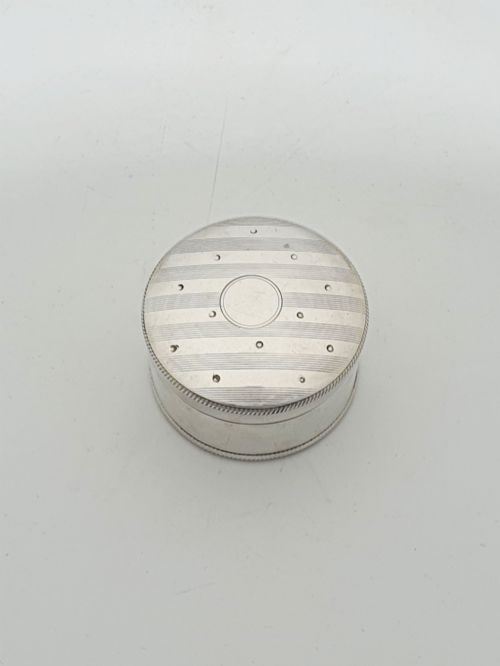
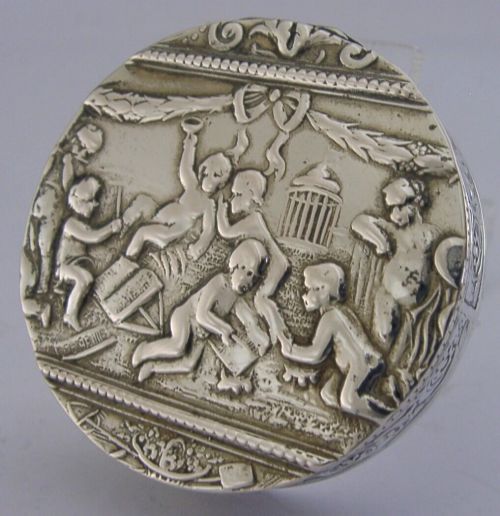
Metals include sterling silver, solid silver and silver plate, frequently accented with silver gilt or paired with cut glass, horn, mother of pearl and faux tortoiseshell. Makers employed techniques such as repoussé work, engine turning and fine chasing to ornament surfaces.
Construction relies on hinged lids, secure bezels and fitted interiors, sometimes housing cobalt glass liners or wooden carcases within silver mounts.
Among the small silver pill boxes, a sharply detailed metal snipe waits quietly with its long bill tucked ready for the pocket.
Craftsmanship and Weight
Quality rests in the crispness of repoussé decoration, the precision of engine-turned patterns and the robust alignment of hinges and lids. Substantial gauge metal and clear hallmarks denoting maker and year separate finer workshop productions from lighter commercial wares.
Intricate detailing in novelty forms and well-preserved internal gilding indicate superior manufacture.
Aaron Lufkin Dennison·Ollivant & Botsford·Alfred Marston·EV Pledge & Son·F Osbourne & Co·Burns Oats & Washbourne·Robert Chandler·FA Barrett·Martin Hall & Co·PH Vogel·Robert Hennell·Zimmermann·Levi & Salaman
The Silver Container Glossary
- Repoussé
- Metalworking technique where the design is hammered into relief from the reverse side. This method creates tactile, three-dimensional decorative scenes on caddies and boxes.
- Vesta case
- Pocket container designed to hold matches and keep them dry. These small cases typically feature a striking surface on the base.
- Pyx box
- Small round vessel used to carry sacramental bread. Ecclesiastical examples are often rendered in silver gilt.
- Snuff mull
- Scottish receptacle for holding powdered tobacco, traditionally fashioned from ram's horn with metal mounts. The horn is shaped while heated.
- Engine turning
- Mechanical method of engraving precise geometric patterns onto metal surfaces. It provides a textured finish that resists visible scratching.
Silver Container: Frequently Asked Questions
What was a silver container used for?
These vessels served diverse domestic and personal functions, from storing loose tea leaves in caddies to holding matches in vesta cases or keeping snuff ready for use.
Religious examples like pyx boxes transported communion wafers, while sovereign cases organised gold coinage securely in the pocket.
How do I date a silver container?
Dating relies primarily on hallmarks stamped into the metal, which indicate the assay office, the specific year letter and the maker's mark.
Stylistic cues such as Edwardian engine turning or Georgian fluting also help place the piece within its correct period.
Are all silver containers solid silver?
No, materials vary across the selection between sterling silver, solid silver and silver plate over base metals.
Some objects incorporate organic elements like horn or mother of pearl alongside the primary metal structure.
How do I care for antique silver?
Maintenance requires gentle cleaning with a soft cloth to preserve the metal surface and any delicate repoussé details without stripping the patina.
Harsh abrasive polishes should be avoided, particularly on silver-gilt interiors or pieces with horn and tortoiseshell mounts.