

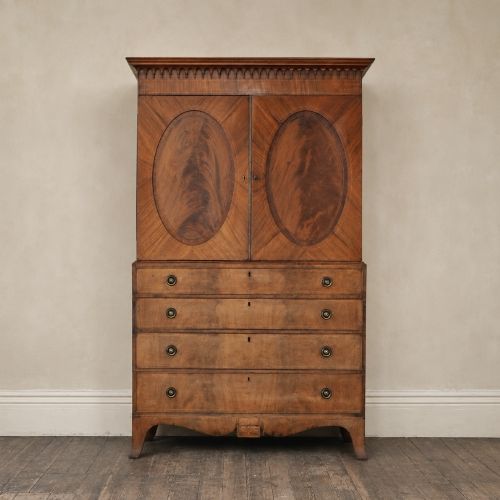
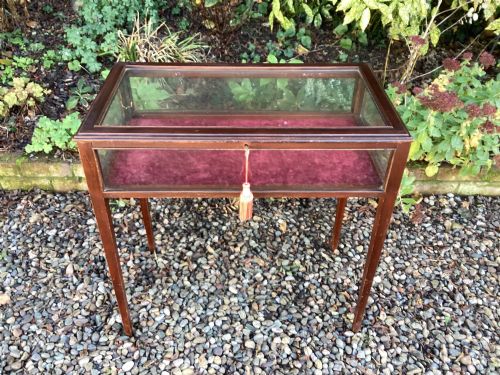
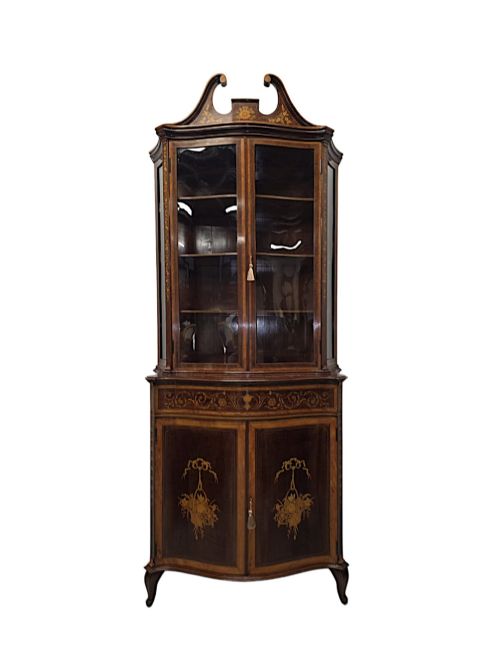
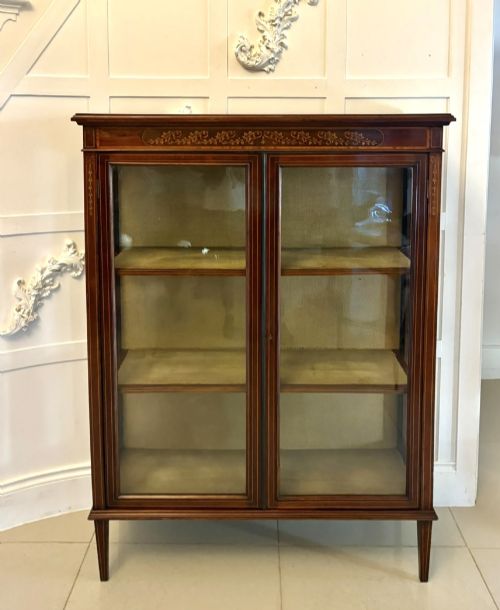
Sheraton Cabinet
A sheraton cabinet brings refined neoclassical lines and delicate inlay into a room, offering both practical storage and elegant display.
Sheraton Cabinet
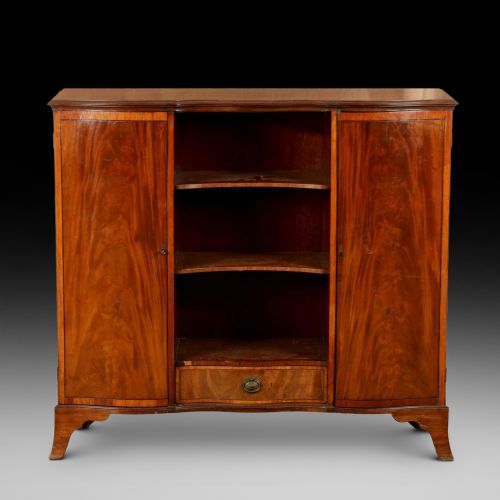
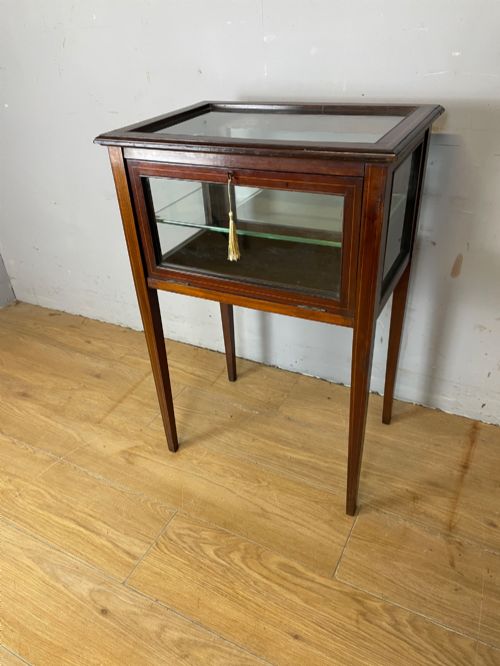
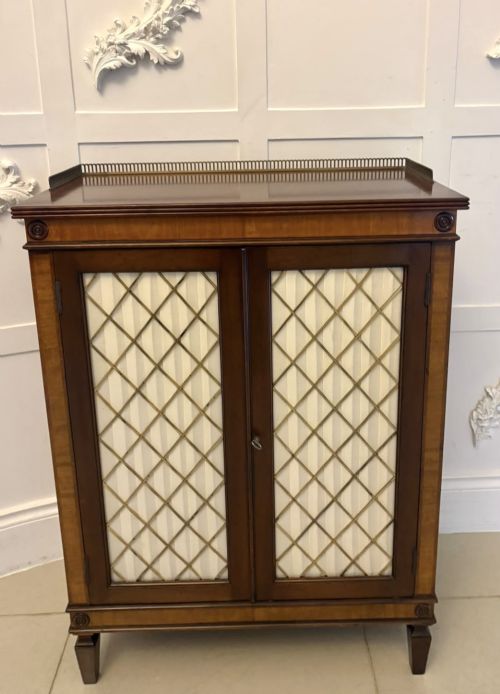
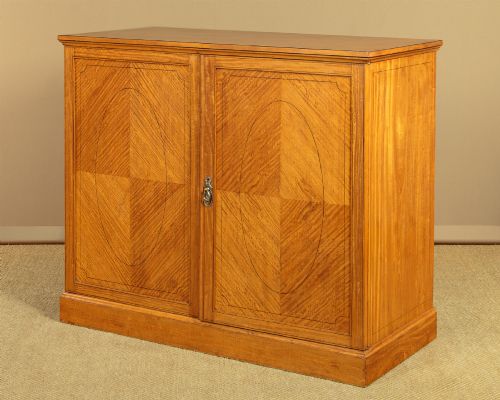
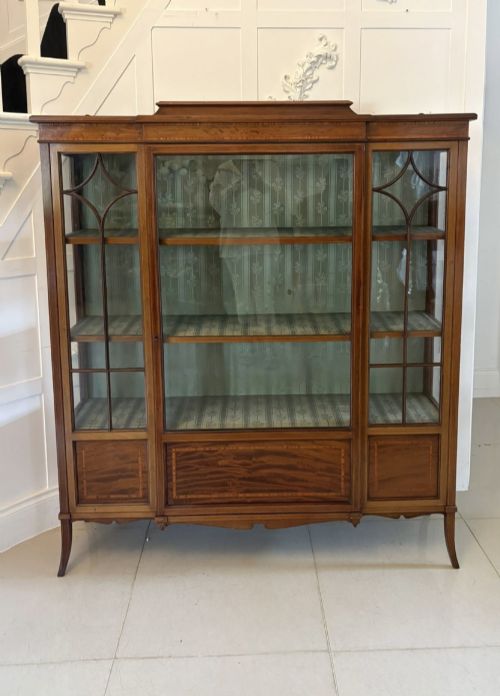
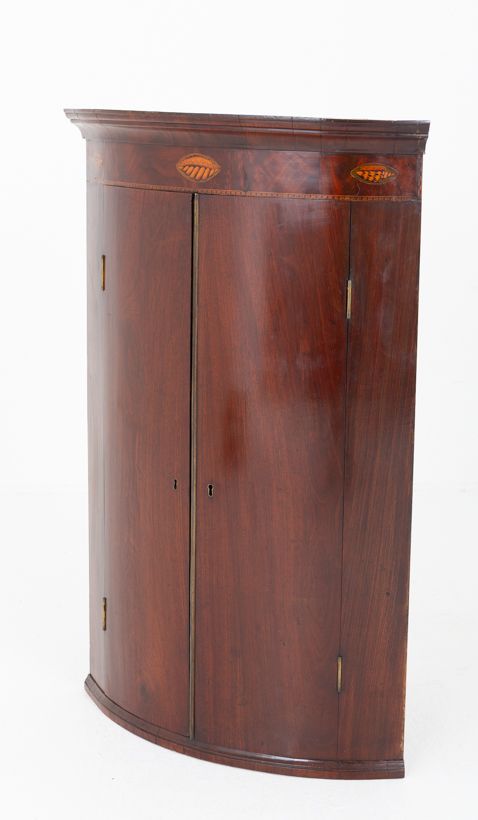
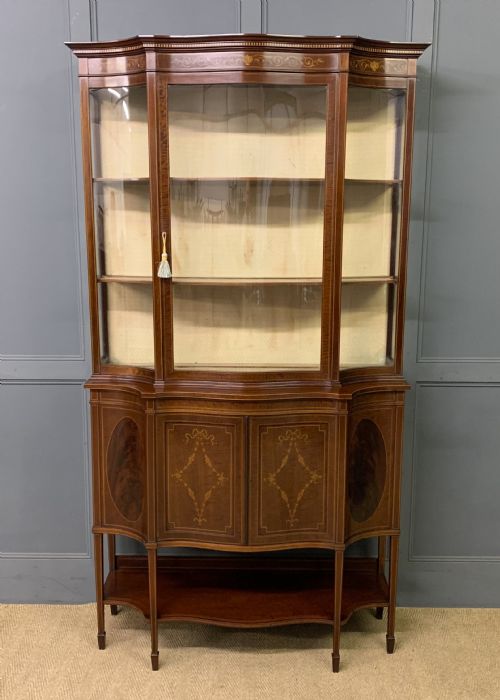
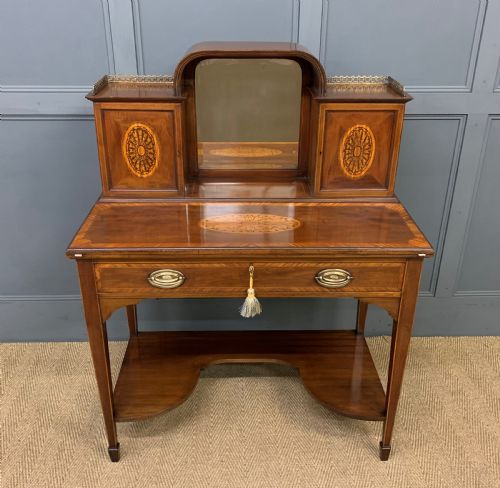
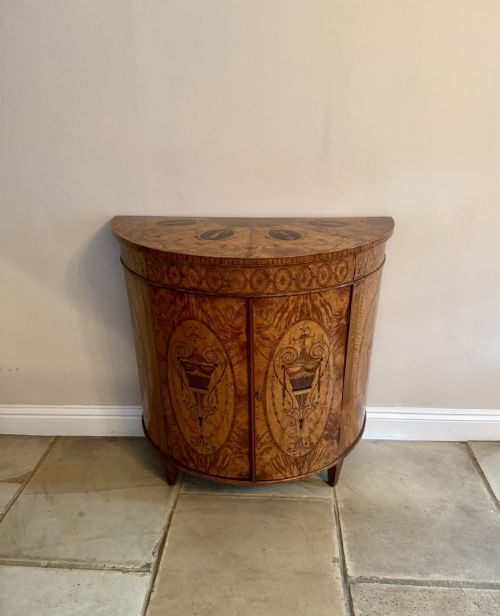
A sheraton cabinet encompasses forms such as display cabinets, bookcases, sideboards, and side cabinets originating from the Georgian period through to the Edwardian Sheraton Revival era.
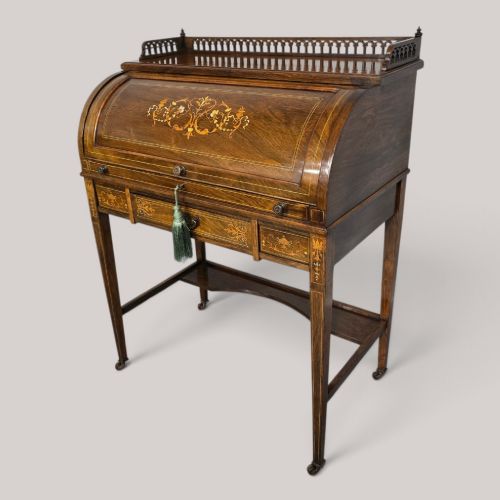
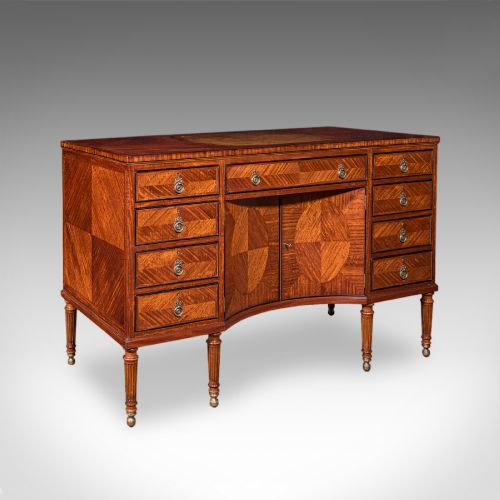
Makers utilised mahogany and satinwood as primary woods, often incorporating intricate boxwood and wood inlay alongside glass panels and brass hardware.
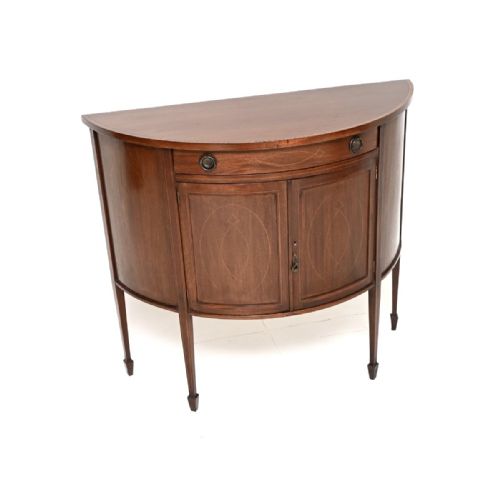
The most common examples encountered here are Edwardian revival pieces alongside genuine Georgian pieces, spanning display vitrines, bowfront sideboards, and bedside cupboards.
How they were made
Carpenters constructed these pieces predominantly from solid and veneered mahogany or satinwood, applying contrasting timber inlays such as boxwood to delineate borders and panels.
Marquetry and hand-painted decoration frequently adorn the surfaces, while glazing bars divide the glass panes on bookcases and display cabinets.
Drawer construction typically employs hand-cut dovetailing, paired with brass handles and escutcheons suited to the specific period.
Sheraton Cabinet Retail Price Guide 2026
Typical asking prices for sheraton cabinet among the pieces listed under this phrase on Sellingantiques today, from the lower quarter to the upper quarter. They describe what is for sale here now, not the wider market.
Object forms on this page range from compact bedside cupboards to large breakfront bookcases and display vitrines.
What varies in quality
The refinement of the inlay work marks the difference between standard production and superior craftsmanship, with tighter marquetry and more detailed hand-painting elevating a piece.
Timber selection dictates visual depth, where flamed mahogany veneers and finely figured satinwood display greater grain movement than plain boards.
Structural integrity depends on the precision of the joinery in curved elements like bowfronts and serpentine shapes, ensuring doors and drawers operate smoothly over time.
Waring and Gillow·Gillows·Maple and Co·Edwards and Roberts·Hewetsons London
The Sheraton Cabinet Glossary
- Sheraton Revival
- A late nineteenth and early twentieth century style emulating the light, neoclassical forms of the original Georgian designer Thomas Sheraton.
- Satinwood
- A durable, lustrous yellow-brown timber utilised for veneers and solid construction in high-status cabinet making.
- Marquetry
- Decorative patterns formed by fitting together small pieces of veneer into wooden panels.
- Bow Front
- A convex curved cabinet or sideboard front popular in late Georgian and revival designs.
- Astral Glazing
- Fine wooden framing bars dividing glass panes within cabinet doors.
Sheraton Cabinet: Frequently Asked Questions
How do I spot a genuine Georgian sheraton cabinet?
Examine the interior secondary woods, timber shrinkage, and hand-cut dovetails, which differ significantly from later revival manufacturing methods.
Original hardware and surface patination also offer clear indicators of eighteenth-century origin.
What is the difference between Georgian and Edwardian pieces?
Georgian pieces were built during the active period of neoclassical design, whereas Edwardian pieces represent the Sheraton Revival movement of the early twentieth century.
Revival pieces often utilise machine assistance alongside traditional hand methods while closely copying earlier forms.
Where should I place a display cabinet?
Position display cabinets away from direct sunlight and heat sources to protect delicate satinwood veneers and antique glass from damage.
Ensure adequate clearance for doors to open fully without striking adjacent furniture.
How do I care for satinwood and mahogany?
Apply a traditional beeswax polish sparingly and buff with a soft cloth to maintain the natural sheen of the wood.
Avoid liquid cleaners and moisture, which can degrade old polishes and lift delicate inlays.