


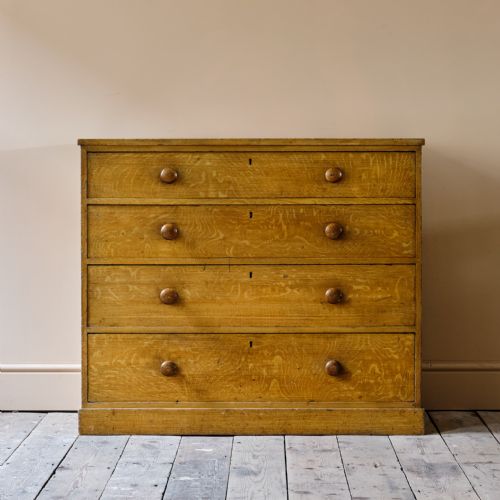


Scumbled Pine Drawers
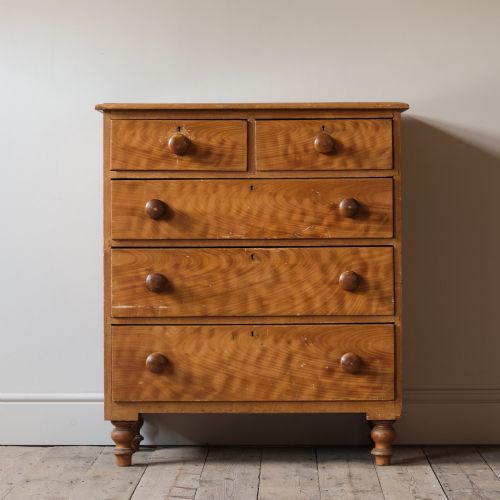
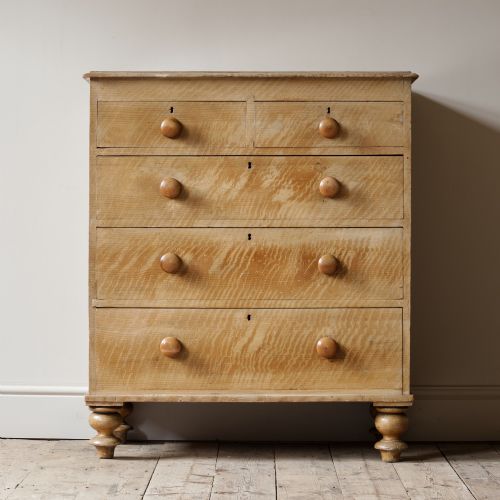
Scumbled pine drawers bring warmth and history to a room through decorative painted graining applied to everyday timber.
Scumbled Pine Drawers
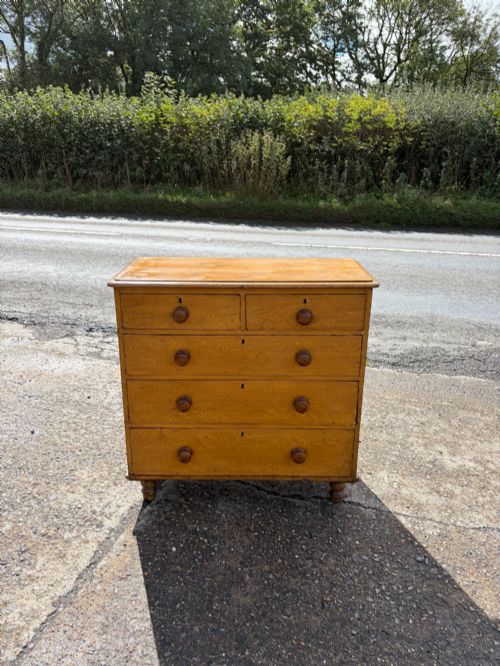
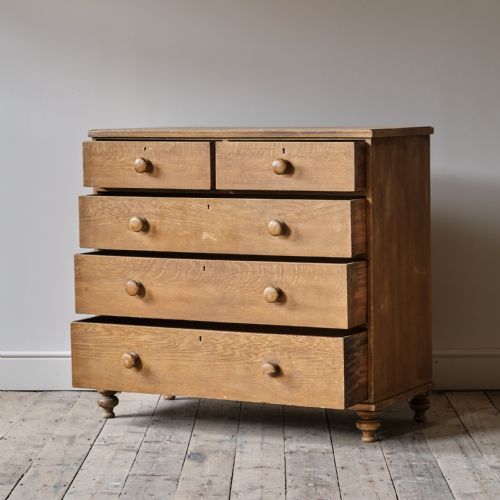
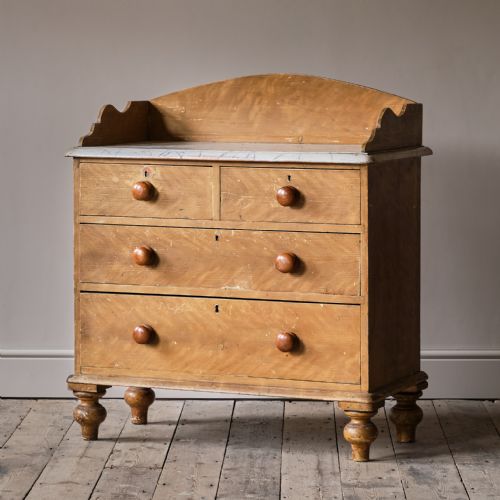
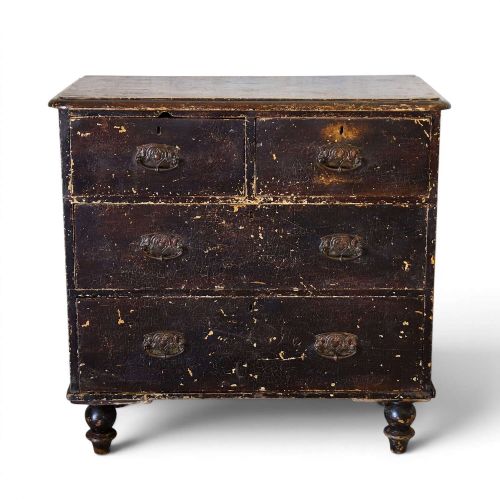
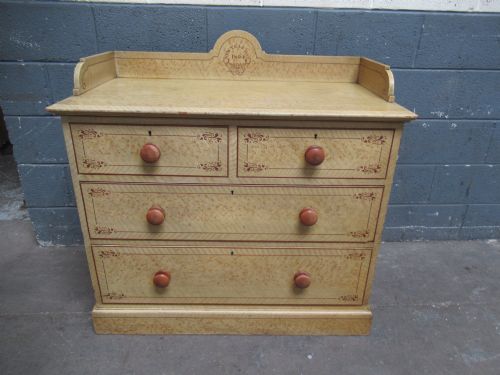
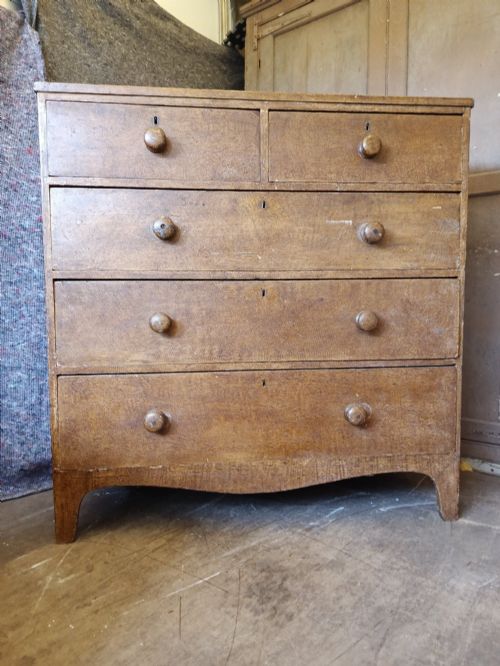
Scumbled pine drawers are practical storage pieces finished with a translucent oil or varnish glaze dragged and manipulated over a pale ground to imitate richer timbers like oak, walnut, or exotic hardwoods. You will most frequently encounter chest of drawers configurations, including two-over-three drawer arrangements, alongside washstands, dressing chests, and kitchen dressers originating from the nineteenth century.
These items emerge from various periods spanning the Regency era through to Victorian country houses and the turn of the twentieth century around 1900. Makers across England and Scotland utilised soft pine as a cost-effective base wood before applying decorative paint finishes that suited domestic interiors needing durable yet stylish storage.
Materials and construction methods
The foundation of these pieces relies on solid pine planks joined with traditional woodworking techniques to build chests, dressers, and washstands. Workshops constructed carcases and drawer boxes using local timber, fitted with brass, ceramic, or glass handles and iron elements where functional.
The distinct surface character comes from scumble paint, a slow-drying translucent medium brushed over a solid ground colour and textured using combs, feathers, or rags to mimic natural wood grain. Artisans preserved these decorated surfaces with clear protective varnishes, maintaining the original painted or glazed effects over generations.
Scumbled Pine Drawers Retail Price Guide 2026
Typical asking prices for scumbled pine drawers among the pieces listed under this phrase on Sellingantiques today, from the lower quarter to the upper quarter. They describe what is for sale here now, not the wider market.
Some nineteenth-century painters clearly grew impatient halfway through graining the backboards, leaving hidden sides to fend for themselves in plain yellow pine.
Distinctions in craftsmanship and finish
The distinction between standard utility furniture and superior examples lies in the skill and complexity of the original scumble paintwork. Pieces featuring deliberate graining techniques, such as simulated burr walnut or figured oak, demand greater artistry from the painter than simple flat colour coats.
Preservation of the original surface finish dictates the overall character and appeal of each piece. Surviving examples with intact, untouched graining and patinated hardware demonstrate higher desirability among collectors compared to items with heavily restored or completely repainted surfaces.
The Scumbled Pine Drawers Glossary
- Scumble
- A translucent glaze or oil-based paint applied over a lighter base coat and manipulated with tools to create decorative patterns and simulated wood grains. This technique allowed ordinary pine furniture to mimic expensive hardwoods.
- Pine
- A common softwood used extensively for nineteenth-century domestic furniture carcases and drawer construction. It provides a lightweight yet sturdy base for decorative painted finishes.
- Wellington chest
- A tall, narrow chest of drawers secured by a hinged vertical locking side bar that fastens with a key. This form often appears with decorative painted and scumbled surfaces.
- Mule chest
- A storage chest featuring one or two drawers set beneath the main compartment base. These practical items combined trunk storage with accessible drawer space.
Scumbled Pine Drawers: Frequently Asked Questions
What are scumbled pine drawers?
Scumbled pine drawers are nineteenth-century wooden storage items coated in a decorative translucent glaze designed to imitate expensive timber grain.
Craftsmen applied these painted finishes to ordinary pine furniture to provide stylish and affordable storage for period homes.
How were these chests used?
These chests served as primary bedroom storage for clothing, linens, and personal items in nineteenth-century households.
Variations such as washstands and dressing chests also provided functional surfaces for morning grooming and washing routines.
How do I care for scumbled surfaces?
Maintain original scumbled finishes by keeping wooden furniture away from direct sunlight and excessive moisture fluctuations.
Dust gently with a dry cloth and avoid harsh chemical cleaners that might soften or remove the historic glaze layer.
How can I identify original paint?
Original scumble paint displays natural wear patterns, craquelure, and an integration with the underlying pine timber developed over decades of use.
Examination under close light reveals the distinct hand-manipulated brush marks and tool effects characteristic of nineteenth-century graining techniques.