


Scumbled Painted Chest
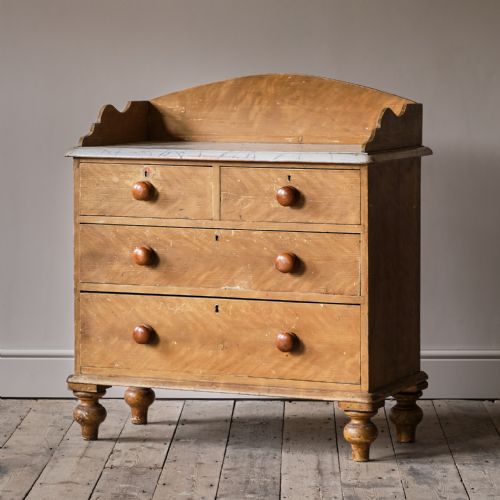
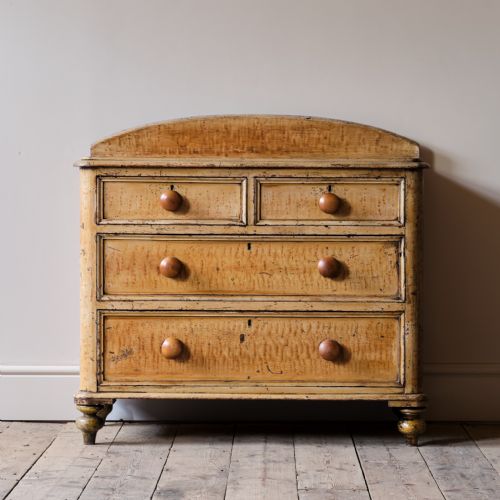
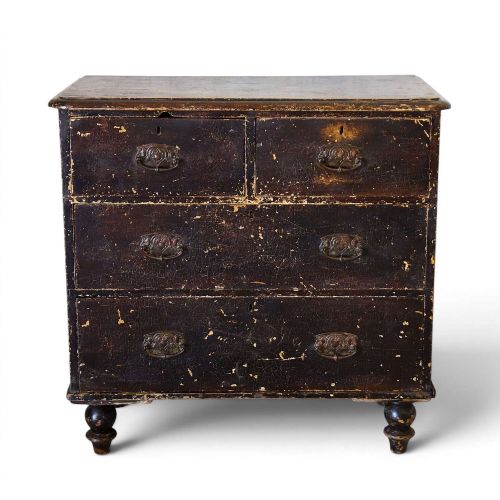
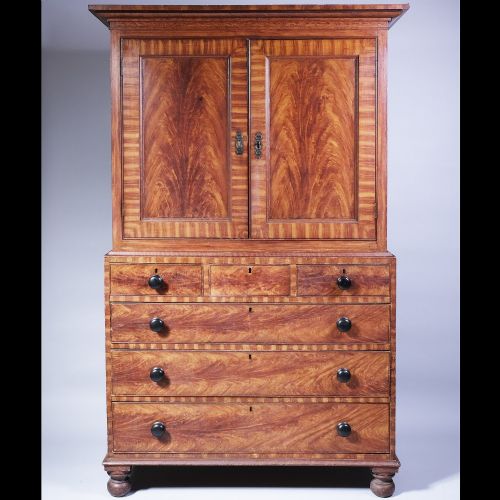
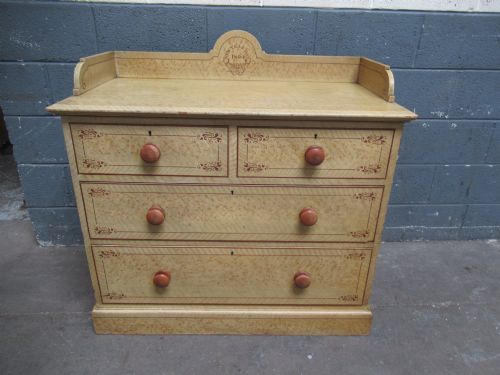
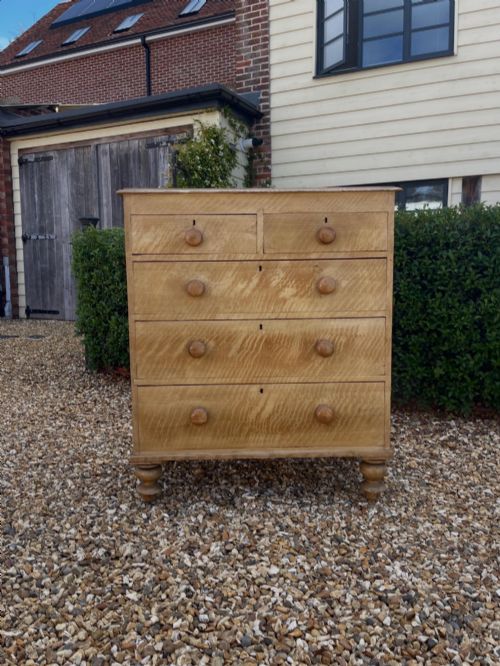
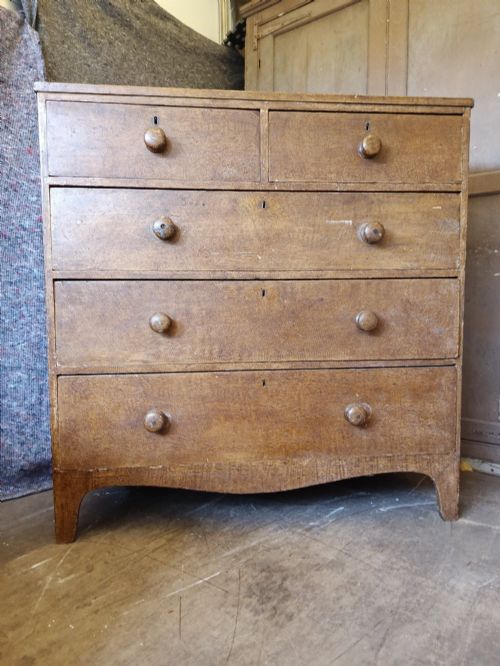
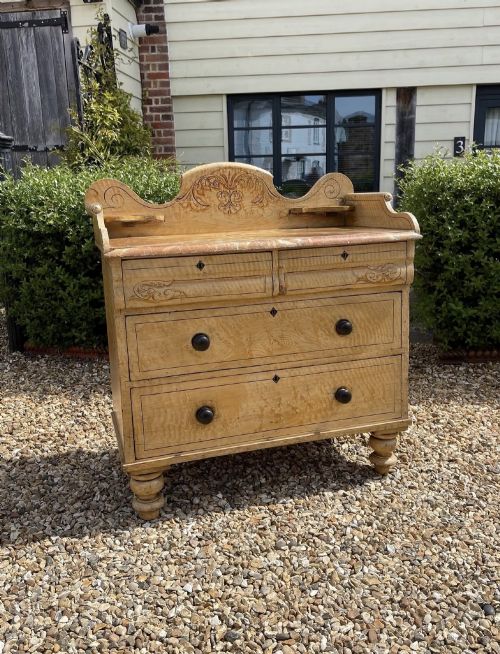
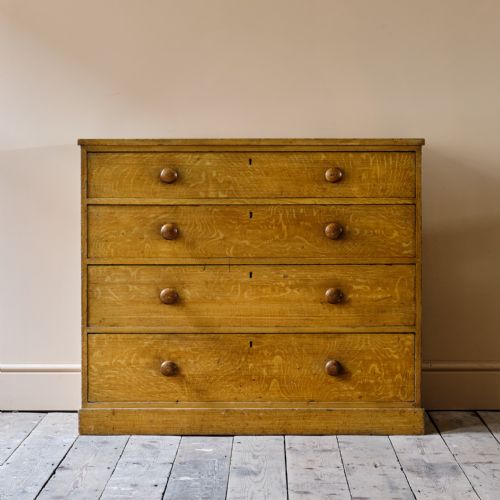
A scumbled painted chest brings tactile warmth and historic charm to any room through its richly textured, simulated wood grain.
Scumbled Painted Chest
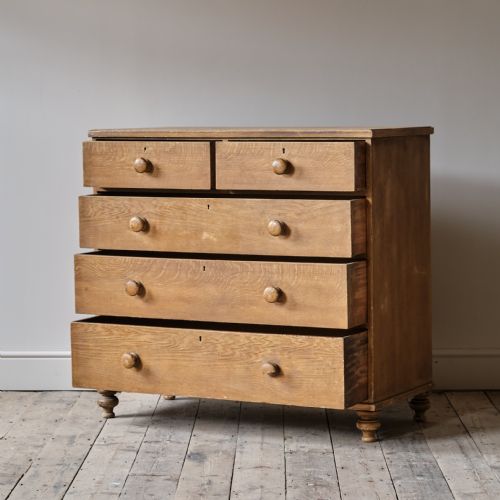
When you search for a scumbled painted chest, you are looking at utilitarian storage pieces given decorative surface treatments, most frequently encountered as nineteenth century pine chests of drawers and blanket boxes. These items hail predominantly from Victorian and rural contexts, ranging from simple bedroom chests to larger housekeepers cupboards and mule chests.
The variations span from compact dressing chests to large Scottish pine chests of drawers and storage trunks. Many retain their original brown or green scumble finishes, showing the enduring appeal of country house and folk art aesthetics.
How they were made
These pieces are constructed primarily from solid pine and other woods, built for robust domestic utility. Iron and brass hardware, alongside occasional ceramic or glass elements, provide the functional handles and fittings.
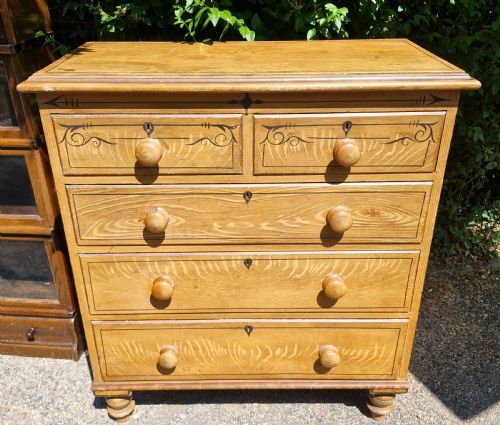
The defining technique is scumbling, where a translucent glaze of paint is manipulated over a lighter base coat using combs, brushes, or rags to simulate the rich grain of more expensive timbers.
The listings span the nineteenth century, including Victorian, Regency, and nineteen-hundreds eras, executed primarily in pine with original paint finishes.
What varies in quality
The distinction between ordinary and superior pieces lies in the skill of the surface decoration and the integrity of the original finish. A master hand creates depth and movement in the faux grain that mimics timber convincingly, whereas lesser work appears flat or muddy.
Proportional harmony and the retention of authentic period fittings, such as original brass or iron pulls, elevate certain items above standard utilitarian storage.
The Scumbled Painted Chest Glossary
- Scumble
- A technique of applying a translucent layer of dark paint over a lighter base colour and working it with tools to create decorative grain patterns. This finish was widely used in the nineteenth century to elevate humble pine furniture.
- Mule chest
- A storage chest featuring one or more drawers at the base beneath a hinged lid compartment. They bridge the gap between traditional blanket boxes and modern drawer chests.
- Wellington chest
- A tall, slender chest of drawers secured by a locking hinged side flap that fastens over the drawer edges. These practical items often turned up in nineteenth century studies and bedrooms.
- Housekeepers cupboard
- A large storage cabinet traditionally utilised in large residences for linens and domestic provisions. They frequently combine upper shelving with lower drawer or cupboard space.
- Pine
- A softwood commonly utilised for country furniture due to its abundance and ease of working. It serves as the primary base timber for the painted and scumbled surfaces seen here.
Scumbled Painted Chest: Frequently Asked Questions
What is scumble paint?
Scumble paint is a translucent glaze applied over a base coat and manipulated with tools to create decorative patterns that imitate expensive wood grain. Artisans used this method to give humble pine furniture a more luxurious appearance.
In period pieces, this finish protects the underlying softwood while adding rich texture and visual depth to domestic storage items.
How do I clean a scumbled chest?
Maintain the surface by dusting gently with a soft, dry cloth to prevent dirt accumulation. Avoid harsh chemical cleaners or excess moisture, which can damage the delicate historic glaze.
Wax polish suited for painted surfaces can be applied sparingly to nourish the finish and preserve the aged appearance.
Where were these chests used?
These storage pieces found places throughout nineteenth-century homes, from farmhouse bedrooms to large country house utility rooms. Chests of drawers and dressing chests served sleeping quarters, while trunks and mule chests stored household linens.
Housekeepers cupboards and storage boxes managed provisions and textiles in domestic service areas.
How do I date a painted chest?
Dating relies on examining construction methods, timber types, and the characteristics of the paint finish. Nineteenth-century and Victorian examples often display hand-cut joinery, specific hardware, and authentic patination in the scumble glaze.
Comparing the drawer construction and overall form helps narrow the origin to specific decades like the 1880s or 1900s.
Are these chests sturdy enough for daily use?
Built predominantly from solid pine with robust joinery, these pieces were originally designed for heavy domestic service. They remain structurally sound for everyday storage needs in modern rooms.
Their durable construction allows them to function reliably as functional furniture rather than decorative display objects.