




Sculptural Table Light
A sculptural table light combines illumination with figurative or decorative form, bringing character and presence to a room.
Sculptural Table Light
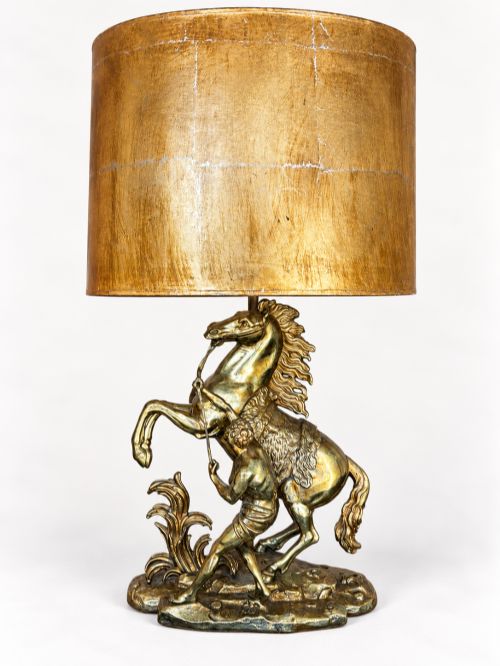
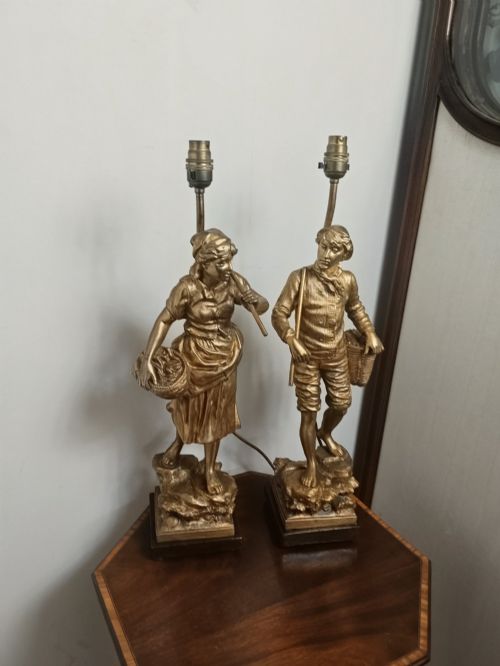
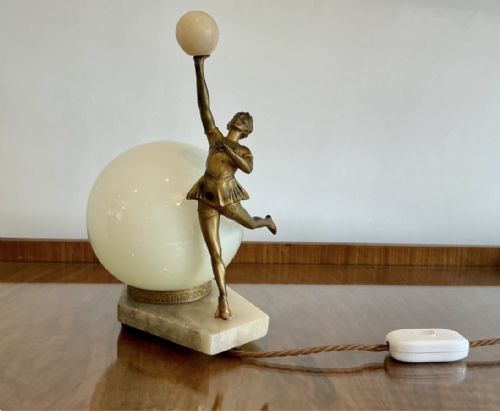
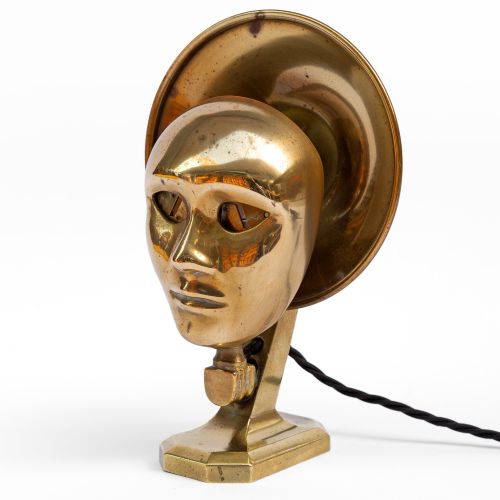
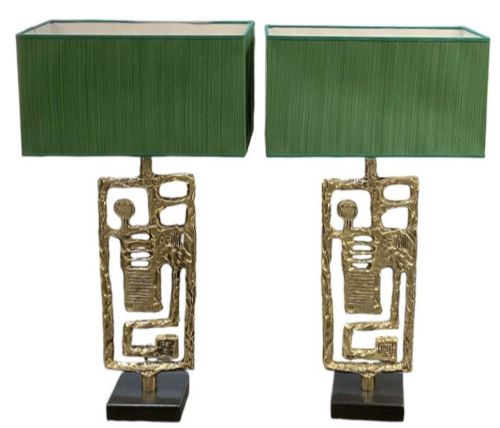
A sculptural table light serves as both a functional source of illumination and a decorative figural or abstract object. When searching for a sculptural table light, buyers encounter pieces primarily taking the form of figural table lamps, night lights, and stylized animal or architectural motifs.
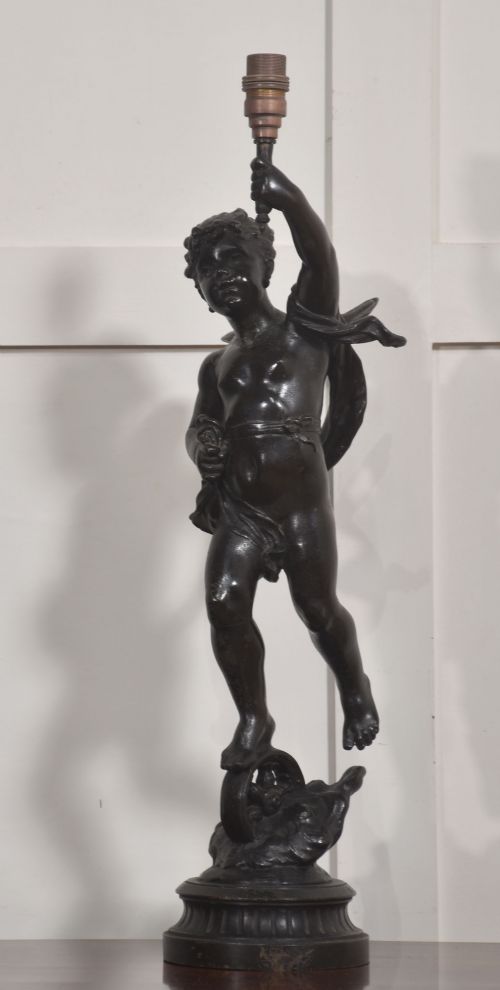
The selections span from the late nineteenth century through the mid-twentieth century, capturing distinct design movements such as Art Nouveau, Art Deco, and Mid-Century Modern. Figure lamps depicting human forms, cherubs, or mythological subjects are among the most common examples seen in these collections.
Origins heavily reflect European workshops, particularly French manufacturing encompassing classical, chateau, and cinematic influences. These objects range from intimate desk lamps to monumental pairs designed for prominent placement.
How they were made
Makers utilised cast metals such as bronze, brass, spelter, and silver plate to form the structural figures and bases of these lamps. Marble frequently served as a heavy, supportive foundation for bronze or metal figures, ensuring stability for taller designs.
Surface treatments included patination, gilding, and hand-painting to accentuate the intricate details of the cast figures and vases. Fabric shades and glass elements completed the assemblies, diffusing the light across the metallic and stony surfaces.
Sculptural Table Light Retail Price Guide 2026
Typical asking prices for sculptural table light among the pieces listed under this phrase on Sellingantiques today, from the lower quarter to the upper quarter. They describe what is for sale here now, not the wider market.
Listings feature works in bronze, marble, brass, glass, and spelter spanning Art Deco, Art Nouveau, and Mid-Century Modern styles.
What varies in quality
The refinement of the casting and the crispness of the chased detail separate the superior pieces from standard production work. Superior examples exhibit sensitive modeling in the human or animal figures, with clear signatures or foundry marks often present on the best-wrought bronzes.
Materials dictate much of the inherent value, with heavy patinated bronze and fine marble outranking softer painted spelter. The integration of the lighting components into the original sculptural form also influences the overall coherence and desirability of the object.
E Rousseau·Angelo Brotto for Esperia·L & F Moreau·Ivan Zaiec·P Sega
The Sculptural Table Light Glossary
- Spelter
- A zinc alloy commonly used as a less expensive alternative to bronze for figural castings. It is often painted or bronzed to simulate more costly metals.
- Patina
- The surface sheen or colour that develops on bronze and other metals over time, or through chemical treatment by the maker. It enhances the depth of sculptural details.
- Art Deco
- A design style prevalent in the 1920s and 1930s characterised by streamlined geometric forms, stylized figures, and modern industrial influences.
- Art Nouveau
- A turn-of-the-century aesthetic inspired by natural organic forms, flowing plant tendrils, and graceful feminine silhouettes.
- Gilding
- The application of a thin layer of gold leaf or gold powder to the surface of bronze, wood, or metal. This technique creates a luminous, reflective finish on figural lamps.
Sculptural Table Light: Frequently Asked Questions
What is a sculptural table light?
A sculptural table light is a functional lamp integrated into a figurative, botanical, or abstract work of art. These pieces merge lighting with decorative casting or carving.
They function as independent works of art during daylight hours and cast ambient illumination when switched on in the evening.
Where were these lamps placed?
Historically, these lamps sat upon desks, sideboards, mantelpieces, and dedicated occasional tables in grand and modest interiors alike. Their dual purpose made them focal points in principal reception rooms.
Smaller versions served as night lights in bedrooms or subtle accent illumination in hallways.
How do I date a figural lamp?
Dating relies on stylistic markers such as the flowing organic lines of Art Nouveau or the sharp geometric styling of Art Deco. Materials and casting techniques also provide clear indicators of the period of manufacture.
Signatures, foundry stamps, and markings on the base often help confirm the exact era.
Are these lamps safe to use today?
Most antique lamps require inspection and potential rewiring by a qualified professional to meet modern electrical safety standards. Preserving original fittings while updating the internal wiring is standard practice.
Care should be taken to use appropriate bulb wattages that do not generate excessive heat near historic metals or fabric.