


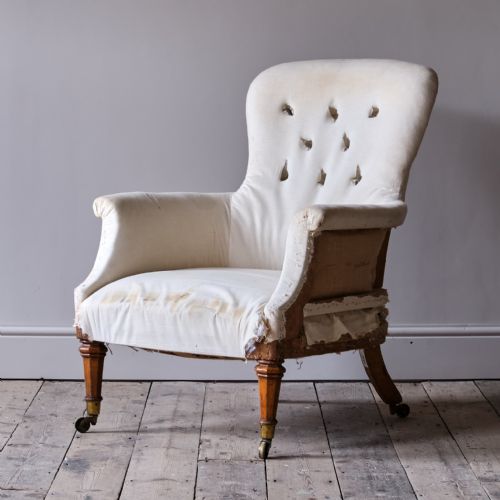
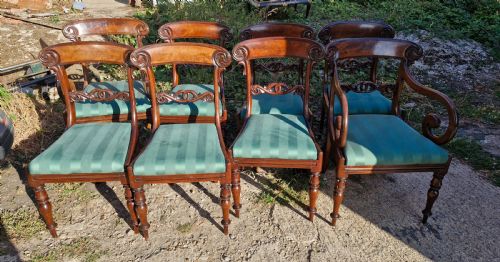
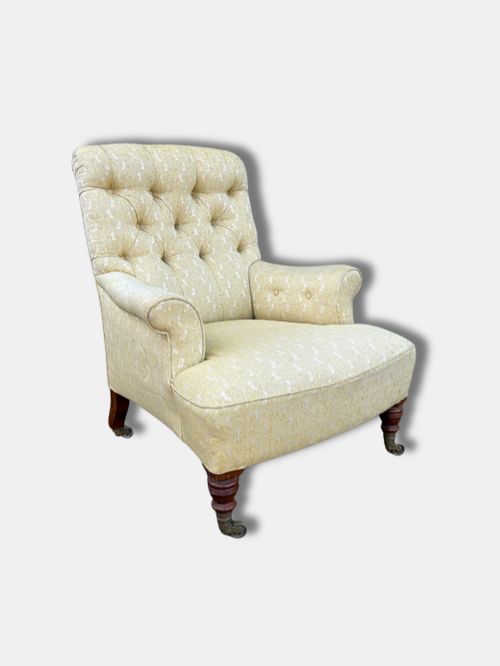
Scrolled Back Chair
A scrolled back chair combines structural support with elegant curvature, offering both comfort and period character for any traditional interior.
Scrolled Back Chair
When you search for a scrolled back chair, you encounter a wide selection of seating forms spanning several centuries and stylistic traditions. The pieces range from formal dining chairs and library armchairs to pairs of bedroom slipper chairs and large country house daybeds.
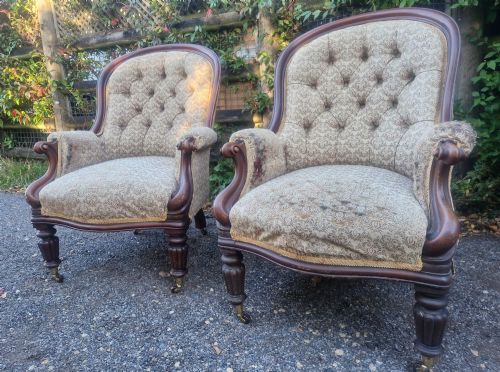
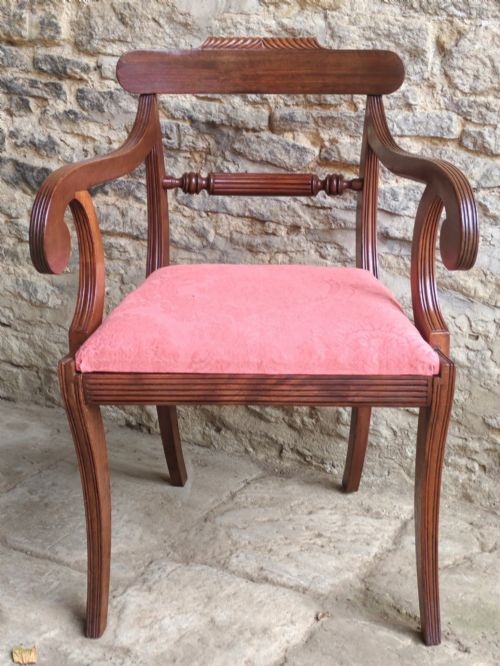
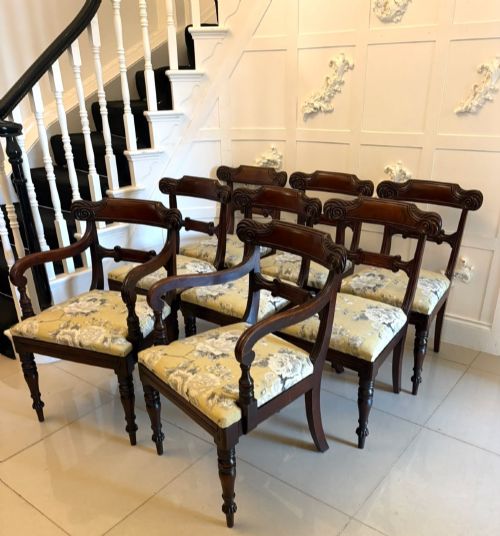
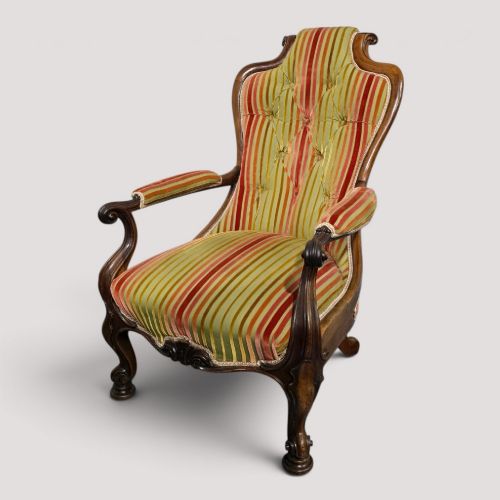
The most common examples you meet on this page date from the nineteenth century, particularly the Victorian and Regency periods, rendered in rich hardwoods. These variations include single carvers, sets of dining chairs, and low fireside armchairs designed for domestic comfort.
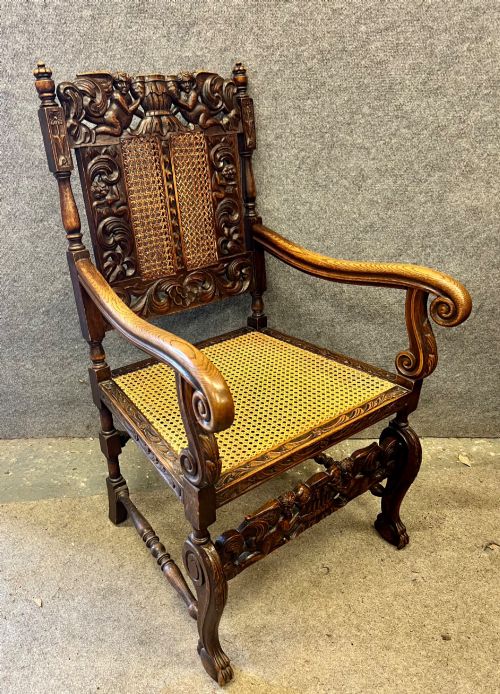
Origins stretch across English, French, and Italian workshops, incorporating seventeenth-century Carolean influences alongside nineteenth-century interpretations. The defining characteristic across all these forms remains the distinctive outward or inward curve shaping the upper frame.
Assessing craftsmanship and execution
The distinction between standard examples and the finest pieces lies in the crispness of the timber carving and the integrity of the joinery. Superior frames exhibit fluid, deeply cut scrollwork that flows naturally from the uprights without awkward transitions.
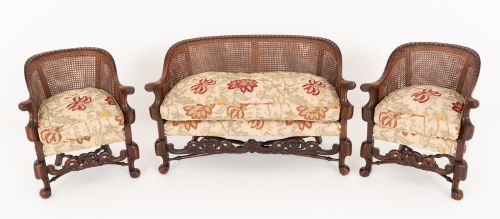
Materials also dictate the tier of execution, where dense, well-figured mahogany or walnut carries a deeper polish and greater structural resilience than plain secondary woods. The integration of original cane work, high-grade velvet, or precise brass detailing elevates a piece above standard utility furniture.
Scrolled Back Chair Retail Price Guide 2026
Typical asking prices for scrolled back chair among the pieces listed under this phrase on Sellingantiques today, from the lower quarter to the upper quarter. They describe what is for sale here now, not the wider market.
The listings on this page span from the seventeenth century through to the 1920s, featuring mahogany, walnut, oak, cane, and velvet.
Howard and Sons·Holland and Sons
The Scrolled Back Chair Glossary
- Carver
- An armchair, typically designed to match a set of smaller dining chairs, featuring extended armrests. These pieces frequently incorporate scrolled woodwork along the handholds and upper rail.
- Bergere
- An enclosed upholstered armchair with wooden framing exposed around the sides and back. The sides are commonly filled with cane or webbing.
- Slipper chair
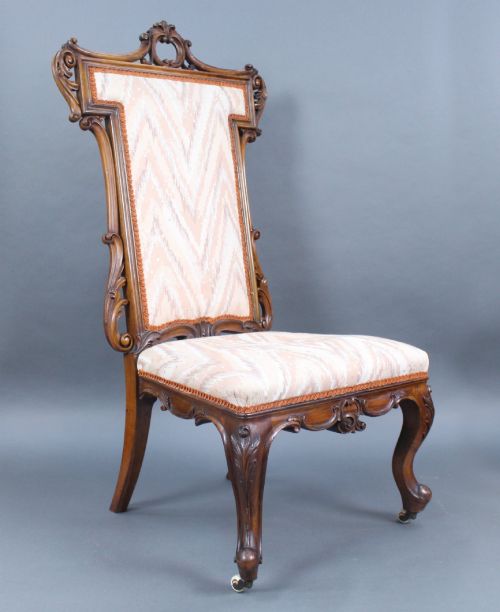
- A low-seated bedroom chair designed without arms to facilitate dressing. They often feature an exaggerated scroll back for lumbar support.
- Library armchair
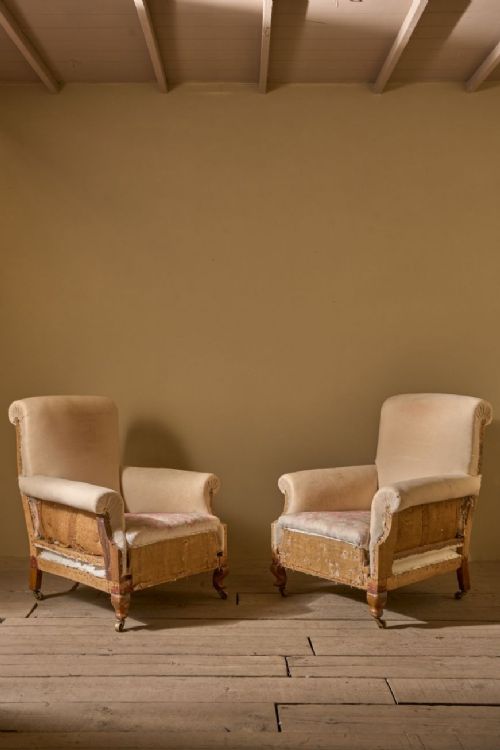
- A sturdy, upholstered seat intended for prolonged reading, occasionally fitted with swivel mechanisms or metamorphic reading attachments.
- Sabre leg
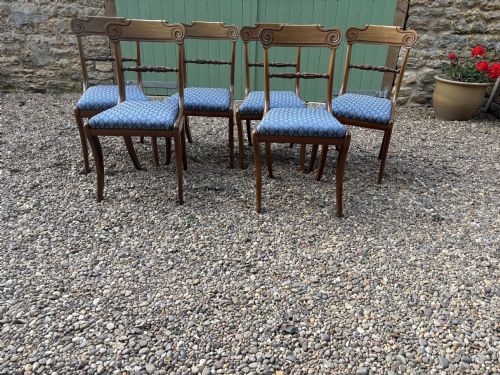
- A concave-curved furniture leg that tapers toward the foot, frequently seen supporting Regency seating.
Scrolled Back Chair: Frequently Asked Questions
How do I date a scrolled back chair?
Dating relies on identifying the underlying timber, the upholstery style, and the specific shaping of the scrollwork. Regency pieces often utilise light mahogany and sabre legs, while Victorian examples lean towards heavier rosewood or walnut framing with deep buttoning.
Secondary indicators include tool marks on the underside and the presence of period-specific hardware. Comparing the proportions to documented designs from the same decade clarifies the timeline further.
Were these chairs used in dining rooms?
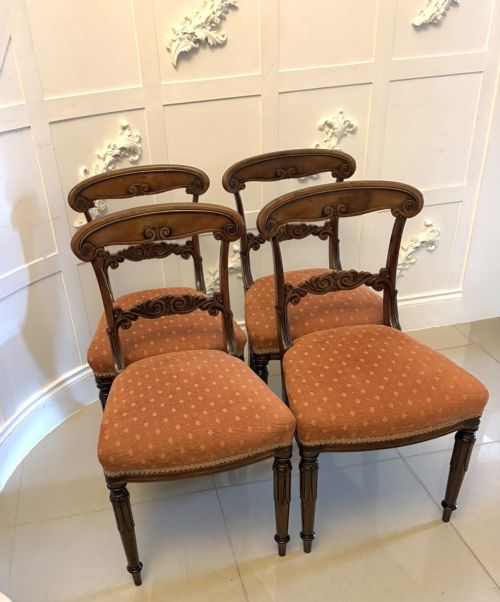
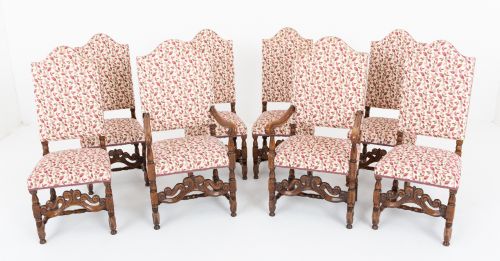
Many scrolled back chairs served primarily as dining furniture, particularly set within large matching groups of eight or ten. Armchairs acted as carvers placed at the head of the dining table.
Side chairs and hall chairs with wooden seats also fulfilled this role, offering upright posture. Their decorative backs provided visual interest when pushed against dining room walls.
How do I care for antique wood?
Maintaining antique timber requires keeping pieces away from direct heat sources and rapid humidity fluctuations to prevent the wood from splitting. Regular dusting with a dry, soft cloth preserves the existing polish without stripping the finish.
Applying microcrystalline wax periodically feeds the timber and protects the surface from minor scratches. Avoid silicone-based sprays, which can penetrate open grain and damage the antique patina.
Can I use these chairs daily?
Most antique seating is structurally sound for regular daily use provided the frame joints and internal webbing remain stable. Library armchairs and dining carvers were built for continuous domestic life and handle routine sitting well.
Delicate slipper chairs or cane-seated examples require a more mindful approach to weight distribution. Checking the underframe periodically ensures loose dowels or dry glue are addressed before active use.