








Scrimshaw Carving
Scrimshaw carving brings maritime heritage into the room, offering worked bone, horn and whalebone shaped by sailors and folk artisans.
Scrimshaw Carving
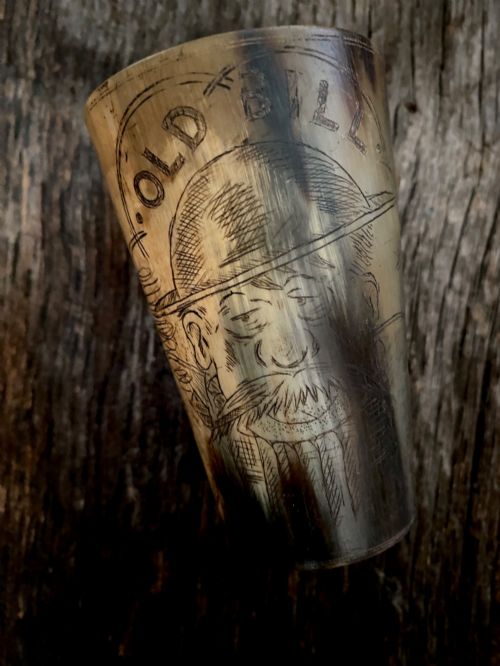
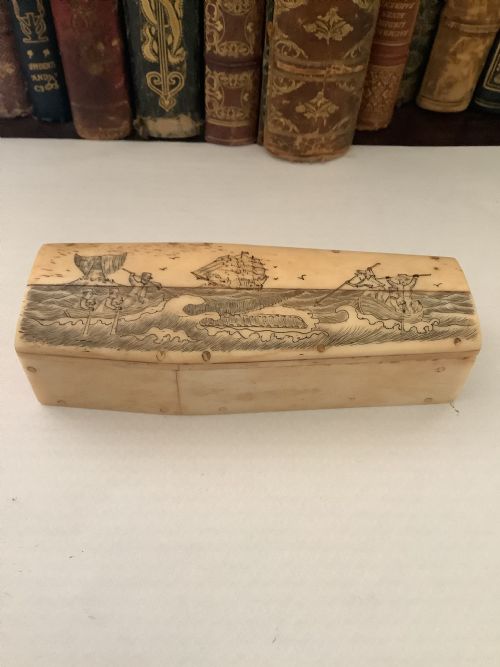
Scrimshaw carving encompasses works in bone, horn and whalebone, reflecting nautical folk art and early traditions. These objects range from practical items like powder horns and snuff boxes to decorative pieces and walking sticks.
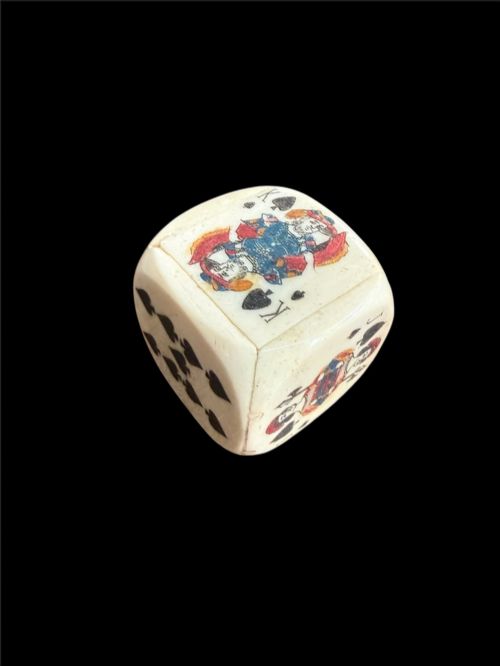
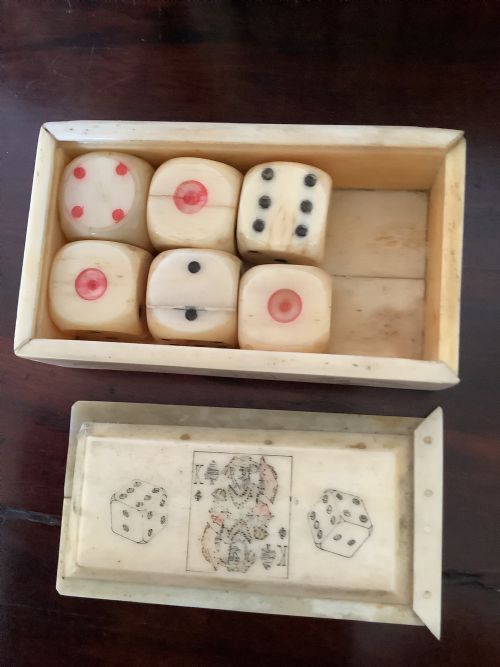
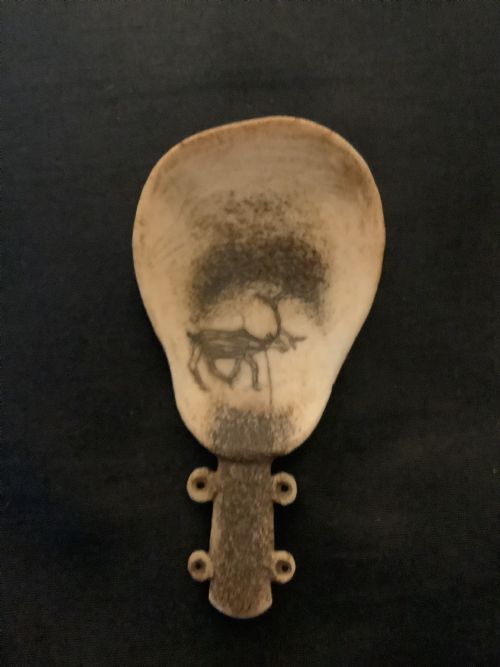
Nineteenth-century examples dominate the selection, alongside items from the eighteenth century, Edwardian era and nineteen-thirties. Forms include gaming collectibles, dice shakers, love spoons and walking canes.
The objects originate from maritime settings, prisoner of war camps and tribal communities such as Inuit artisans. Each piece bears the distinct mark of manual shaping and engraving using ink or pigment.
How They Were Made
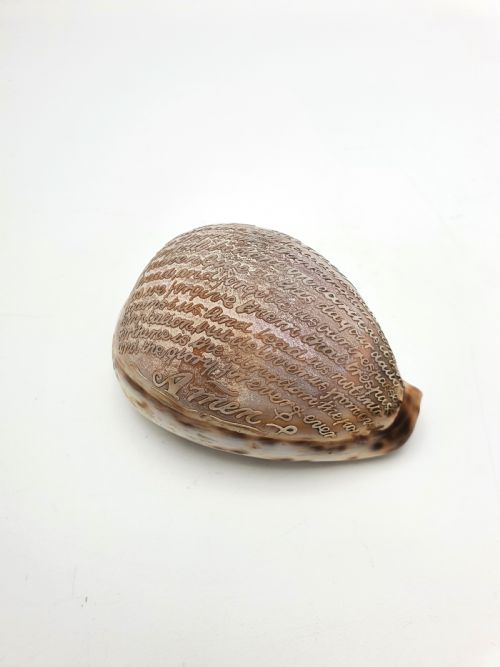
Materials are sourced from natural animal products including bone, whalebone, stag horn and cowrie shell. Artisans worked these hard surfaces using basic hand tools to carve functional and decorative items.
Detailing is achieved through incision and engraving, often enhanced with dark pigment or ink to make the designs legible. Wood, brass and silver-plated metal occasionally appear as mounting or structural components.
Scrimshaw Carving Retail Price Guide 2026
Typical asking prices for scrimshaw carving among the pieces listed under this phrase on Sellingantiques today, from the lower quarter to the upper quarter. They describe what is for sale here now, not the wider market.
Listings span the eighteenth century, the nineteenth century and the nineteen-thirties, featuring bone, horn, whalebone and wood.
What Varies in Quality
Quality rests in the sharpness of the carving and the intricacy of the engraved imagery. Pieces displaying precise geometric patterns or detailed pictorial scenes stand apart from simpler utilitarian items.
The integrity of the material and the preservation of original pigment influence the character of each object. Finer works demonstrate a harmonious balance between the natural contours of the bone or horn and the applied decoration.
The Scrimshaw Carving Glossary
- Scrimshaw
- The carving and engraving of bone, whalebone, ivory and horn, traditionally practiced by sailors. This technique turns hard organic materials into decorated functional objects.
- Powder horn
- A hollow animal horn used to store gunpowder, often engraved with maps, ciphers or folk scenes. These pieces frequently feature carved wooden plugs and suspension loops.
- Marrow spoon
- A slender cutlery item with a narrow channel, designed for extracting bone marrow. Eighteenth-century examples in bone are associated with domestic use and prisoner of war craftsmanship.
- Love spoon
- A wooden or horn spoon carved as a token of affection, featuring symbols such as hearts and interlinked stems. Central European and British folk traditions produced these decorative pieces.
- Memento mori
- An artistic reminder of the inevitability of death, often incorporating skulls or skeletal motifs. Carved bone objects of this type served as contemplative pocket pieces.
Scrimshaw Carving: Frequently Asked Questions
What materials were used for scrimshaw carving?
Makers utilised organic materials readily available at sea or in rural workshops, predominantly whalebone, bone, stag horn and cattle horn. Cowrie shells and wood also appear among the surviving pieces.
Surface decoration frequently incorporates dark ink or pigment to highlight the engraved lines against the pale background.
Who made these carved bone and horn items?
Many objects originate from sailors passing time on long voyages, while others were produced by prisoners of war detained during historical conflicts. Inuit tribal artists also created distinct sculptural and utilitarian carvings from bone and whalebone.
Folk artisans working in English and European traditions contributed domestic items such as snuff boxes and love spoons.
How do I care for antique scrimshaw?
Keep bone and horn objects away from direct sunlight and extreme fluctuations in temperature or humidity. Sudden environmental changes can cause natural organic materials to warp or split.
Dust gently with a soft, dry cloth and avoid applying modern polishes, oils or cleaning liquids to the carved surfaces.
How can I tell eighteenth century pieces apart from nineteenth century ones?
Eighteenth-century examples often lean toward Georgian folk art styles, featuring simpler utilitarian forms like powder horns and marrow spoons with rustic patination. Nineteenth-century pieces frequently display denser nautical motifs and a wider variety of specialised items like walking sticks and gaming sets.
Examining the wear, tool marks and context of the specific object helps determine its placement within these periods.