



Scandinavian Silver Pendant
A scandinavian silver pendant brings together clean modernist lines and precise metalwork from workshops across Denmark, Norway and Finland.
Scandinavian Silver Pendant
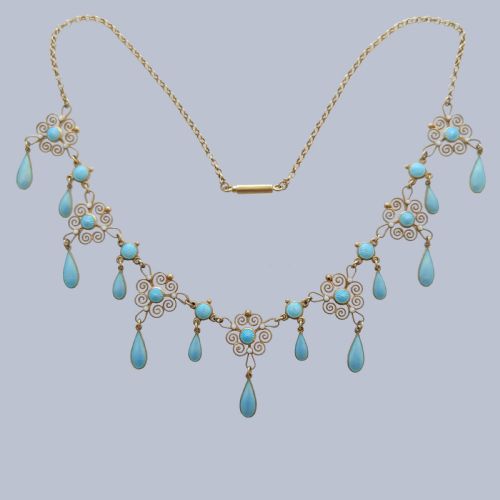
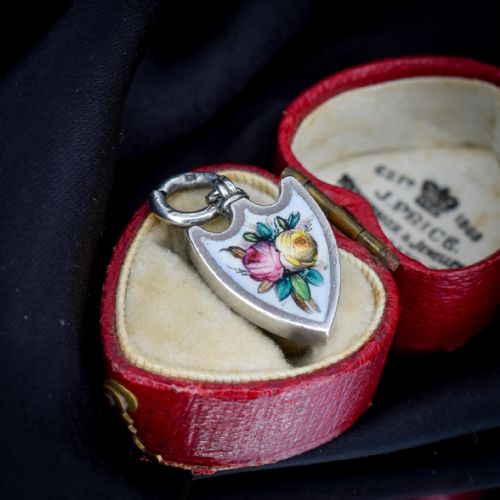
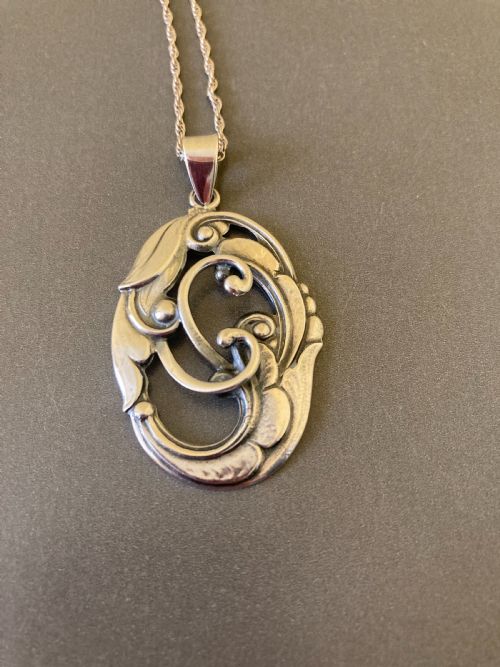
When you search for a scandinavian silver pendant, you find wearable objects spanning from the early twentieth century into the later decades of the twentieth century. These pieces appear as simple geometric shapes, floral shield charms, and necklaces incorporating torque bands.
The versions you meet most frequently on this page originate from Danish workshops, alongside examples from Norway and Finland. They emerge in styles including Mid-Century Modern, Art Nouveau, and Skønvirke.
Makers such as Georg Jensen, David-Andersen, and Marius Hammer shape the character of these items across different decades. The forms range from heart motifs and key rings to abstract pendants suspended on silver chains.
How they were made
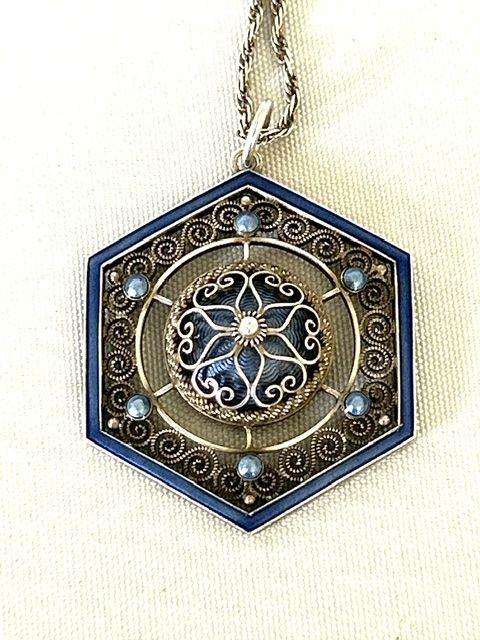
Silversmiths shape sterling silver and standard silver into pendants through casting, hammering, and assembly. Many pieces integrate applied colour via enamel or guilloche enamel work.
Certain designs incorporate natural stones, specifically amethyst, set directly into the silver frame. Surface finishes vary from high-polish shine to brushed textures characteristic of Mid-Century Modern design.
Scandinavian Silver Pendant Retail Price Guide 2026
Typical asking prices for scandinavian silver pendant among the pieces listed under this phrase on Sellingantiques today, from the lower quarter to the upper quarter. They describe what is for sale here now, not the wider market.
Some items double as functional key rings, allowing a pocket accessory to double as a wearable pendant.
What varies in quality
Quality rests in the precision of the metalwork and the complexity of the design, where master workshops achieve cleaner lines and sharper junctions than smaller commercial producers. The application of guilloche enamel demands exact skill to avoid bubbling or uneven translucency across the silver base.
The presence of a recognised maker mark, such as those from Georg Jensen or David-Andersen, distinguishes factory output from unsigned studio work. Subtlety of proportion and the integrity of integrated chains or torques further define the upper tier of these ornaments.
Marius Hammer·G Hoppe·Georg Jensen·David-Andersen
The Scandinavian Silver Pendant Glossary
- Guilloche enamel
- Enamel applied over a metal surface that has been machine-turned with an intricate geometric pattern. This technique creates a shimmering, light-reflective depth beneath the coloured glass.
- Sterling silver
- An alloy consisting of silver and other metals, usually copper, formulated to increase durability. It provides the standard metal foundation for many twentieth-century Scandinavian designs.
- Skønvirke
- The Danish iteration of Art Nouveau and Arts and Crafts aesthetics. It prioritises organic motifs and traditional craftsmanship over industrial manufacturing.
- Torque
- A rigid, circular neck ring that remains open at the front. Some Scandinavian pendants slide directly onto these solid metal bands rather than hanging from flexible chains.
- Mid-Century Modern
- An architectural, interior, and product design trend that reached its peak after the Second World War. In jewellery, it translates to clean forms, minimal ornamentation, and abstract shapes.
Scandinavian Silver Pendant: Frequently Asked Questions
What is a scandinavian silver pendant?
A scandinavian silver pendant is a decorative neck ornament created by silversmiths in countries including Denmark, Norway, and Finland.
These objects utilise sterling silver, enamel work, and stones like amethyst, reflecting design movements from Art Nouveau to Mid-Century Modern.
How do I date a pendant?
Dating relies on stylistic markers, maker marks, and material combinations recorded across the twentieth century.
Early pieces often feature Skønvirke or Art Nouveau floral motifs, while later examples show the clean geometric abstraction of the 1950s and 1960s.
How were these pendants worn?
Pendants were suspended from traditional link chains or slid onto rigid silver torque bands designed to rest flat against the collarbone.
Some versatile designs also functioned as key rings or charm elements attached to larger jewellery assemblies.
What distinguishes Danish modern silver?
Danish modern silver focuses on architectural simplicity, clean curves, and functional elegance rather than excessive surface ornamentation.
Workshops such as those of Georg Jensen pioneered these restrained yet expressive forms during the middle decades of the twentieth century.