

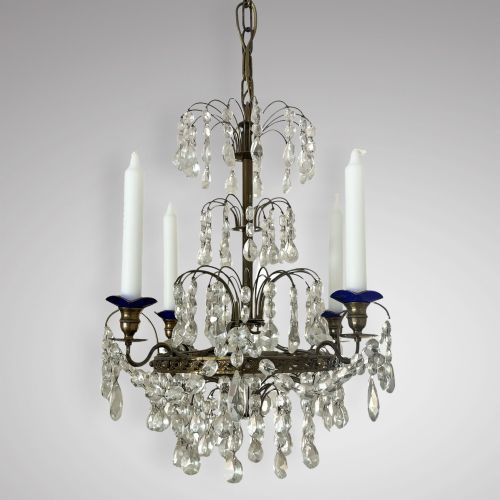


Scandinavian Pendant
A scandinavian pendant brings clean Nordic design and fine silverwork together, offering an understated focal point that collectors prize for its craftsmanship.
Scandinavian Pendant
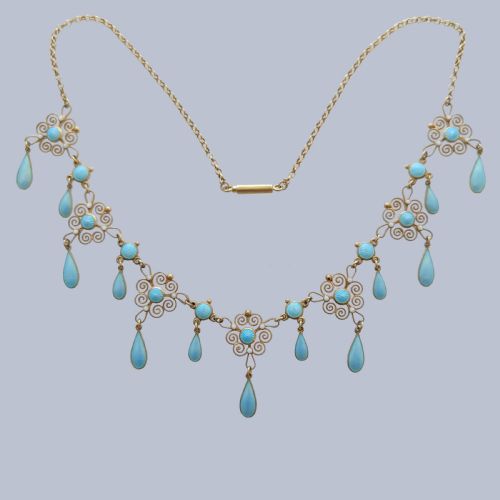
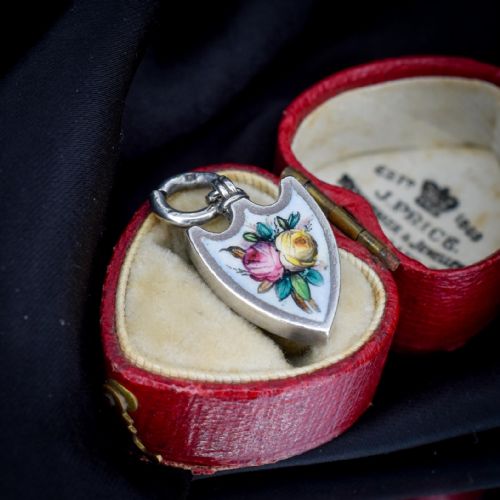
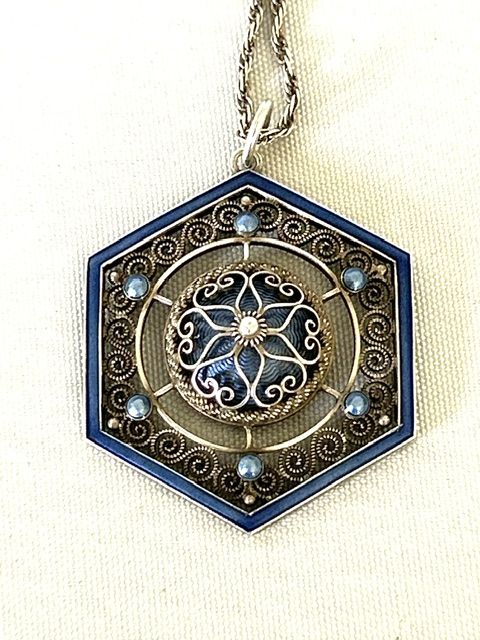
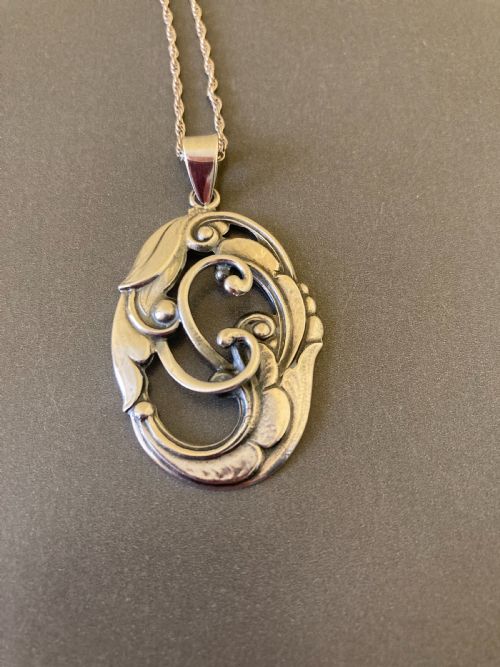
When you search for a scandinavian pendant, you encounter pieces spanning from the early twentieth century through the mid-century modern era. These designs range from floral guilloche enamel shield charms and heart key rings to sleek Danish silver work and Finnish creations.
The most common versions met on this page are silver necklaces and pendants originating from Norway, Denmark, Sweden, and Finland. They encompass diverse aesthetic movements, including Skønvirke, Art Nouveau, and Scandinavian Modern styles.
How they were made
Silversmiths shaped these pieces predominantly from sterling silver and standard silver, frequently integrating vibrant coloured enamel and guilloche enamel techniques. Workshops also incorporated crystal, glass, brass, and amethyst stones into the metalwork.
Construction methods rely on traditional casting, hammering, and enamel firing. Artisans combined these techniques to produce both intricate floral motifs and minimalist geometric jewellery.
Scandinavian Pendant Retail Price Guide 2026
Typical asking prices for scandinavian pendant among the pieces listed under this phrase on Sellingantiques today, from the lower quarter to the upper quarter. They describe what is for sale here now, not the wider market.
Listings feature silver, enamel, crystal, and amethyst across periods spanning from 1900 to later than 1960.
What varies in quality
Quality differences rest in the precision of the silversmithing and the intricacy of the enamel work. Superior examples demonstrate crisp execution in guilloche patterns and secure stone settings.
Attribution to documented workshops elevates a piece, as does the clarity and preservation of the metal surface and enamel layers over time.
Marius Hammer·G Hoppe·Georg Jensen·David Andersen
The Scandinavian Pendant Glossary
- Guilloche enamel
- A decorative technique where an engraved metal surface is covered with transparent translucent enamel. This creates intricate repeating patterns beneath the glassy coloured coating.
- Skønvirke
- The Danish iteration of Art Nouveau and Arts and Crafts movements. It emphasises organic motifs and traditional craftsmanship characteristic of early twentieth-century Scandinavian design.
- Sterling silver
- An alloy consisting of silver and other metals, typically copper, standardly used for durable jewellery. It provides the bright metallic foundation for many Nordic pendants.
- Pendant torque
- A rigid or semi-rigid neck ring that holds a suspended ornament. This form provides a distinct structural framing for the attached pendant.
Scandinavian Pendant: Frequently Asked Questions
How do I date a silver pendant?
Dating relies on stylistic markers, such as organic Art Nouveau curves versus clean mid-century modern lines, alongside any maker marks.
Examining the specific period characteristics helps place the piece within decades like the 1930s or 1960s.
What is guilloche enamel?
Guilloche enamel involves engine-turning a metal base to create geometric patterns before applying a translucent coloured glass coating.
The underlying engraved texture shows through the glass, adding depth to the surface.
Are these pieces made of sterling silver?
Many listings utilise sterling silver or standard silver as the primary structural metal for the jewellery.
Silver content varies by maker and period origin across the Scandinavian region.
How should I care for enamel jewellery?
Enamel requires gentle handling to avoid scratching or chipping the glass surface against hard objects.
Store pendants separately in soft pouches and clean them with a soft cloth without harsh chemical dips.