






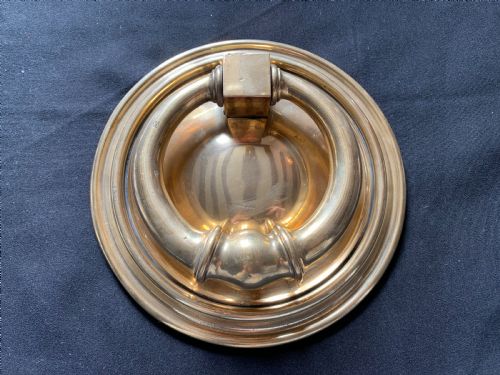


Salvaged Hardware
Salvaged hardware brings genuine period character to a door, moving beyond mass-produced fittings to solid brass and cast iron.
Salvaged Hardware
When you search for salvaged hardware, you encounter functional items rescued from period properties spanning several centuries. The selection centres heavily on Victorian brass and cast iron pieces, alongside Georgian, Regency, and seventeenth-century examples.
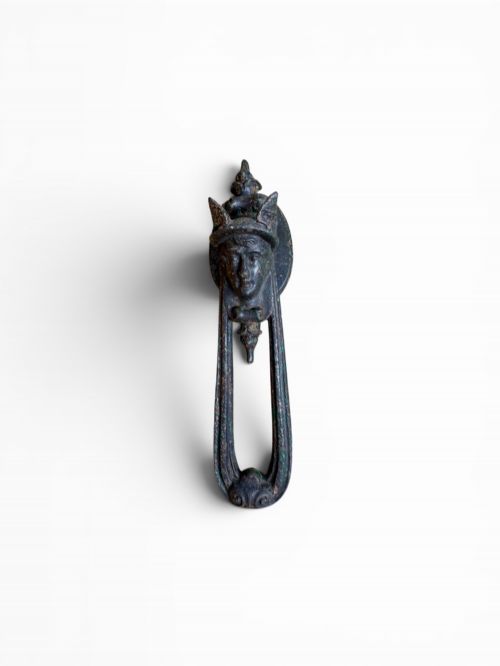
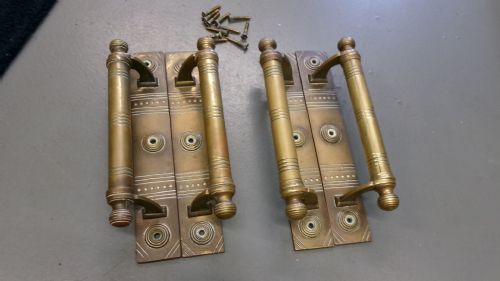
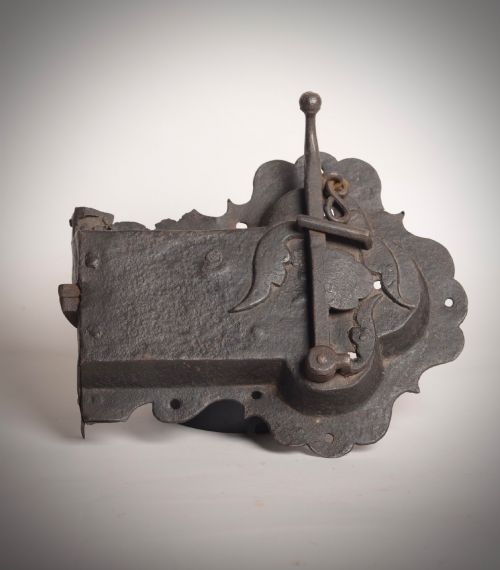
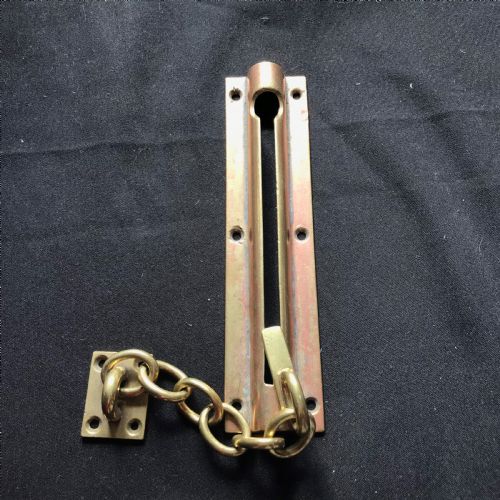
Door furniture dominates the available forms, ranging from handles and locks to knockers, hinges, and bell pulls. You also find specialised items like shop door handles, letter boxes, and push plates.
Origins stretch from English workshops to French and Chinese foundries, showing diverse regional designs in bronze, oak, and wrought iron.
Materials and construction methods
Makers relied primarily on brass, bronze, cast iron, and wrought iron for durability and decorative potential. Metal components were typically cast or forged, utilising techniques that produced crisp surface detailing such as beehive turnings and animal motifs.
Salvaged Hardware Retail Price Guide 2026
Typical asking prices for salvaged hardware among the pieces listed under this phrase on Sellingantiques today, from the lower quarter to the upper quarter. They describe what is for sale here now, not the wider market.
Current listings span periods from the seventeenth century through the 1920s, utilising brass, bronze, cast iron, oak, and wrought iron.
Assessing quality in period pieces
Quality rests in the crispness of the casting and the retention of original matching components like keys, keeps, and backing plates. Superior items display careful hand-finishing on brass and bronze surfaces rather than soft, uniform factory smoothing.
The integrity of internal mechanisms dictates the worth of locks and latches, with working keys and original spring bolts marking the higher tier. Weight, gauge of metal, and subtlety of ornamentation further separate standard utility pieces from exceptional examples.
Gerwin & Co Birmingham
The Salvaged Hardware Glossary
- Rim lock
- A mechanical lock mounted onto the surface of a door rather than mortised into the edge. These units were common on seventeenth and eighteenth-century doors.
- Push plate
- A protective metal or enamel plate fixed to a door to prevent finger marks around the handle. They often feature decorative Victorian or Edwardian ornamentation.
- Finial
- A decorative terminal ornament, commonly shaped as an acorn or urn, projecting from the ends of door hinges or pew end rails. These details signal quality period manufacture.
- Bell pull
- A mechanical linkage system utilising a lever or handle connected to a remote bell. Victorian examples often incorporate brass plates and elaborate turning.
- Box lock
- A self-contained locking mechanism housed in a heavy wooden or metal casing. These are frequently mounted directly to heavy oak interior doors.
Salvaged Hardware: Frequently Asked Questions
How do I clean old brass hardware?
Wash brass pieces gently with warm soapy water and a soft brush to remove surface dirt without stripping the accumulated patina. Avoid harsh chemical polishes that strip historical character from Victorian and Georgian surfaces.
Dry the metal thoroughly with a soft cloth to prevent spotting. Light waxing can help protect the finish once cleaned.
Will old door locks still work?
Many period rim locks and box locks remain fully functional if they retain their original internal springs and keys. Working mechanisms can be installed for daily use with minor adjustments.
Some antique locks serve primarily as decorative architectural salvage. Check individual listings to confirm whether a working key and keep are included.
How do I date antique door hardware?
Dating relies on matching the stylistic cues, such as Regency urn motifs or Arts and Crafts geometric lines, to known manufacturing periods. Material choices, like heavy cast iron versus later stamped steel, also indicate the era.
Construction techniques, including hand-threaded screws and casting methods, help narrow down the decade of production. Compare pieces with marked sample boards or documented catalogue examples.
Can I match salvaged handles to modern doors?
Older spindle sizes and backsets often differ from modern door preparations, requiring careful measurement before installation. Spindles may need adapters or minor adjustments to fit contemporary latches.
Thicknesses of period doors and mounting plates should be checked against your current setup. Many buyers adapt standard fixings to accommodate antique brass and bronze components securely.