





Rustic Wood Basket
A rustic wood basket brings grounded utility and honest grain to a room, offering warm texture built from pine, oak, and elm.
Rustic Wood Basket
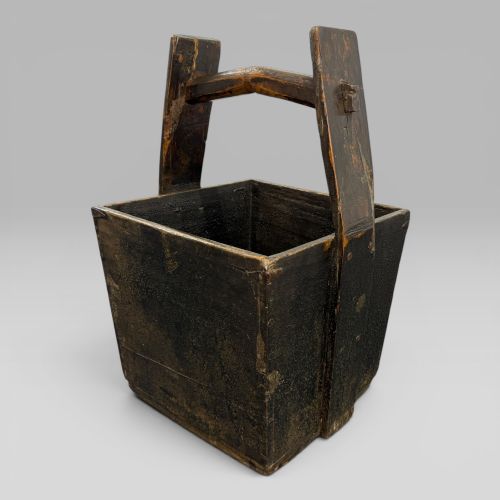
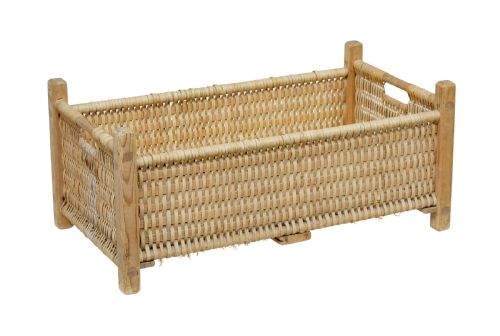
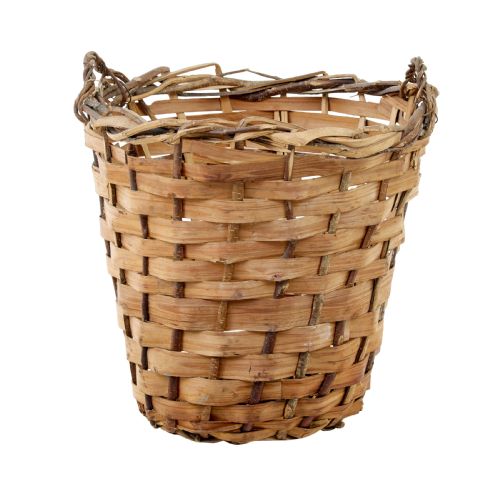
When you search for a rustic wood basket, you encounter practical vessels designed for heavy labour and daily domestic storage. These objects range from nineteenth-century Scandinavian hand-woven pine carriers to French grape bins and oak log holders.
The pieces you meet most often on this page are nineteenth-century pine woven baskets and sturdy timber log bins. Originating from diverse rural traditions including Scandinavian country, French country, and Chinese provincial styles, they bridge the gap between utility and interior decoration.
How they were made
Makers utilised available local timbers such as pine, oak, elm, and wood splint, shaping them into durable containers for harvests and fuel. Flexible strips were woven by hand, while heavier storage vessels relied on solid timber construction.
Iron reinforcement appears frequently to secure staves and handles against heavy loads. Blacksmith-made bands and fastenings provide structural integrity to trugs and bins intended for rugged agricultural or hearthside work.
Some nineteenth-century truffle collecting trugs were designed specifically for forest foragers tracking underground fungi with pigs.
What varies in quality
Quality rests in the integrity of the original construction and the survival of the timber's natural surface patination. Pieces that retain their genuine iron bindings and untrimmed woven splints demonstrate superior surviving character.
Proportion and structural balance separate utilitarian containers from finer examples of regional craftsmanship. A well-balanced weave and tight joints ensure the vessel holds its shape through decades of handling.
The Rustic Wood Basket Glossary
- Trug
- A shallow garden or agricultural basket traditionally used for gathering fruit and vegetables. These often feature reinforced rims and sturdy wooden handles.
- Splint
- Thin strips of wood peeled or sliced from a log for weaving. They provide flexibility and strength in traditional basketry.
- Log Bin
- A heavy container designed to hold firewood by the hearth. These incorporate durable timbers like oak and pine, frequently bound with iron.
- Harvest Basket
- A large vessel utilised for gathering seasonal crops from the fields. Their generous proportions accommodate heavy quantities of produce.
Rustic Wood Basket: Frequently Asked Questions
What were rustic wood baskets originally used for?
These vessels served essential roles in agricultural and domestic life, carrying firewood, gathering vineyard grapes, and transporting harvested crops from fields to barns. Their sturdy construction allowed them to withstand heavy daily labour.
Over time, households also adopted them for general storage and hearthside organisation, turning working tools into functional home furnishings.
How do I care for an antique wood basket?
Keep wooden baskets away from direct heat sources and dramatic humidity shifts to prevent the timber from drying out or splitting. Gentle dusting with a dry cloth maintains the surface without stripping the natural patina.
Avoid applying modern varnishes or heavy oils, as historic wood breathes and responds best to minimal intervention.
How can I tell pine baskets apart from oak ones?
Pine baskets generally display a lighter colour with softer grain patterns, and they were frequently utilised for flexible hand-woven designs in Scandinavian regions. Oak pieces are heavier, denser, and commonly found in rigid log bins or iron-bound trugs.
The weight and colour of the timber immediately indicate the primary material used by the regional maker.
Where did these regional styles originate?
The pieces reflect rural traditions across Europe and Asia, with Scandinavian country, French country, and Chinese provincial origins dominating the selection. Each region utilised local timber species and specific weaving techniques suited to their landscape.
German Black Forest pieces also contribute specialised harvesting trugs shaped by local woodland practices.