






Rustic Wall Unit
These rustic wall unit pieces bring practical character to a room, offering display space and storage forged from honest timber.
Rustic Wall Unit
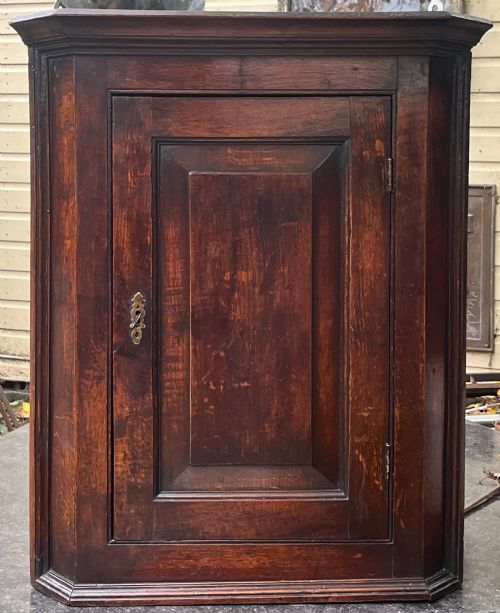
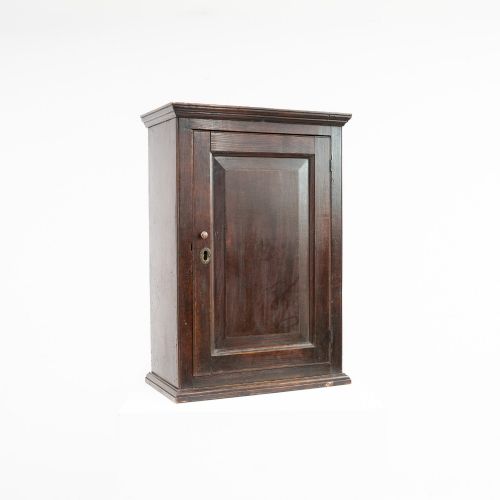
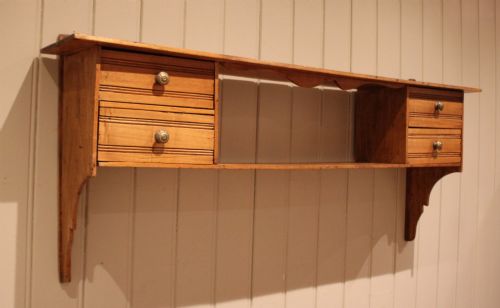
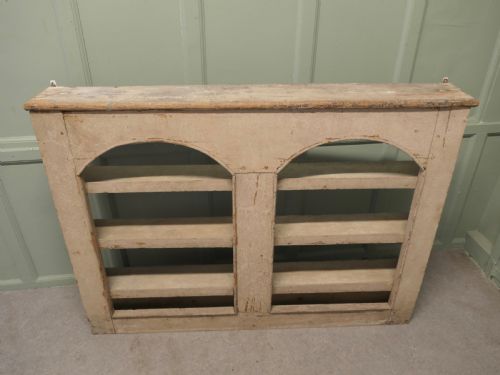
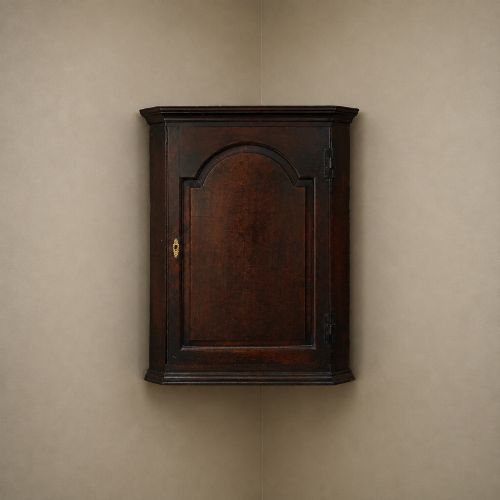
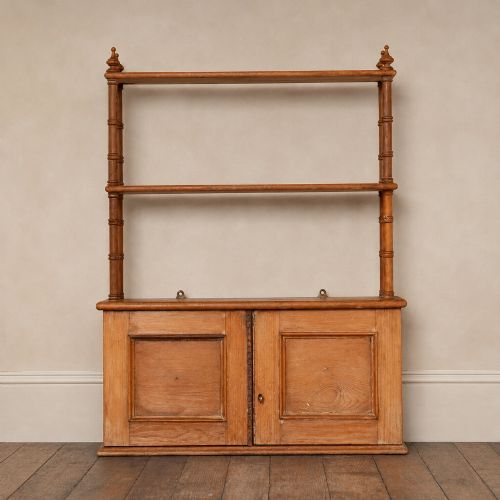
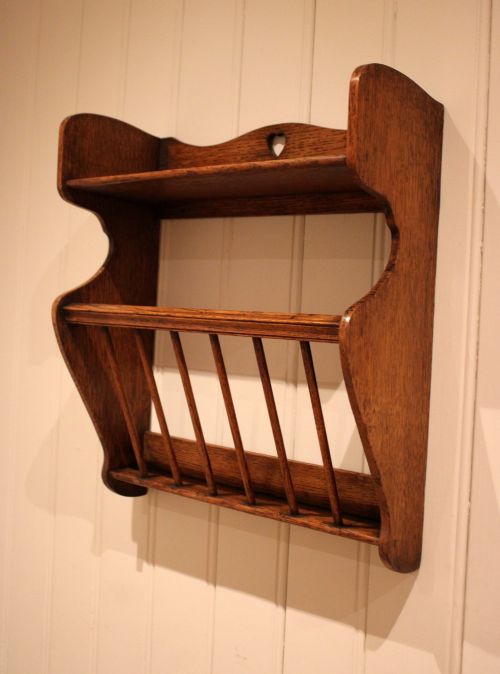
A rustic wall unit serves as both practical storage and a focal point, drawing from centuries of utilitarian design. When searching for a rustic wall unit, buyers most frequently encounter corner cupboards, wall shelves, and pigeon holes spanning the eighteenth to the twentieth centuries.
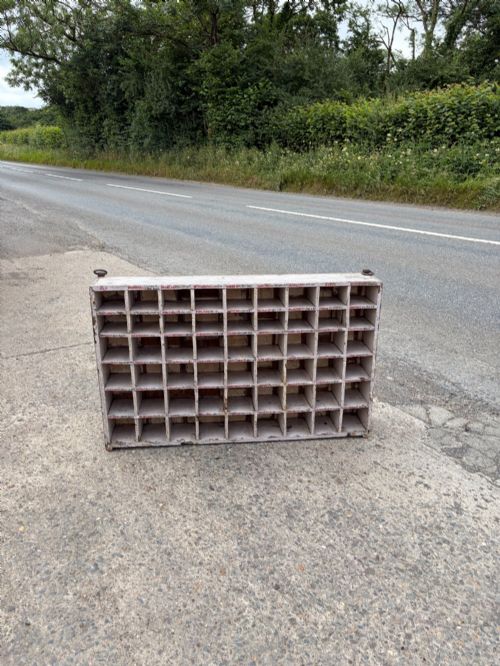
The selection ranges from early Georgian oak corner cabinets to nineteenth-century pine shelving and industrial pigeon holes. These pieces originate from various regional traditions including English country, French provincial, and arts and crafts movements.
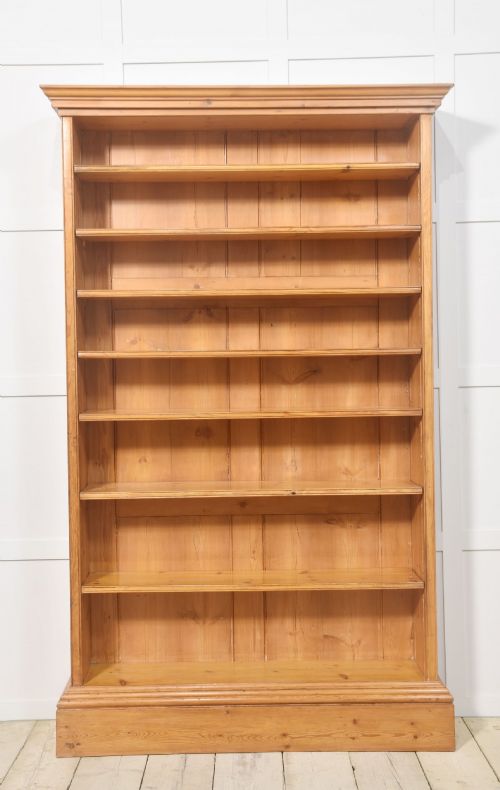
Forms adapt to domestic needs across different eras, transitioning from enclosed eighteenth-century corner units designed to save space to open pine bookcases and display shelves of the Victorian and Edwardian periods.
Materials and construction methods
Construction relies heavily on sturdy domestic timbers, principally oak and pine, alongside occasional fruitwood, walnut, and iron hardware. Cabinetmakers utilised solid boards joined simply to withstand daily use in kitchens, hallways, and living spaces.
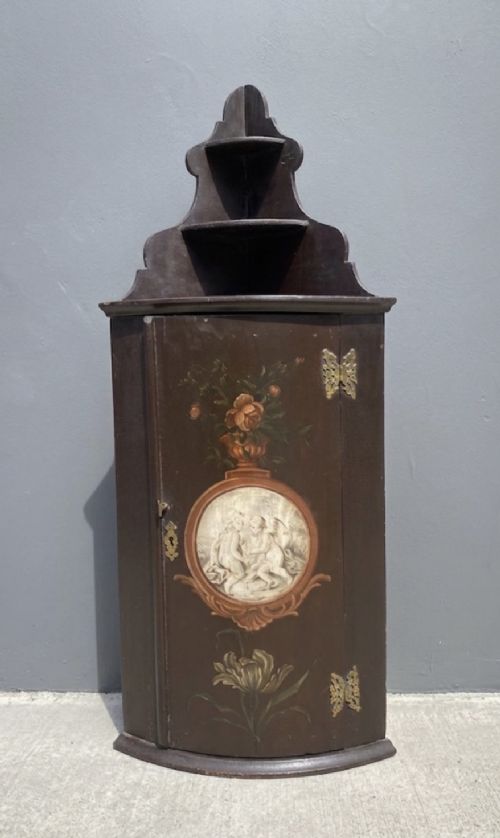
Surfaces show the honest marks of age and utility, often finished with distemper paint, hand-mixed pigments, or left as bare timber. Brass hinges and latches provide functional detail while structural joints rely on traditional pegging and dovetailing.
Rustic Wall Unit Retail Price Guide 2026
Typical asking prices for rustic wall unit among the pieces listed under this phrase on Sellingantiques today, from the lower quarter to the upper quarter. They describe what is for sale here now, not the wider market.
Several pieces preserve traces of distemper paint, proving that our ancestors loved a colourful kitchen just as much as we do.
Distinctions in quality and finish
Quality rests in the integrity of the timber selection and the retention of original surface treatments. Pieces with untouched historic paintwork or well-patinated oak stand apart from heavily restored examples.
Proportion and joinery dictate the success of the piece, where thoughtful corner angles or balanced shelving intervals reflect the maker's eye. Finer examples balance robust utility with subtle decorative mouldings suited to domestic display.
The Rustic Wall Unit Glossary
- Corner Cupboard
- A cabinet specifically constructed to fit into the internal angle of a room, saving floor space while providing enclosed storage. These units often feature panelled doors and internal shelving.
- Pigeon Holes
- A set of small, open compartments designed for sorting documents, letters, or small objects. Industrial and domestic variants appear frequently in pine and oak.
- Distemper Paint
- A traditional water-based paint mixture utilising chalk and pigment, often found on early painted furniture. This finish offers a chalky, matte appearance that patinates gracefully over time.
- Alcove Shelving
- Fitted or hanging shelving units designed to occupy architectural recesses within a room. These pieces maximise awkward spaces with tailored horizontal boards.
Rustic Wall Unit: Frequently Asked Questions
Where should I hang a wall unit?
These pieces suit kitchens, hallways, or bathrooms where floor space is limited but storage is necessary. Hanging corner cupboards fit neatly into unused angles, while open shelves function well above prep surfaces.
Ensure proper wall fixings are used to support the weight of solid timber cabinets and their contents securely.
How do I care for painted timber?
Dust surfaces gently with a dry, soft cloth and avoid chemical cleaning products that might strip historic finishes. Keeping pieces away from direct heat sources prevents the timber from warping.
Allow the natural patina and minor surface wear to remain, as these characteristics record the history of the object.
Are these units suitable for modern kitchens?
Pine and oak units integrate easily into contemporary spaces, adding warmth and texture against plain walls. Open shelves and pigeon holes offer practical storage for everyday ceramics and dry goods.
Their utilitarian origins mean they function as efficiently today as they did in eighteenth-century and nineteenth-century homes.
How can I date an oak corner cupboard?
Examine the construction methods, such as hand-cut dovetails, pegged joints, and the type of hinges used on the doors. Eighteenth-century examples often feature heavier oak construction and fielded panels.
Later Victorian and Edwardian pieces frequently utilise lighter pine carcasses or machine-sawn timber components.