




Rustic Oak Shelving
Rustic oak shelving brings together sturdy timber and honest utility, offering practical storage with centuries of character for any room.
Rustic Oak Shelving
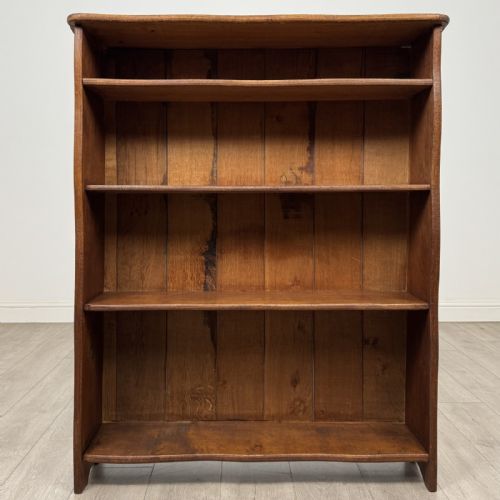
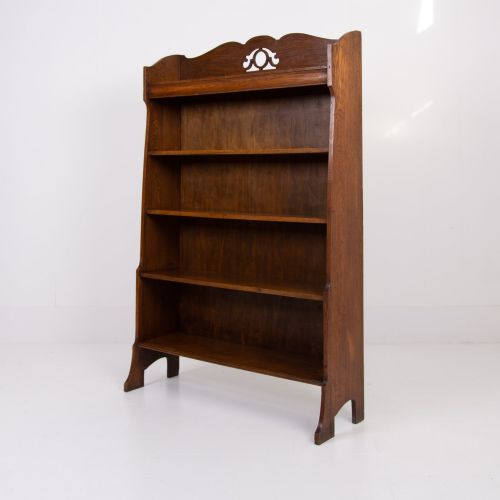
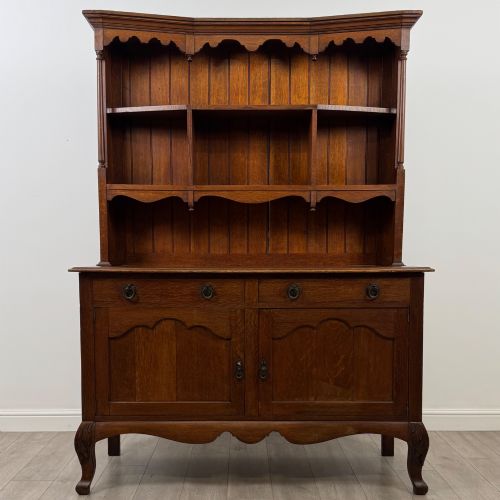
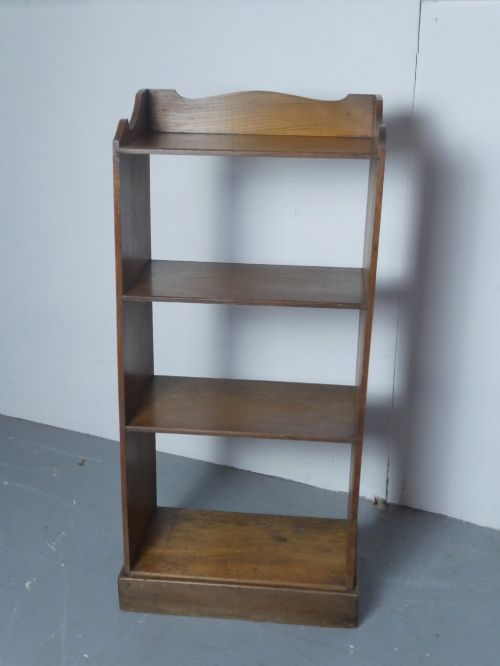
Rustic oak shelving appears in various formats across our listings, ranging from hanging wall racks and plate racks to open bookcases and substantial Welsh dressers. Buyers seeking rustic oak shelving will encounter pieces spanning the eighteenth century through to the early twentieth century, reflecting both English country and Arts and Crafts traditions.
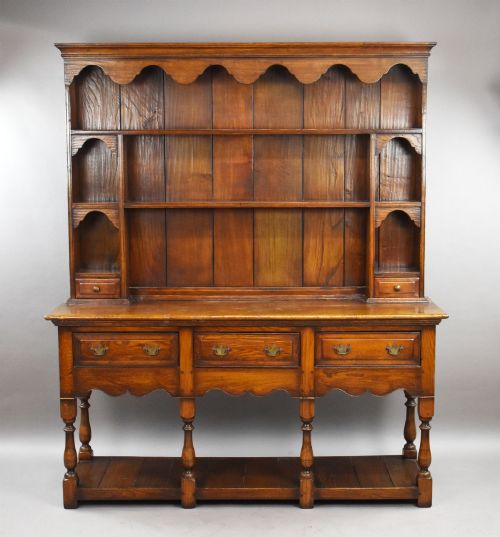
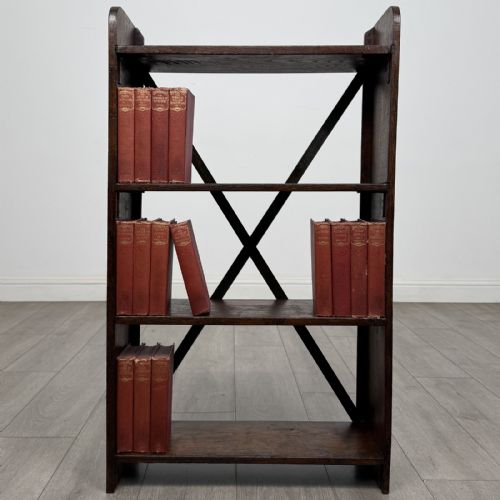
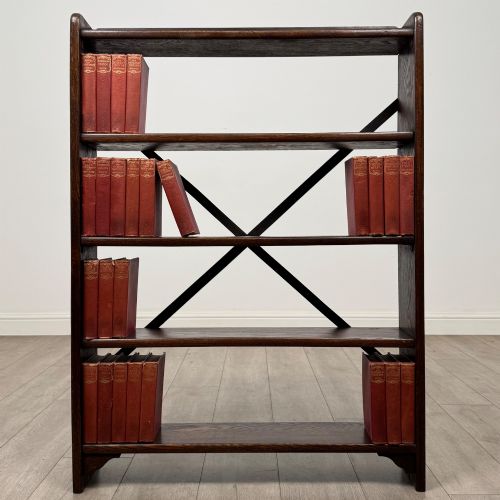
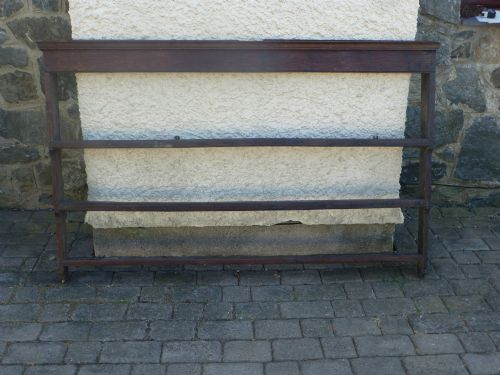
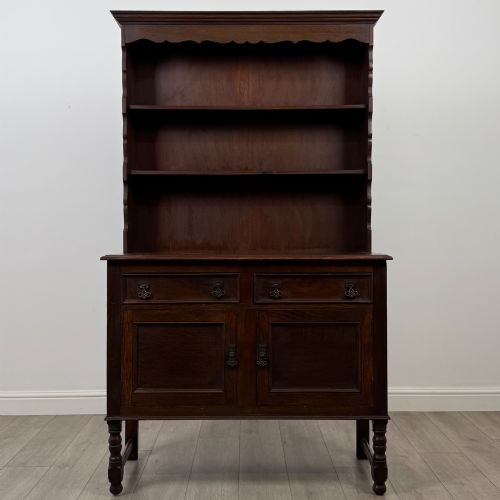
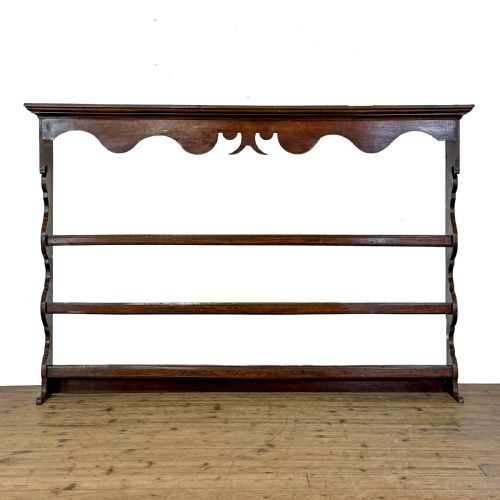
The domestic forms on offer include standing open bookcases with iron cross backs, hanging delft racks designed for displaying crockery, and two-part dressers featuring turned legs and shaped sides. These utilitarian items served everyday storage and display needs in period kitchens, pantries, and living spaces.
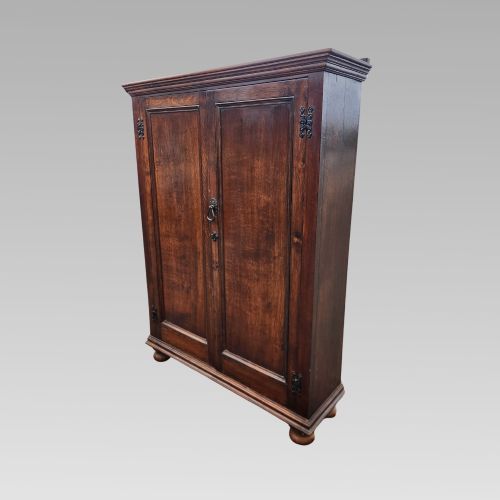
Originating largely from British and provincial French workshops, the items showcase practical carpentry suited to domestic life. Pieces such as corner cupboards and housekeeper storage units demonstrate how oak was utilised for durable, long-lasting furniture before the era of mass production.
Factors influencing quality
The standard of a piece rests heavily on the selection of the timber and the integrity of the original construction rather than surface embellishment. Heavier boards, well-balanced proportions, and untouched surfaces distinguish superior examples from simpler utilitarian items.
Design details such as shaped sides, period brassware, and integrated iron structural braces elevate certain bookcases and dressers above standard domestic furniture. The coherence between the regional style, whether English country or French provincial, and the execution of the joints determines the overall merit of each piece.
Rustic Oak Shelving Retail Price Guide 2026
Typical asking prices for rustic oak shelving among the pieces listed under this phrase on Sellingantiques today, from the lower quarter to the upper quarter. They describe what is for sale here now, not the wider market.
Listings feature oak combined with iron and brass hardware, spanning periods from Georgian and Regency through to Edwardian Arts and Crafts.
The Rustic Oak Shelving Glossary
- Delft rack
- A wall-mounted or dresser-top shelf specifically designed with narrow ledges and plate grooves for displaying ceramic plates and platters. These racks formed a central feature in traditional kitchens.
- Welsh dresser
- A large kitchen furniture piece combining base cupboards or drawers with an upper superstructure of open shelves. They evolved for storing and exhibiting household earthenware and pewter.
- Arts and Crafts
- A design movement valuing handcraftsmanship, simple forms, and visible construction methods over industrial ornamentation. Pieces from this tradition often feature plain oak surfaces and honest joinery.
- Cross back
- An open structural brace formed in the shape of an X, commonly executed in iron on the back of open bookcases. It provides lateral stability while maintaining an airy appearance.
Rustic Oak Shelving: Frequently Asked Questions
How do I clean antique oak shelves?
Dust regularly with a soft, dry cloth to prevent dirt accumulation in the grain. Avoid modern chemical sprays and silicones.
Apply a traditional beeswax polish sparingly once or twice a year to nourish the timber and maintain a natural protective sheen.
Can hanging wall racks support heavy books?
Hanging wall racks were originally designed for lighter ceramic plates, bowls, and pantry items rather than heavy volumes. Assessing the depth of the shelves and the strength of the wall fixings is essential before storing dense collections.
For heavier items, standing open bookcases or lower dresser bases provide much more suitable and secure weight distribution.
How do I identify an 18th-century piece?
Eighteenth-century items typically display hand-planed surfaces, pegged mortise and tenon joints, and native oak timbers showing deep patination from age. Tool marks and irregular board widths often indicate manual production.
Later Victorian and Edwardian reproductions or adaptations often incorporate machine-cut elements, standardised fixings, and lighter finishes compared to their earlier counterparts.