


Rustic Metal Planter
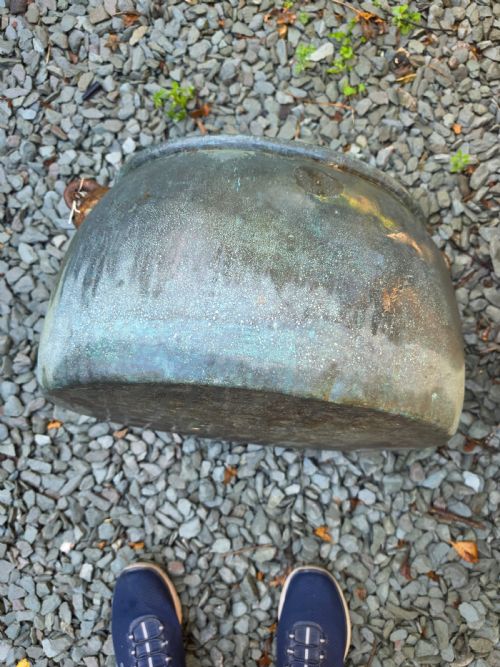
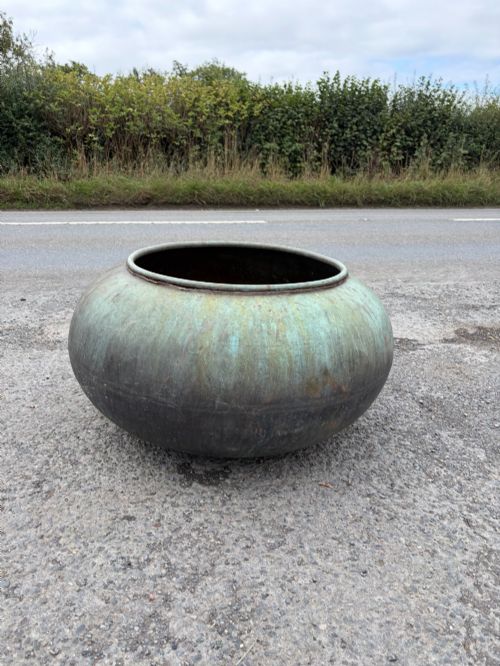
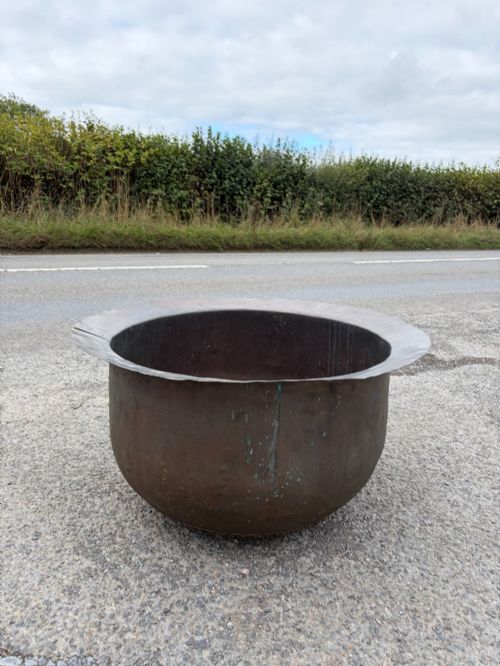
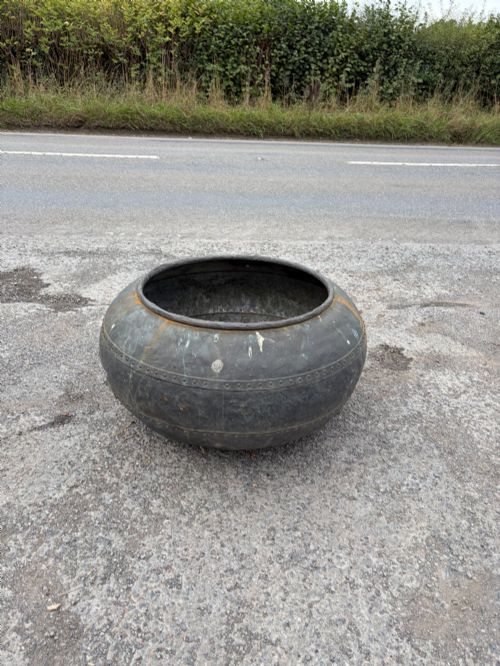
These heavy iron and copper vessels bring functional garden utility indoors as a rustic metal planter.
Rustic Metal Planter
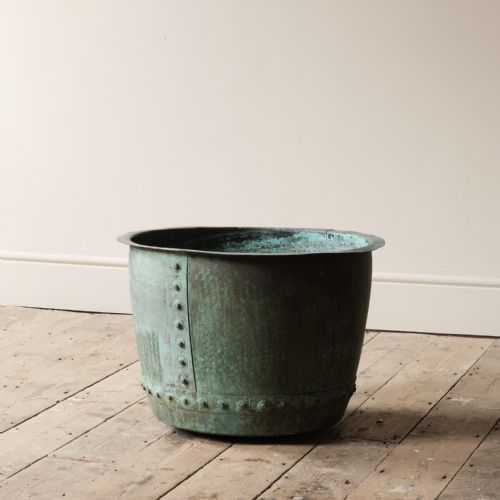
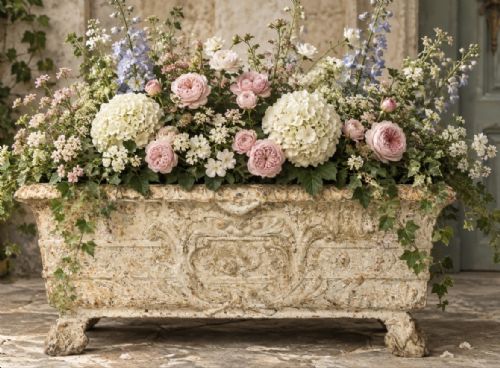
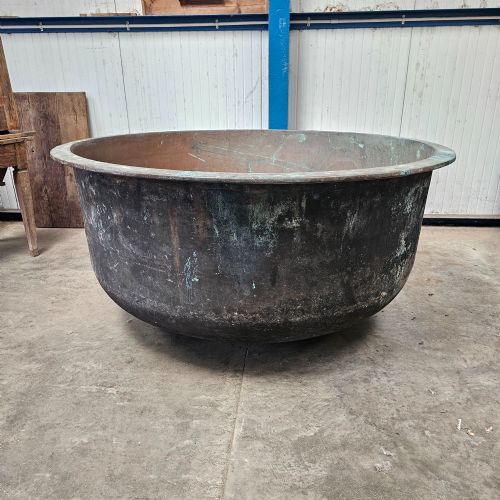
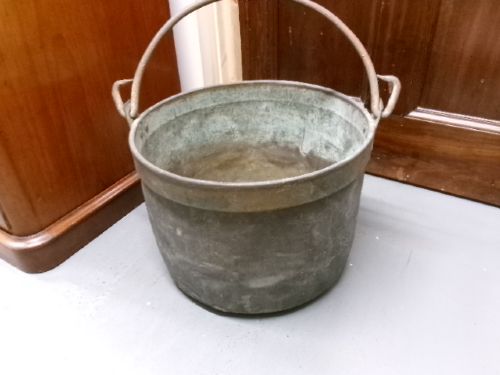
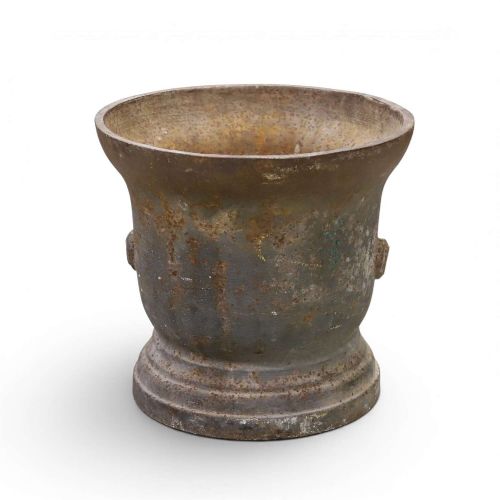
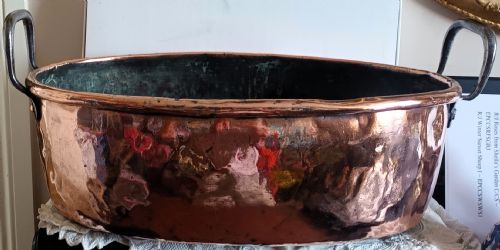
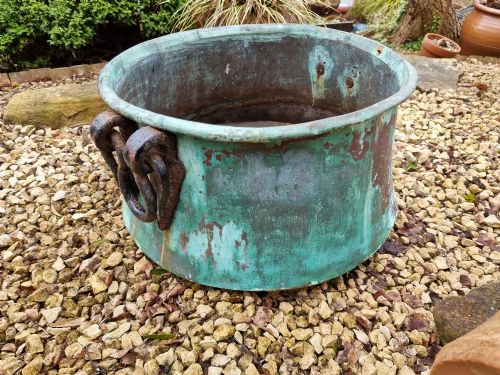
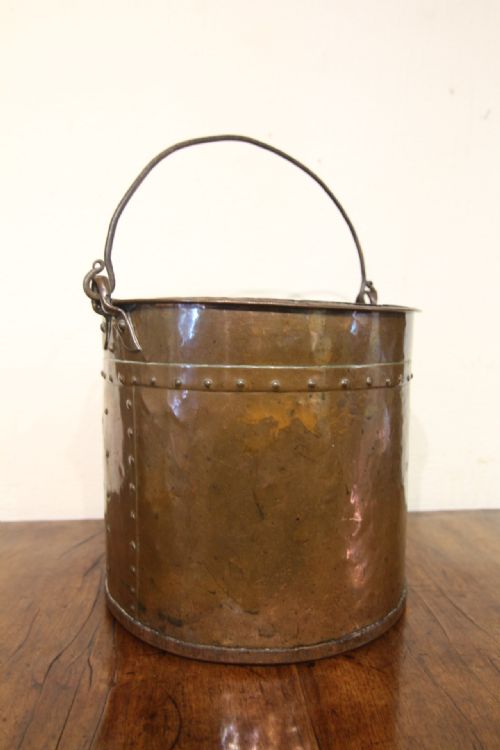
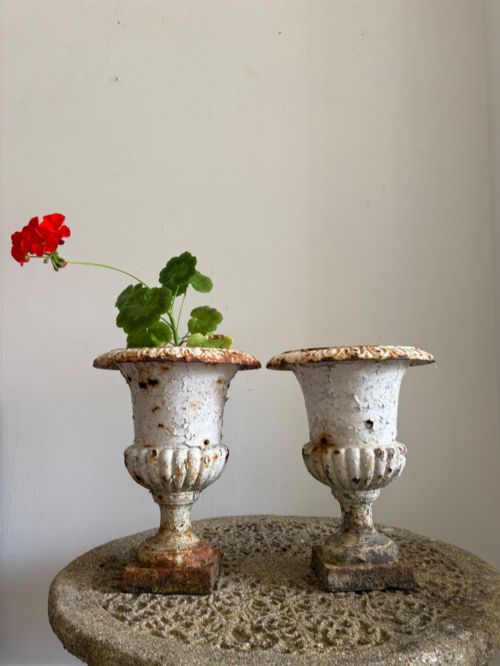
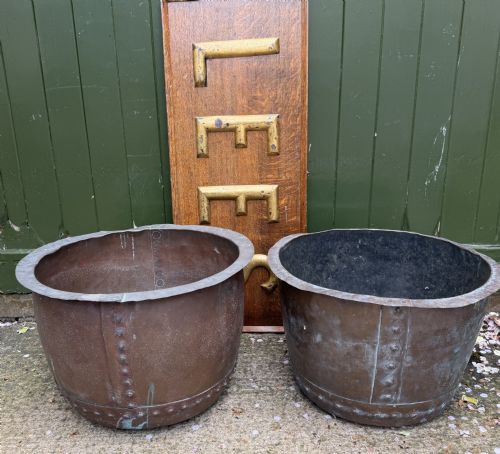
A rustic metal planter encompasses heavy utility vessels repurposed for plant displays, specifically robust log bins, garden urns, wash tubs, and large copper pots. These objects originate primarily from the nineteenth century, reflecting Victorian, Georgian, and French country domestic and agricultural traditions.
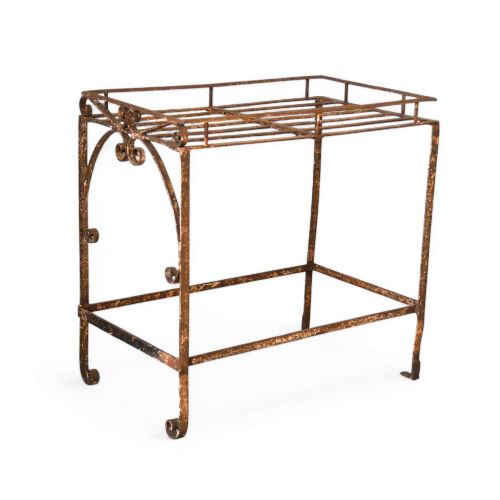
The selections here lean heavily toward riveted copper vessels, cast iron urns, and wrought iron plant stands designed for heavy service. Buyers encounter domestic containers that previously served dairies, firesides, or estate gardens before finding new life holding greenery.
Materials and construction methods
The construction relies on heavy gauge copper joined with visible hand-riveting, alongside durable cast and wrought iron shaped for structural strength. Metals were beaten, cast, or riveted to withstand constant moisture and heavy loads.
Surface finishes emerge from authentic age, displaying natural verdigris, weathered patinas, and remnants of original paint on iron surfaces. Oak components appear coopered alongside metal bindings in specific utility buckets.
Rustic Metal Planter Retail Price Guide 2026
Typical asking prices for rustic metal planter among the pieces listed under this phrase on Sellingantiques today, from the lower quarter to the upper quarter. They describe what is for sale here now, not the wider market.
Listings span periods from the eighteenth century through the 1930s, uniting copper, iron, brass, zinc, paint, and oak.
Distinctions in quality
Quality rests upon the integrity of the metal gauge and the honesty of the surface wear. Thick, heavy copper plates and crisp, well-defined casting in iron urns outlast thinner, later stamped alternatives.
The character of the patina dictates visual success, where naturally accumulated verdigris and genuine weathering hold superior decorative presence compared to forced or uniform finishes.
The Rustic Metal Planter Glossary
- Verdigris
- The green patina that forms naturally on copper or brass through atmospheric oxidation. This surface layer acts as an indicator of age and exposure to moisture.
- Coopered
- Built using wooden staves bound together by metal hoops, similar to barrel construction. This technique appears on specialised utility buckets found within the collection.
- Jardiniere
- An ornamental pot or stand designed to hold growing plants or flowers. These items often feature decorative wrought iron or ceramic inner vessels.
- Cauldron
- A large metal pot with a swing handle, traditionally used over fires. These deep vessels transfer easily to heavy floor planters.
- Urn
- A vase-shaped vessel on a pedestal, frequently cast in iron for garden or table display. They showcase classical proportions and heavy weight.
Rustic Metal Planter: Frequently Asked Questions
What metals are these planters made from?
The selection consists largely of heavy copper, cast iron, wrought iron, zinc, and brass. Many incorporate iron swing handles or riveted seams.
Oak timber also appears in coopered bucket designs alongside the primary metal structures.
Are these planters suitable for outdoor use?
Most of these pieces originated as outdoor urns, garden racks, or agricultural tubs built to withstand the elements. Cast iron and heavy copper handle exterior conditions reliably.
Protection from standing water inside un-drained copper pots helps preserve the internal metal over time.
How do I identify a nineteenth century piece?
Nineteenth century examples display hand-beaten copper plates joined with irregular handmade rivets rather than modern machine welding. Surface patinas show decades of authentic oxidation and wear.
Cast iron pieces exhibit the heavier proportions and classic detailing typical of Victorian foundry work.
How can I use these vessels indoors?
Large copper pots, wash tubs, and log bins function effectively as floor-standing plant covers for large house plants. Smaller cauldrons and table urns suit sideboards or hearths.
Using an internal plastic liner protects historical metal surfaces from direct soil moisture.