

Rustic Country Furniture
Rustic country furniture brings straightforward utility and domestic history into a room through honest timber and unpretentious domestic forms.
Rustic Country Furniture
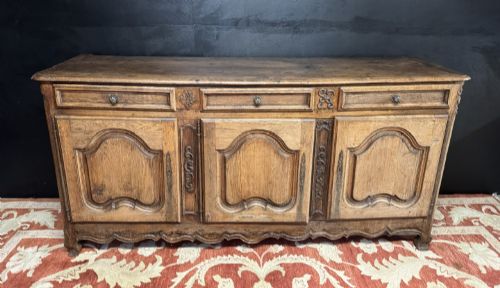
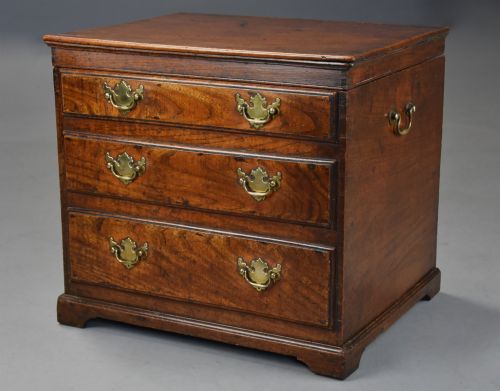
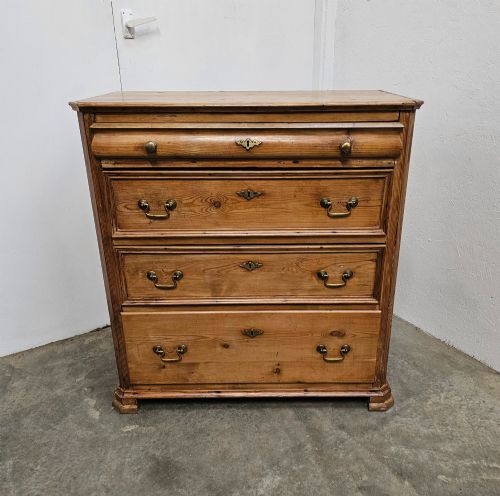
When you search for rustic country furniture, you encounter practical items designed for everyday rural life across several centuries. These pieces encompass seating, dining tables, side tables, chests of drawers, and storage cupboards produced for domestic interiors.
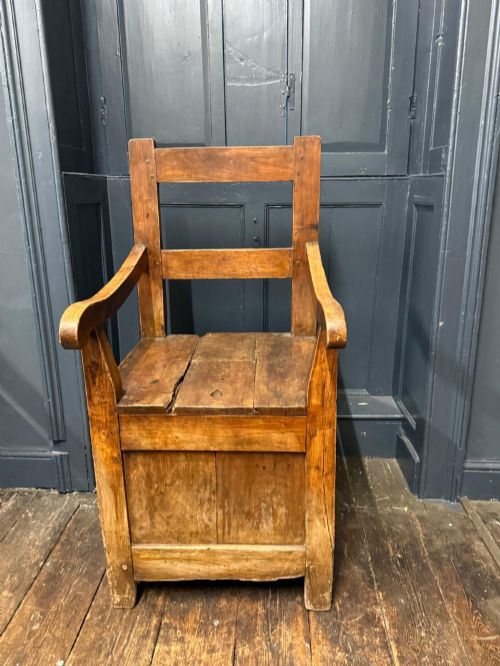
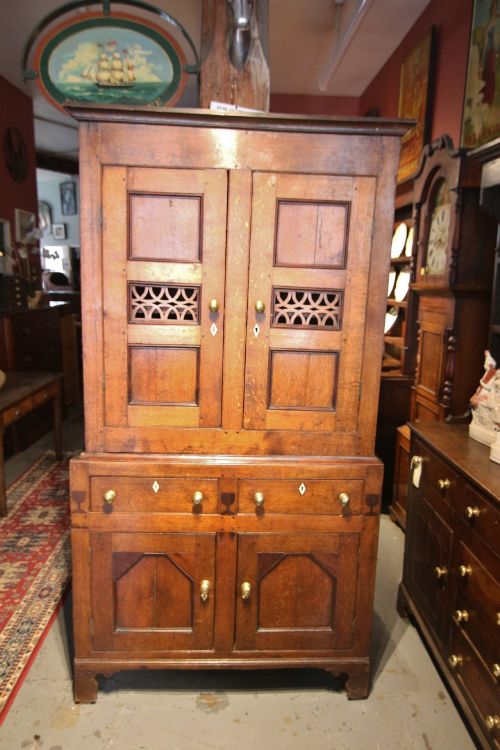
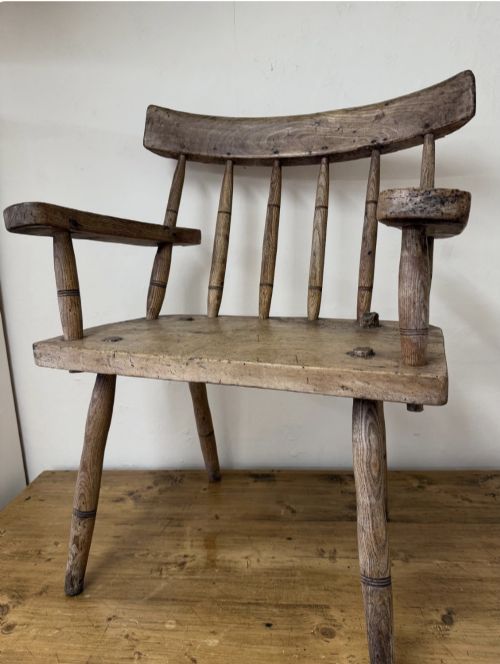
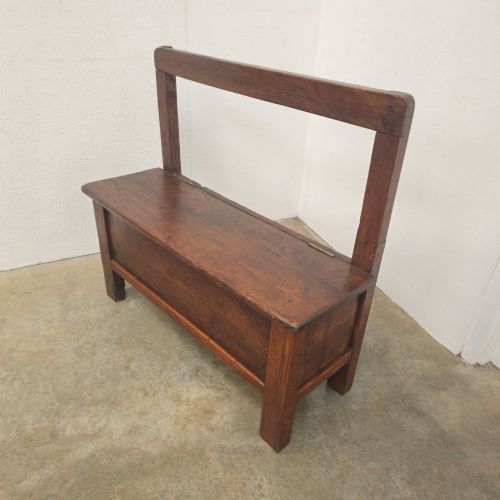
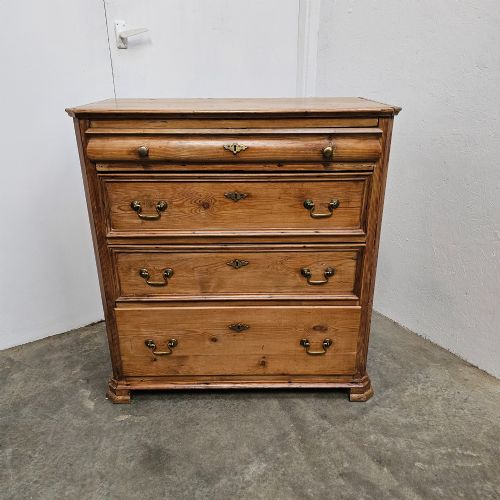
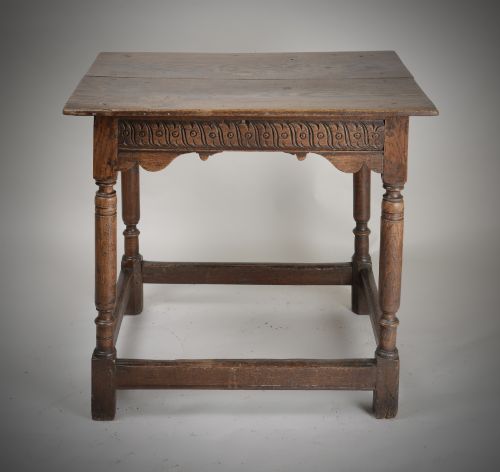
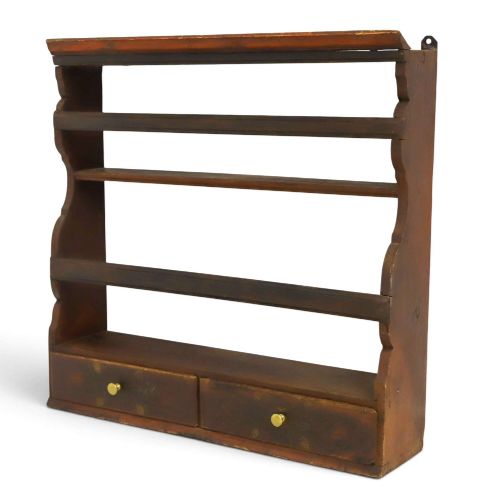
The versions you meet most frequently on this page are pine and oak pieces originating from English, Welsh, Scottish, Irish, and French provincial workshops. They include farmhouse benches, Windsor armchairs, dressers, and cricket tables built to serve domestic needs.
Many examples date from the eighteenth and nineteenth centuries, alongside select vernacular pieces from earlier periods and the early twentieth century. Their forms reflect regional traditions rather than urban fashion, prioritising utility over ornament.
Materials and construction methods
Makers utilised solid timbers accessible in their local regions, predominantly oak, pine, elm, and beech. These woods were often joined using traditional framing techniques such as mortise and tenon joints or simpler plank construction.
Surfaces frequently show the marks of hand tools, with boards shaped by adzes, drawknives, and hand planes. Iron and brass hardware, including hinges and drawer pulls, served a purely functional purpose.
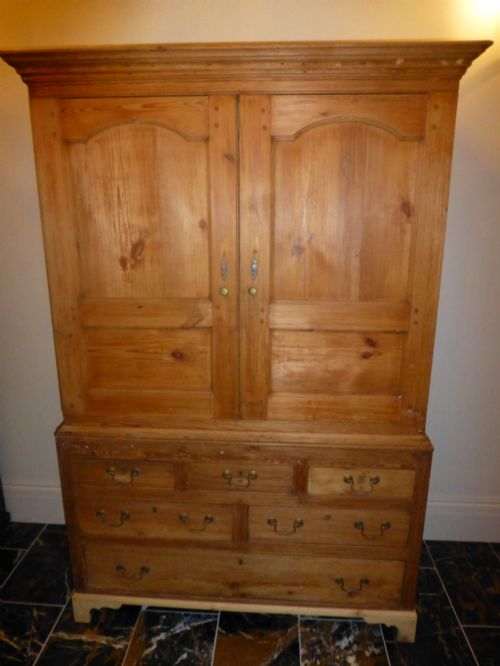
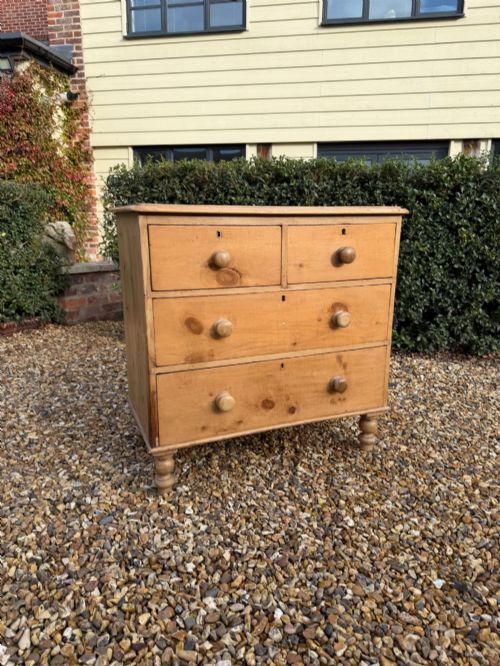
Paint finishes, whether applied originally or retained as layers of later decoration, appear across pine cupboards, benches, and chest of drawers. Clear wax or oil finishes were otherwise used to protect the bare wood.
Rustic Country Furniture Retail Price Guide 2026
Typical asking prices for rustic country furniture among the pieces listed under this phrase on Sellingantiques today, from the lower quarter to the upper quarter. They describe what is for sale here now, not the wider market.
Current listings feature pieces spanning the seventeenth, eighteenth, and nineteenth centuries, constructed from pine, oak, elm, and beech.
Assessing quality in vernacular pieces
Quality rests in the integrity of the original construction and the proportion of the piece. Better items maintain their structural balance and utilise thick, well-seasoned boards that withstand decades of daily domestic use.
The handling of timber grain and the retention of original surface patination distinguish finer examples. Pieces that preserve their initial painted finish or develop a deep, unpolished sheen over centuries carry greater integrity than those stripped down or heavily restored.
Jack Grimble
The Rustic Country Furniture Glossary
- Joint stool
- A low wooden seat constructed with mortise and tenon joints rather than turned legs driven into drilled holes. These sturdy seats date primarily from the seventeenth and eighteenth centuries.
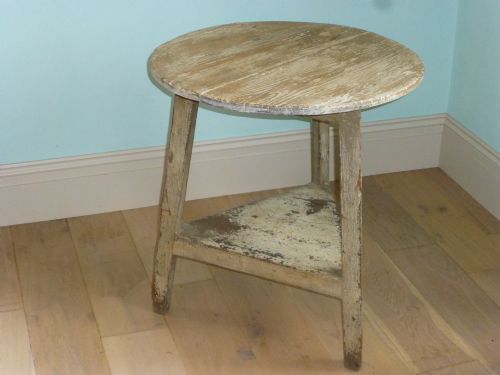
- Cricket table
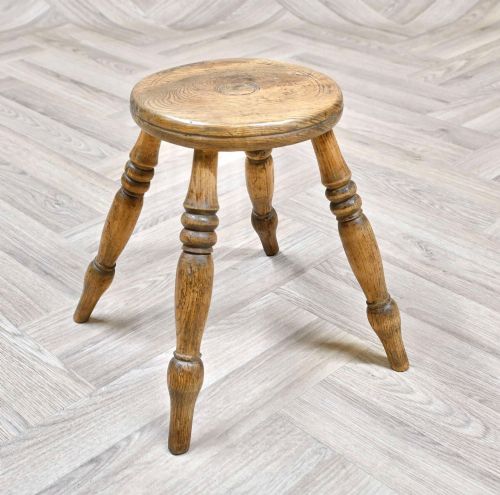
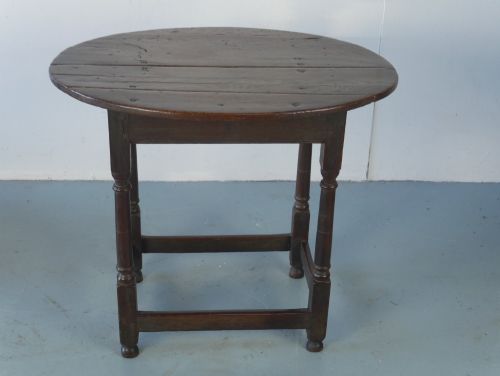
- A small, light table supported by three splayed legs, traditionally used on uneven flagstone floors. The design prevents rocking in farmhouse kitchens.
- Refectory bench
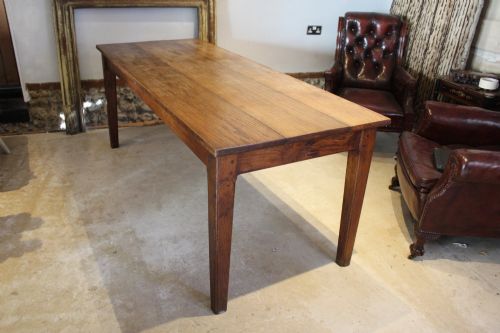
- A long, linear seating form designed to accompany large dining tables in communal or domestic spaces. They are typically constructed from solid oak or pine.
- Cwpwrdd deuddarn
- A traditional Welsh two-section cupboard used for storing household provisions and linen. They are constructed from native oak with panelled doors.
- Windsor armchair
- A wooden seating form featuring a solid carved seat into which the legs and back spindles are wedged. Elm and beech were commonly combined for their contrasting properties.
Rustic Country Furniture: Frequently Asked Questions
How do I identify pine farmhouse furniture?
Pine furniture generally exhibits a softer grain and lighter natural tone than hardwood alternatives. Many pieces were originally painted to protect the softwood or simply left bare to absorb domestic use over generations.
Examining the construction reveals hand-cut dovetails on drawers and pegged joints rather than modern mechanical fasteners. Over time, the pine develops a warm patina that distinguishes older vernacular items from modern reproductions.
Where were these country pieces used?
These items populated rural kitchens, dairies, farmhouses, and modest cottages across Britain and continental Europe. They served strictly functional roles for food preparation, dining, sitting, and storing textiles.
Their robust construction suited the demands of rural trades and domestic labour. Today, their utilitarian origins allow them to integrate easily into contemporary living spaces.
How do I care for antique wood surfaces?
Maintain timber surfaces by applying natural beeswax sparingly and buffing gently with a soft cloth. Avoid placing these pieces in direct sunlight or near heat sources that might dry out the old wood.
Keep humidity levels stable to prevent the historic pine or oak from splitting. Regular dusting with a dry cloth protects the accumulated patina without harming the finish.