

Round Wood Stand
A round wood stand brings functional timber craft to small corners, offering sturdy surfaces for lamps, tea, and display.
Round Wood Stand
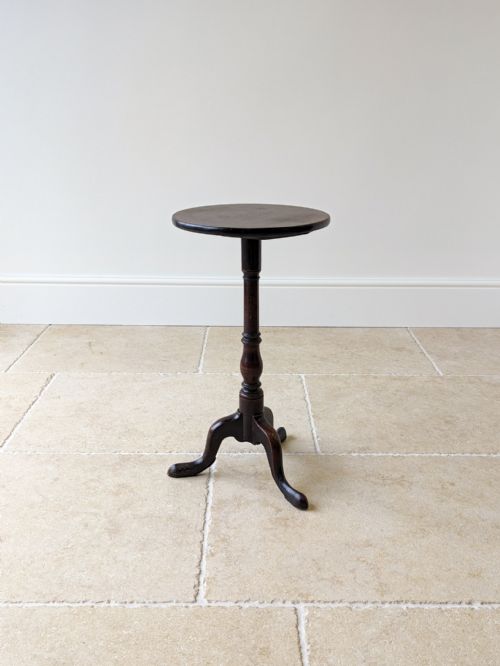
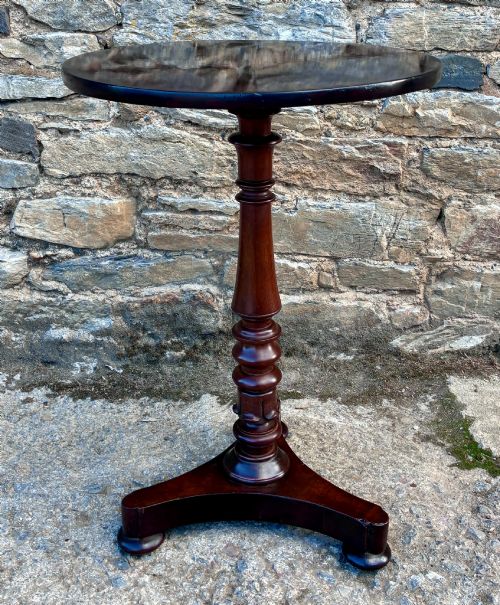
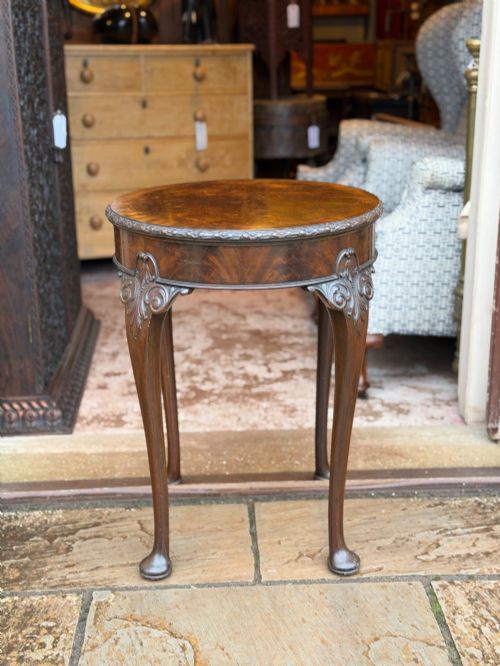
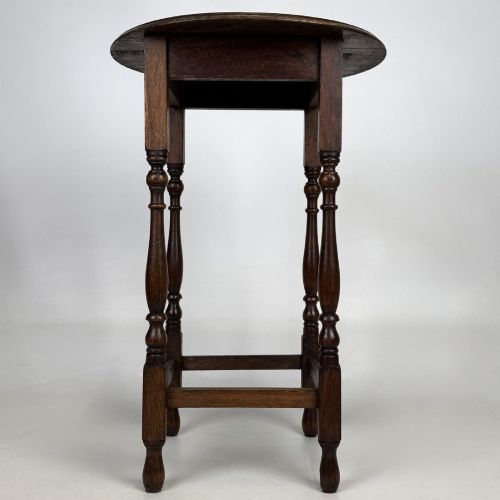
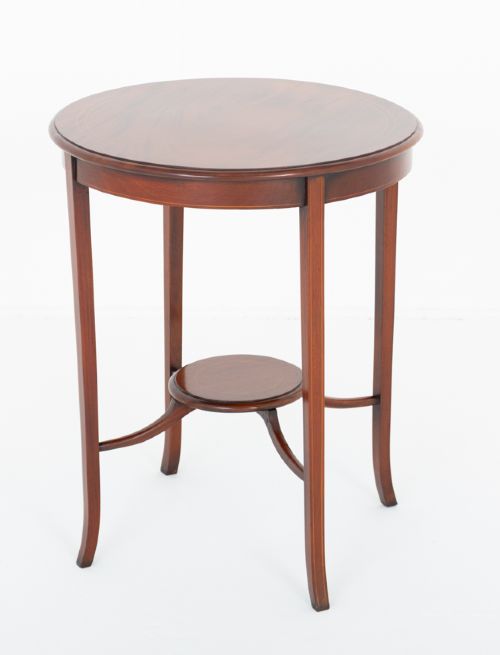
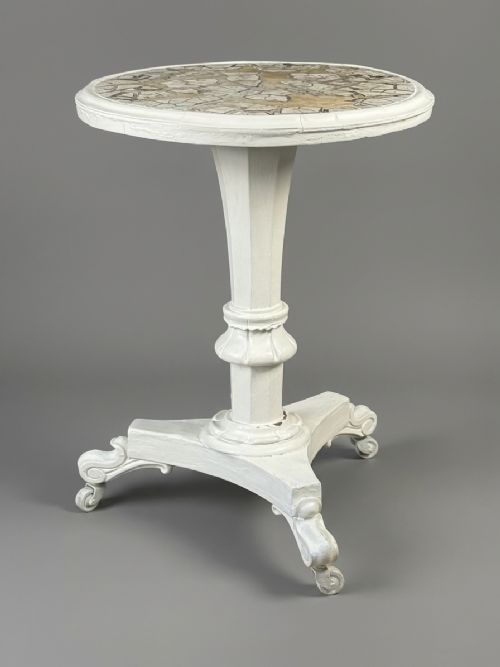
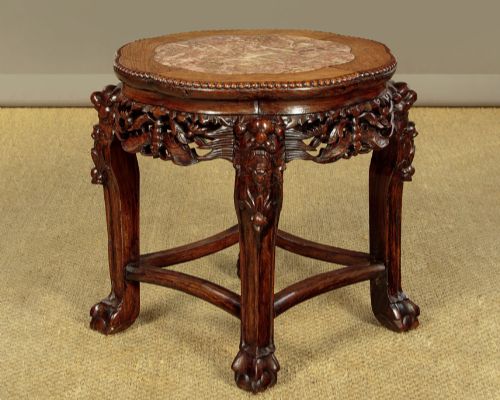
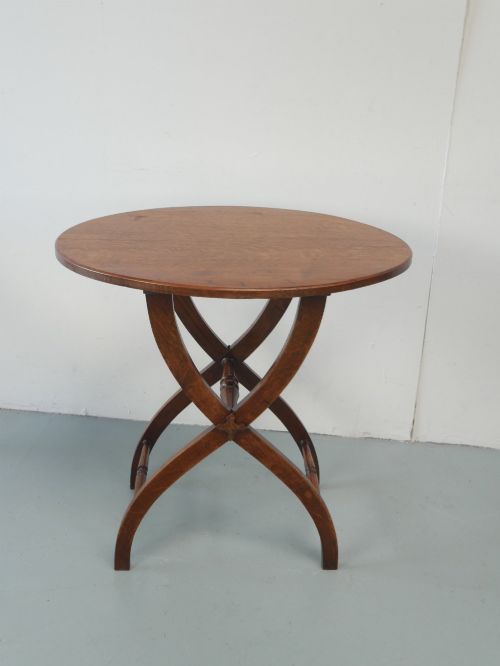
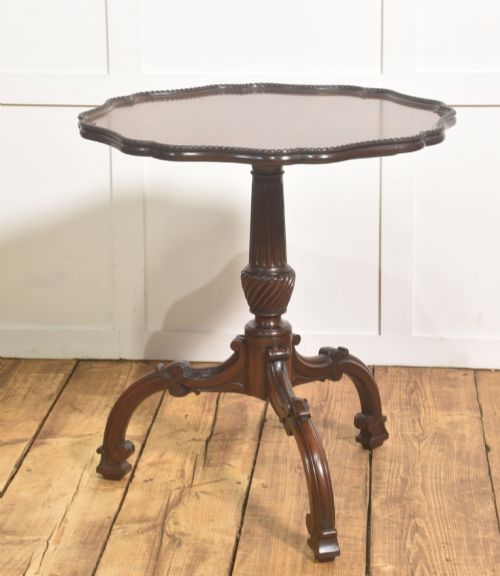
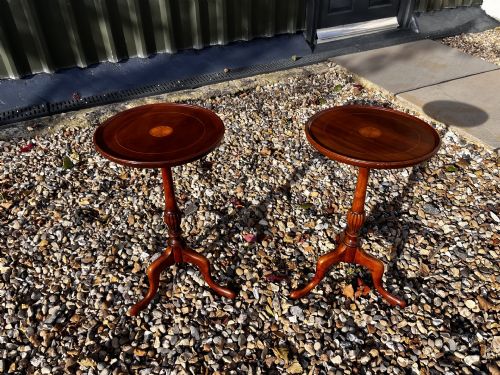
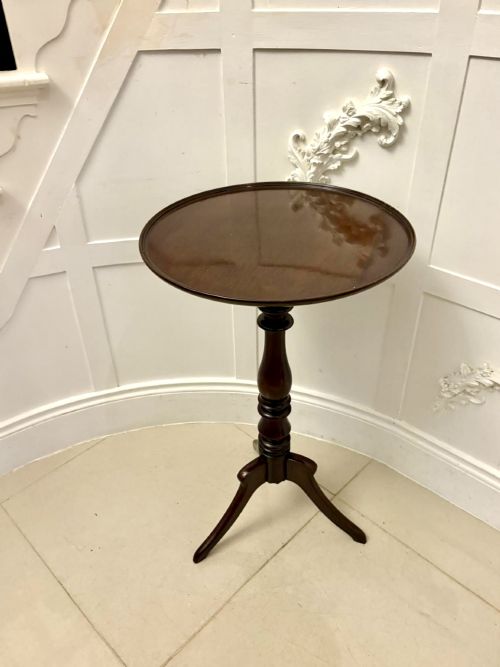
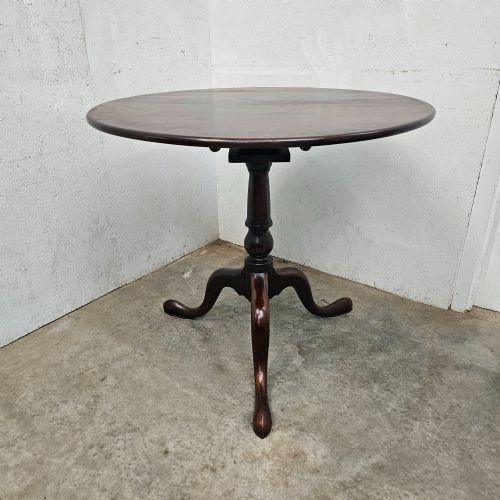
A round wood stand covers compact occasional furniture, most frequently seen here as small tripod tables, wine tables, and lamp tables from the nineteenth and early twentieth centuries.
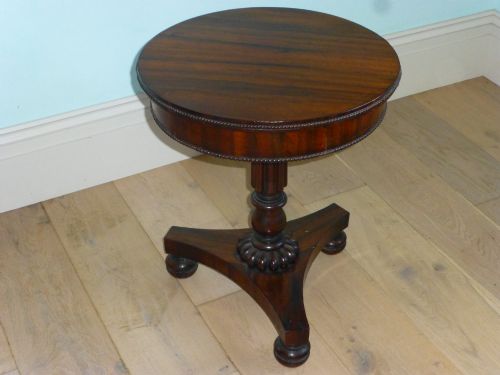
Victorian and Georgian examples dominate the selection, built primarily from mahogany, walnut, and rosewood with tripod bases designed to tuck beside chairs.
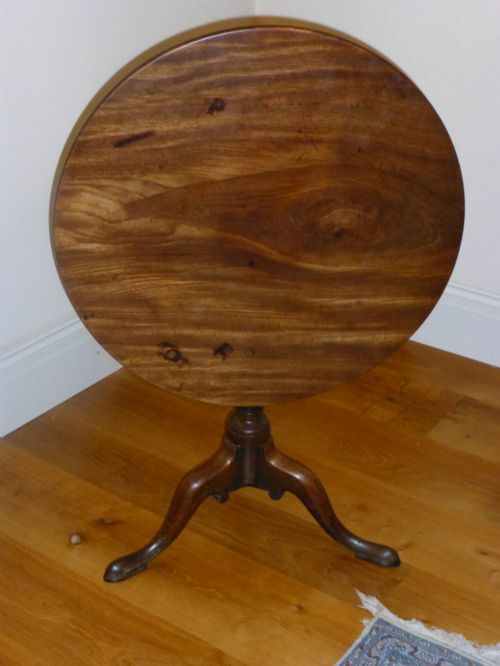
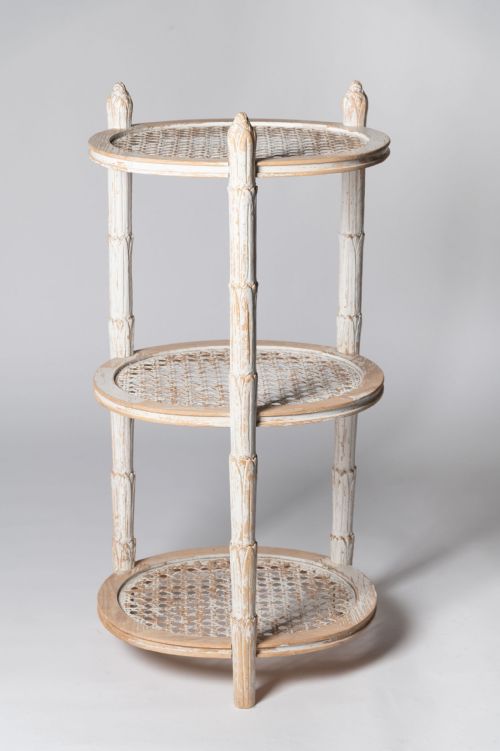
Form variations stretch from tilt-top tea tables and low lamp stands to specialised pieces like etageres, washstands, and coat stands.
Construction and Materials
Cabinetmakers utilised dense hardwoods like mahogany, walnut, and rosewood, often turning central pedestals on lathes and shaping slender tripod legs.
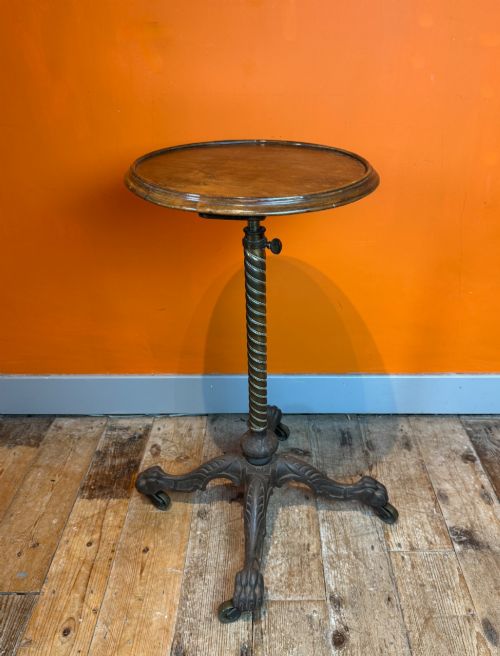
Decorative elements involve brass fittings, marquetry inlay, hand painting, and carved details such as bobbin turning and barley twists.
Surfaces range from plain timber boards and burr wood veneers to raised galleries and inset marble slabs.
Round Wood Stand Retail Price Guide 2026
Typical asking prices for round wood stand among the pieces listed under this phrase on Sellingantiques today, from the lower quarter to the upper quarter. They describe what is for sale here now, not the wider market.
Tripod bases outnumber four-legged designs by a wide margin in the current selection of occasional tables.
Assessing Quality
The degree of timber selection defines the visual depth, distinguishing plain boards from richly grained burr walnut or figured mahogany.
Joinery execution dictates stability, particularly in the critical junction where the central pillar meets the tripod legs and the tabletop.
Refined carving, crisp inlay, and balanced proportions separate utilitarian pieces from workshop items of ambitious design.
Bulstrode Cambridge
The Round Wood Stand Glossary
- Tripod table
- A small freestanding table supported by three legs radiating from a central pillar. This design prevents rocking on uneven floors.
- Tilt-top table
- A table with a mechanism allowing the top to pivot vertically when not in use. This clever feature saved floor space in period rooms.
- Birdcage
- A timber framework beneath a tabletop allowing it to rotate and tilt. It represents a more complex form of joinery found on better pieces.
- Pie crust edge
- A carved, undulating raised rim shaped from the solid wood of the tabletop. The profile mimics pastry crusts seen on fine Georgian furniture.
- Bobbin turning
- A form of woodturning producing a series of rounded spheres or discs resembling bobbins on a thread. Victorian makers favored this for legs and supports.
Round Wood Stand: Frequently Asked Questions
What is a round wood stand used for?
These compact stands served various domestic duties throughout the parlor and drawing room, holding tea services, reading lamps, or decorative ornaments.
Today, they function well beside armchairs and sofas as stable surfaces for modern lighting and cups.
How do I date a timber table?
Dating relies on observing wood species, construction marks beneath the top, and turning styles characteristic of specific reigns and decades.
Georgian pieces often display simpler joinery and lighter proportions, whereas Victorian examples frequently feature heavier pedestals and exotic veneers.
Are tilt-top tables stable?
Tilt-top tables rely on a catch mechanism securing the horizontal surface to the central pedestal block.
While functional, regular movement of the latch can cause slight play, so checking the pivot block ensures steady placement.
Where should I place a wine table?
Wine tables suit tight spaces between seating where larger coffee tables fail to fit.
Their small footprint allows them to sit unobtrusively in corners or beside beds.