



Round Seat Stool
A round seat stool brings compact utility and honest timber character to any room, offering versatile perches that range from country elm to polished walnut.
Round Seat Stool
When you search for a round seat stool, you encounter a surprisingly varied group of small seating forms spanning the nineteenth and early twentieth centuries. These pieces encompass everything from rustic country examples to refined piano stools and French walnut designs.
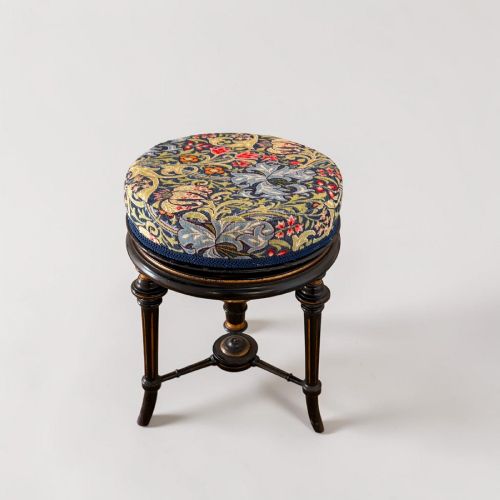
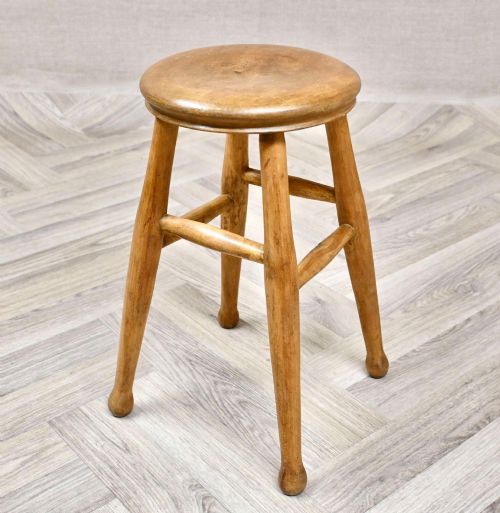
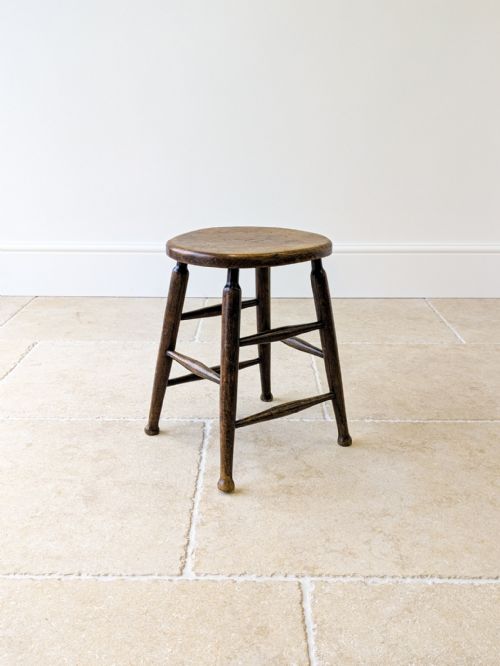
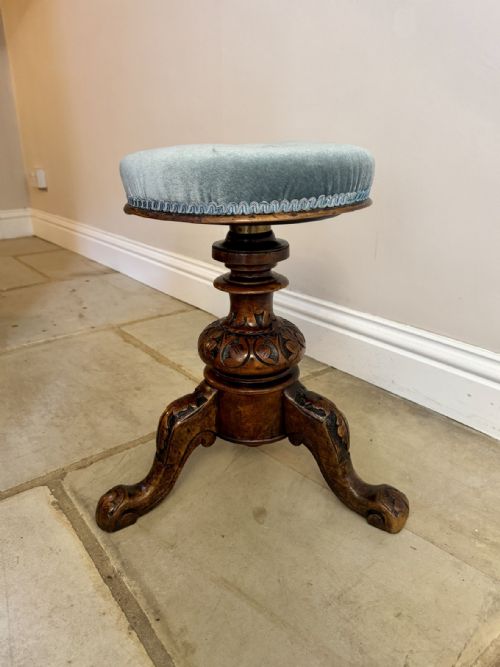
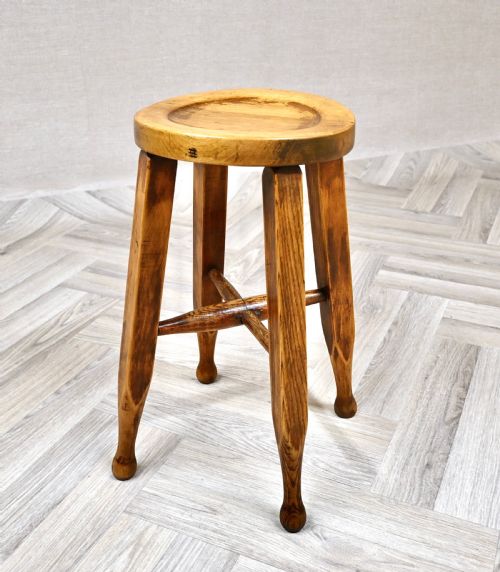
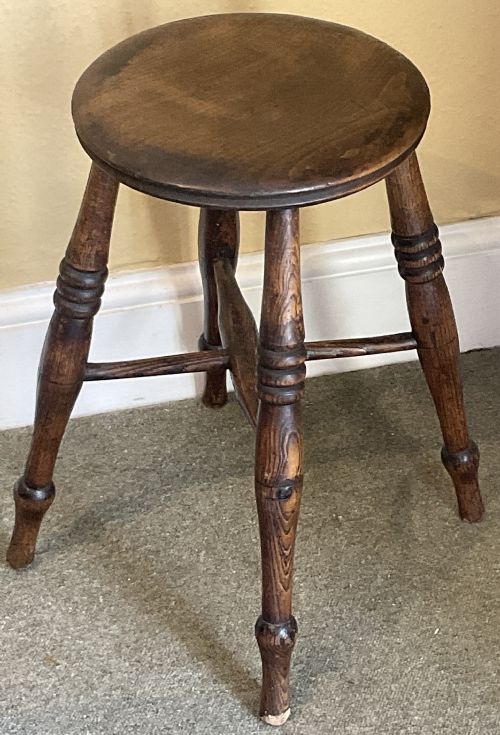
The versions you are most likely to meet on this page lean heavily towards Victorian and nineteenth-century origins, often constructed from elm, oak, mahogany, or walnut. Forms range from simple three-legged circular top stools to adjustable revolving piano stools with brass or carved details.
Makers such as Gillows and H Brooks and Co. appear among the finer piano stools, while English country and Windsor traditions account for the simpler wooden seating. Whether designated as footstools, general purpose stools, or bentwood sets, each piece serves the fundamental purpose of compact, moveable seating.
How they were made
Construction relies on solid timbers such as oak, elm, walnut, mahogany, and rosewood, shaped into circular tops supported by three or four legs. Many piano stools incorporate adjustable mechanisms, allowing the seat to rise or revolve via threaded wooden screws or metal hardware.
Finishes include carved ornamentation, polished wood surfaces, and occasional brass studded seats or upholstered pads covered in fabric and velvet. Bentwood techniques also emerge in twentieth-century examples, utilising steam-bent components to form lightweight circular seating.
Round Seat Stool Retail Price Guide 2026
Typical asking prices for round seat stool among the pieces listed under this phrase on Sellingantiques today, from the lower quarter to the upper quarter. They describe what is for sale here now, not the wider market.
Listings feature items spanning the nineteenth century through to the nineteen-twenties, incorporating oak, elm, walnut, and rosewood.
What varies in quality
Quality separates through the selection of timber and the crispness of the carving, moving from utilitarian general purpose pieces to finely figured walnut and rosewood. The presence of a recognised maker such as Gillows elevates a piece above standard workshop production.
Mechanical complexity also distinguishes the range, particularly in adjustable piano stools where smooth operation of the rising seat mechanism demonstrates superior craftsmanship. Solid joints, well-turned legs, and carefully fitted upholstery define the better examples across all periods.
Gillows·H Brooks and Co.
The Round Seat Stool Glossary
- Bentwood
- Wood that has been heated with steam and bent into curved shapes. This technique creates lightweight and durable frames, frequently seen in twentieth-century sets.
- Piano stool
- A specialised seat designed for use at a keyboard, often featuring an adjustable height mechanism. These range from revolving mahogany designs to rosewood rising seats.
- Windsor stool
- A traditional seating form characterised by legs wedged directly into a thick wooden seat. These country pieces often utilise elm or mixed hardwoods.
- Revolving
- A seating function that allows the top to spin on a central screw or pivot. This mechanism is especially common on nineteenth-century piano stools.
Round Seat Stool: Frequently Asked Questions
What is a round seat stool?
A round seat stool is a small, backless piece of furniture featuring a circular top used for seating or resting feet. These items appear in various forms, from rustic country wooden versions to adjustable piano stools.
Historically utilised in domestic parlours, music rooms, and workshops, they provide portable and space-saving seating solutions across multiple design periods.
How do I use a round seat stool at home?
These stools fit easily beside armchairs as impromptu side tables or serve as extra perches around a living space. Their compact footprint makes them ideal for corners or narrow hallways.
Music-related piano stools work particularly well at desks or dressing tables where an adjustable height proves useful.
How do I date a round seat stool?
Dating relies on timber choice, construction methods, and stylistic details such as turning or upholstery. Nineteenth-century examples often display hand-turned legs and dense hardwoods like mahogany or walnut.
Later twentieth-century pieces incorporate bentwood construction or simpler oak frames, reflecting changing manufacturing techniques of the era.
Are piano stools different from regular stools?
Piano stools are specifically engineered with adjustable height mechanisms, allowing musicians to find a comfortable playing position. They frequently feature revolving tops or rising screw mechanisms.
Standard round seat stools generally maintain a fixed height intended for general seating or domestic tasks rather than keyboard performance.