




Round Pub Table
A round pub table brings practical charm and heavy character into a room, offering a sturdy surface built for daily gathering.
Round Pub Table
A round pub table combines a compact top with a robust base, designed originally for hospitality and social drinking in taverns, bistros, and inns. When you search for this phrase, you find pieces intended to fit small spaces while remaining entirely stable under heavy use.
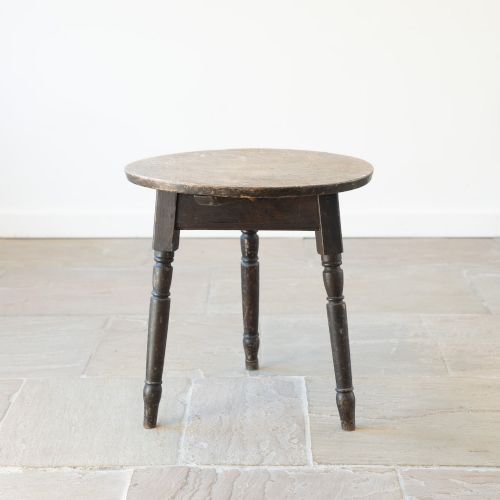
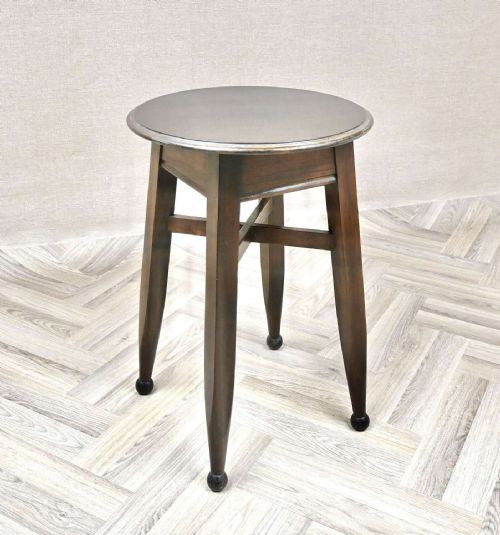
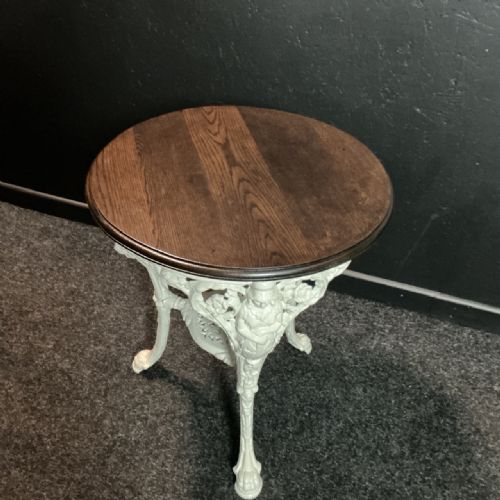
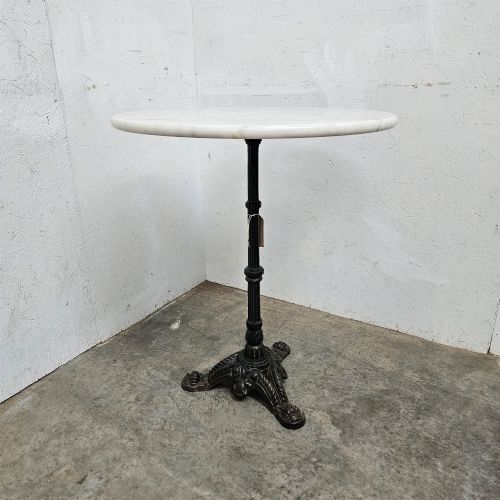
The most common versions on this page date from the Victorian period through the early twentieth century, spanning English and French origins. You encounter traditional wooden tavern designs alongside cafe and bistro formats featuring metal supports.
Forms range from simple pine and oak work tables to ornate metal pedestals paired with polished stone. They serve today as side tables, breakfast surfaces, or garden additions that anchor a room without dominating the floor space.
How they were made
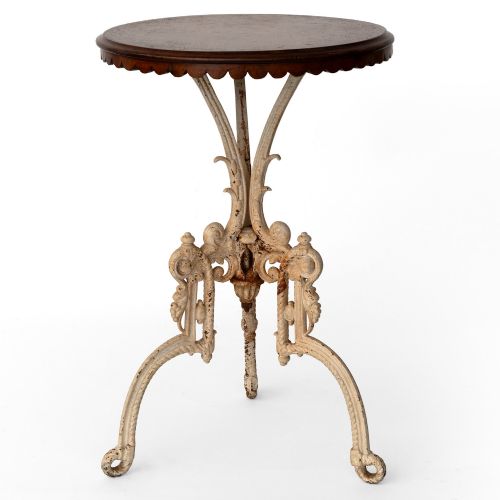
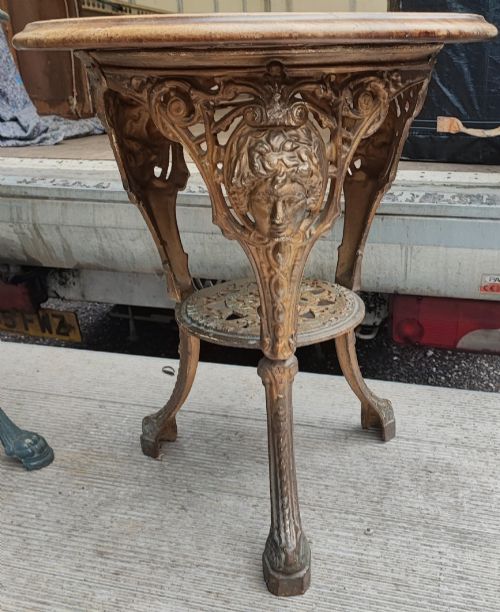
Construction relies heavily on durable combinations of cast iron and natural stone or timber. Foundry workers poured iron into intricate moulds to create scrollwork and heavy pedestal bases that would prevent tipping.
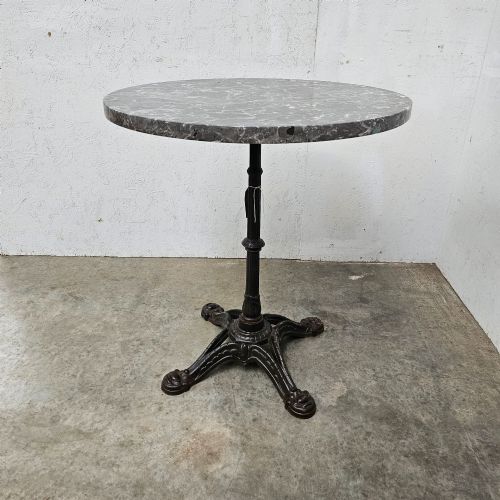
Tabletops utilise solid woods such as oak, pine, elm, and stained hardwood, often joined simply to handle regular wear. French and continental examples frequently pair these iron frames with smooth green or white marble surfaces.
Round Pub Table Retail Price Guide 2026
Typical asking prices for round pub table among the pieces listed under this phrase on Sellingantiques today, from the lower quarter to the upper quarter. They describe what is for sale here now, not the wider market.
Some cast iron bases carry enough weight to survive a lively tavern brawl without shifting an inch.
What varies in quality
Quality rests in the crispness of the cast iron detailing and the choice of top materials. Heavier, deeply moulded pedestal bases demonstrate superior foundry work compared to simpler, flat-faced castings.
The integrity of the timber or the thickness of the marble slab determines the endurance of the piece. Tables retaining their original unpainted surfaces and unaltered structural joints hold greater integrity than heavily restored examples.
The Round Pub Table Glossary
- Cast iron
- A strong, heavy alloy poured into moulds to form decorative and structural table bases. It provides the necessary weight to keep small circular tables stable.
- Cricket table
- An early English three-legged wooden table traditionally built with a round top and pegged joints. This form offers inherent stability on uneven flagstone floors.
- Bistro table
- A small cafe table featuring a metal base and a marble or wooden top. Originating in French establishments, these pieces are designed for tight seating arrangements.
- Britannia metal
- A tin-based alloy often associated with pub furnishings and heavy tavern bases. It mimics the appearance of silver while offering robust durability.
Round Pub Table: Frequently Asked Questions
Where do I put a round pub table?
These tables suit small dining nooks, kitchens, or hallways where a square table feels too bulky. Their circular footprint allows people to gather easily without sharp corners in the way.
They also sit comfortably in conservatories or gardens when paired with weather-resistant stone and metal materials. Their compact size makes them adaptable as focal points in compact rooms.
How do I clean a marble top?
Wipe the surface regularly with a soft damp cloth and mild, neutral soap. Avoid acidic cleaners, vinegar, or citrus solutions that etch polished stone.
Dry the marble thoroughly after washing to prevent water spots. Applying a specialist stone sealer periodically protects the porous surface from stains.
Are these tables heavy?
Many examples feature cast iron bases that add substantial weight to the lower half of the piece. This heavy construction ensures the table remains steady during daily use.
While the bases are weighty, the compact circular tops keep the overall footprint manageable. Two people can easily move most examples when rearranging a room.
How do I date an iron base?
Examine the underside of the casting for registration numbers, maker marks, or rough sand-cast textures. Victorian and nineteenth-century pieces often display sharper relief work and heavier sections than later reproductions.
Inspect the fasteners and bolts holding the top to the pedestal. Hand-turned screws and threaded iron fittings point toward older manufacturing methods.