


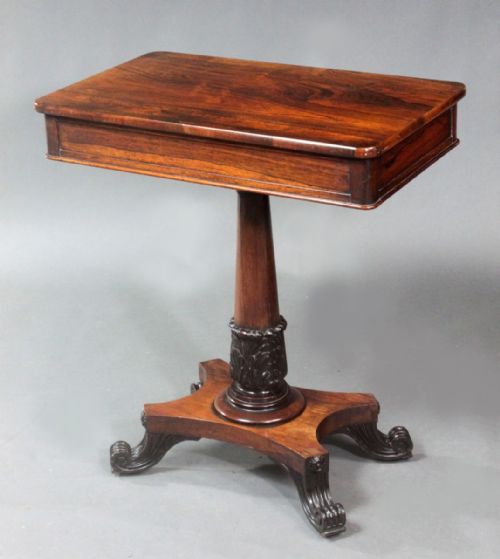


Rosewood Column Table
A rosewood column table offers rich timber grain and sculptural presence, making it a sophisticated centrepiece for any traditional interior.
Rosewood Column Table
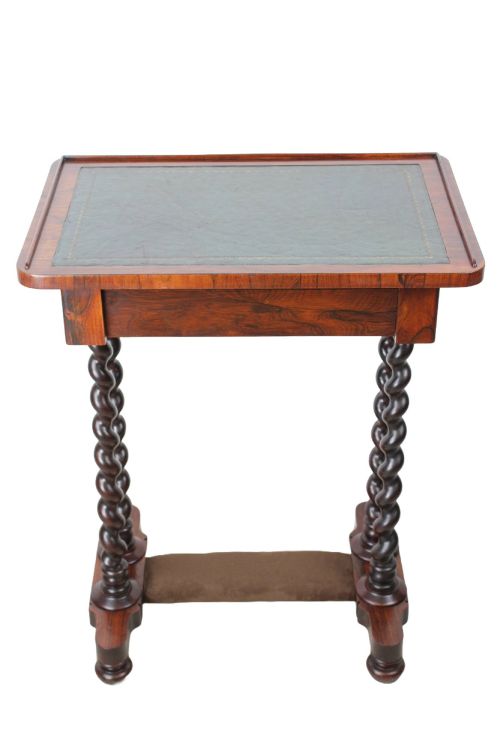
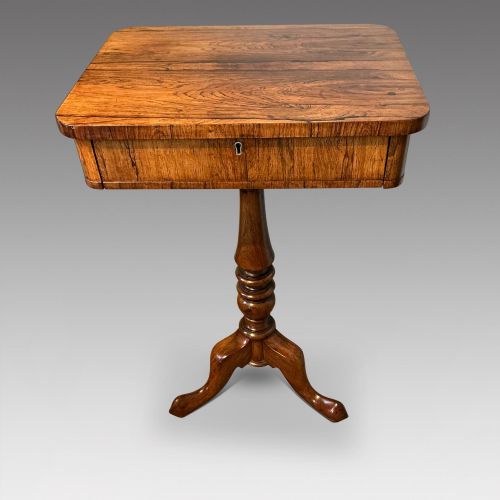
A rosewood column table brings together rich tropical timber and strong vertical supports, appearing across various nineteenth-century periods including Regency and Victorian eras. These pieces function as side tables, breakfast tables, occasional tables, and card tables within domestic spaces.
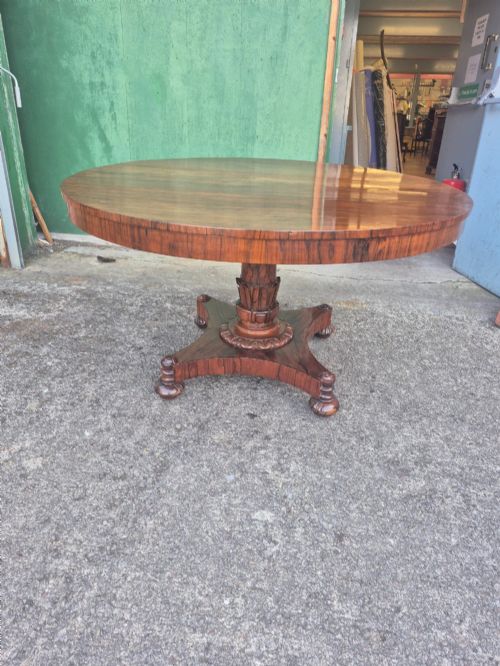
Buyers will encounter multiple configurations on this page, from compact pedestal stands and lamp tables to larger centre tables and card tables with fold-over tops. The forms span stylistic movements such as William IV, French Restoration, and Grand Regency alongside Anglo-Indian craftsmanship.
Materials and Construction
Craftsmen built these tables using solid or veneered rosewood, frequently incorporating contrasting timbers such as lemon wood, satinwood, and mahogany for decorative inlay and marquetry. Brass mounts, ormolu details, and marble tops appear on select examples to elevate the visual weight.
Structural support relies on robust central pillars or columns, often set upon tripartite or quadrupartite platform bases fitted with cast feet. Joinery techniques from the nineteenth century ensured the stability of heavy tops whilst highlighting the deep red and brown tones of the wood.
The listings span the nineteenth century, incorporating Regency, Victorian, and Edwardian periods alongside materials like brass, marble, and ormolu.
Judging Quality and Execution
The distinction between standard pieces and exhibition-quality works lies in the selection of the timber grain and the precision of the marquetry or parquetry. Master craftsmen used finely figured rosewood veneers matched symmetrically across table tops and column shafts.
Proportion and execution of decorative hardware dictate the overall refinement of the piece. Finely chased ormolu mounts, intricate brass stringing, and solid marble inserts indicate workshops operating at the highest standard.
The Rosewood Column Table Glossary
- Portico clock
- A monumental clock housed within a architectural frame supported by columns. These timepieces frequently utilise rosewood and ormolu.
- Card table
- A folding table designed for gaming, featuring a hinged top that opens to reveal a baize-lined surface. Many examples from this selection employ column supports.
- Marquetry
- The art of applying decorative veneer pieces to a structure to form intricate patterns. Craftsmen utilised light woods like satinwood against dark rosewood grounds.
- Etagere
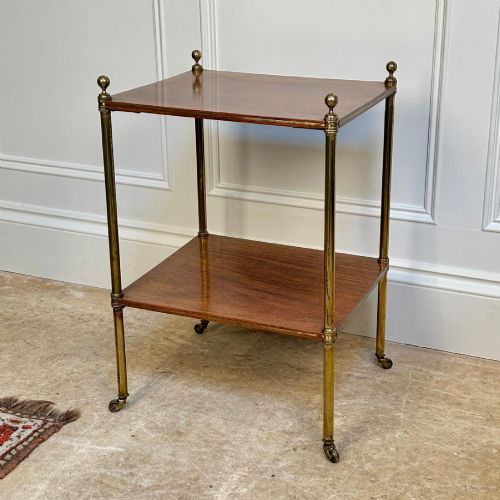
- A set of open shelves for displaying small objects or books. These tiered structures often incorporate brass supports and rosewood construction.
- Parquetry
- Geometric wood mosaic work used for flooring or furniture tops. Nineteenth-century makers applied this technique to create patterned occasional surfaces.
Rosewood Column Table: Frequently Asked Questions
Where should I place a rosewood column table?
These tables suit reception rooms, libraries, and hallways where their sculptural columns and rich timber grain can be appreciated from multiple angles. Smaller occasional and lamp tables fit comfortably beside seating.
Larger breakfast or centre tables function best as freestanding pieces in the middle of a room, allowing light to catch the polished surface and decorative inlays.
How do I care for nineteenth-century rosewood?
Protect the timber by keeping tables away from direct sunlight and excessive heat sources, which can dry out the polish or cause veneer to lift. Dust gently with a dry, soft cloth.
Avoid using silicone-based polishes or harsh chemical sprays, opting instead for traditional beeswax applied sparingly to maintain the natural lustre of the wood.
What is the difference between a pillar table and a pedestal table?
A pillar table typically refers to a design supported by a single vertical shaft rising from a base, often associated with Victorian and Regency forms. Pedestal table is a broader term encompassing similar single-support designs.
Both terms describe furniture engineered to maximise legroom around the perimeter while maintaining structural stability through a heavy weighted base.
How do I identify a Regency period table?
Regency pieces often display classical architectural influences, drawing on Greek and Roman motifs alongside clean lines and dark, heavily grained timbers. Look for robust central columns and brass detailing.
Construction methods from this era include sturdy platform bases, sometimes featuring carved paw feet or concealed castors beneath the platform.