





Romanticism Art
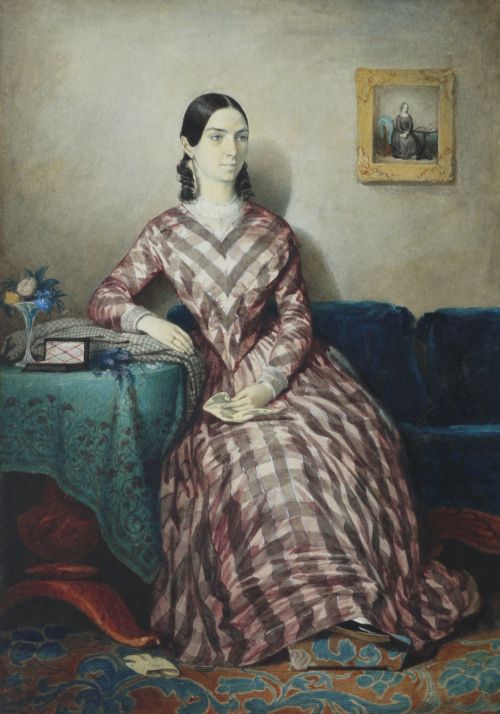
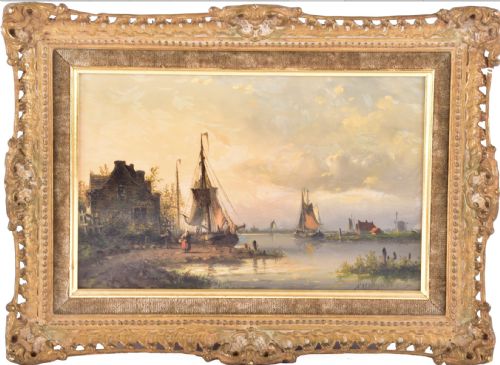
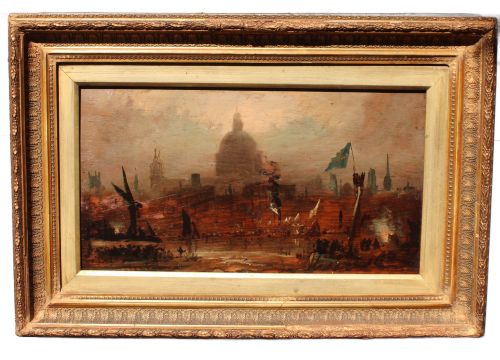
Romanticism art captures emotional intensity through sweeping landscapes, historical scenes and pastoral gatherings painted during the nineteenth century.
Romanticism Art
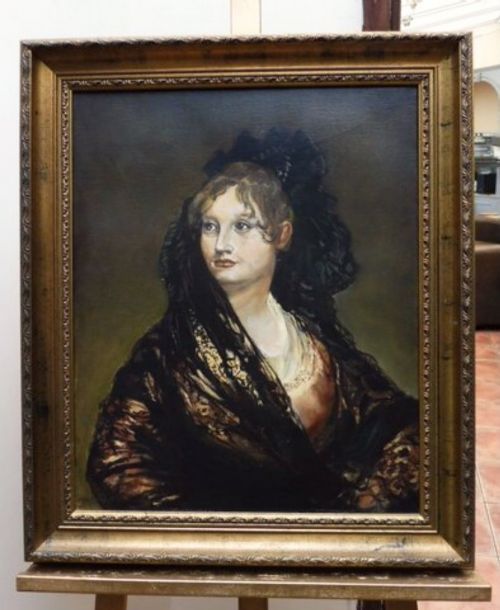
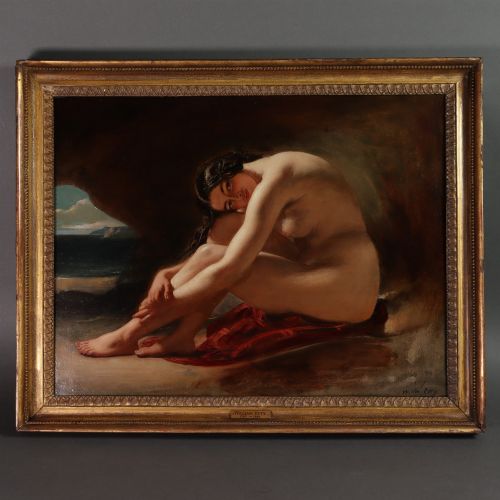
Romanticism art focuses on dramatic natural scenery, emotive character portraits and historical narratives rooted in nineteenth century aesthetic ideals. Buyers seeking romanticism art encounter oil paintings on canvas, delicate watercolours on paper and framed prints reflecting British, Dutch, Spanish and Italian regional schools.
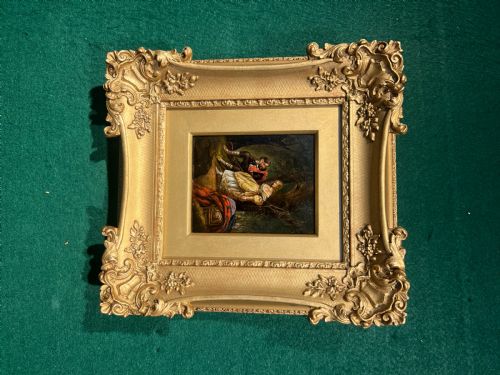
Most examples originate from the nineteenth century, spanning Georgian periods through to Victorian interpretations of pastoral and landscape subjects. Common formats range from intimate cabinet oil studies to large framed works depicting riverscapes, mountain vistas and ruins.
Materials and Technique
These works rely on oil paint applied to canvas, wood panels or board, capturing atmospheric light and shadow through layered brushwork. Painters also utilised watercolour and gouache on paper, often finished with graphite underdrawings.
Surviving pieces frequently retain their original gesso and giltwood frames, finished in gold leaf to complement the painted composition.
Romanticism Art Retail Price Guide 2026
Typical asking prices for romanticism art among the pieces listed under this phrase on Sellingantiques today, from the lower quarter to the upper quarter. They describe what is for sale here now, not the wider market.
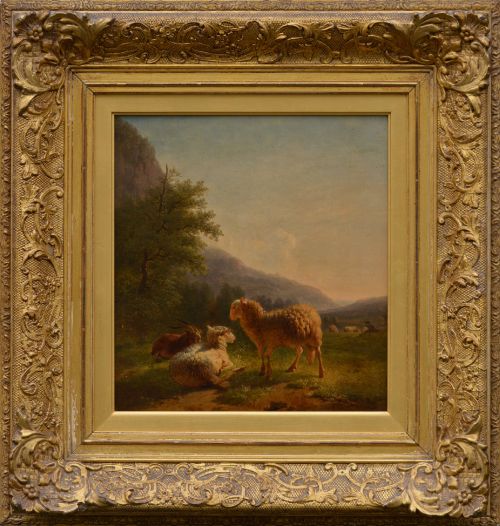
Several sheep and at least one very observant dog manage to wander into the most dramatic landscape scenes.
Assessing Quality
Quality rests in the handling of light, atmospheric depth and anatomical precision within the figures and animals. Superior works demonstrate confident brushwork and balanced composition that draw the viewer into the narrative.
The integration of the artwork with its period frame contributes significantly to the overall integrity of the piece.
Nicolaas Martinus Wijdoogen·Alessandro Cittadini·Eugène Verboeckhoven·Francisco José de Goya y Lucientes·J. M. W. Turner·William Etty·Carl Johan Fahlcrantz·George Hilditch·Johannes Philippus Galjaard·Augustus Jules Bouvier·John Constable·William Collins·Karel Frans Philippeau·Ludwig Hermann·Alexandre Decamps·John Frederick Tennant·Peter de Wint
The Romanticism Art Glossary
- Oil on Canvas
- Pigment mixed with drying oil applied to stretched fabric. This medium allows for rich colour blending and textured brushwork.
- Giltwood
- Timber carved and coated with gold leaf or metallic paint. It provides an ornate border that reflects light onto the canvas.
- Watercolour
- Pigments suspended in a water-based solution applied to paper. This technique creates translucent washes and delicate detail.
- Gesso
- A paint mixture consisting of a binder mixed with chalk or gypsum. It serves as a smooth preparation layer for wooden panels and frames.
- Pastoral
- A genre depicting rural life, shepherds and rustic landscapes in an idealized manner. These scenes evoke a sense of peaceful detachment from industrial progress.
Romanticism Art: Frequently Asked Questions
What defines romanticism art?
Romanticism art emphasises deep emotion, individual imagination and the sublime power of nature over classical restraint. Subjects frequently include dramatic weather, ruined abbeys, shepherds with flocks and sweeping river valleys.
These works developed across Europe during the nineteenth century, with distinct British, Dutch, German, French and Italian regional approaches visible in the brushwork and palette.
How should I display these paintings?
Keep nineteenth century canvases and works on paper away from direct sunlight and damp environments to protect the pigments and paper fibres. Stable indoor humidity prevents the wood panels and gesso frames from cracking.
Ensure hanging hardware securely supports the weight of heavy giltwood frames without placing stress on the stretcher bars.
Are these works painted on canvas or panel?
The pieces utilise multiple supports including stretched canvas, wooden panels, thick paper and prepared board. Oil painters favoured woven canvas for larger landscapes, while smaller studies often appeared on panel or paper.
Watercolours and graphic works remain exclusively on paper supports beneath protective glazing.
How do I recognise a period frame?
Period frames feature hand-carved gesso ornamentation finished in genuine gold leaf or metallic leaf over a bole base. The corners and joinery show traditional construction methods consistent with nineteenth century cabinetmaking.
Original frames display authentic patination and minor wear that match the age of the artwork enclosed.